
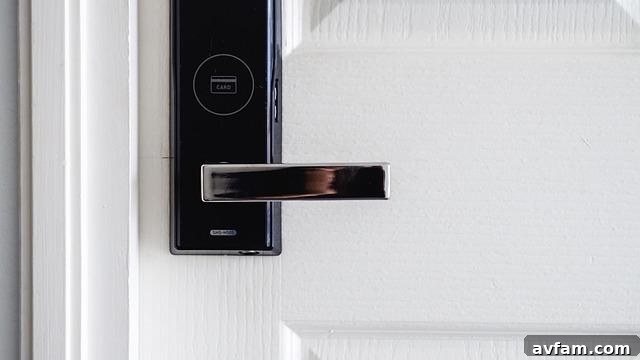
A modern home security system is an indispensable tool for safeguarding your property and loved ones, offering invaluable peace of mind. However, when these sophisticated systems begin to malfunction, that sense of security can rapidly transform into profound frustration and concern. Many homeowners find themselves grappling with technical issues they don’t fully comprehend, which is precisely why readily available resources, such as a Honeywell alarm codes cheat sheet, are so crucial. Such guides are not just convenient; they are essential for quickly identifying system alerts, deciphering complex codes, and efficiently resolving problems to restore your home’s protection.
Rather than jumping to the conclusion that your entire security system is irretrievably broken, a far more productive approach involves understanding the underlying causes of its erratic behavior. Most performance issues stem from minor overlooked details or common operational oversights, rather than catastrophic failures. By investing a little time in learning how these intelligent systems operate – from their various components to their communication protocols – you can effectively regain control. This knowledge empowers you to proactively address glitches, prevent future issues, and ultimately restore the reliable, robust protection your home deserves, ensuring your confidence in its security remains unshaken.
Common User Errors That Disrupt Security System Performance
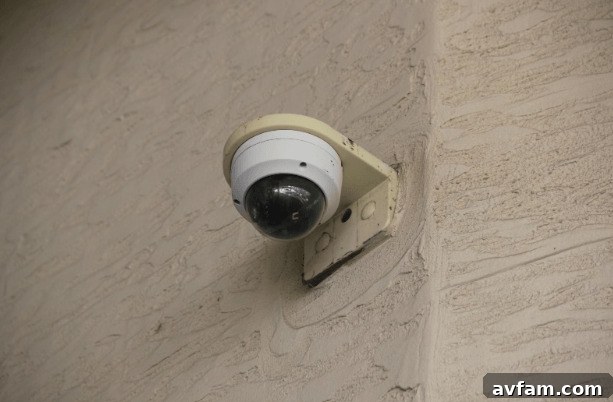
One of the most frequent yet easily preventable reasons a home security system fails to perform optimally is simple user error. Misunderstandings or incorrect procedures during arming and disarming can lead to a cascade of problems, from irritating false alarms to critical gaps in security coverage. Many users do not fully grasp the distinctions between various arming modes—such as “stay,” “away,” “instant,” or “perimeter.” For instance, arming in “away” mode when only occupants are present can trigger motion sensors unnecessarily, leading to a false alarm. Conversely, using “stay” mode when everyone has left the house leaves exterior sensors active but interior motion detectors disarmed, potentially compromising internal security.
Another significant issue arises from improper code management. This includes entering access codes incorrectly, using outdated credentials, or failing to regularly update user information. Over time, households evolve: nannies might leave, new family members arrive, or housekeepers change. If access codes are not promptly updated or revoked, the system’s integrity can be compromised. An outdated code, still active in the system, might be inadvertently used by someone no longer authorized, or conversely, a new family member might struggle to disarm the system due to an unassigned code. These scenarios make the system appear unreliable, but in reality, it’s merely responding to incorrect or mismanaged inputs. Implementing a clear protocol for code creation, modification, and deletion for all authorized users is paramount to maintaining both security and system reliability.
Addressing Sensor and Hardware Malfunctions in Your Security System
Sensors are the eyes and ears of your home security system, playing a critical role in detecting motion, entry points, environmental changes like smoke or CO, and glass breakage. However, like any electronic component, they are susceptible to wear and tear, environmental factors, and physical damage. Issues such as dust buildup on motion detectors, the natural depletion of batteries in wireless sensors, or physical damage from impacts can cause sensors to misfire, report false positives, or cease functioning entirely. When even a single sensor fails or provides inaccurate data, the entire security system can become less effective, producing constant nuisance alerts or, worse, failing to detect a genuine threat.
Moreover, the effectiveness of a sensor is heavily dependent on its installation location. Poor placement can be a major culprit behind false alarms. For example, a motion sensor positioned directly facing a window might trigger due to sunlight, changing shadows, or even outdoor movement. Similarly, sensors placed too close to air vents can be activated by drafts, while those at pet-level might constantly detect family pets. Factors like temperature fluctuations, high humidity, or even pest infestations can also adversely affect sensor performance. To ensure optimal functionality, it’s crucial that each component is correctly positioned according to manufacturer guidelines, free from obstructions, and regularly inspected. Routine cleaning, battery checks, and occasional recalibration are key maintenance steps to keep your security system’s detection capabilities robust and reliable.
Resolving Communication and Connectivity Issues in Wireless Security Systems
Modern home security systems heavily rely on wireless communication, which, while offering flexibility and ease of installation, introduces another complex layer of potential problems. A weak wireless signal between sensors and the main control panel, interference from other household devices (like Wi-Fi routers, cordless phones, or microwaves), or outdated network settings can severely disrupt communication. When these devices struggle to communicate effectively, critical alerts may not reach the control panel in a timely manner, or worse, may fail to be transmitted to the professional monitoring service, leaving your home vulnerable.
Internet connectivity also plays an increasingly significant role, especially for smart home security systems that offer remote access, video streaming, and app-based controls. If your system relies on your home Wi-Fi or a cellular backup signal, interruptions in these services can prevent real-time monitoring, disable remote arming/disarming, and hinder crucial software updates. Common Wi-Fi issues include a router placed too far from the security hub, network congestion, or incorrect password entries after a router change. For cellular backups, poor signal strength in your area or an expired service plan can render it useless during an internet outage. Regularly checking your home network’s stability, ensuring adequate signal strength for all security components, and promptly updating system firmware are vital steps. These practices help maintain consistent, reliable communication across your entire security ecosystem, guaranteeing that alerts are delivered and your system remains fully functional.
Troubleshooting Power Supply and Battery Problems
A consistent and reliable power source is the absolute bedrock of any effective home security system, yet it’s an aspect frequently overlooked by homeowners. While security systems are typically connected to mains electricity, they are also equipped with backup batteries designed to keep them operational during power outages. However, these batteries are not immortal; they naturally degrade over time, usually requiring replacement every 3-5 years. When a backup battery reaches the end of its lifespan or runs critically low, the system may start emitting persistent warning signals (like beeping from the keypad) or, in severe cases, stop functioning altogether during a power interruption. Ignoring these low battery alerts can lead to a complete loss of security when it’s needed most.
Beyond battery degradation, external power issues can also jeopardize your system. Power surges, voltage fluctuations, or an inconsistent electrical supply can damage sensitive electronic components within the control panel or individual sensors. To mitigate this risk, it’s highly recommended to plug your main control panel into a quality surge protector. Furthermore, routinely checking the battery levels of all wireless sensors and the main backup battery, along with ensuring that the main power adapter is securely plugged into a working outlet, can prevent unexpected failures. Promptly replacing aging batteries and addressing any power supply irregularities ensures your security system remains consistently powered and operational, providing uninterrupted protection even in challenging circumstances.
Understanding and Responding to System Alerts and Codes
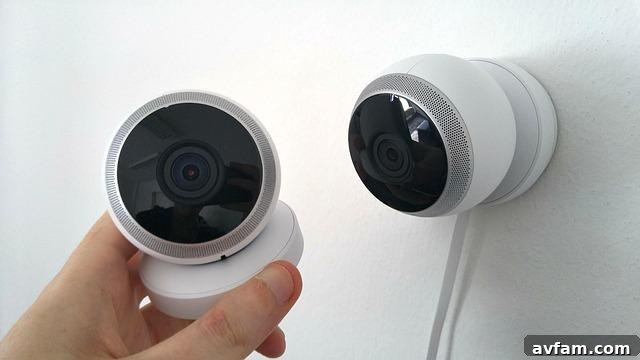
Alarm systems are designed to communicate issues and status updates through a series of specific codes, audible beeps, and visual alerts. However, these messages are not always intuitive or easily decipherable for the average user. Many homeowners tend to dismiss or misunderstand these signals, often assuming they are merely minor glitches or temporary annoyances. In reality, these alerts are critical diagnostic tools; they typically indicate specific problems that demand immediate attention, ranging from a low sensor battery to a communication fault or an open zone.
Understanding precisely what each code or alert signifies can make a monumental difference in your ability to troubleshoot effectively and efficiently. Instead of guessing or ignoring the problem, referencing a reliable guide—such as your system’s user manual or a dedicated alarm codes cheat sheet—allows you to quickly and accurately identify the root cause. For instance, a “check” or “fault” light accompanied by a specific zone number might indicate a particular door or window sensor is open or malfunctioning. A “comm fail” message points to a problem with the system’s ability to communicate with the monitoring center. This proactive approach to interpreting alerts not only reduces system downtime and potential frustration but, more importantly, prevents minor issues from escalating into significant security vulnerabilities. Familiarizing yourself with these codes is a fundamental step towards becoming a more informed and capable security system owner.
The Critical Role of Regular Maintenance and Software Updates
Like any advanced technological device, home security systems require ongoing maintenance and timely updates to perform at their peak efficiency and provide reliable protection. Neglecting routine checks can lead to a gradual accumulation of unnoticed issues, which, over time, can severely compromise the entire system’s integrity and effectiveness. Regular inspections are crucial for identifying weak points, such as loose wiring, aging batteries, or dusty sensors, long before they can lead to a system failure or a false alarm. A comprehensive maintenance schedule might include monthly tasks like testing all sensors and the siren, quarterly checks for battery health, and annual inspections of wiring and communication modules.
Equally important are software updates, particularly for smart security systems integrated with home automation or remote access features. Manufacturers routinely release updates to address security vulnerabilities, fix bugs, improve system performance, and introduce new functionalities. Failing to keep your system’s firmware and software up to date leaves it susceptible to cyber threats, can cause compatibility issues with new devices, and might prevent you from benefiting from enhanced features. Many modern systems offer automatic updates, but it’s wise to periodically verify that your system is running the latest version. By diligently performing regular maintenance and ensuring all software is current, you guarantee that your security system operates efficiently, remains resilient against evolving threats, and continues to provide the dependable protection your home and family rely on.
A home security system that isn’t working as it should is rarely beyond repair. In fact, the vast majority of issues can be resolved with careful attention, a methodical approach to troubleshooting, and a basic understanding of its components. By actively learning how your system operates, diligently maintaining its various parts, and responding promptly and appropriately to all alerts and codes, you can significantly enhance its reliability and effectiveness. This proactive engagement not only addresses current problems but also serves as a robust preventative measure against future malfunctions.
Even seemingly small adjustments, such as replacing a low sensor battery, properly cleaning a motion detector, or updating outdated software, can lead to substantial improvements in overall performance. Embracing a proactive mindset towards your home security system transforms it from a source of frustration into a consistent and dependable guardian. Ultimately, a well-understood, regularly maintained, and correctly operated security system delivers the unparalleled safety, comfort, and peace of mind it was originally designed to provide, safeguarding everything you value most.