
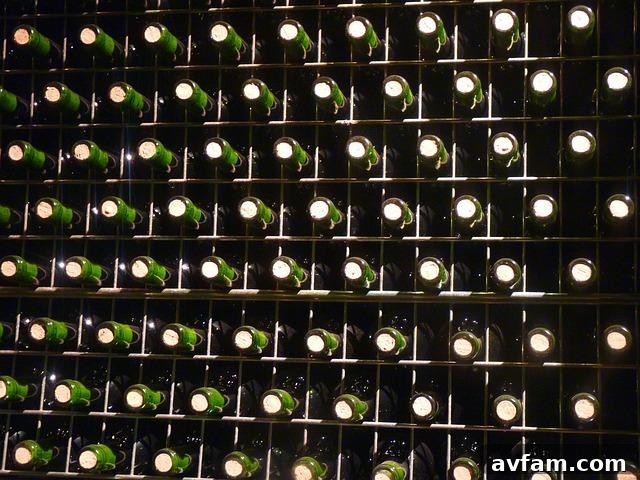
Creating a dedicated wine-friendly space within your home significantly elevates its character, enhances convenience, and contributes substantial long-term value. Homeowners across Alberta are increasingly recognizing the multifaceted benefits of designing specific areas not only for storing cherished bottles but also for elegantly hosting guests and meticulously safeguarding valuable collections from the environmental fluctuations inherent in the region.
The foundation of any successful home wine environment lies in durable construction and meticulous planning. These elements are paramount in establishing and maintaining the stable, controlled conditions essential for the long-term preservation and enjoyment of wine. This comprehensive guide will explore practical strategies to transform a simple storage concept into a lasting, inviting, and truly functional feature of your home.
Choosing Durable Materials for a Resilient Wine Space
The integrity of a home wine cellar or storage area begins with the selection of robust and durable materials. Wine storage spaces inherently demand materials capable of supporting considerable weight, as heavy racks, custom glass shelving, and stacked cases of bottles exert significant structural pressure. For homeowners in Alberta seeking truly adaptable and enduring solutions, custom steel buildings offer an exceptionally practical pathway. These prefabricated or custom-designed structures can be expertly configured to create dedicated wine storage rooms, charming backyard tasting spaces, or even elegant detached wine studios. Their inherent strength ensures long-lasting performance, minimal maintenance, and outstanding energy efficiency, making them ideal for the varying climates found across Canada.
Beyond the primary structure, every component within the wine space must be chosen for its longevity and stability. Reinforced flooring is non-negotiable, providing the necessary support for stacked bottles and heavy storage units without compromising stability or risking structural damage over time. The inherent durability of construction materials minimizes the need for frequent maintenance and repairs, allowing homeowners to enjoy their investment without constant upkeep. Furthermore, strong, well-engineered foundations are critical in mitigating structural movement, which could otherwise disturb delicate storage arrangements or compromise the integrity of the cellar environment. Reliable, high-quality materials not only bear weight but also provide a crucial layer of protection for valuable wine collections against environmental damage, pests, and unexpected wear and tear.
Consider materials like natural stone, treated wood, and specialized insulation that not only contribute to the aesthetic appeal but also provide thermal mass and moisture resistance. The right materials act as an additional buffer against external conditions, ensuring that the internal environment remains consistently ideal for wine preservation. Investing in these superior materials from the outset is an investment in the long-term health and value of your wine collection, providing peace of mind and enduring beauty for years to come.
Mastering Temperature and Humidity for Optimal Preservation
The cornerstone of successful long-term wine preservation lies in achieving and maintaining absolute temperature stability. Wine is a delicate product, highly susceptible to even subtle temperature fluctuations that can compromise its flavor, aroma, and overall aging potential. Sudden or drastic temperature shifts can cause corks to expand and contract, leading to oxidation and accelerating premature aging, ultimately ruining the wine. To combat Alberta’s often dramatic seasonal changes, robust insulation in walls, ceilings, and even flooring is critical, creating a thermal envelope that maintains steady internal conditions. Proper ventilation is equally important, supporting consistent airflow and preventing the formation of condensation, which can lead to mold growth and label damage.
Alongside temperature, precise humidity control plays an equally vital role, particularly in preserving the integrity of corks. An environment that is too dry can cause corks to shrink and crack, allowing air to penetrate the bottle, while excessive humidity can encourage mold and damage labels. Advanced climate control systems, including specialized wine cellar cooling units and integrated humidifiers or dehumidifiers, are essential for maintaining the ideal humidity levels—typically between 50% and 70% relative humidity—suitable for cork preservation. Strategic placement of cooling units ensures balanced air circulation throughout the space, eliminating hot or cold spots and guaranteeing a uniform environment for every bottle.
These stable, controlled conditions are not merely about comfort; they are about supporting the long-term storage reliability of your entire collection. A meticulously managed environment protects the wine itself and also helps preserve the aesthetic integrity of labels and packaging, safeguarding their condition from gradual deterioration. Investing in a high-quality, professional-grade climate control system is paramount for any serious collector, offering the assurance that each bottle, from everyday favorites to rare vintages, will mature gracefully and retain its intended character until it is ready to be enjoyed.
Implementing Smart Layouts for Efficient Wine Organization
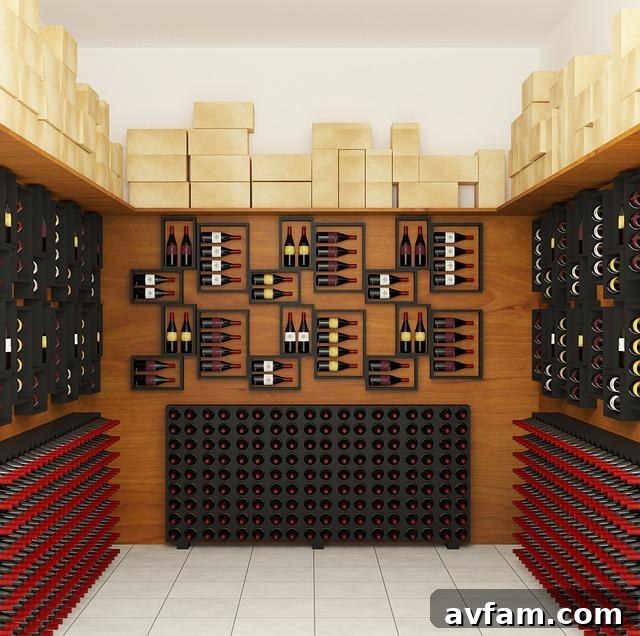
A thoughtfully designed layout is fundamental to simplifying wine storage and significantly improving accessibility for homeowners across Alberta. Effective organization transforms a cluttered space into an intuitive, visually appealing archive. Vertical racks are an excellent solution for maximizing storage capacity in areas with limited floor space, preventing overcrowding while allowing for efficient categorization. Modular shelving systems offer unparalleled adaptability, allowing homeowners to easily adjust and expand their storage as their wine collections naturally grow and evolve over time. Implementing separate zones for different types of wine—distinguishing everyday drinking bottles from special occasion selections or long-term aging investments—streamlines the selection process and protects valuable vintages from unnecessary handling.
Beyond mere storage, the layout should enhance the user experience. Clear pathways are essential, improving movement within the cellar and reducing the risk of accidental breakage, which is particularly important when navigating around fragile glass containers. Adjustable racks are a versatile feature, accommodating a wide variety of bottle shapes and sizes, from standard Bordeaux bottles to wider Burgundy or Champagne styles. An organized layout not only enhances operational efficiency but also significantly preserves the visual appeal of the wine space, transforming it into an attractive showcase rather than a mere storeroom. Thoughtful design elements, such as easily visible labels or color-coded sections, can further aid in quick identification.
Dedicated sections for specific varietals, regions, or even personal tasting notes simplify inventory tracking and significantly reduce the unnecessary handling of bottles. This systematic approach ensures that each bottle is stored optimally, undisturbed until its prime. By planning a smart layout from the beginning, homeowners can create a wine cellar that is both beautiful and highly functional, making the management and enjoyment of their collection effortless and truly rewarding.
Creating Inviting Tasting Areas for Enhanced Enjoyment
A truly wine-friendly space extends beyond mere storage; it encompasses dedicated areas designed for relaxation, contemplation, and convivial conversation. Integrating comfortable seating is paramount, encouraging extended gatherings with guests and family, transforming a storage area into a cherished social hub. The choice of seating, whether plush armchairs, an elegant sofa, or custom bar stools, should prioritize comfort and align with the overall aesthetic. Soft, diffused lighting further enhances the ambiance, creating a warm and intimate atmosphere that complements the sensory experience of wine tasting, while simultaneously protecting stored bottles from harmful light exposure. Accent décor, carefully selected to reflect personal style, adds warmth and character, ensuring the tasting area seamlessly complements the surrounding interior design of the home.
Functionality is key in these social zones. Thoughtfully placed small counters provide essential support for glassware, corkscrews, decanters, and other wine accessories, keeping everything within easy reach. The design of these counters can range from rustic wood to polished granite, depending on the desired aesthetic. Where climate control is a factor, glass partitions can be ingeniously employed to maintain visual connectivity with the wine collection without disrupting the critical temperature and humidity conditions of the storage area. These transparent barriers allow for a breathtaking view of the collection, serving as both a functional divider and a striking design element.
Ultimately, creating inviting tasting areas significantly elevates the enjoyment of your wine collection and substantially boosts your home’s overall value. Thoughtful seating arrangements, coupled with well-planned amenities, encourage relaxed conversations, foster deeper connections, and transform simple wine consumption into a memorable event. In Alberta, where entertaining at home is a cherished tradition, a beautifully appointed wine tasting space becomes an invaluable asset, enriching both lifestyle and property appeal for years to come.
Strategic Lighting for Protection and Ambiance
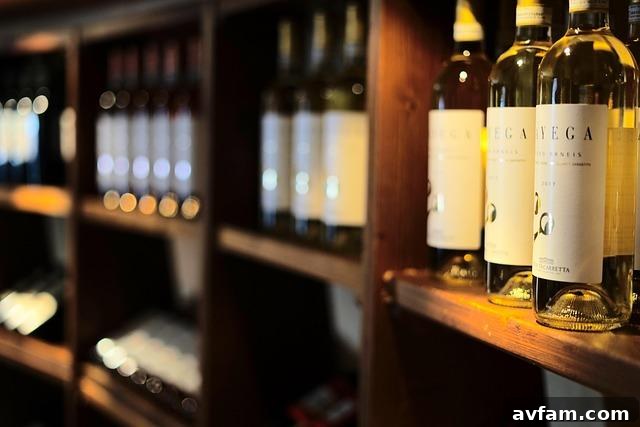
The role of lighting in a wine environment is dual-faceted: it must both protect the integrity of the wine collection and contribute to the overall aesthetic and ambiance of the space. Harsh or excessively bright lighting, particularly sources emitting significant heat or UV radiation, can have detrimental effects on wine quality. Heat generated by improper lighting can elevate the cellar temperature, accelerating the aging process and potentially spoiling the wine. Therefore, soft, ambient lighting is crucial, creating a comfortable and inviting atmosphere without compromising the delicate preservation conditions required for wine. Modern LED fixtures are an ideal choice, as they significantly reduce heat output and consume less energy, making them both wine-friendly and environmentally conscious.
Beyond general illumination, strategic accent lighting can beautifully highlight specific displays, rare bottles, or architectural features within the wine cellar, all while maintaining a subtle and unobtrusive level of illumination. This creates focal points and adds depth to the space without overwhelming the collection or generating unwanted heat. Dimmable options are highly recommended, providing homeowners in Alberta the flexibility to adjust brightness levels to suit various occasions, whether it’s a casual tasting, an intimate dinner, or simply admiring the collection. This adaptability allows for a dynamic environment that can shift from practical to celebratory with ease.
Properly designed lighting is not merely about aesthetics; it is a critical component in safeguarding valuable wine collections. Carefully positioned fixtures minimize glare that could affect bottle visibility, while also preventing direct light exposure that can degrade wine over time. By combining protective functionality with aesthetic enhancement, a well-lit wine space becomes a testament to thoughtful design, ensuring both the longevity of the collection and the enjoyment of the environment.
Planning for Future Growth and Adaptability
Any serious wine enthusiast understands that collections rarely remain static; they frequently expand as homeowners in Alberta discover new vintages, explore different regions, or simply deepen their passion for wine. Therefore, designing a wine-friendly space with future expansion in mind is a testament to foresight and smart investment. Flexible designs that incorporate modular shelving, adjustable racking systems, or easily reconfigurable storage zones are paramount. This allows for the seamless addition of more storage capacity without necessitating costly and disruptive renovations down the line. Beyond bottle storage, providing extra floor space from the outset supports the potential for future additions, such as a larger tasting table, an integrated bar, or other entertainment features that may evolve with lifestyle preferences.
The structural strength of the initial construction is also a critical consideration for future adaptability. Robust foundations and framework allow for the potential installation of mezzanines, additional shelving tiers, or even the incorporation of heavy, specialized equipment without compromising the building’s integrity. Designing multi-purpose areas within or adjacent to the wine space can further enhance its long-term utility, allowing it to adapt not only to growing collections but also to evolving entertainment needs or other hobby-related pursuits. For instance, a section that currently houses wine cases could be designed to eventually accommodate a humidor for cigars or a small, private library nook.
Thoughtful planning at the initial design phase, anticipating potential growth and changes, significantly reduces future renovation costs and minimizes the disruption associated with expansion projects. Expansion-ready spaces remain useful, relevant, and highly functional as homeowners’ preferences and collections evolve over time. This forward-thinking approach ensures that your home wine cellar or studio remains a valuable and dynamic asset, capable of accommodating new discoveries and cherished moments for many years to come.
A meticulously designed wine-friendly environment profoundly enhances residential comfort and quality of life while simultaneously protecting valuable and often irreplaceable collections. The harmonious integration of durable construction, precise climate stability, and thoughtful layouts collectively contributes to long-term satisfaction and enjoyment. Custom steel buildings in Alberta, Canada, offer particularly practical and robust support for homeowners seeking reliable, energy-efficient, and highly customizable wine storage solutions. By embarking on careful planning and considering all the elements discussed, homeowners can ensure the creation of a lasting, beautiful, and functional space that not only complements their lifestyle preferences but also significantly elevates their property appeal and value.