
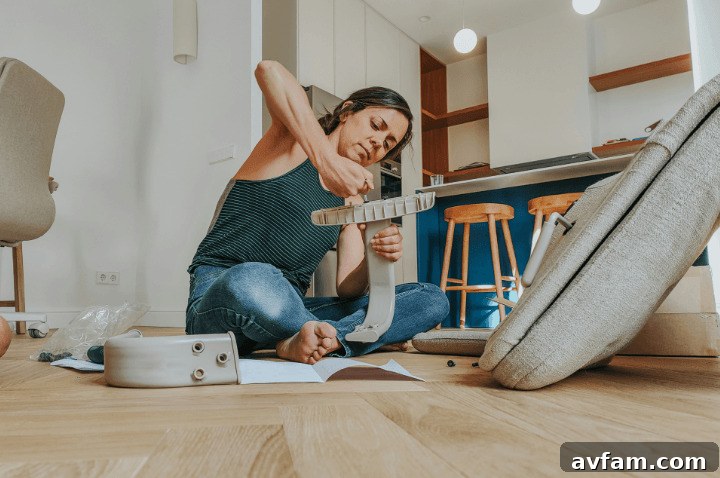
DIY (Do-It-Yourself) projects offer a unique blend of personal satisfaction, creative control, and often significant cost savings. Whether it’s revitalizing a dated kitchen, transforming an outdoor living space with a custom deck, or simply upgrading a garage for better functionality, hands-on home improvement empowers homeowners to actively shape their living environment. This direct involvement can be incredibly rewarding, fostering a deeper connection to one’s home and a sense of accomplishment that store-bought solutions rarely provide. However, the path to DIY success isn’t always straightforward. Experience has repeatedly shown that even seemingly simple home projects can quickly go awry, leading to frustrating delays, unexpected expenses, or, most critically, dangerous situations, particularly when essential aspects like safety protocols and meticulous planning are overlooked or underestimated.
A significant number of home accidents and project failures attributed to DIY work are not merely a stroke of bad luck. Instead, they frequently stem from a predictable pattern of avoidable mistakes. These common pitfalls often include rushing through critical steps, neglecting crucial details during preparation, or a fundamental lack of understanding regarding the materials, tools, and processes involved. A project that appears robust and well-executed on the surface can harbor hidden weaknesses and structural flaws that only manifest under stress, over time, or during an unforeseen incident. Recognizing and actively addressing these prevalent DIY missteps is paramount; it can make the profound difference between achieving a successful, durable, and safe home enhancement and encountering a costly, disheartening, and potentially hazardous setback. By understanding these common errors, homeowners can approach their DIY endeavors with greater confidence, competence, and a significantly reduced risk profile.
The Peril of Skipping Proper Planning Before Starting Your DIY Project
At the heart of every truly successful DIY project lies a comprehensive and meticulously developed plan. This foundational step is not merely a formality; it is the blueprint for success, guiding every subsequent action and decision. When planning is rushed, incomplete, or entirely bypassed, a cascade of errors typically begins to accumulate, often at an alarming rate. Imagine embarking on a construction project without accurate measurements, leading to materials being cut incorrectly, requiring expensive replacements. Or selecting materials based solely on aesthetics rather than long-term durability, compatibility with existing structures, or suitability for the intended environment. Overlooking critical structural factors, such as load-bearing capabilities or the impact of new installations on existing systems, can compromise the entire integrity of your home.
These early missteps are rarely isolated incidents; they frequently necessitate extensive adjustments and costly rework throughout the building process, significantly increasing the likelihood of further errors and project delays. Effective planning also extends beyond the immediate scope of your project, demanding a thorough understanding of how your new addition or modification will integrate with and impact the existing structure of your home. For instance, removing a section of a wall, extending an outdoor deck, or reconfiguring a garage layout can profoundly affect critical elements such as load distribution, the intricate network of electrical wiring, the complex pathways of plumbing, or even the subtle dynamics of moisture flow and ventilation within your property. Without a clear, detailed plan that addresses these interconnected systems, such vital connections are easily missed, leading to unforeseen problems down the line.
The unfortunate result is a project that might appear aesthetically finished and functional on the surface, but covertly lacks the fundamental strength, stability, or long-term resilience required to withstand daily use or environmental pressures. Investing ample time upfront to meticulously map out each and every step of your project, from initial measurements and material sourcing to structural considerations and final finishes, dramatically reduces guesswork and helps ensure the entire build remains on solid, safe ground. This proactive approach minimizes the potential for costly surprises and maximizes the likelihood of a successful, enduring outcome.
What role do permits and local building codes play in DIY projects?
Permits and building codes are not merely bureaucratic hurdles; they are fundamental safeguards designed to ensure that any home improvement work undertaken meets stringent safety, structural, and environmental standards established by local authorities. These regulations are in place to protect not only the homeowner and their family but also future occupants and the surrounding community. Ignoring these crucial requirements can lead to severe consequences, including hefty fines, the forced demolition and removal of completed work at the homeowner’s expense, or, most critically, the creation of unsafe living conditions that pose significant risks. Before even drawing up your initial plans, it is imperative to check local regulations and permit requirements through your municipal building department or local government websites. This essential pre-project step helps proactively avoid legal complications, ensures your build adheres to all mandatory legal and safety expectations, and safeguards your property’s value and insurability.
The Criticality of Understanding Structural Strength and Build Quality
When it comes to home improvement, structural integrity is one area where taking shortcuts or making assumptions can have devastating and lasting consequences. The walls, support beams, framing elements, and foundations of your home are engineered to handle far more than just everyday static loads. They are designed to withstand dynamic pressures, whether from the weight of furniture, the constant movement of occupants, environmental factors like wind and snow, or even unexpected impacts. A compromised structural element can lead to sagging floors, cracked walls, and, in severe cases, partial or complete collapse.
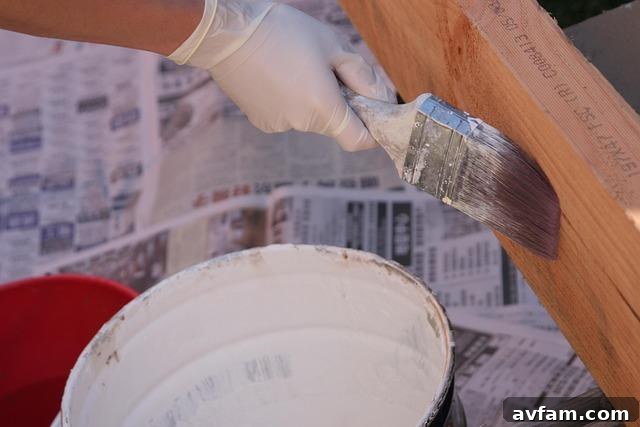
Consider, for a moment, an often-overlooked aspect like paint or other protective coatings, which can play a surprisingly significant role in the overall structural integrity and longevity of homes. Applied correctly, high-quality exterior paint acts as a crucial protective barrier, shielding underlying materials from moisture, UV radiation, and insect damage, thereby extending the life of your home’s exterior and maintaining its structural soundness. Conversely, if an unsuitable type of paint is chosen, applied improperly, or neglected over time, it can trap moisture, accelerate wood rot, or mask developing issues, ultimately leading to long-term structural damage that goes unnoticed until it becomes severe.
Beyond surface finishes, poor structural choices in DIY projects can have dire real-world implications. For instance, improper construction or inadequate reinforcement of walls might render them vulnerable to unexpected forces. This vulnerability was tragically highlighted by an accident in Colorado Springs, where a car drove directly into a home, injuring two people and causing significant structural damage. In such catastrophic situations, part of the structure often needs immediate stabilization to prevent further collapse and ensure safety. Victims of such incidents, where their property is damaged and they suffer injuries due to unforeseen events or even pre-existing structural weaknesses, can connect with a Colorado Springs personal injury lawyer to seek due compensation. According to the Springs Law Group, victims are entitled to seek reimbursement for medical expenses, lost wages due to injury, emotional distress, and property damage. Situations like this powerfully underscore how absolutely critical strong, professionally executed construction is, especially when structures are suddenly subjected to forces no one could possibly plan for. Negligent or poor DIY work can leave homes dangerously vulnerable in these pivotal moments, transforming a potential haven into a hazardous liability.
Misusing Tools and Ignoring Essential Safety Gear: A Recipe for Disaster
Tools are extensions of the DIYer’s hands, and their proper handling is absolutely crucial for both project success and, more importantly, personal safety. Both hand tools and power tools demand a high degree of attention, respect, and skill. A power saw operated with a dull blade, for example, is not only inefficient but also far more prone to kickbacks and slips. Similarly, a grinder used without proper control can lead to devastating injuries in mere seconds. A significant number of tool-related accidents occur when users become overly comfortable or complacent, leading them to bypass basic safety precautions they might otherwise observe.
One of the most common and dangerous habits is neglecting safety gear once the work feels routine or when undertaking “quick” tasks. Eye protection, robust gloves, and adequate hearing protection might seem cumbersome or unnecessary for a brief cut or a fast drilling job. However, it is precisely in these seemingly minor or rushed moments that mistakes are most prone to happen. A small slip, an unexpected shard of material, or a sudden movement can lead to serious and irreversible consequences without the correct protection in place. A clean, well-organized, and properly lit workspace is another non-negotiable aspect of tool safety. Good lighting eliminates shadows and improves visibility, stable work surfaces prevent materials from shifting unexpectedly, and clear pathways reduce the risk of tripping over tools or debris. Moreover, proper ventilation is essential, especially when working with paints, solvents, or producing significant dust.
It’s also essential for DIYers to understand which tools require the highest level of precaution, often counter-intuitively, it’s not always the most powerful ones. Data consistently show that common household tools, such as hammers, screwdrivers, and wrenches, are collectively responsible for a disproportionately high number of injuries. For example, reports indicate that these ubiquitous hand tools accounted for a substantial 23.48% of all tool-related injuries in the US in 2024, translating to approximately 119,798 recorded incidents. This highlights that familiarity can breed complacency, making it vital to treat even the simplest tools with the same respect and caution as complex power equipment.
How often should DIY tools be inspected or maintained for safety?
The frequency of tool inspection and maintenance directly correlates with their safe and efficient operation. All DIY tools, particularly power tools and those used frequently, should undergo a thorough inspection before every major use. This routine check should include examining electrical cords for fraying or damage, ensuring batteries are properly charged and free of defects, verifying that blades are sharp and securely attached, and confirming that all safety guards and features are in place and functioning correctly. Loose components, unusual noises, or electrical issues are red flags that should never be ignored. Beyond pre-use checks, regular maintenance, such as sharpening dull blades, lubricating moving parts, cleaning dust and debris from motors and vents, and replacing worn-out components, is crucial. This proactive approach ensures tools perform efficiently, extends their lifespan, and, most importantly, significantly reduces the risk of unexpected malfunctions or accidents during operation.
The Hidden Dangers of Rushing Electrical and Plumbing Work
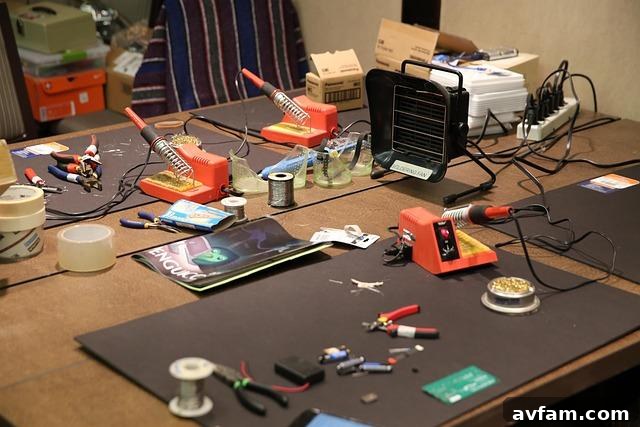
Electrical and plumbing systems are the lifeblood of any modern home, complex networks that demand a methodical approach, precise execution, and an unwavering attention to detail. These are not areas where guesswork or hurried efforts can be tolerated. Rushing through tasks involving wiring or pipes almost inevitably leads to problems that are not immediately apparent, often remaining hidden until they escalate into serious issues. Loose wiring connections can create fire hazards or intermittent power failures. Overloaded circuits can trip breakers, damage appliances, or, in worst-case scenarios, ignite electrical fires. Similarly, poorly sealed pipes or incorrectly fitted fixtures can result in slow leaks that lead to extensive water damage, mold growth, compromised structural elements, and exorbitant repair costs down the line.
Many eager DIYers, relying heavily on quick online tutorials or simplified guides, often make the critical assumption that all homes are uniform in their electrical and plumbing layouts. In reality, the age, design, and previous modifications of a home introduce immense complexity. Older wiring systems may not be up to current code standards, outdated plumbing can be brittle or incompatible with modern fixtures, and inconsistent layouts can present unique challenges that generic tutorials fail to address. What works for a new build might be disastrous for a century-old home.
Small mistakes in these highly sensitive areas tend to compound and grow over time, transforming minor oversights into major structural or safety hazards, ultimately making repairs far more expensive, disruptive, and dangerous. Taking the necessary extra time to meticulously double-check every connection, test systems thoroughly before concealing them, and rigorously adhere to proper industry standards and local codes is not just good practice—it’s essential for preventing these insidious hidden risks from developing into full-blown crises. DIY electrical work, for instance, is a notorious source of common issues such as faulty outlets, improperly installed extension cords, and critical wiring problems. These seemingly minor blunders are frequently the root cause of electrical fires, which tragically result in hundreds of deaths and injuries annually across the country, and cause property damage exceeding over a billion dollars every single year. The severe consequences underscore why such projects should ideally be handled by certified professionals or, if attempted by a DIYer, approached with extreme caution, extensive research, and professional consultation.
How can water pressure issues affect DIY plumbing work?
Water pressure is a crucial, yet often overlooked, factor in DIY plumbing projects. Incorrect water pressure, whether excessively high or unusually low, can significantly strain the entire plumbing system. High pressure can relentlessly stress pipes, joints, and fixtures, leading to premature wear, frequent leaks, noisy ‘water hammer’ effects, and even catastrophic pipe bursts over time. Conversely, excessively low pressure can result in inadequate water flow, making showers frustrating and appliances inefficient. DIYers often neglect to assess or regulate existing water pressure, which can compromise the long-term reliability and integrity of any new installation or repair. Implementing pressure regulators at the main water line, ensuring pipes are correctly sized for expected flow, and thoroughly testing the entire system after installation are critical steps. These measures help guarantee optimal water pressure, prevent potential damage, and ensure the long-term reliability and efficiency of your DIY plumbing work.
While DIY work unequivocally grants homeowners the unparalleled freedom to improve, customize, and personalize their living spaces, it simultaneously comes with a significant and inherent responsibility. The most common and impactful mistakes in DIY are often the simplest ones—ranging from skipping the crucial planning phase to rushing through intricate tasks, or dangerously overlooking fundamental safety measures. These seemingly minor decisions, often driven by a desire for speed or cost savings, can culminate in serious accidents and failures that negatively affect not only the structural integrity of the home but also the safety and well-being of the people who inhabit it.
A truly well-executed home improvement project transcends mere appearance. It stands as a testament to careful preparation, the application of proper techniques, and a profound understanding of how each individual component of the build interacts and contributes to the overall system. By taking the time to approach each and every DIY project with the right mindset—one that prioritizes meticulous planning, diligent execution, and an unwavering commitment to safety—homeowners can confidently create results that are both aesthetically pleasing, exceptionally durable, and, most importantly, inherently safe. This conscientious approach dramatically reduces the risk of costly, preventable accidents and ensures that the satisfaction derived from a DIY project is long-lasting and truly well-earned.