

Creating a peaceful and healthy home environment begins with the fundamentals: immaculate rooms, serene spaces, and fresh, invigorating air from the moment you step inside. For those residing near bustling roadways, achieving that last point often requires careful consideration and proactive planning. Modern research highlights that approximately 83% of Americans live in urban settings, meaning a significant portion of daily life unfolds in close proximity to traffic emissions, road dust, and ongoing construction activities.
Living near high-traffic corridors inevitably brings outdoor pollution closer to our most personal indoor spaces, including bedrooms, kitchens, and living areas. The American Lung Association has underscored the severity of this issue, reporting that nearly half of all Americans regularly breathe dangerously polluted air. This concerning statistic emphasizes the urgent need for effective strategies to protect our homes.
This comprehensive article will explore a range of straightforward yet highly effective measures designed to shield your home from the pervasive threat of outdoor air pollution. By implementing these practical steps, you can significantly enhance your indoor air quality, making your living spaces feel noticeably cleaner, healthier, and more comfortable for everyone.

Understanding the Long-Term Health Risks of Near-Road Pollution
The impact of living near busy roads extends far beyond mere discomfort. The U.S. Environmental Protection Agency (EPA) has established clear links between near-road air pollution exposure and a range of serious health complications, including debilitating breathing problems, significant cardiovascular harm, and even premature mortality. A particularly grave concern is diesel exhaust, which the American Cancer Society has unequivocally classified as carcinogenic to humans, meaning it has the potential to cause cancer.
Communities situated near rail yards face an additional layer of exposure risk, as freight operations can dramatically increase the concentration of diesel particulate matter in the surrounding atmosphere. The growing number of railroad cancer lawsuit incidents has brought this serious concern into sharper public focus. Reports from legal experts like Gianaris Trial Lawyers indicate that these lawsuits are frequently filed by former railroad workers who attribute severe illnesses to years of exposure to diesel exhaust in their professional lives. Crucially, the long-term health risks associated with such exposure are not confined to the workplace; individuals living in close proximity to these industrial zones can face similar, chronic health challenges.
The closer your residence is to sources of heavy vehicle activity, whether it’s a major highway, a busy urban thoroughfare, or an active rail yard, the more critical it becomes to adopt proactive and practical measures to safeguard the air within your home. In the following sections, we will meticulously outline simple yet highly effective strategies to help protect your home’s indoor environment from the persistent pollution that often accompanies living in high-traffic areas.
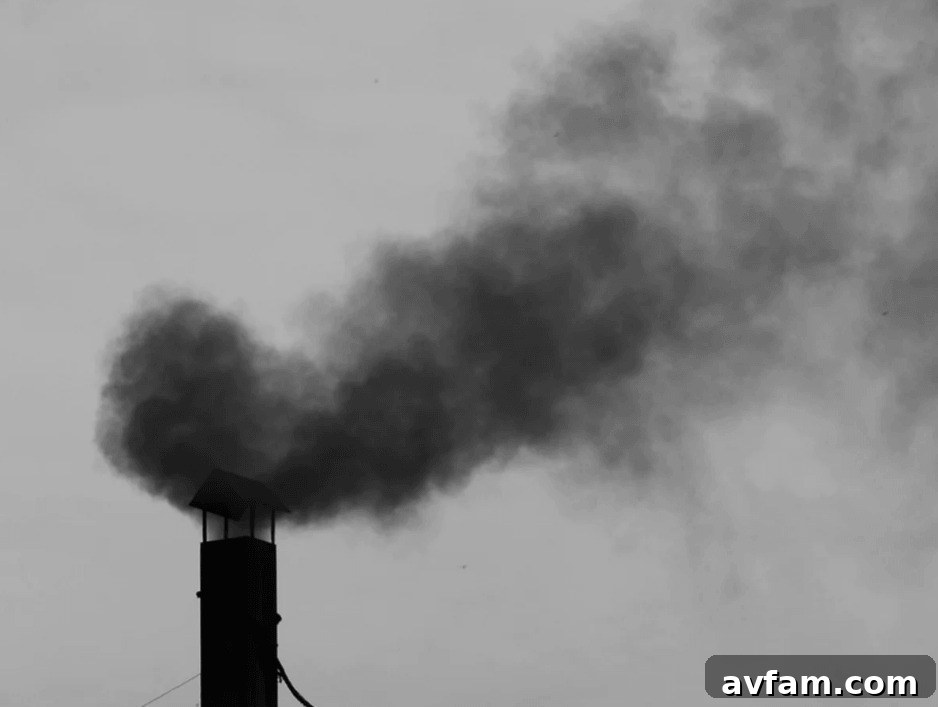
Essential Strategies to Drastically Improve Indoor Air Quality Near Busy Roads
As we’ve firmly established, the pollutants generated by traffic do not remain confined to the outdoors for long. Microscopic fine particles, often invisible to the naked eye, can effortlessly infiltrate your home through seemingly small openings such as doors, windows, ventilation systems, and even minute structural leaks. Once inside, these particles can linger in the air for extended periods or settle onto various surfaces, including furniture, carpets, and drapes. The encouraging news is that a few intelligent and deliberate adjustments to your home environment can significantly reduce the accumulation of these indoor pollutants, creating a noticeably healthier and more pleasant living space.
Upgrade Your Air Filtration Systems for Optimal Performance
The most crucial initial step in combating traffic-related indoor pollution is to optimize your home’s air filtration capabilities. Traffic pollution is predominantly composed of fine particulate matter (PM) that can easily bypass standard barriers and remain suspended indoors. Research confirms that indoor particulate matter levels are consistently significantly higher near busy roads. Therefore, a critical upgrade involves replacing your standard furnace and HVAC filters with higher-efficiency models. Look for filters with a Minimum Efficiency Reporting Value (MERV) rating of 11 to 13, as these are highly effective at capturing smaller particles without unduly restricting airflow in most residential systems. Regular replacement, typically every 1-3 months, is essential to maintain their effectiveness.
Beyond your central HVAC system, portable air purifiers offer an excellent supplementary layer of protection. These devices have been scientifically proven to substantially lower indoor concentrations of carbon dioxide, PM2.5, PM10, and volatile organic compounds (VOCs). For maximum impact, strategically place these units in areas where occupants spend the most time and where exposure is most constant, such as bedrooms, nurseries, and main living rooms. When selecting a portable air purifier, prioritize models with true HEPA filters for particulate removal and activated carbon filters for gas and odor absorption. Ensure the unit’s Clean Air Delivery Rate (CADR) matches the size of the room it will be operating in for optimal performance.
Seal All Potential Entry Points to Block Pollution
While robust air filtration is vital, its effectiveness is greatly enhanced when the ingress of polluted outdoor air is minimized. Even tiny, seemingly insignificant leaks around your home can act as conduits, continuously drawing in exhaust fumes, fine particles, and road dust without being immediately obvious. Begin your sealing efforts by meticulously inspecting common drafty areas: around windows and door frames, attic access points, poorly sealed exhaust vents (like those for dryers or bathrooms), and any exposed duct joints in your HVAC system.
Implementing simple sealing solutions can yield remarkable results. High-quality weather stripping can seal gaps around doors and operable windows, while caulk is ideal for filling cracks around stationary window frames, utility penetrations, and exterior wall junctions. For ductwork, specialized mastic sealant or foil-backed tape can prevent conditioned air from escaping and polluted air from entering the system. Taking this proactive step significantly reduces the initial amount of pollution entering your home, meaning your air cleaners and HVAC filters don’t have to work as strenuously, thereby extending their lifespan and improving their overall efficiency. This is one of the most cost-effective ways to ensure indoor air feels consistently cleaner and more stable.
Implement an Effective Entryway Cleaning Routine
A cleaner and healthier home environment truly begins at the doorstep, as this is the primary zone where a substantial amount of outdoor residue and pollutants are first introduced. Establishing a consistent and easy-to-follow entry routine can make a world of difference. Encourage family members and guests to remove shoes, outer layers (coats, jackets), and bags in a designated area near the entrance, rather than tracking everything through the entire house. This simple habit drastically reduces the spread of outdoor contaminants.
Placing a durable, washable doormat outside your entrance provides the first line of defense, effectively scraping off dirt and debris from footwear. Adding a second, absorbent mat just inside the door creates an additional layer of protection, trapping even finer particles. If your home is situated in close proximity to steady traffic, enhancing your regular cleaning schedule is imperative. Vacuuming rugs, carpets, and upholstered furniture more frequently, ideally with a vacuum cleaner equipped with a HEPA filter, can significantly reduce the accumulation of embedded pollutants. Scientific research has demonstrated that traffic-related pollution can and does build up within household dust. While this step alone won’t eliminate all outdoor exposure, it is highly effective at minimizing how much of that particulate matter keeps circulating throughout your indoor living spaces.
Strategically Manage Window Opening for Optimal Air Quality
Opening windows can be a wonderfully refreshing way to air out a home, but for those living near busy roads, strategic timing is paramount. Indiscriminately opening windows when the outdoor air is heavy with traffic pollution can paradoxically allow an influx of fine particles, vehicle exhaust, and other airborne contaminants to drift into your home and settle on surfaces. Instead of relying on a “set it and forget it” approach, adopt a more informed ventilation strategy.
Before opening any windows, make it a habit to check local air quality reports or use dedicated air quality monitoring apps. These tools provide real-time data on pollutant levels, allowing you to choose optimal times for natural ventilation. Generally, the best times to open your windows are during periods of lower traffic, such as early mornings, late evenings, or during weekends when traffic volume typically decreases. These are the ideal moments to allow fresh air to circulate, effectively clear out stale indoor air, and naturally refresh your rooms. Conversely, when traffic is heavy, during peak commuter hours, or if the outdoor air visibly appears hazy and polluted, it is far more advisable to keep windows tightly shut. If your HVAC system features a “recirculate” option, utilizing this setting can help filter existing indoor air without drawing in new outdoor pollutants, contributing to a much cleaner home environment over time.
Achieving a Cleaner Home: A Journey of Consistent and Mindful Effort
While the presence of traffic, dust, and outdoor pollution may be an unavoidable aspect of your immediate surroundings, these external factors do not have to dictate the quality and comfort of your home’s interior. A genuinely calmer, healthier, and more inviting indoor space is typically the result of implementing small, practical habits that seamlessly integrate into your daily life and are simple to sustain over time. The cumulative effect of these seemingly minor changes can be profound, transforming your living environment.
Even the adoption of just one or two of the strategies outlined in this article can lead to a noticeable improvement in your indoor air quality, making the air feel fresher and your home significantly more comfortable. The key is to keep your approach simple, remain consistent with your efforts, and allow each new habit sufficient time to demonstrate its positive impact. The ultimate goal is to cultivate a living space that feels genuinely better in ways you can consciously perceive and appreciate. That palpable improvement represents a solid foundation for a healthier home and a truly welcoming feeling to return to each day, fostering peace and well-being within your personal sanctuary.