
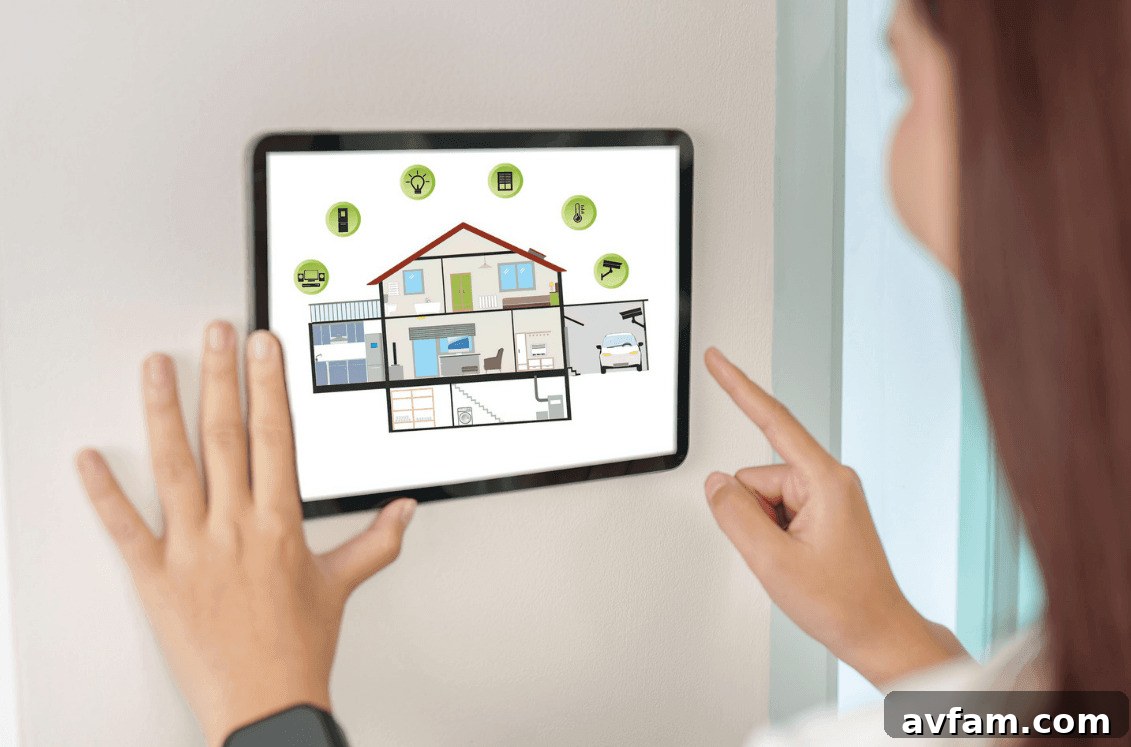
In today’s dynamic real estate landscape, smart home capabilities have emerged as a paramount consideration for homeowners aiming to significantly enhance their property’s resale value. Modern buyers are actively seeking residences that offer advanced conveniences, seamlessly integrating comfort, efficiency, and security into daily life without the need for extensive renovations post-purchase. These technological advancements are no longer mere luxuries but increasingly perceived as essential components of a contemporary living space.
Strategically implementing the right smart home technologies not only elevates a property’s attractiveness and competitiveness in a bustling market but also profoundly enriches the day-to-day living experience for its current occupants. The key lies in selecting upgrades that are practical, reliable, and universally beneficial, steering clear of overly specialized or complex systems that might not resonate with the broader spectrum of potential purchasers. A well-chosen smart home system adds tangible value and future-proofs an investment.
The transition from traditional homes to interconnected smart residences reflects a global shift in consumer expectations. Buyers are more informed and tech-savvy than ever before, recognizing the long-term benefits of a home designed for the future. From immediate energy savings to enhanced security protocols and unparalleled convenience, smart features are becoming non-negotiable elements that distinguish a property and command a higher asking price. Understanding these evolving demands is crucial for any homeowner looking to maximize their return on investment.
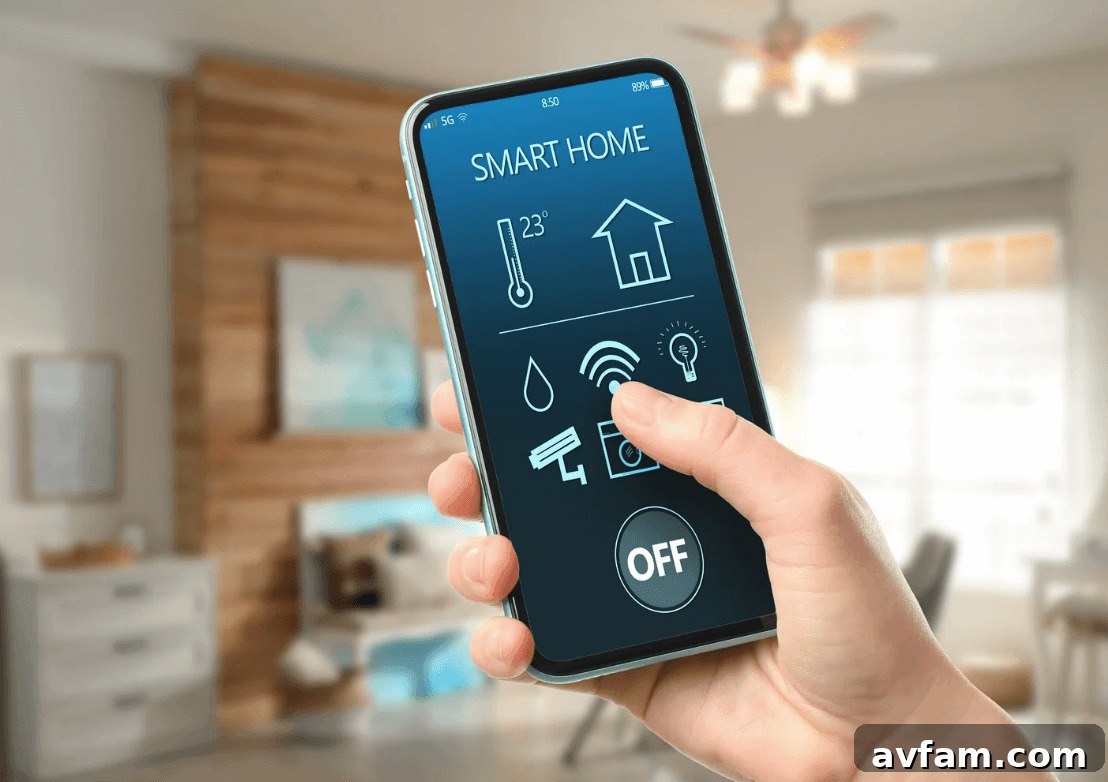
Planning Smart Home Installation Priorities for Maximum ROI
Before embarking on any smart home installation, it is absolutely essential to meticulously plan which smart home features will deliver the most value and appeal. Not all technologies offer the same level of market desirability, making a thoughtful planning phase critical to prevent unnecessary expenditures and ensure that upgrades genuinely align with the expectations of buyers in your local real estate market. Researching current trends and consulting with local real estate professionals can provide invaluable insights into what features are most sought after.
A primary focus should be placed on systems that significantly bolster security, improve energy efficiency, and offer superior convenience. These three pillars consistently rank as top priorities for prospective buyers across various demographics. Homes that promise a safer environment, lower utility bills, and a more streamlined daily routine inherently possess a stronger market appeal. These are the fundamental aspects that universally resonate with individuals and families looking for their next home.
Furthermore, homeowners must meticulously consider the interoperability and interaction between various smart home systems. An integrated, cohesive plan from the outset can circumvent future compatibility issues, providing a seamless and intuitive experience for anyone interacting with the home’s technology. Easy-to-use, unified systems that can be controlled through a single interface or application are far more attractive than a collection of disparate technologies requiring multiple apps or complex configurations. Simplicity and consistency are key to user adoption and satisfaction, directly translating to higher perceived value.
Evaluating the potential return on investment (ROI) for each smart home upgrade is also a critical step. While some features offer immediate benefits to the current owner, others are primarily geared towards boosting resale value. A balanced approach that considers both short-term enjoyment and long-term financial gain will ensure that every investment in smart technology is a strategic one. Prioritizing widely adopted and user-friendly technologies often yields the best results in the competitive real estate market.
Choosing Smart Systems Aligned With Property Type and Future-Proofing
The optimal selection of smart home upgrades often varies significantly depending on the specific type of property. A compact urban condo, for instance, might benefit most from advanced small-scale security solutions and intelligent lighting systems, which optimize space and enhance perceived safety in a multi-unit dwelling. Conversely, a larger single-family home could gain immense value from integrated climate control systems across multiple zones and comprehensive multi-room automation, addressing the complexities of managing a larger footprint. Aligning upgrades with the property’s size and inherent characteristics ensures maximum usefulness and perceived value for its target buyer.
Another crucial element to consider is the long-term maintenance and sustainability of the chosen systems. Buyers are increasingly discerning, preferring smart home technologies that are easy to manage and supported by well-known, reputable manufacturers. Opting for trusted brands and popular, widely supported technologies significantly mitigates concerns about future component replacement, software updates, or troubleshooting. This foresight provides future owners with peace of mind, knowing their smart home investment will remain functional and up-to-date for years to come, without burdensome maintenance demands.
Scalability is also a vital factor. While you might install a core set of smart features initially, consider systems that can be expanded or upgraded in the future as technology evolves or as a new owner’s needs change. This adaptability makes a property more appealing to a wider range of buyers and demonstrates a forward-thinking approach to home design. Investing in open-standard platforms, where possible, can help achieve this flexibility, avoiding proprietary systems that limit future options.
Enhanced Security Systems and Building Buyer Confidence
Among the most compelling selling propositions of smart home technology is its profound impact on security. The seamless integration of high-definition cameras, sophisticated motion sensors, and remote monitoring systems cultivates an unparalleled sense of safety and protection, which is a powerful psychological factor in buyer decision-making. Potential buyers are demonstrably more inclined to pay a premium for a property where they feel secure, recognizing the value of peace of mind in their investment.
Modern smart security systems empower homeowners with the ability to vigilantly oversee their premises from virtually anywhere in the world, a convenience that is both reassuring and highly practical. This capability is particularly attractive in today’s fast-paced world, appealing to frequent travelers, busy professionals, and families alike. In competitive housing markets, where buyers often assess numerous properties in a compressed timeframe, a home equipped with advanced security features can stand out as a beacon of safety and modern living.
Beyond deterring intruders, smart security systems also offer environmental monitoring capabilities. Sensors that detect smoke, carbon monoxide, water leaks, or even extreme temperature changes can alert homeowners to potential hazards before they escalate into costly damages. This holistic approach to home protection further elevates the perceived value and safety of a property, showcasing a comprehensive commitment to well-being.
Smart Locks and Advanced Monitoring Solutions for Modern Living
Further augmenting both convenience and security, smart locks represent another highly desirable upgrade. These innovative devices offer keyless entry, the ability to generate temporary access codes for guests or service providers, and remote locking/unlocking functionalities. Such features are incredibly attractive during property showings, providing flexible access for real estate agents, and simplifying the transition of ownership. The elimination of physical keys, combined with the sophisticated control offered by smart locks, lends a distinctly contemporary and high-tech feel to any home, immediately capturing buyer interest.
In most real estate scenarios, it is the real estate agents who actively highlight these sophisticated smart security features as a key differentiator when marketing a house. They are instrumental in positioning a home advantageously in a crowded market. A well-coordinated suite of smart security systems conveys a powerful message: the property is meticulously maintained, technologically advanced, and designed for modern living. This perception can significantly boost buyer interest and positively impact the property’s overall market valuation, turning casual inquiries into serious offers.
Beyond mere access, many smart lock systems integrate with broader home automation platforms, allowing for custom routines. For example, a “leaving home” routine could automatically lock all doors, arm the security system, adjust the thermostat, and turn off lights with a single command. This level of integrated convenience is a powerful selling point, demonstrating how smart technology can simplify daily tasks and enhance peace of mind.
Revolutionizing Homes with Energy Management and Efficiency Upgrades
Energy efficiency has rapidly ascended to become a critical concern for a vast majority of homebuyers, especially with the continuous escalation of utility costs. Smart home functionalities that actively contribute to monitoring, managing, and ultimately reducing energy consumption make a house not only more appealing but also a more economically sensible long-term investment. Integrating intelligent electrical appliances, smart plugs, and advanced energy monitoring dashboards clearly demonstrates that a house is at the forefront of technological innovation and designed for practical economy.
Such energy-efficient upgrades also align perfectly with the growing environmental consciousness of modern buyers. A home equipped with sustainable and energy-saving technologies will invariably feature prominently in property listings, drawing significantly more attention during the initial phases of the purchase process. This demonstrates a commitment to a greener lifestyle and contributes to a home’s overall perceived value, appealing to a demographic increasingly concerned with ecological footprint.
Moreover, the integration of smart energy solutions can often qualify a home for specific energy efficiency certifications or incentives, which can be further selling points. These certifications provide objective proof of a home’s reduced energy needs, offering tangible benefits that buyers can appreciate, such as lower monthly operating costs and a reduced carbon footprint. This foresight in design and technology appeals to both their wallets and their values.
Smart Thermostats: A Cornerstone of Utility Savings and Comfort
Among the most widely adopted and highly valued energy-saving upgrades are smart thermostats. These intelligent devices transcend the capabilities of traditional thermostats by allowing homeowners to remotely control heating and cooling systems, gain detailed insights into their energy usage patterns, and automatically regulate temperatures based on occupancy, learned preferences, or even external weather conditions. This sophisticated level of control is instrumental in minimizing energy wastage while simultaneously maintaining optimal indoor comfort levels, leading to significant efficiencies.
Over the long term, the cumulative savings on utility bills facilitated by smart thermostats can be substantial, making them an incredibly compelling selling point. Buyers perceive these systems not merely as an additional feature but as a smart, efficient investment that will continue to deliver financial savings well after the property purchase. This adds tangible, enduring value to the property, demonstrating a forward-thinking approach to home management and cost reduction.
Many smart thermostats also offer multi-zone capabilities, allowing different areas of the home to be heated or cooled independently. This level of granular control is particularly attractive in larger homes, where it can drastically cut down on wasted energy by only conditioning occupied spaces. The ability to integrate with other smart home devices, such as occupancy sensors, further enhances their efficiency and overall appeal, solidifying their status as a must-have modern upgrade.
Automated Lighting Systems: Enhancing Ambiance and Security
Another significant upgrade that brings both enhanced convenience and a refined atmosphere to a home is automated lighting. Smart lighting systems empower homeowners to effortlessly program lighting schedules, remotely adjust brightness levels, and set a multitude of environments to suit different times of the day or specific activities. This advanced functionality not only significantly contributes to energy efficiency by ensuring lights are only on when needed but also dramatically elevates the overall ambiance and aesthetic appeal of the home, creating a more inviting and sophisticated living space.
Beyond aesthetics and energy savings, these intelligent lighting systems also play a crucial role in bolstering home security. By automatically simulating occupancy through scheduled or random light activation, they can create the illusion that someone is at home, even when the property is vacant. This subtle yet effective deterrent can significantly reduce the risk of unwelcome attention. This dual functionality — combining energy efficiency, mood enhancement, and robust security — instills a greater sense of confidence in buyers and adds an extra dimension of perceived value to the home.
Advanced smart lighting systems can also adapt to natural light levels, dimming or brightening automatically throughout the day to conserve energy and optimize comfort. Some even offer circadian rhythm lighting, which adjusts color temperature to mimic natural daylight cycles, promoting better sleep and overall well-being. These subtle yet impactful features contribute to a holistic smart home experience that buyers increasingly seek.
The Power of Voice Control for Seamless Daily Convenience
The integration of voice-controlled systems has gained immense prominence and become an expected feature in modern homes. These intuitive platforms allow users to operate a wide array of home functions, including lighting, temperature, and entertainment systems, using simple, natural voice commands. This level of hands-free operation is particularly attractive to consumers who prioritize convenience, appreciate simplified lifestyles, and seek a truly effortless interaction with their living environment.
A thoughtfully combined and well-integrated voice control system can create a remarkably seamless user experience across a multitude of devices and functionalities within the home. This elevated form of integration not only streamlines daily routines but also positions the home at a higher echelon of technological sophistication. Such an impactful demonstration of integrated control can leave a lasting and powerful impression during property viewings, showcasing a truly modern and responsive living space that resonates deeply with prospective buyers.
The accessibility benefits of voice control are also noteworthy. For individuals with mobility challenges or those who simply prefer not to fiddle with switches and apps, voice commands offer an empowering and convenient alternative. This universal appeal further broadens the market for homes equipped with robust voice control, demonstrating inclusivity and thoughtful design.
Prioritizing System Integration and Compatibility for a Unified Smart Home
Ensuring that all smart home systems seamlessly integrate and communicate with each other is arguably one of the most crucial aspects of any successful smart home installation. Interoperability is key; it significantly lessens potential frustrations for users and vastly enhances the overall usability and effectiveness of all connected devices, both for current occupants and future consumers. An expertly integrated system, where all components work harmoniously together, is invariably more appealing and functional compared to a disjointed collection of unrelated technologies that operate in isolation.
Selecting platforms and ecosystems that support cross-device compatibility and enable centralized control will invariably contribute to a more fluid and intuitive user experience. This strategic approach to integration ensures that the entire house feels cohesive, smart, and up-to-date, rather than appearing as a jumbled assortment of disparate gadgets or an overly technical, complex setup. A unified system signifies thoughtful design and a superior living experience.
Consider the core protocols and hubs that facilitate this integration. Systems built on open standards like Zigbee, Z-Wave, or Wi-Fi, often managed by a central hub, tend to offer greater flexibility and future-proofing. This allows for easier expansion and compatibility with new devices as they emerge, protecting the initial investment and ensuring the smart home remains cutting-edge.
Preparing a Property for Unrivaled Market Appeal with Smart Features
Before officially listing a property on the market, it is absolutely crucial to meticulously ensure that all installed smart home systems are in optimal working condition, fully charged, and, most importantly, user-friendly. Providing clear, concise instructions and ensuring easy-to-use controls can make a monumental difference in shaping buyers’ perceptions of the home during showings. A well-prepared and seamlessly functioning smart home system strongly implies that the entire property has been diligently cared for and maintained with thoughtful consideration, reflecting positively on the homeowner’s attention to detail.
In competitive markets, such as the Hamilton real estate landscape, smart home features can provide a distinct and powerful advantage, helping a property stand out from the crowd. When homes are often compared within short periods, these modern upgrades can significantly sway buyer decisions. Properly selected and meticulously presented technology can reinforce more powerful offers and contribute substantially to attracting serious attention from highly qualified buyers. It transforms a house from merely a structure into a modern, desirable lifestyle proposition.
Consider creating a simple “smart home guide” for potential buyers, highlighting key features, ease of use, and estimated cost savings. During showings, real estate agents should be well-versed in demonstrating these features, showing not just what the technology *is*, but what it *does* for the homeowner. A live demonstration of smart lighting or voice control can be far more impactful than simply mentioning the features on a listing sheet. This comprehensive approach to preparation and presentation maximizes the impact of your smart home investment and accelerates the sales process.