

Designing Your Dream Home: Future-Proofing for a Thriving Family
As your family grows and evolves, so too should your home – transforming from simple living spaces into dynamic, nurturing havens that beautifully support play, learning, relaxation, and the joyful chaos of everyday life. In the United States, the aspiration for larger families remains a significant trend, with a recent Gallup survey indicating that the ideal family size is often perceived as more than two children. Specifically, 40% of Americans believe two children is optimal, while a substantial 27% desire three kids, 11% aim for four, and 4% envision even larger families. This growing desire for bigger families underscores the need for homes that can adapt and expand with their occupants.
Whether you’re celebrating the arrival of a newborn, navigating the vibrant energy of toddlers, or gracefully blending multi-generational living under one roof, the dream of homeownership often translates into the practical necessity of retrofitting or intelligently designing your living space. Smart preparation is the cornerstone of creating an environment where every family member feels safe, organized, and truly happy. The core principles for this transformation revolve around flexibility, ample storage, paramount safety, optimal light and air quality, and a harmonious connection to the outdoors.
This comprehensive guide will delve into actionable, design-forward strategies to help you future-proof your home, ensuring it not only meets the demands of today but also gracefully accommodates every joyful family milestone to come.
Adopt a Flexible Layout for Evolving Needs
The foundation of a family-friendly home lies in its layout, which, according to design experts like House Beautiful, should be the primary consideration. For young families with babies and toddlers, open-concept floor plans are frequently recommended due to their ability to foster connectivity and allow for easier supervision. However, the true test of a family home’s layout is its inherent flexibility, acknowledging that children’s needs shift dramatically – from the necessity of a crib to the demand for a dedicated homework nook, often seemingly overnight.
Begin your transformation by meticulously assessing your current floor plan. Open-concept living areas are perfect for lively playdates, family gatherings, and fostering a sense of togetherness. Yet, the introduction of removable partitions or strategic furniture placement can effortlessly create private zones for quiet study, focused work, or simply a moment of solitude. If structural changes are an option, consider breaking down non-load-bearing fixed walls to open up space, but always consult local building codes and a structural engineer to ensure safety and compliance. For less permanent solutions, innovative sliding barn doors, elegant room dividers, or even large, multi-panel bifold doors offer adaptable ways to modify space without committing to permanent renovations.
For growing families, the concept of designating specific “zones” within a larger space is incredibly effective. Imagine a central family command center near the kitchen, equipped with charging stations for devices, a shared calendar for appointments, and perhaps a message board for daily reminders. A cozy reading nook can initially serve as a quiet retreat, later transforming into an inspiring study space for school-aged children. Large area rugs are fantastic tools for visually defining play areas in an open room without the need for walls, while stackable ottomans or modular seating can provide extra seating for guests or play, and then neatly tuck away when not needed. Investing in versatile, multi-functional furniture like extendable dining tables or modular shelving units ensures that your space can evolve as rapidly as your family does, minimizing the need for constant redecoration and maximizing your home’s long-term utility.
Maximize Storage to Conquer Clutter
Regardless of its square footage, a growing family often feels like it can never have enough space. The influx of children’s toys, clothing, books, and gear can quickly lead to an overwhelming tide of clutter, threatening to consume every available surface. However, this challenge can be effectively conquered with smart, strategic storage solutions that are both practical and aesthetically pleasing. The key is to think vertically and creatively.
Harness the often-underutilized vertical space by installing floor-to-ceiling shelving units, which can dramatically increase storage capacity in living areas, bedrooms, or even hallways. Under-bed drawers are invaluable for stashing seasonal clothes, extra bedding, or rarely used items, thereby freeing up precious closet space. Custom built-ins can be designed to fit awkward nooks and crannies, offering bespoke storage that integrates seamlessly with your home’s design.
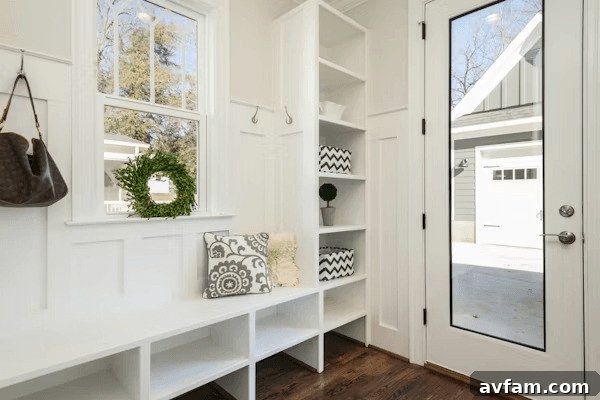
In the kitchen, storage hacks shine, making daily life with kids much smoother. Pull-out pantry shelves bring contents to you, preventing forgotten items, and can be designed at lower levels for children to access their own snacks or plates, fostering independence. Magnetic knife strips, traditionally for cutlery, can ingeniously double as holders for kid-friendly utensils or even small metal-backed art projects. In bedrooms, over-door organizers provide discreet storage for diapers, small toys, or sports gear, keeping essentials close at hand but out of sight. For garages, overhead racks are a game-changer for storing larger, less frequently used items like holiday decorations, sports equipment, or bulk supplies, effectively reclaiming up to 20% more usable floor space.
To involve children in the organization process and instill good habits early, use chalkboard paint or clear labels on bins and baskets for easy toy rotation and identification. This not only keeps things tidy but also teaches kids the art of putting things away. When planning your storage, aim to build in 10–15% more capacity than your current needs to comfortably accommodate future growth spurts and the inevitable accumulation of new items, especially during holidays when toys seem to multiply. By providing specialized, accessible storage spaces, you empower your children to learn and practice organizational skills, contributing to a more harmonious and less stressful home environment for everyone.
Prioritize Safety for Peace of Mind
For American parents, ensuring the safety of their children is a constant, often sleep-depriving concern, particularly given the potential hazards posed by various everyday objects and products. Consumer Reports has repeatedly flagged numerous items as unsafe for little ones, including infant neck floats, baby loungers, weighted blankets, and water beads, which can present choking or suffocation risks. Even seemingly benign items like certain swaddles and sleep sacks have been identified as posing risks if not used correctly. The ongoing Similac lawsuit further underscores the critical importance of product vigilance, highlighting the severe dangers associated with cow-milk-based formulas for premature infants, many of whom have suffered from necrotizing enterocolitis (NEC), a devastating intestinal disease, as noted by TorHoerman Law. These examples illustrate how even the most innocuous-looking items can harbor significant risks.
Therefore, safety must be the absolute top priority when preparing your home for a growing family. Begin with comprehensive baby-proofing, implementing essential measures such as installing outlet covers, securing cabinet latches, and affixing soft corner guards to sharp furniture edges. Furniture like dressers and bookshelves should be securely anchored to walls to prevent tip-overs, which can cause severe injury or even fatality. Install and regularly test smoke and carbon monoxide detectors, considering an upgrade to smart versions like Nest, which can send real-time alerts to your phone. At the top and bottom of stairs, sturdy safety gates are indispensable – pressure-mounted models work well for doorways, but hardware-mounted gates are crucial for stairs. Indoors, ensure that all rugs have non-slip backings to prevent falls, and replace traditional corded blinds with cordless alternatives to eliminate strangulation hazards. For homes with pools, mandatory fencing, self-latching gates, and pool alarms are non-negotiable safety features. Regularly audit your home for new hazards as your children grow and their mobility and curiosity increase, staying one step ahead of potential dangers.
Ensure Good Lighting and Ventilation for Health and Mood
Optimal natural light and fresh, clean air are not merely aesthetic enhancements; they are fundamental pillars of a healthy home environment, crucial for boosting moods, promoting overall well-being, and supporting the rapid development of growing children. The Sustainability Directory highlights that children’s bodies specifically require sufficient exposure to natural sunlight for effective vitamin D synthesis, which is vital for robust calcium and phosphorus absorption during their critical growth phases. Furthermore, consistent exposure to natural light helps regulate their internal circadian rhythm, leading to better sleep patterns that are essential for growth and cognitive function.
Beyond light, proper ventilation is a formidable defense against indoor air pollutants and a critical factor in maintaining a healthy home. In humid climates, such as Florida, effective ventilation is paramount in fighting mold growth. Inhaling mold spores is particularly dangerous for young children, as it can trigger a range of adverse health effects, including wheezing, persistent coughing, severe allergic reactions, and potentially life-threatening asthma attacks. The risk of asthma is pronounced, and in infants, exposure to certain molds has even been linked to more severe neurological problems.
To maximize natural light, dress windows with sheer curtains or light-filtering blinds that allow sunlight to flood in while providing privacy. Supplement natural light with a thoughtful layering of artificial lighting: install dimmable LED fixtures for adjustable task lighting in playrooms and study areas. Use ambient pendants over dining tables or in common areas, task lamps for reading nooks, and soft nightlights for children’s bedrooms and hallways to ensure safe navigation after dark. Investing in EnergyStar-rated fixtures not only provides superior illumination but also leads to significant savings on electricity bills. For optimal ventilation, make a habit of opening windows for at least a few hours daily, especially after cooking or cleaning. Incorporate air-purifying indoor plants into your decor, and ensure your HVAC system receives regular tune-ups and filter changes to circulate clean air efficiently throughout your home, reducing allergens and pollutants.

Embrace Outdoor Living for Family Wellness
While often overlooked in indoor home preparation, creating a safe and engaging outdoor space is an integral part of future-proofing your home for a growing family. Access to nature and opportunities for outdoor play are not just luxuries; they are fundamental to a child’s physical and mental development. Research consistently shows that children who spend time outdoors exhibit improved cognitive function, reduced stress, enhanced creativity, and better physical health.
Design your backyard or patio area to be an extension of your indoor living space, offering opportunities for both active play and peaceful relaxation. Consider installing age-appropriate play structures, such as swing sets, climbing frames, or even a sandpit for younger children. Ensure that any play equipment is situated on safe, shock-absorbing surfaces like wood chips, rubber mulch, or sand. For older children, a dedicated area for sports or a small garden plot where they can learn about nature can be incredibly enriching. Creating a comfortable outdoor seating area, perhaps with a fire pit or an outdoor dining set, encourages family meals and gatherings al fresco.
Seamless indoor-outdoor transitions are key to maximizing the use of these spaces. Large sliding glass doors or French doors can blur the lines between inside and out, making it easy for children to move freely and for parents to supervise from indoors. Safety in outdoor spaces is paramount: ensure proper fencing around the perimeter of your yard and any pools, with self-closing, self-latching gates. Implement effective pest control measures to protect against insects, and choose non-toxic, child-safe materials for landscaping. Regular maintenance of outdoor areas, including checking play equipment for wear and tear, ensures a safe and inviting environment for years of family enjoyment and memory-making.
FAQs: Smart Planning for Family Spaces
How to plan a nursery layout for optimal function and safety?
Planning a nursery layout thoughtfully ensures optimal use of space, paramount safety, and a calming aesthetic. Begin by strategically placing the crib against a solid wall, away from windows, doors, and vents to avoid drafts, direct sunlight, or blind cords. Position the changing station at a comfortable hip height for parents, ensuring it’s always within arm’s reach of essential supplies like diapers, wipes, and creams, ideally integrated with nearby storage. A soft, washable rug helps anchor the play area, provides a comfortable surface for tummy time, and absorbs sound. Your rocking chair or glider should face a calming view or a simple wall, providing a peaceful spot for feedings and cuddles. Invest in a multi-use dresser that can serve as a changing table initially and seamlessly transition into regular clothes storage as your child grows into toddlerhood and beyond, maximizing its longevity and value.
What are the best colors for children’s rooms to promote well-being?
When selecting colors for children’s rooms, neutrals like soft grays, warm beiges, or gentle off-whites are ideal because they offer incredible versatility and adapt the longest as children’s tastes and needs evolve. These calming backdrops can be easily updated with colorful accents in bedding, artwork, and accessories. For creating a serene and peaceful atmosphere, incorporate accents of blues and greens, known for their calming effects. Sunny yellows can energize the space, fostering a happy and creative vibe without being overstimulating. It’s generally best to avoid very dark or overly saturated hues, as they can make a room feel smaller and sometimes less inviting. Crucially, always use only zero-VOC (Volatile Organic Compound) paint for children’s rooms to ensure a healthy indoor air quality, protecting developing respiratory systems from harmful chemicals.
How to comprehensively baby-proof your home as children become mobile?
To comprehensively baby-proof your home, start with a meticulous audit, viewing your space from a child’s perspective (get down on your hands and knees!). Identify all potential risk factors, including uneven surfaces, poorly lit areas, sharp furniture corners, and dangerous objects within reach. Address these hazards systematically: cover all electrical outlets with safety caps, install secure locks or latches on cabinets and drawers, especially those containing cleaning supplies or medications. Mount sturdy safety gates at the top and bottom of all staircases. Anchor heavy furniture, such as dressers, bookshelves, and televisions, to the wall to prevent tip-overs. For nighttime changes or navigating in the dark, install motion-sensor nightlights. If you have a pool, ensure it is completely fenced with self-latching gates and consider installing a pool alarm for an extra layer of safety. Regularly re-evaluate your baby-proofing as your child grows and their capabilities and curiosity expand.
Preparing your home for a growing family is more than just a series of renovations; it’s a profound act of love that transforms potential challenges into a wealth of cherished memories. By investing in these simple yet impactful measures now, you proactively avoid reactive fixes and stressful situations later. A well-prepped and adaptable home provides a stable, supportive foundation for every precious milestone, from your child’s first tentative steps to their confident stride towards teenage independence. While many changes can be tackled DIY, don’t hesitate to consult professionals for larger structural modifications or complex design elements. Utilize budgeting apps to manage expenses effectively, and involve your children in age-appropriate decisions to foster a sense of ownership and excitement. Ultimately, your evolving nest is not merely a shelter; it is the vibrant, living foundation for a thriving, happy, and harmonious family life.