
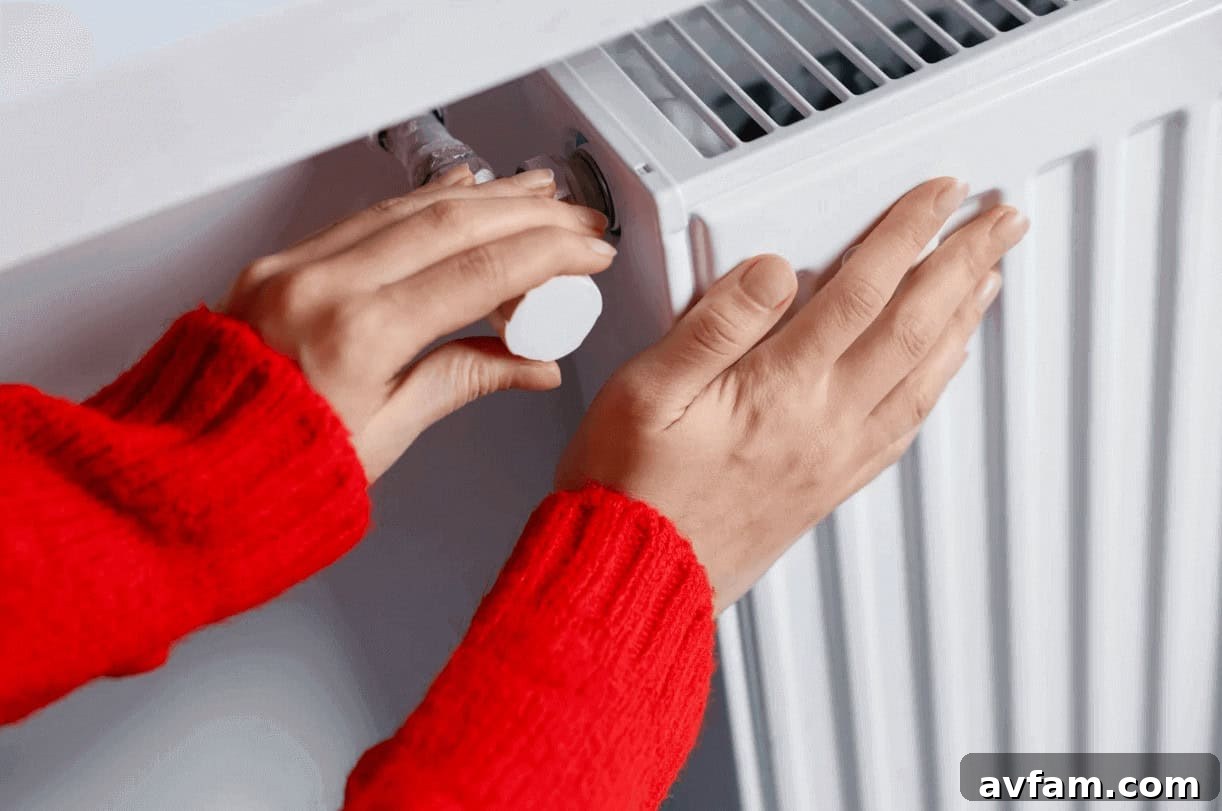
Older homes possess an undeniable charm, a rich history etched into their very foundations. Yet, beneath their timeless appeal often lies a significant challenge: achieving consistent and efficient heating. Unlike modern constructions designed with contemporary energy standards in mind, traditional properties frequently grapple with high ceilings, large windows, and robust, sometimes drafty, walls. These architectural features, while beautiful, can lead to uneven heating, leaving some areas feeling perpetually chilly while others become uncomfortably warm.
In the quest for thermal comfort and energy efficiency in such heritage properties, the choice and shape of your radiators play a far more pivotal role than many homeowners realize. The design of a radiator isn’t merely aesthetic; it fundamentally dictates how heat propagates throughout a room, influencing air currents, surface temperatures, and ultimately, your overall comfort. Some designs are engineered to spread warmth broadly across walls and floors, creating a gentle, enveloping heat. Others are optimized to drive warm air upwards, fostering a robust convection cycle. Understanding these dynamics and selecting the appropriate radiator shape can dramatically enhance comfort, eliminate persistent cold spots, and significantly reduce energy consumption in your cherished older home.
For those living in a period property, delving into the science of radiator heat flow is not just an academic exercise; it’s a practical step towards making informed heating decisions that truly transform your living environment. This guide will explore the intricacies of radiator shapes, their heating mechanisms, and how to harness their potential to create a perfectly warm and welcoming home, no matter its age.
Understanding How Radiators Deliver Warmth to Your Home
At their core, radiators are designed to transfer thermal energy into a living space, accomplishing this through two primary methods: convection and radiation. Most modern and traditional radiators utilize a blend of both, with the precise balance often determined by their design and surface area. Grasping these two principles is fundamental to optimizing your home’s heating system, particularly in the unique environment of an older property.
- Convection: The Movement of Warm Air
Convection is the process by which heat is transferred through the movement of fluids (in this case, air). As air in the immediate vicinity of a radiator heats up, it becomes less dense and rises towards the ceiling. Cooler, denser air from other parts of the room then rushes in to take its place near the radiator, where it, too, gets heated and rises. This continuous cycle generates a circulating current of warm air throughout the room, effectively distributing heat. In older homes with their characteristic high ceilings, the efficiency of this convective flow becomes paramount, as warm air tends to stratify near the ceiling, leaving lower areas feeling cool. - Radiation: Direct Heat Transfer
Radiation operates on a different principle altogether. Unlike convection, which relies on air movement, radiation involves the direct emission of infrared energy from the radiator’s heated surface. This radiant heat travels in straight lines, warming any objects it encounters, such as walls, floors, furniture, and even occupants, directly. These warmed surfaces, in turn, contribute to heating the ambient air. Radiation creates a more immediate and pervasive sense of warmth, similar to feeling the warmth of the sun on your skin. It helps to reduce perceived coldness from external walls and windows, contributing to a more even and comfortable thermal environment.
The interplay between convection and radiation is key to a radiator’s performance. The size, material, and crucially, the shape of a radiator influence this balance. In the expansive and often less insulated spaces of older homes, where heat can escape rapidly or settle unevenly, understanding and leveraging this balance is essential for achieving efficient and comfortable heating. This careful consideration can prevent energy waste and ensure warmth reaches every corner of your room, not just the ceiling.
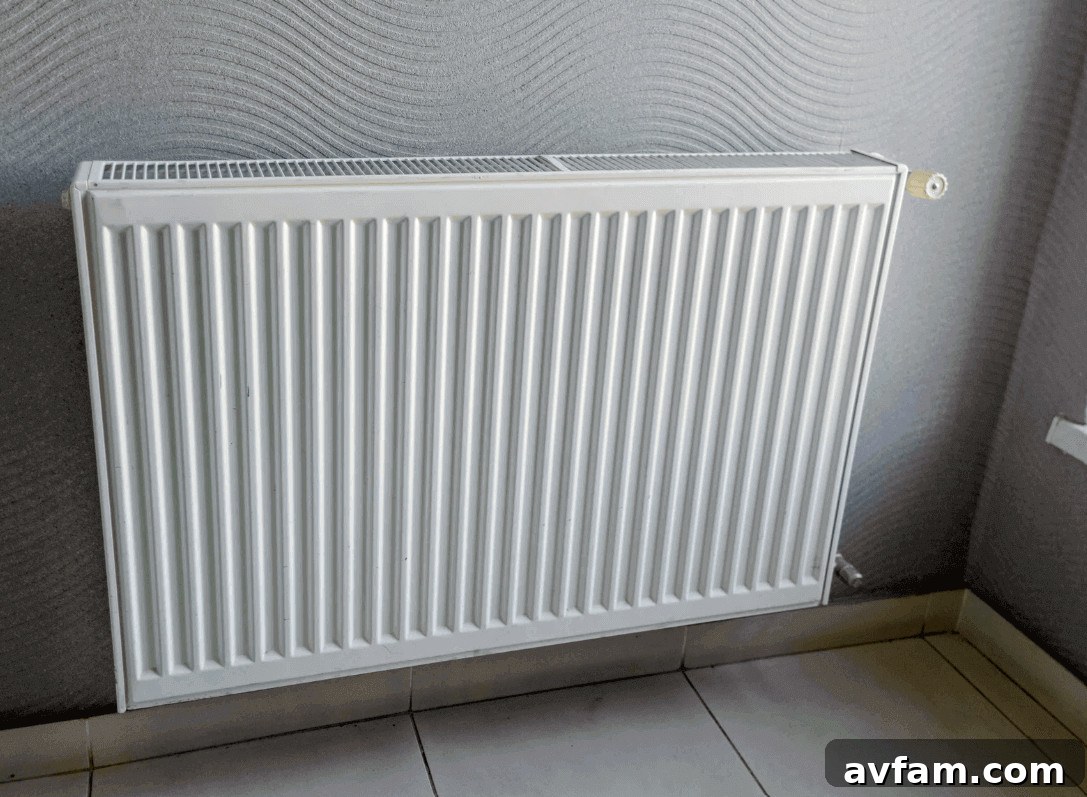
Horizontal, Vertical, and Column Radiators: Tailoring Heat for Older Homes
The architectural characteristics of older homes—such as impressive ceiling heights, generous room dimensions, and the prevalence of period features—demand a thoughtful approach to heating. The shape of your radiator isn’t just a design choice; it’s a functional decision that profoundly impacts heat distribution. Let’s explore the most common radiator styles and their specific heating dynamics within the context of traditional properties.
Horizontal Radiators: The Traditional Choice
Horizontal radiators represent the archetypal design, a ubiquitous feature in many older and period homes. Typically wide and relatively low-slung, they are often found positioned strategically beneath windows. This traditional placement served a practical purpose: countering the cold drafts emanating from less insulated windowpanes, thus warming the air as it entered the room.
Their broad surface area means horizontal radiators excel at radiant heat transfer, projecting warmth across a significant section of the adjacent wall and floor. This can create a pleasant, even warmth in the lower parts of a room, warming nearby surfaces and furniture directly. However, in older homes characterized by high ceilings, their primary limitation becomes apparent. Warm air generated by these radiators tends to rise quickly and stratify, gathering near the ceiling. This phenomenon, known as thermal stratification, can leave the lower, occupied areas of the room feeling considerably cooler, leading to a frustrating disparity in temperature. While effective in rooms with standard ceiling heights and robust insulation, their suitability for very tall spaces in older homes is often debated.
Vertical Radiators: Modern Efficiency Meets Period Charm
Vertical radiators, by contrast, are distinguished by their height and slender profile, occupying significantly less wall width. Their space-saving design has made them an increasingly popular choice, particularly in rooms where wall space is at a premium or where expansive windows preclude the use of horizontal units. Beyond their aesthetic and spatial advantages, vertical radiators offer distinct benefits for heating older homes.
Their elongated form naturally enhances the convection current. As warm air rises along the tall surface of the radiator, it creates a more powerful and directed upward flow, drawing in cooler air from below more effectively. In rooms with high ceilings, this improved air movement can be instrumental in breaking up thermal stratification, helping to circulate warmth more evenly from floor to ceiling and significantly reducing uncomfortable cold spots. Many modern vertical-style radiators for interiors are designed to blend high heat output with sleek, contemporary aesthetics, making them a practical and stylish upgrade during home renovations. They can seamlessly integrate into various design schemes, from minimalist to industrial, while delivering superior thermal performance.
Column Radiators: Blending Heritage Aesthetics with Optimal Performance
Column radiators, with their distinctive multi-sectional design, are a classic choice for older homes and period properties. Comprising several vertical columns linked together, they offer a timeless aesthetic that perfectly complements historical interiors. Far from being merely decorative, their design is inherently functional.
The numerous columns significantly increase the radiator’s surface area, which enhances both radiant and convective heat transfer. The deliberate gaps between the columns facilitate improved airflow, allowing for a more efficient and effective convection cycle compared to solid panel radiators. This design ensures that heat is not only radiated outward but also effectively circulates through the room. Many homeowners consciously select column radiators not just for their authentic period look, but also for their proven ability to deliver robust and well-distributed heat, striking an excellent balance between powerful output and elegant design. They represent an ideal solution for those looking to maintain architectural authenticity while simultaneously improving the heating efficiency of their older property.
When weighing the options of vertical vs. horizontal radiators, especially within an older home, the crucial considerations revolve around ceiling height, available wall space, and your desired aesthetic. Each shape offers a unique approach to conquering the heating challenges inherent in these cherished properties.
How Radiator Shape Directly Influences Heat Distribution in Older Homes
The efficacy of a heating system in an older home often hinges on the nuanced interaction between radiator shape and room dynamics. In these properties, where high ceilings, expansive rooms, and potential drafts are common, achieving uniform heat distribution is a delicate balance. The choice of radiator shape can either exacerbate or mitigate the prevalent issues of heat stratification and cold spots.
Horizontal Radiators and the Challenge of Heat Stratification
A horizontal radiator, with its extended width, is highly effective at spreading radiant heat across a wide section of a wall. This can be beneficial for warming cold exterior walls and the immediate surrounding areas, contributing to a sense of foundational warmth. However, in older homes with significantly tall ceilings, the physics of heat transfer can become a disadvantage. Warm air, being lighter, will naturally rise, and with a horizontal radiator’s lower profile, this upward movement is largely unchecked. The result is often a pronounced thermal stratification, where a layer of warm air accumulates stubbornly near the ceiling, leaving the lower, inhabited areas of the room feeling noticeably cooler and potentially drafty.
While strategic placement can help, such as installing horizontal radiators under windows to mitigate cold downdrafts, their inherent design makes them less effective at actively circulating and mixing the air in truly tall spaces. Homeowners might find themselves increasing thermostat settings, leading to higher energy bills, in a futile attempt to warm the floor level, only to find the ceiling becomes excessively hot.
Vertical Radiators and Enhanced Air Movement
Vertical radiators, conversely, are engineered to promote a more dynamic and effective air movement, a distinct advantage in older homes. Their impressive height encourages a stronger and more sustained upward airflow through convection. As warm air ascends along the tall surface, it efficiently pulls in cooler air from the floor level, initiating a more robust and vertical convection cycle. This continuous circulation helps to disrupt the common pattern of heat stratification, actively drawing down warmer air from the ceiling and distributing it more evenly throughout the entire volume of the room.
For homes with particularly lofty ceilings, vertical radiators can make a tangible difference in creating uniform warmth from floor to ceiling. This improved air mixing translates directly into greater comfort, as cold spots are minimized, and the perceived temperature throughout the room becomes more consistent. Furthermore, their modern design often allows for higher heat outputs in a smaller footprint, offering efficient performance without compromising valuable wall space or period aesthetics.
Column Radiators: The Art of Balanced Distribution
Column radiators offer a compelling middle ground, expertly balancing the strengths of both radiant and convective heat. Their multi-column structure provides an expansive surface area for direct radiant heat emission, ensuring that nearby objects and surfaces are pleasantly warmed. Simultaneously, the open design with spaces between the columns allows for excellent airflow, facilitating a vigorous and effective convection current. This dual heating mechanism ensures that warmth is both radiated outwards and efficiently circulated upwards and across the room.
This balanced approach is particularly beneficial in older homes. Column radiators can effectively warm solid walls, combating the chill that often permeates older structures, while also contributing to a steady, even distribution of warm air. Their aesthetic appeal perfectly complements traditional interiors, allowing homeowners to install a highly efficient heating solution that looks as if it has always been a part of the property.
Why Strategic Placement is as Crucial as Shape
Even the most advanced radiator, regardless of its shape, will underperform if its placement is poorly conceived. Intelligent positioning is paramount for maximizing heat distribution and efficiency in any home, but especially in older, more challenging environments. It’s not just about aesthetics; it’s about physics.
- Countering Cold Spots: Place radiators on the coldest walls, typically exterior walls or under windows, to directly combat heat loss and neutralize drafts before they spread.
- Unobstructed Flow: Avoid obstructing radiators with large pieces of furniture, thick curtains, or decorative covers. These act as barriers, trapping heat and preventing its free circulation into the room. Curtains, in particular, should sit just above the radiator or be tucked behind it to allow warmth to enter the room, rather than escaping between the window and curtain.
- Optimizing Airflow: Ensure there’s adequate space around the radiator for air to circulate freely. Good airflow is vital for both convection and radiation to work effectively.
Small, thoughtful adjustments to radiator placement can yield significant improvements in comfort and energy efficiency, often without the need for costly replacements. The synergy of the right radiator shape combined with strategic placement is the ultimate formula for creating a consistently warm, inviting, and energy-efficient older home.
Practical Heating Strategies and Tips for Older Homes
Upgrading the heating system in an older home is a multi-faceted endeavor that extends beyond merely selecting a new radiator. While radiator shape is a critical component, several other practical steps can synergistically improve heat flow, enhance comfort, and drastically reduce energy wastage right from the outset. A holistic approach is always the most effective.
1. Thoroughly Review the Room Layout and Usage
Before making any radiator decisions, take time to analyze each room’s specific characteristics and how it’s used. Ask yourself:
- Where do family members typically spend their time? (e.g., sitting on a sofa, at a desk, playing on the floor).
- Which areas consistently feel cold or drafty? Is it near a specific window, an external wall, or a doorway?
- What are the dimensions of the room, especially the ceiling height?
- Are there existing architectural features or furniture arrangements that might block heat?
By understanding these factors, you can make informed decisions about radiator type and placement. For instance, a vertical radiator might be ideal in a narrow hallway or a living room with expansive windows where wall space is limited, simultaneously freeing up usable space and promoting better air circulation. In a larger, open-plan space, a combination of radiator types or careful zoning might be more effective. Good placement, informed by room analysis, directly improves radiator heat distribution without necessarily increasing energy consumption.
2. Prioritize and Improve Home Insulation First
This cannot be stressed enough: the most efficient radiator system will struggle to perform optimally in a poorly insulated home. Heat loss through drafts and inadequate insulation is a primary culprit for high energy bills and uncomfortable living spaces. Investing in insulation upgrades often provides the most significant and immediate returns on energy efficiency. Key areas to inspect and improve include:
- Drafty Windows and Doors: Seal gaps around frames with caulk or weatherstripping. Consider secondary glazing or heavy, thermal curtains.
- Attic and Loft Insulation: Ensure your attic has adequate and modern insulation levels. Heat rises, so a well-insulated roof prevents significant heat loss.
- Exterior Wall Insulation: While more invasive, improving wall insulation (e.g., cavity wall insulation if applicable, or internal/external solid wall insulation) can dramatically reduce heat transfer.
- Floor Insulation: Especially for ground floors above unheated basements or crawl spaces, insulating floors can make a noticeable difference in warmth underfoot.
Addressing these fundamental insulation issues first will create a more stable thermal envelope, allowing your chosen radiators to work much more efficiently and effectively, delivering superior comfort with lower energy input than replacing radiators alone.
3. Embrace Modern Heating Controls
Many older homes still rely on rudimentary, outdated thermostats that offer limited control. Upgrading to modern heating controls is a smart investment that complements any radiator choice, horizontal or vertical. Consider:
- Smart Thermostats: These devices learn your schedule, can be controlled remotely via smartphone, and often integrate with other smart home systems. They allow for precise temperature management, zone programming, and can even optimize heating based on external weather data.
- Thermostatic Radiator Valves (TRVs): Installing TRVs on individual radiators allows you to set different temperatures for different rooms or zones. This prevents overheating unused spaces and ensures that heat is directed where it’s needed most, leading to significant energy savings.
- Zoned Heating Systems: For larger older homes, a fully zoned heating system can offer unparalleled control, allowing distinct areas to be heated independently. This level of customization ensures maximum comfort and minimizes wasted energy, making both horizontal and vertical radiators more versatile.
Better control over your heating system means less wasted heat, more consistent comfort tailored to your lifestyle, and ultimately, lower heating bills.
4. Balance Architectural Style with Heating Performance
Radiators in older homes are not just functional appliances; they are visible design elements that can either enhance or detract from the property’s character. When selecting new radiators, consider both their heating performance and their aesthetic compatibility:
- Period Authenticity: For homes with strong historical character, column radiators are often an ideal choice. They echo traditional designs while offering excellent modern heat output. They come in various finishes and column configurations to suit different eras and styles.
- Modern Integration: If your older home has been updated with a more contemporary interior, or if you prefer a cleaner look, sleek vertical-style radiators can provide a modern touch. They free up valuable wall space and offer superior convection, particularly in tighter or taller spaces.
- Material Choices: While most modern radiators are steel, cast iron radiators, often found in older homes, offer incredible heat retention. They take longer to heat up but retain warmth for longer after the boiler switches off, contributing to a stable room temperature.
The best radiator for an older home is one that seamlessly integrates with its architectural identity while delivering outstanding thermal performance. This thoughtful balance ensures both enduring comfort and enhanced visual appeal.
Embracing a Holistic Approach to Heating Upgrades in Older Homes
Older homes were constructed long before the advent of modern energy standards and climate awareness. This historical context makes a comprehensive and integrated approach to heating design not just advisable, but essential. When contemplating heating system upgrades, it’s crucial to view the entire system as an interconnected network of components. The radiator shape, its strategic placement within a room, the quality of your home’s insulation, and the sophistication of your heating controls all work in concert to define your home’s thermal comfort and energy footprint.
Often, homeowners facing issues of uneven heating or persistent cold spots mistakenly attribute the problem solely to boiler output. While the boiler is the heart of the system, the true culprit might lie in inefficient radiator heat distribution within the individual rooms. For example, transitioning from an outdated, wide horizontal unit to a taller, more efficient vertical radiator can dramatically improve airflow and warmth distribution in specific spaces, particularly those with soaring ceilings where heat stratification is a concern. In other rooms, a carefully selected column radiator might offer a superior balance between comforting radiant warmth and effective air movement, preserving the home’s period aesthetic while elevating its functionality.
It’s these seemingly small design choices and strategic adjustments that possess the power to unlock significant improvements in comfort and energy efficiency, often without necessitating extensive and costly structural renovations. An energy audit conducted by a qualified professional can pinpoint areas of heat loss and provide tailored recommendations, ensuring that any investment in heating upgrades is targeted and effective.
As global energy costs continue their upward trajectory, optimizing heat flow within the confines of your home stands out as one of the most practical, impactful, and financially prudent upgrades a homeowner can undertake. It’s an investment in comfort, sustainability, and the long-term value of your cherished older property.
The Bottom Line: Smart Radiator Choices for Enduring Comfort
The shape of your radiator is not a minor detail; it plays a profound and direct role in how effectively and evenly heat permeates the unique spaces of older homes. Understanding these dynamics empowers you to make smarter, more energy-efficient choices.
- Horizontal Radiators: Ideal for broad radiant heat spread across walls, particularly in rooms with standard ceiling heights and good insulation. However, they can struggle with heat stratification in very tall spaces.
- Vertical Radiators: Excelling in promoting upward air movement and convection, they are a superb solution for rooms with high ceilings or limited wall space, ensuring warmth is distributed more evenly from floor to ceiling.
- Column Radiators: A perfect blend of heritage aesthetics and modern performance, offering both significant radiant warmth and robust convective airflow thanks to their increased surface area and open design.
The optimal radiator for your older home is a bespoke decision, intricately dependent on a confluence of factors: the specific ceiling height of each room, the available wall space, the existing level of insulation, and the functional layout of your living areas. It’s a choice that marries physics with aesthetics, ensuring your home is both beautiful and comfortably warm.
When you take the time to truly understand how radiator shape influences heat flow and distribution, you unlock the potential to make heating decisions that fundamentally enhance comfort, significantly reduce wasted energy, and place less strain on your heating system. The ultimate reward is a home that feels consistently warmer, more inviting, and exquisitely comfortable, honoring its past while embracing a more sustainable future.