
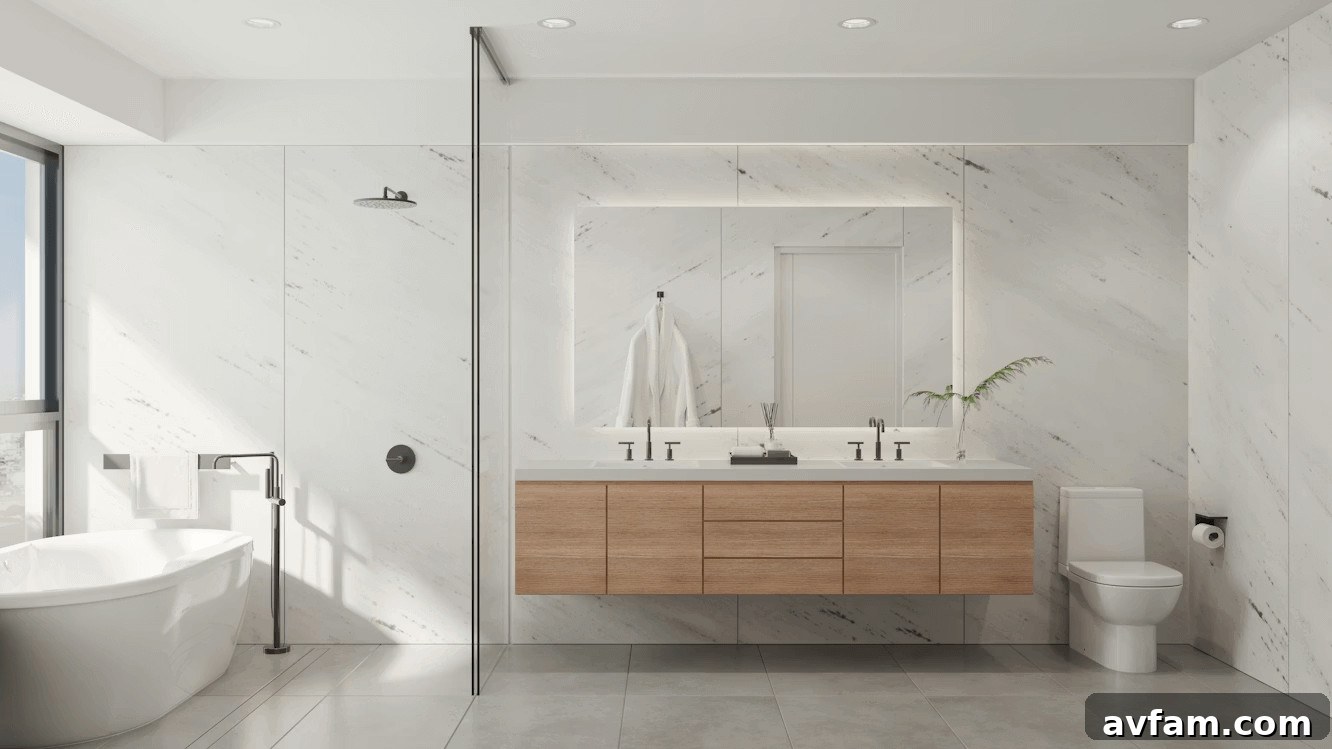
Future-Proof Your Bathroom Renovation: A Guide to Lasting Style and Functionality
A bathroom renovation is more than just an aesthetic upgrade; it’s an investment in your home’s comfort, efficiency, and long-term value. While the excitement of a cleaner look, enhanced storage, and brand-new fixtures is undeniable, a truly smart renovation extends beyond immediate gratification. It anticipates the future, ensuring your bathroom remains beautiful, functional, and easy to use as your lifestyle and needs evolve over the years.
Embracing the concept of “future-proofing” in your bathroom design means making deliberate choices today that prevent costly redos tomorrow. This involves a strategic focus on durability, flexibility, and timeless design elements that transcend fleeting trends. By planning ahead, you can create a sanctuary that not only meets your current demands but also effortlessly adapts to changing family dynamics, technological advancements, and personal preferences, offering enduring value and peace of mind.
Understanding the Imperative of Future-Proofing Your Bathroom
The bathroom is arguably one of the most hardworking rooms in any home. It faces constant exposure to water, high humidity, and daily wear and tear, all of which can significantly impact its longevity and appearance. Furthermore, design trends are in perpetual motion, making it easy for a newly renovated space to feel dated within a few short years. Future-proofing acknowledges these realities, guiding you towards solutions that withstand the test of time, both structurally and aesthetically.
A future-proof bathroom is characterized by its thoughtful material selection, adaptable layout, and integrated features designed to accommodate various stages of life. It’s about building resilience against moisture damage, choosing finishes that resist wear, and incorporating design elements that support evolving needs—from young families to aging in place. This foresight minimizes the need for subsequent major renovations, saving you significant time, money, and disruption down the line.
Key Trends Shaping Future-Proof Bathroom Design
While staying abreast of current design trends can provide inspiration, a future-proof approach strategically incorporates those trends that offer lasting benefits and align with a forward-thinking mindset. Three major trends stand out for their profound impact on long-term bathroom usability and value:
Sustainability: Building an Eco-Conscious Oasis
Sustainability is no longer a niche concept; it’s a fundamental pillar of modern home design. Integrating eco-friendly materials and energy-efficient fixtures into your bathroom renovation benefits both the planet and your wallet. Opting for low-flow toilets, showerheads, and faucets significantly reduces water consumption, leading to lower utility bills. Energy-efficient LED lighting not only brightens your space but also consumes minimal electricity and has a much longer lifespan than traditional bulbs.
Beyond fixtures, consider sustainable material choices such as reclaimed wood for vanities, bamboo flooring, or tiles made from recycled content. These materials often boast exceptional durability and contribute to healthier indoor air quality by reducing volatile organic compounds (VOCs). A sustainable bathroom enhances your home’s environmental footprint and appeals to an increasingly eco-aware market, potentially boosting resale value.
Smart Technology: Enhancing Convenience and Comfort
The integration of smart technology is transforming bathrooms into highly personalized and convenient spaces. From heated floors that ward off chilly mornings to touchless faucets and flush systems that promote hygiene, smart solutions elevate comfort and user experience. Other innovations include smart mirrors with integrated lighting and displays, digital shower controls that remember preferred temperatures and spray patterns, and even smart leak detection systems that prevent costly water damage.
While some smart features might seem like luxuries, many offer practical benefits, improving accessibility and energy efficiency. Programmable lighting, for instance, can adjust to different times of day or tasks. Should you decide to sell your home in the future, a bathroom equipped with thoughtfully chosen smart technology can be a significant draw for potential buyers seeking modern amenities and a sophisticated lifestyle.
Accessible Design: A Bathroom for Every Stage of Life
One of the most profound aspects of future-proofing is designing for universal accessibility. Life circumstances can change unexpectedly, and a bathroom that can accommodate everyone, regardless of age, mobility, or ability, is invaluable. Accessible design principles ensure ease of use for all users, from young children to individuals with temporary injuries or aging family members. This doesn’t mean sacrificing style; modern accessible designs are sleek and seamlessly integrated.
Key considerations include wider doorways (at least 32-36 inches), reinforced walls for the potential addition of grab bars around toilets and showers, curbless or roll-in showers, and non-slip flooring materials. Lever-style faucet handles are easier to operate than knobs, and comfort-height toilets reduce strain. By incorporating these features from the outset, you create a truly versatile and welcoming space that serves your family’s needs for decades to come, preventing the need for costly and disruptive renovations later.
Investing in Durability: Materials That Endure
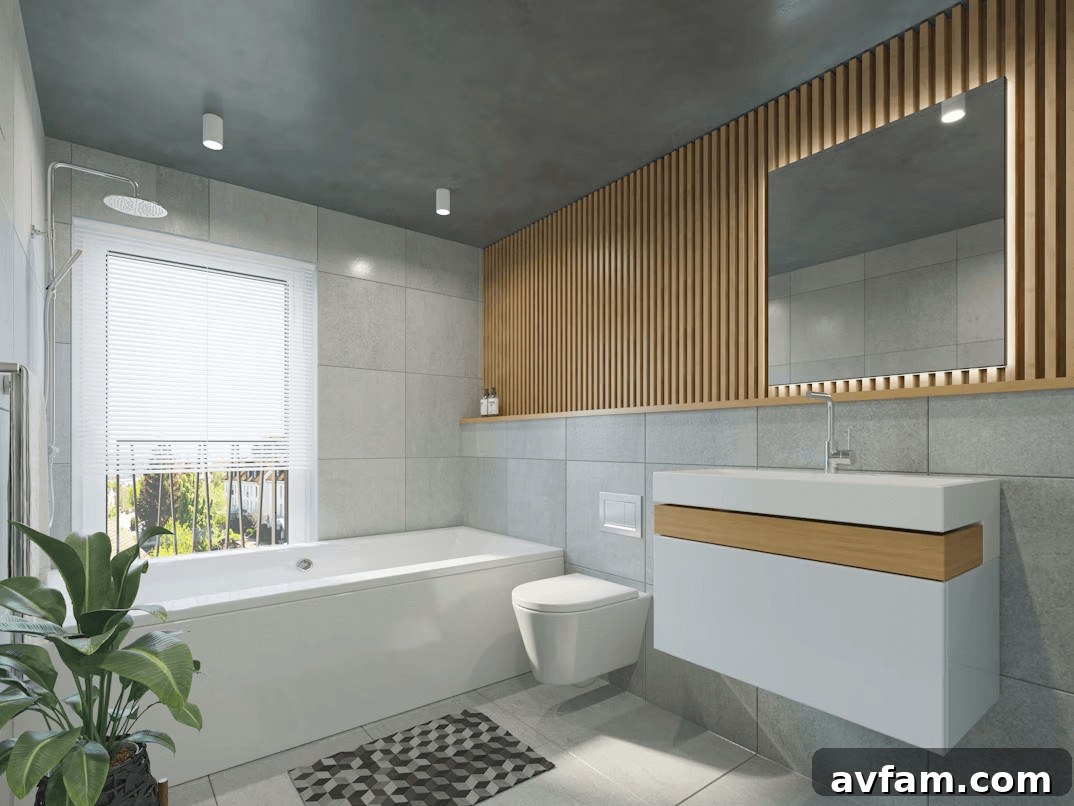
The foundation of a future-proof bathroom lies in the quality and resilience of its materials. Selecting high-performance, durable options ensures your renovation can withstand years of daily use, humidity, and cleaning without showing premature signs of wear or degradation. This long-term perspective ultimately saves money on repairs and replacements, while maintaining the bathroom’s aesthetic integrity.
For flooring, consider materials like porcelain tiles or natural stone (granite, marble, travertine). Porcelain is highly resistant to water, stains, scratches, and chips, making it an ideal choice for high-moisture environments. Natural stone, while requiring proper sealing and maintenance, offers unmatched elegance and longevity. Both options provide aesthetic appeal, exceptional durability, and resistance to moisture, making them wise investments.
For walls in wet areas, large-format porcelain or ceramic tiles minimize grout lines, reducing areas for mold and mildew to grow and simplifying cleaning. Solid surface materials like quartz are excellent for countertops, offering non-porous, stain-resistant, and highly durable surfaces that require minimal maintenance.
Frameless Shower Doors: Elegance Meets Practicality
One excellent option for enhancing both the visual appeal and practical aspects of your bathroom is the installation of frameless shower doors. Unlike their framed counterparts, frameless doors offer a sleek, minimalist aesthetic that makes spaces feel larger, more open, and undeniably modern. This clean design integrates seamlessly with various styles, ensuring your bathroom retains a contemporary edge for years.
Beyond their visual benefits, frameless shower doors are remarkably practical. They are generally easier to clean because there are fewer metal channels where water and soap scum can accumulate, reducing the risk of mold and mildew. Their robust construction and thicker glass also contribute to a sense of luxury and durability. A frameless door project can elevate your bathroom with a contemporary touch that blends with diverse design styles while providing long-term functionality and ease of maintenance.
If you’re interested in improving your space with a frameless door, explore how you can enhance your bathroom with a thoughtful frameless door project in Houston.
Designing for Versatility: Adapting to Change
Flexibility is another core aspect of future-proof bathroom design. It’s crucial to think beyond your immediate needs and consider how the space might need to adapt over time. This involves making choices that allow for easy modifications or updates without requiring a complete overhaul. The goal is to create a backdrop that can evolve with changing trends, family structures, or personal tastes.
For instance, choosing neutral color palettes for major elements like tiles, paint, and permanent fixtures provides a versatile foundation. Soft whites, grays, earth tones, and classic blues create a serene and timeless backdrop that can easily be updated with accent colors, towels, artwork, or decorative accessories. This doesn’t mean sacrificing style; rather, it encourages incorporating classic elements that won’t feel outdated in just a few years. Timeless fixtures with clean lines and universal appeal also contribute to this adaptability.
Multi-Functional Spaces and Flexible Layouts:
Maximizing utility within the bathroom is key to versatility. Consider integrating furniture pieces and fixtures that serve multiple purposes. A vanity with ample, well-organized storage, for example, helps keep clutter at bay and can adapt to different storage needs over time. A shower-tub combo remains a popular and practical choice, accommodating both quick showers for daily routines and long, relaxing baths for unwinding. This versatility caters to various lifestyle needs, from bathing children to providing a spa-like retreat.
For larger bathrooms, consider a layout that allows for distinct zones for different activities, such as a separate toilet area or a dedicated dressing space. Even in smaller bathrooms, clever planning—like pocket doors or strategically placed mirrors—can create the illusion of more space and improve flow. Future-proof layouts often leave room for potential future modifications, such as easily adding a bidet attachment to a toilet or converting a standard shower into a steam shower.
Planning for Effortless Maintenance
While often overlooked during the excitement of design, considering how easy your new bathroom will be to maintain is a critical aspect of future-proofing. A low-maintenance bathroom saves you valuable time and frustration in the long run, ensuring it remains pristine and functional for years. This involves choosing finishes and materials resistant to common bathroom issues like mold, mildew, stains, and discoloration.
Fixture Materials: Smart Choices for Longevity
When selecting faucets, showerheads, and other hardware, look for options in durable materials like stainless steel, solid brass, or finishes such as PVD (Physical Vapor Deposition) coatings. These materials are highly resistant to tarnishing, corrosion, and water spots, ensuring they maintain their luster with minimal effort. While the initial investment might be slightly higher, the longevity and reduced maintenance of these quality fixtures make them cost-effective in the long term.
Grout Choices: A Barrier Against Moisture and Grime
Grout, particularly in high-moisture areas like showers and around bathtubs, is notoriously prone to mold and discoloration. Opt for epoxy grout, a revolutionary solution that is non-porous and highly resistant to stains, chemicals, mold, and water damage. While it may require a higher initial investment and specialized installation, the significant reduction in maintenance and potential repairs—such as addressing water damage or regrouting—makes it a worthwhile choice for a truly future-proof bathroom.
Furthermore, consider large-format tiles to minimize grout lines wherever possible. For wall paints, choose those specifically formulated for bathrooms, which contain mildew-resistant additives. Proper ventilation, including an adequately sized exhaust fan, is also paramount to prevent moisture buildup, which is a primary culprit for mold and material degradation.
Creating a Timeless Look: Beyond Fleeting Fads
While trends offer exciting inspiration, timeless designs remain the gold standard for future-proofing your bathroom’s aesthetic. The goal is to create a cohesive look that perfectly balances functionality with enduring beauty. A timeless bathroom evokes a sense of calm sophistication and remains relevant regardless of changing fashion, avoiding the need for frequent aesthetic overhauls.
Classic Color Palettes: Serenity and Adaptability
As mentioned, soft whites, serene grays, and natural earth tones create a tranquil and inviting atmosphere that never goes out of style. These neutral backdrops allow for easy changes to accessories, towels, and art, which can inject personality and keep the space feeling fresh without major renovation. Consider elements like subway tiles or classic Shaker-style cabinetry, which have demonstrated enduring appeal.
Quality Fixtures and Cabinetry: The Mark of Enduring Elegance
Investing in high-quality faucets, hardware, and cabinetry is crucial for a timeless space. Solid construction and thoughtful design in these elements speak volumes about the bathroom’s overall quality. Choose pieces with clean lines and ergonomic functionality that will not only look elegant but also perform reliably for many years. Think of classic finishes like polished chrome, brushed nickel, or matte black, which offer versatility and sophistication.
Layered Lighting: Ambiance and Practicality
Good lighting is fundamental to both the functionality and mood of a bathroom. A future-proof design incorporates layered lighting: ambient lighting (general illumination), task lighting (around the vanity for grooming), and accent lighting (to highlight features or create mood). Dimmers are essential for versatility, allowing you to adjust the intensity for different needs, from bright morning routines to relaxing evening soaks. Incorporate natural light where possible to enhance the sense of space and reduce energy consumption.
The Unseen Elements: Plumbing, Electrical, and Ventilation
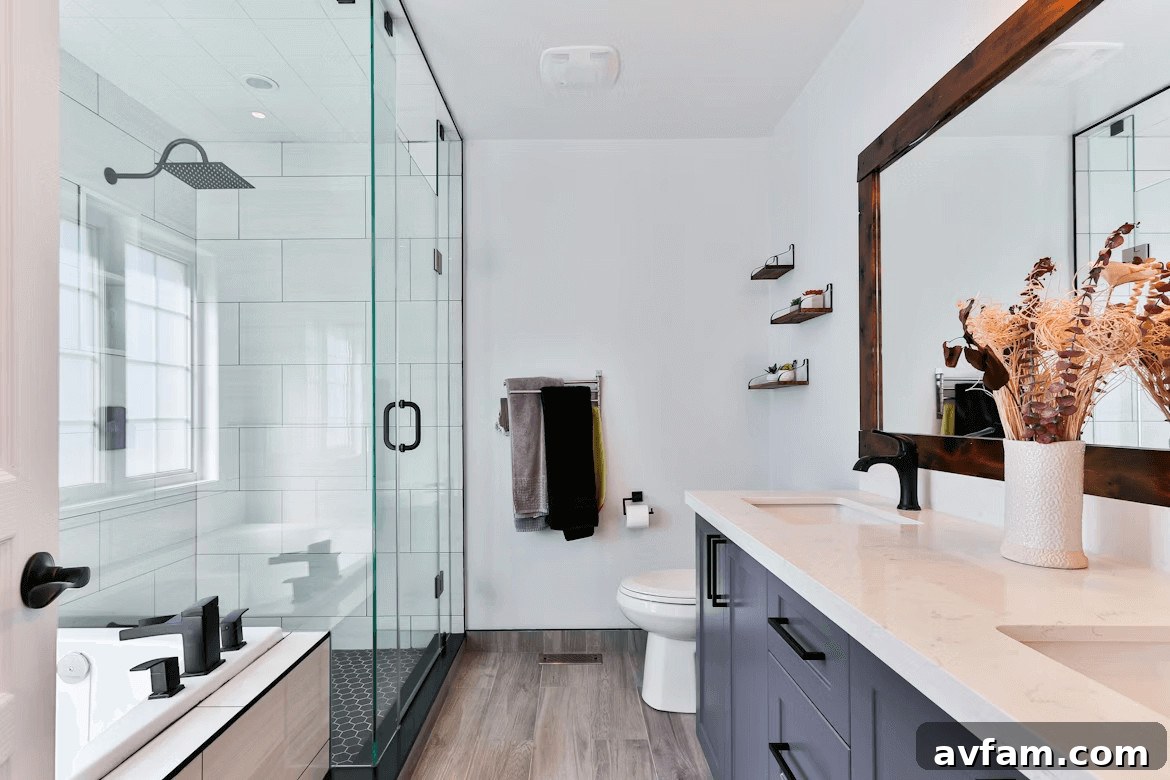
Beyond the visible aesthetics, true future-proofing delves into the critical, often unseen, infrastructure of your bathroom. Investing in high-quality plumbing and electrical systems, along with robust ventilation, is paramount for the long-term health and functionality of the space.
Plumbing Infrastructure: Preventing Future Headaches
When renovating, it’s an ideal time to upgrade old or corroded pipes. Opt for durable materials like PEX or copper, which are known for their longevity and resistance to leaks. Consider installing easily accessible shut-off valves for individual fixtures, making future repairs or replacements much simpler. Planning for potential future additions, like a bidet or a steam shower, by stubbing out necessary water lines now can save significant costs and disruption later.
Electrical Planning: Powering Tomorrow’s Tech
Modern bathrooms demand more electrical outlets than ever before to power hair dryers, electric toothbrushes, smart devices, and charging stations. Ensure you have ample GFCI-protected outlets strategically placed. Consider including dedicated circuits for high-wattage appliances or for future smart home integrations. Thinking about where you might want smart mirrors, towel warmers, or specialty lighting down the line allows you to rough in wiring during the renovation phase, avoiding exposed wires or costly electrical work later.
Ventilation Systems: The Silent Protector
Adequate ventilation is non-negotiable for a future-proof bathroom. A powerful, quiet exhaust fan effectively removes moisture, steam, and odors, preventing the growth of mold and mildew, protecting your finishes, and preserving air quality. Look for fans rated for your bathroom size with a low sone rating for quiet operation. Consider models with humidity sensors that automatically turn on and off, adding an extra layer of protection and energy efficiency.
Conclusion: Crafting an Enduring Sanctuary
A bathroom renovation, when approached with foresight and strategic planning, is about much more than a fresh coat of paint or new tiles; it’s about crafting a resilient, adaptable, and beautiful space that can evolve with you and your family. By thoughtfully incorporating elements of sustainability, smart technology, accessible design, and meticulous attention to maintenance, you can create a bathroom that not only serves your current needs but also stands ready to embrace future changes and challenges.
When making decisions about materials and fixtures, consider options like frameless shower doors that marry modern aesthetics with unparalleled practicality and ease of cleaning. Invest in durable, high-quality surfaces and classic design choices that resist the pull of fleeting trends. Prioritize robust plumbing, electrical, and ventilation systems as the unseen guardians of your bathroom’s longevity.
In today’s vibrant design landscape, the right choices today can result in a timeless sanctuary that meets your needs for years to come, enhances your daily life, and ultimately adds lasting value to your home. Embrace innovation, think ahead, and invest wisely; your future self, and your home, will undoubtedly thank you for it.