
The Ultimate Guide to Cutting Your Own Christmas Tree: A Family Tradition & Expert Tips
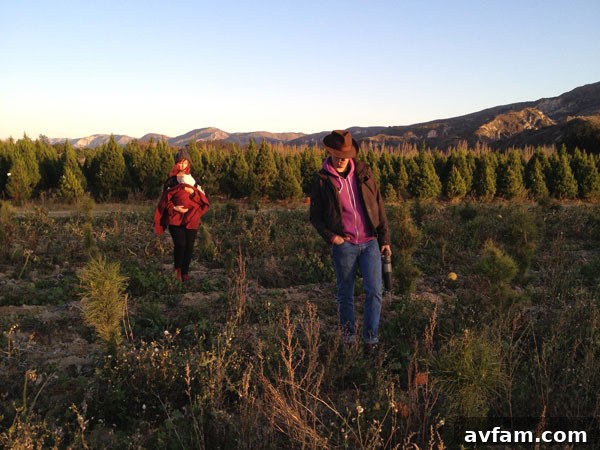
There’s an undeniable magic that comes with the holiday season, and for many families, including our own, it truly begins with the cherished tradition of cutting down our very own Christmas tree. Each year, we eagerly anticipate the drive out to the charming tree farms of Fillmore, CA, an annual pilgrimage that has woven itself into the fabric of our family memories. While the scent of pine and the crisp winter air are certainly part of the allure, there’s also an unparalleled sense of accomplishment and connection that comes from hand-selecting and harvesting the centerpiece of our holiday celebrations.
Our journey to the tree farm isn’t just about finding a tree; it’s about embracing an experience. It’s about creating lasting traditions, making memories, and truly immersing ourselves in the spirit of Christmas before the decorating even begins. If you’ve ever considered embarking on this joyful adventure, or if you’re looking to enhance your annual tree-cutting ritual, this comprehensive guide will equip you with everything you need to know, from choosing the perfect tree to the best tools for the job.
Why Choose a Real Christmas Tree? The Unmatched Charm
In an age of convenience, many opt for artificial trees, and while they have their merits, nothing quite compares to the sensory delight of a real Christmas tree. The fresh, authentic scent of pine that permeates your home instantly evokes a sense of nostalgia and warmth. Beyond the aroma, there’s an inherent beauty in the natural imperfections and unique character of a live tree. Choosing a real tree also often means supporting local tree farms, contributing to sustainable agriculture, and creating a memorable outdoor experience for your family.
Finding Your Perfect Christmas Tree Farm
The first step in your tree-cutting adventure is selecting the right farm. Many regions boast excellent choose-and-cut operations. For us, the tree farms in Fillmore, CA, offer a fantastic selection and a picturesque setting. When researching farms in your area, consider:
- Tree Varieties: What types of trees do they grow?
- Amenities: Do they offer hayrides, hot chocolate, or other family activities?
- Tools Provided: Do they lend saws, or should you bring your own?
- Services: Do they offer netting, shaking, or loading assistance?
Popular Christmas Tree Varieties
Tree farms, like those in Fillmore, typically cultivate several popular varieties, each with its own unique characteristics:
- Monterey Pines: Often found in California, these trees are known for their rapid growth and dense, vibrant green needles. They have a classic conical shape and a pleasant pine fragrance. Monterey Pines are a robust choice for those seeking a traditional look.
- Leland Cypress: This hybrid cypress is a fast-growing, evergreen tree with soft, feathery, dark green foliage and a slender, elegant shape. It’s a popular choice, especially in warmer climates, because it holds its needles well and is often hypoallergenic, making it ideal for families with allergies.
- Noble Firs: While not typically grown in Southern California, many farms, including some in Fillmore, import these premium trees from Oregon and Washington. Noble Firs are highly prized for their stiff branches, which are perfect for holding heavy ornaments, their beautiful silvery-green needles, and their exceptional needle retention. They also boast a delightful, strong pine scent.
Understanding these options can help you select the tree that best fits your aesthetic preferences and practical needs for your home.
Preparing for Your Christmas Tree Adventure
A successful tree-cutting expedition requires a little preparation. Think of it as gearing up for a mini outdoor adventure!
- Dress for Success: Wear layers, as temperatures can fluctuate. Sturdy, closed-toe shoes or boots are essential, as farm fields can be uneven and muddy. Long sleeves and pants are highly recommended to protect against scratches from branches and prickly needles.
- Bring Essentials:
- Tape Measure: To ensure your chosen tree fits perfectly in your home.
- Tarp or Blanket: To protect your car’s interior or roof rack during transport.
- Gloves: Absolutely crucial for protecting your hands from sap, needles, and blisters.
- Eye Protection: A wise precaution, especially if you’re using power tools.
- Refreshments: Water, snacks, and perhaps a thermos of hot cocoa can make the outing more enjoyable.
- Rope or Bungee Cords: For securing the tree during transport.
Essential Tools for a Smooth and Efficient Cut
While most Christmas tree farms will provide tools for cutting, these often consist of a selection of dull hacksaws. While you can certainly get the job done with these, it can be a slow, arduous, and frustrating process, especially when you’re bent over at an awkward angle.
Introducing the Game-Changer: The Cordless Reciprocating Saw (Sawzall)
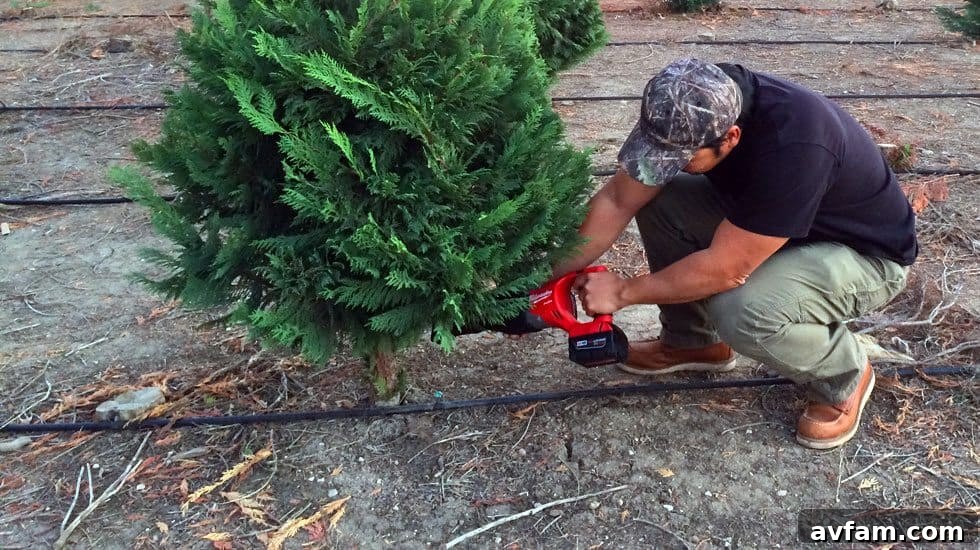
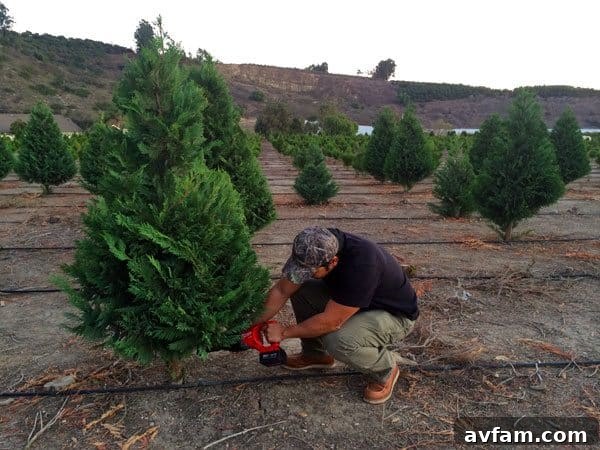
With a little foresight and proper preparation, you can significantly enhance your tree-cutting experience. Our secret weapon? A cordless reciprocating saw (often affectionately called a Sawzall). This powerful tool makes incredibly quick work of cutting through even the thickest tree trunks, transforming a potentially lengthy chore into a satisfyingly swift task.
Here’s why a Sawzall is a superior choice:
- Speed and Efficiency: A reciprocating saw cuts through wood much faster and with less effort than a manual saw. This is particularly beneficial when you’re working in an awkward, bent-over position close to the ground.
- Reduced Strain: The power of the tool does most of the work, saving your back, arms, and wrists from fatigue.
- Precision: With the right blade and technique, you can achieve a clean, straight cut.
Choosing the Right Blade for Your Sawzall
Not just any blade will do. To maximize efficiency and safety, ensure you select:
- A Long Enough Blade: The blade should be long enough to extend completely through the tree trunk. A blade that’s too short will require multiple passes and can be dangerous.
- A Blade Made for Wood: Blades designed specifically for cutting wood have larger, more aggressive teeth that are ideal for this task. Avoid metal-cutting blades, which will be ineffective and frustrating.
Other Must-Have Gear
Beyond the Sawzall, remember the importance of:
- Gloves: As mentioned, heavy-duty gloves are non-negotiable. They will reduce the risk of blisters from handling the saw and protect your hands from sharp bark, sticky sap, and prickly pine needles.
- Long Sleeves: Paired with gloves, long sleeves offer an additional layer of protection, preventing minor cuts and scratches on your arms as you navigate through branches.
Mastering the Art of Tree Cutting
Once you’ve found “the one” – that perfect tree that calls out to you – it’s time for the main event. Here’s how to ensure a safe and efficient cut:
Locating the Perfect Spot
Aim to cut the trunk about 6-8 inches from the ground, or as close to the ground as possible while maintaining a clean cut. This ensures you get the maximum height for your tree.
The Right Angle for the Cut
I highly recommend cutting at a downward angle rather than straight across. This technique helps to release pressure off the saw blade, allowing it to cut through the wood more easily and preventing the blade from binding. It also creates a natural wedge shape that can make it simpler to remove the cut section.
Safety First: Have a Friend Hold the Tree
This is a critical safety step that should never be overlooked. Always have a friend or family member hold the tree steady as you cut. This serves two main purposes:
- Prevents Falling: As the saw cuts deeper, the tree can become unstable. Having someone hold it prevents it from falling unexpectedly, potentially onto you or others.
- Stabilizes for a Clean Cut: A steady tree allows for a smoother, more controlled cut, especially when using a power tool like a reciprocating saw.
Technique with a Reciprocating Saw
With your Sawzall fitted with the correct wood blade and your helper stabilizing the tree:
- Position the blade against the trunk at your desired downward angle.
- Start the saw, allowing the blade to gain full speed before making contact with the wood.
- Apply steady, gentle pressure, letting the saw do the work. Avoid forcing it.
- Maintain control throughout the cut, ensuring the blade stays on its intended path.
- Once the tree begins to creak or lean significantly, guide it down gently with the help of your partner.
Transporting Your Precious Cargo Home
The job isn’t done until your tree is safely home. How you transport it depends on your vehicle:
- For Car Roof or Inside Your Vehicle: Opt for the netting service often provided by tree farms. Netting compresses the branches, making the tree much easier to handle and preventing damage to the branches and needles during transport. It also minimizes loose needles inside your car. Place a tarp or blanket under the tree to protect your car’s interior or roof from sap and scratches. Secure it firmly with strong ropes or ratchet straps, checking for tightness periodically during your drive.
- For a Truck Bed: If you’re dropping it into the bed of a truck, you typically won’t need a net. The open space allows the branches to retain their natural shape. However, it’s still crucial to secure the tree properly to prevent it from shifting or flying out during transit. Place the stump end towards the front of the truck bed, and tie it down at multiple points using ropes or bungee cords.
Bringing Your Tree Indoors & First Steps
Congratulations, you’ve brought your beautiful Christmas tree home! But the journey isn’t quite over. Proper initial care is crucial for its longevity.
The Vital Fresh Cut
This is perhaps the most important step for ensuring your tree stays fresh and vibrant throughout the holiday season. When you get home, before placing it in the stand, give the trunk one last fresh, straight cut across the bottom. You should remove about 1-2 inches from the butt of the tree. Here’s why:
- Re-opening Water Pores: Over time, the tree’s sap will seal off the pores at the base of the trunk, preventing it from absorbing water. A fresh cut reopens these pores, allowing the tree to drink freely.
- Better Stand Fit: A clean, straight cut also ensures the tree sits flush and securely in its stand, making it more stable.
Hydration is Key
Immediately after making the fresh cut, place the tree into its stand filled with plenty of water. A thirsty tree can absorb a gallon or more of water in the first 24 hours.
Choosing the Right Stand
Select a Christmas tree stand that is appropriately sized for your tree’s trunk diameter and has a large water reservoir. A good stand will provide stability and hold enough water to keep your tree hydrated.
Maintaining Your Fresh Christmas Tree Throughout the Season
Once your tree is in place and watered, ongoing care will ensure it remains beautiful and fragrant for weeks:
- Consistent Watering: Check the water level daily, especially for the first week. Never let the water level fall below the base of the trunk. A dry tree can quickly lose its needles and become a fire hazard.
- Placement: Position your tree away from direct heat sources such as fireplaces, heating vents, and direct sunlight. These can dry out the tree quickly.
- Lighting: Use LED Christmas lights, which emit less heat than traditional incandescent bulbs, further reducing the risk of drying out your tree.
Beyond the Cut: The Joy of the Season
With your tree safely home and cared for, the real fun begins – decorating! Each ornament hung and each string of lights draped will carry the memory of your family’s adventure to the tree farm. The natural beauty and invigorating scent of a freshly cut tree truly elevate the holiday atmosphere, creating a festive backdrop for cherished moments with loved ones.
Embrace the Tradition!
Cutting your own Christmas tree is more than just an errand; it’s an immersive experience that brings families together and creates unforgettable holiday memories. From the crisp air of the tree farm to the joyful effort of the cut, and finally, the radiant beauty of your chosen tree in your home, it’s a tradition well worth embracing. With the right preparation, tools, and a dash of holiday spirit, you’re set for a wonderful adventure.
Do you cut your own tree? What type of Christmas trees do you have in your area, and what are your favorite tips for a successful tree-cutting expedition?