
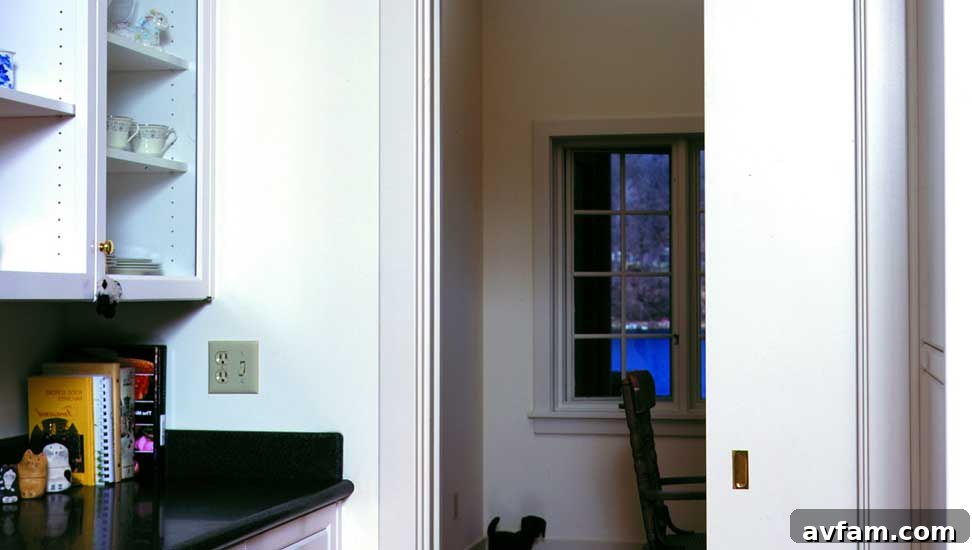
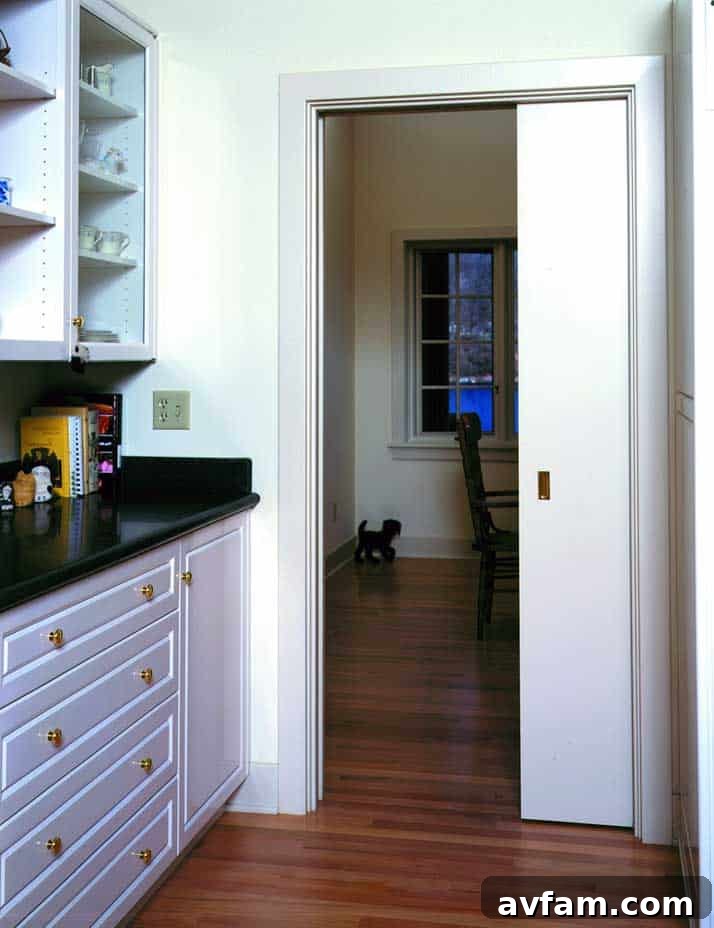
Mastering Pocket Door Installation: A Comprehensive Guide to Space-Saving Solutions
Pocket doors have captivated homeowners and designers for years with their ingenious design and remarkable ability to optimize living spaces. What was once considered an architectural curiosity is now a highly sought-after solution for modern homes, offering both aesthetic appeal and profound practical benefits. If you’ve ever pondered why these elegant, disappearing doors aren’t a more common fixture in residential designs, you’re not alone. This comprehensive guide aims to demystify pocket door installation, offering expert insights and practical tips to help you integrate them seamlessly and successfully into your home. We are delighted to share invaluable information, including essential building tips for installing pocket doors, provided by the esteemed industry leader, L.E. Johnson Hardware.
Why Embrace Pocket Doors? Unlocking Space, Style, and Functionality
Traditional swinging doors, while undeniably functional, demand a considerable amount of floor and wall space. A standard 32-inch wide swinging door, for instance, requires over 14 square feet of clear floor space to swing open 180 degrees and effectively conceals more than 16 square feet of valuable wall space when fully open. This spatial demand frequently restricts furniture placement, limits decor options, and can make smaller rooms feel even more confined. Pocket doors, by elegantly sliding into a discrete cavity within the wall, eliminate this spatial footprint entirely, offering a cascade of advantages:
- Unparalleled Space Optimization: Pocket doors are the ultimate solution for maximizing usable space. They are perfect for compact rooms, en-suite bathrooms, laundry areas, pantries, or narrow hallways where every single inch is precious. By freeing up both floor space for furniture and wall space for artwork, shelving, or light switches, they transform how you can utilize your interiors.
- Enhanced Aesthetics and Seamless Flow: These doors create fluid and uninterrupted transitions between rooms, contributing to an open, contemporary, and uncluttered aesthetic. When fully retracted, they seemingly vanish, maintaining clean lines and a sense of expansive openness that can significantly improve the perceived size and airiness of a home.
- Improved Accessibility and Universal Design: By removing the swinging arc of a conventional door, pocket doors facilitate wider, unobstructed openings. This makes them an exceptional choice for promoting universal design and improving accessibility, particularly for individuals using wheelchairs, walkers, or other mobility aids, ensuring easier and safer movement throughout the home.
- Versatility in Design and Application: Available in a diverse range of styles, materials, and configurations (including single, double, and bypass setups), pocket doors can be tailored to complement virtually any interior design scheme, from the most traditional to ultra-modern. Their adaptability makes them suitable for various functional zones within a home.
The Pocket Door Installation Process: Time, Considerations, and Expertise
One of the most frequent queries regarding pocket doors centers on their perceived installation complexity. Dispelling outdated notions, modern pocket door systems are engineered for relatively straightforward installation, especially when equipped with the right guidance, quality hardware, and a methodical approach.
How Long Does It Take to Install a Pocket Door?
The total duration of a pocket door installation largely hinges on whether the project is part of new construction or a renovation (retrofit) of an existing space.
- During New Construction: Integrating a pocket door system during the initial framing phase of a new build is remarkably efficient. The process of framing the necessary opening takes no longer than framing for a conventional swinging door, as walls are inherently open and readily accessible. This allows for seamless integration without additional demolition.
- Retrofit Installation in Existing Homes: Converting an existing standard door opening into a pocket door is more involved but entirely achievable. For an experienced contractor or a skilled do-it-yourselfer, the initial demolition and preparation phase – which includes removing existing drywall, dismantling old framing, and constructing the new rough opening for the pocket frame – can typically be completed in less than a day. This timeframe, however, is contingent on the absence of major electrical wiring, plumbing, or HVAC ductwork within the proposed wall cavity. If utilities are present, rerouting them will undeniably add significant time, complexity, and potentially cost to the project. Once the rough opening is meticulously prepared, the subsequent steps of installing the specialized pocket-door frame and hardware, followed by hanging the door itself, are surprisingly quick, often taking less than 30 minutes.
Leading manufacturers like L.E. Johnson Hardware have innovated their universal pocket-door frames to specifically expedite installation. Their popular 2’6″ and 3’0″ frames come conveniently pre-marked for effortless cutting to shorter lengths, simplifying customization on-site. Furthermore, they incorporate easy-to-install, self-adjusting floor brackets for the studs, which significantly streamline the assembly process. Johnson also provides optional trim kits that further accelerate and refine the finishing stages of your pocket door project, ensuring a professional and polished appearance.
Addressing Common Pocket Door Concerns and Potential Drawbacks
While pocket doors offer a wealth of advantages, it is crucial to understand and proactively address their unique characteristics and potential limitations. Fortunately, advancements in modern hardware and sophisticated installation techniques have significantly mitigated many of the issues historically associated with older, less refined pocket door systems.
Are There Any Disadvantages to Using Pocket Doors?
Prospective users should be aware of a few key considerations:
- Wall Strength and Header Requirements: A pocket door system necessitates a wider header, which must also be positioned higher in the wall to adequately accommodate the door’s header/track assembly. The finished wall containing the pocket cavity may inherently not be as structurally robust as a conventional 2×4 framed wall, especially if not reinforced. However, reputable manufacturers like L.E. Johnson Hardware address this by supplying studs that are expertly wrapped with metal on three sides for superior strength, rendering them significantly sturdier and more rigid than components found in some lesser-quality kits.
- Restrictions on Utility Installation: A critical limitation is that electrical wiring, plumbing lines, or HVAC ductwork generally cannot be installed within the wall cavity that houses the sliding pocket door. This necessitates meticulous planning during both new construction and retrofit projects. Effective solutions often involve rerouting these utilities to adjacent walls, strategically utilizing floor outlets, or carefully placing light switches, thermostats, and other wall-mounted fixtures on an opposing or nearby wall section.
- Soundproofing and Privacy Levels: Due to the inherent open cavity within the wall, pocket doors typically do not offer the same level of sound insulation or acoustic privacy as solid-core swinging doors equipped with tight seals and weatherstripping. While using a solid core door and adding some forms of weatherstripping can improve sound attenuation, they may not be the ideal choice for areas where maximum sound dampening and complete privacy are paramount (e.g., dedicated sound studios or specific bedroom configurations).
- Security Considerations: Standard pocket door locks provide a basic level of privacy, comparable to a typical bathroom door lock. For higher security requirements, specialized locking mechanisms are available, but they inherently differ from the robust deadbolt systems typically used on exterior swing doors. For interior applications where basic privacy is sufficient, they function perfectly well.
How Do I Remove a Pocket Door After It’s Installed?
Modern pocket door systems are specifically engineered for easier maintenance and removal, a significant improvement over older designs. To remove the door, you typically begin by unscrewing and carefully detaching the split head jamb. This action usually exposes the hanger mechanisms that secure the door to the track. You can then unlock or disengage the tabs that hold the door hangers to the rollers, allowing the door to be gently lifted off the track and removed from the opening. A considerable advantage offered by some innovative manufacturers, such as L.E. Johnson Hardware, is the capability to remove the track itself without the need to demolish an entire side of the wall. This design feature drastically simplifies future repair, replacement, or maintenance tasks, preventing extensive and costly drywall damage.
Can I Convert a Swinging Door into a Pocket Door?
Yes, converting an existing swinging door into a pocket door is a widely popular and practical retrofit option, provided you have sufficient, unobstructed wall space adjacent to the current opening to accommodate the new pocket cavity. After the door is properly hung within the new pocket frame and the essential hardware is installed, you can easily install a pocket-door lock or latch into the existing lock hole on the door panel. Any hinge cutouts from the door’s original use as a swinging door will be discreetly and completely hidden behind the new pocket split jambs, resulting in a clean, seamless, and professional finish that belies its former function.
Expert Building Tips for Flawless Pocket Door Operation and Longevity
Ensuring your pocket door operates smoothly, quietly, and flawlessly for many years to come demands meticulous attention to detail throughout the installation process. Here are crucial expert tips for achieving a successful and durable pocket door installation:
- Select the Appropriate Hardware for Your Door: Always, without exception, use hardware specifically engineered and rated to support the exact weight of the door you intend to use. L.E. Johnson Hardware’s standard kits are robust, reliably supporting doors weighing up to 125 pounds, with heavy-duty options readily available for doors up to an impressive 400 pounds. Crucially, never attempt to substitute bypass sliding door hardware for a pocket door system; they are designed for fundamentally different applications and possess distinct structural requirements.
- Secure the Track with Precision: It is paramount to nail or screw the track directly and firmly to the vertical framing studs, rather than solely to the header beam. If the header experiences any minute settling or slight sag over time, securing the track to the studs prevents the track itself from bending, warping, or becoming misaligned, which would inevitably impede smooth door movement and lead to frustrating sticking.
- Verify Stud Straightness Before Installation: Prior to commencing any installation, meticulously inspect all door-frame studs to ensure they are perfectly straight and free from any bowing, twisting, or warping. Even minor imperfections in the studs can critically compromise the door’s alignment, leading to an inconsistent reveal, binding, or uneven operation.
- Ensure Precise Plumb and Level Installation: It is absolutely essential to plumb the studs accurately and ensure the entire frame is perfectly level during installation. Exercise extreme caution and care not to bend or distort the studs while installing drywall, trim, or any other wall finishes, as any deviation will directly compromise the door’s ability to slide freely and smoothly.
- Install Pocket Split Jambs with Exactitude: Always install the pocket split jambs first, taking great care to ensure both are perfectly plumb and parallel to each other. This critical step guarantees that your door will fit properly within the opening and slide smoothly without binding, friction, or unsightly gaps.
- Enable Easy Access for Future Maintenance: For long-term peace of mind and simplified future accessibility, use screws to secure at least one of the split head jambs. This thoughtful measure allows for easier removal of the jamb should you ever need to access the track, rollers, or door hangers for routine maintenance, adjustments, or repair without resorting to extensive and damaging wall demolition.
- Prepare the Door Panel Meticulously: Ensure the door itself is perfectly straight, flat, and thoroughly finished on all six sides (including the top, bottom, and edges) before hanging. Proper sealing and finishing help to prevent warping, cupping, or swelling due to ambient moisture absorption or fluctuations in humidity, which are common causes of door binding.
- Communicate Clearly with Other Contractors: During multi-trade construction or renovation projects, explicitly communicate the precise location of all pocket doors to every other contractor on site (e.g., electricians, plumbers, HVAC technicians). This vital precaution helps prevent accidental damage, such as doors being scratched, inadvertently nailed open, or having their wall cavities compromised during subsequent work.
- Adhere Strictly to Manufacturer Instructions: Always thoroughly read, comprehend, and strictly follow the detailed installation instructions provided with your specific hardware kit. Manufacturers include these guidelines to ensure the proper function, optimal safety, maximum longevity, and warranty validity of their products. Do not deviate without understanding the implications.
- Consider Door Thickness Compatibility: Before purchasing, confirm that your chosen door thickness is fully compatible with the specific pocket door frame system. Most frames accommodate standard interior door thicknesses, but verifying this detail upfront can prevent significant installation headaches.
Choosing the Right Pocket Door System for Your Home
The overall success, smooth operation, and enduring longevity of your pocket door installation are profoundly dependent on the quality of the system you select. Investing in a reputable brand renowned for its engineering excellence, such as L.E. Johnson Hardware, can make a monumental difference in the performance and durability of your door. When evaluating different systems, look for key features that signify superior quality and thoughtful design:
- Heavy-Duty Hardware and Rollers: Prioritize roller and track systems that are designed for exceptionally smooth, quiet, and effortless operation. Look for components built from durable materials that can withstand the test of time and repeated use without premature wear or failure.
- Robust Frame Components: Opt for frame studs that are strong, rigid, and resistant to warping, such as Johnson’s innovative metal-wrapped studs. These components are crucial for maintaining the structural integrity of the wall pocket and ensuring the door glides consistently without binding.
- Ease of Installation and Adjustability: Features like pre-marked frames for easy cutting, self-adjusting floor brackets, and accessible removal mechanisms not only simplify the initial setup but also make future adjustments, maintenance, or repairs significantly less challenging and less invasive.
- Comprehensive Instructions and Support: A system that comes with clear, detailed, and easy-to-understand installation guides, coupled with readily available customer support, can be invaluable, especially for DIY enthusiasts who may encounter questions during the process.
Conclusion: Embrace the Modern Pocket Door for Enhanced Living
Pocket doors have undergone a remarkable evolution, shedding the often-problematic reputation of their predecessors. With significant advancements in hardware technology, sophisticated design, and refined installation techniques, they have emerged as a reliable, stylish, and highly functional choice for virtually any modern home. By comprehensively understanding their multifaceted benefits, proactively addressing potential concerns, and meticulously adhering to expert installation tips, you can successfully integrate these incredible space-saving marvels into your living environment. Prepare to enjoy the newfound open space, enhanced aesthetic appeal, and seamless functionality that a well-installed, high-quality pocket door system brings to your home.
For a detailed visual guide and animated installation walkthrough, please refer to the video below: