
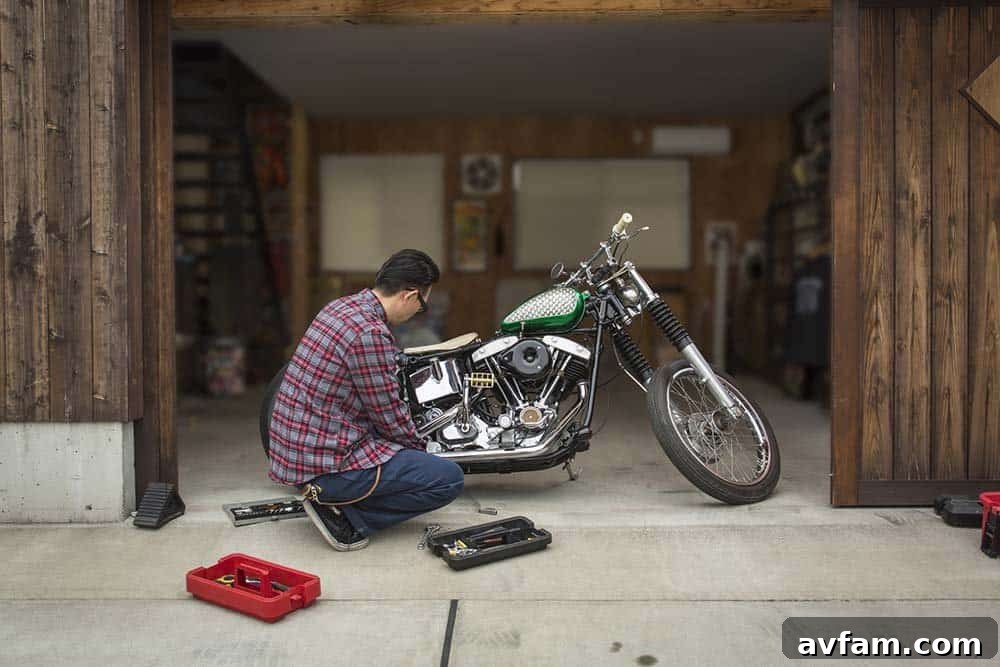
Building Your Dream Garage Workshop on a Budget: Practical Tips and Smart Solutions
Embarking on the journey to create your ideal garage workshop doesn’t have to break the bank. With a thoughtful approach, a bit of patience, and a knack for finding value, you can assemble a highly functional and inspiring workspace without overspending. This comprehensive guide will walk you through smart strategies for acquiring tools, setting up essential utilities, and organizing your space, all while adhering to a strict budget. The key is to prioritize quality, even if it means seeking out gently used equipment and creative DIY solutions.
Creating an efficient and comfortable garage workshop requires careful planning, especially when finances are a primary consideration. By focusing on essential needs and being exceptionally resourceful, you can transform an ordinary garage into a hub of productivity, innovation, and personal satisfaction. Whether you’re a seasoned mechanic, a budding woodworker, or simply need a dedicated space for home projects, a budget-friendly approach ensures your dream workshop becomes a reality, one cost-effective step at a time.
Essential Elements of a Budget-Friendly Garage Workshop Setup
Workbench: The Foundation of Your Creative Space
The workbench is arguably the most crucial piece of equipment in any workshop, serving as the primary surface for countless tasks, from intricate repairs to heavy-duty assembly. When building a workshop on a budget, it’s wise to look beyond new, expensive options. Online marketplaces such as Craigslist, Facebook Marketplace, and local classifieds are veritable goldmines for hidden gems. Individuals often list excess building supplies, forgotten tools, and even neglected workbenches for free or at very low prices. Regularly checking these platforms can yield incredible finds, requiring only a bit of restoration or adaptation.
Consider the immense potential of discarded materials. For instance, in regions with cold climates, resourceful individuals might find old ice fishing shanties after the winter season. These sturdy, temporary structures, often measuring around 8’x4’, can be carefully dismantled, and their robust lumber repurposed to construct a substantial workbench. Such a DIY project not only saves significant money but also offers the deep satisfaction of transforming what others considered waste into a valuable and functional asset for your workshop. When constructing or acquiring a workbench, always prioritize stability and a flat, durable surface. A well-built workbench provides a solid foundation for precision work, supports heavy loads, and ensures a safe working environment, directly impacting the quality of your projects.
Smart and Economical Tool Storage Solutions
Effective tool storage is absolutely vital for maintaining an organized and efficient workshop. Clutter not only hinders productivity and makes finding the right tool a chore but can also pose significant safety hazards. Instead of investing in pricey new tool chests, consider repurposing existing furniture. An old chest of drawers, whether salvaged from your own home, a thrift store, or even found curbside, can serve as an excellent, sturdy base for a portable toolbox. Its drawers can perfectly accommodate a wide array of non-mobile tools like wrenches, pliers, screwdrivers, and various measuring instruments.
Before loading it up with heavy tools, always inspect the drawer bottoms thoroughly. Older or cheaper chests might require reinforcement to prevent tools from falling through or the drawer from jamming due to weight. A simple plywood insert, L-brackets, or even a few wooden slats can shore up weak bottoms, ensuring longevity and optimal functionality. Other highly effective budget-friendly storage ideas include ubiquitous pegboards for hanging frequently used tools, custom DIY shelving units crafted from scrap wood or reclaimed pallets, and repurposed kitchen cabinets for larger, bulkier items. Maximizing vertical space with wall-mounted solutions can dramatically clear floor space, reduce tripping hazards, and keep your tools easily accessible and visible.
Electrical Outlets: Powering Your Projects Safely and Efficiently
While often underestimated or overlooked in budget planning, a well-planned and safely installed electrical setup is paramount for both safety and operational efficiency in any workshop. Skimping on sufficient outlets can lead to an over-reliance on extension cords, which are not only inconvenient trip hazards but also potential fire risks, especially when overloaded or damaged. Many older garages lack sufficient dedicated outlets or circuits, severely limiting the safe use of higher-powered devices such as circular saws, grinders, air compressors, or welding equipment.
If you own your property and your budget allows, investing in additional, properly installed electrical outlets by a qualified electrician is highly recommended. This ensures adequate power capacity for all your tools, reduces the risk of tripped breakers, and minimizes reliance on temporary solutions. However, if you’re renting, or extensive modifications aren’t feasible, strategically placed power strips equipped with surge protection can offer some relief. Always be critically mindful of the power capacity of both the power strip and the electrical circuit it’s connected to, strictly avoiding overloading to prevent hazards. Prioritize safety by keeping all cords tidy, bundling them safely, and never running them across pathways where they could be damaged, tripped over, or become a fire risk.
Optimal Lighting for Precision, Productivity, and Safety
Good lighting is absolutely indispensable in any workshop environment. Inadequate illumination can lead to severe eye strain, increase the likelihood of making errors in your work, and significantly elevate the risk of accidents. If extensive fixed lighting installations are beyond your immediate budget or property permissions, focusing on versatile task lighting is an intelligent strategy. A single, bright, positionable, and portable light source can make a dramatic difference. Look for used industrial-style fixtures or even high-quality drafting lamps from office clear-outs, closing businesses, or online marketplaces. Draftsman’s table lights, for example, offer exceptional adjustability and brightness, making them ideal mounted task lights for illuminating your workbench directly.
While it might initially seem like a smart cost-saving measure to opt for cheap, dim, or poorly positioned lighting, this is often a false economy. The precious time wasted squinting, fumbling, and struggling to clearly see your work will far outweigh any initial financial savings. Invest wisely in a good LED shop light or a high-quality portable LED work light. Consider energy-efficient LED options, which provide superior brightness with significantly lower energy consumption, saving you money on electricity bills in the long run. Strategic placement of these task lights can precisely illuminate critical work areas, enhancing both the precision of your work and overall workshop safety by eliminating dangerous shadows.
Heating and Cooling for Year-Round Comfort and Productivity
Working comfortably in a garage that’s either freezing cold in winter or stifling hot in summer can significantly impact your focus, comfort, and overall productivity. While a full, integrated HVAC system might be out of budget, there are numerous cost-effective ways to manage temperature fluctuations effectively. For heating, explore the robust used market for forced-air heaters. Automotive shops or industrial facilities upgrading their equipment often sell older, but still perfectly functional, units at reasonable prices. Diesel or propane heaters can provide significant warmth, but it is absolutely crucial to ensure proper ventilation to avoid dangerous carbon monoxide buildup and to adhere to all manufacturer’s safety guidelines. For smaller, well-insulated spaces, a simple, well-maintained electric space heater can also be quite effective.
For cooling, good old-fashioned fans are your best friends. A powerful box fan or an oscillating stand fan can generate much-needed airflow, especially when strategically placed near an open door or window to facilitate cross-ventilation. Consider investing in a durable industrial fan for maximum air movement in larger spaces. While these are not a substitute for air conditioning, creating good airflow can make a substantial difference on hot days, making the workspace tolerable. Additionally, improving your garage’s insulation – adding weatherstripping around doors and windows, or even insulation panels in walls or ceilings – can significantly reduce energy costs for both heating and cooling in the long term, offering a worthy upfront investment that pays dividends over time.
Flooring: Protecting Your Garage and Projects on a Dime
The bare concrete floor of a typical garage is inherently prone to spills, stains from oil, grease, or paint, and dust accumulation, all of which can be frustrating to clean and maintain. While high-end epoxy coatings or specialized rubber tiles might be desirable for their aesthetics and durability, they are often not budget-friendly options. Instead, focus on practical protective measures and easy-to-implement, low-cost cleaning solutions. Laying down scrap cardboard in high-spill areas, particularly under vehicles, machinery, or work surfaces, is an excellent, virtually free way to absorb drips and contain messes. These cardboard sections can be easily replaced as they become soiled, offering a continually fresh surface.
Drip pans are useful for catching smaller, isolated leaks, though they won’t capture everything. For larger oil, grease, or paint spills on concrete, a simple and incredibly cheap solution is ordinary cat litter. Dollar stores or discount retailers often sell large bags of cat litter at unbeatable prices. It is highly absorbent and remarkably effective at soaking up various fluids, making cleanup much easier and preventing deep concrete stains. As an added bonus, spare bags of cat litter can be repurposed for weighting down outdoor tarps, securing items against wind, or even providing emergency traction on icy surfaces. While a pristine, showroom-quality floor might be a distant dream on a tight budget, these practical strategies keep your workspace safer, cleaner, and much more manageable.
Tools: Investing in Lasting Quality, Not Just Low Price Tags
When it comes to acquiring tools for your workshop, the common dilemma revolves around choosing between expensive new, cheap new, and expensive used. Generally, investing in someone else’s high-quality used tools offers the best long-term value and performance. Cheap new tools often fall into the trap of “false economy” – they tend to break frequently, perform poorly, lack precision, and ultimately cost more in replacements, repairs, and sheer frustration than what was initially saved. Quality brands like Snap-on, Milwaukee, Makita, DeWalt, or Lincoln (for welding equipment) are engineered and built to last for decades. A well-maintained used version of these brands will almost always outperform a brand-new, low-end alternative from a budget brand.
Estate sales, reliable pawn shops, online marketplaces (Craigslist, Letgo, OfferUp, eBay), and even local garage sales are excellent places to find quality used tools. Look specifically for tools from older generations; individuals who have spent decades accumulating tools likely invested in durable, professional-grade equipment. When inspecting used tools, meticulously check for wear and tear, listen for any strange noises during operation, and ensure all parts are functional and safe. While retailers like Harbor Freight offer inexpensive new tools and can be a good option for certain consumables (like grinding discs or sandpaper) or tools you’ll use very infrequently, always prioritize acquiring used quality for frequently used or critical items. The timeless mantra “buy once, cry once” rings profoundly true for tools: a quality tool will serve you reliably and safely for many years, proving its worth countless times over.
Entertainment: A Little Comfort Goes a Long Way
A little background noise, some favorite music, or an engaging podcast can significantly enhance your workshop experience, making long projects more enjoyable and helping the time fly by. Your smartphone is a readily available and versatile source of entertainment. However, remember to protect it diligently from the harsh workshop environment. Dust, sawdust, metal filings, and various liquids are common enemies of delicate electronics, so keeping your phone in a Ziplock bag or a sealed, protective container while working can prevent irreversible damage. Be especially mindful of where you place it, avoiding areas where it could be rolled over, dropped, submerged in fluids, or exposed to excessive heat. Alternatively, a robust, older Bluetooth speaker that is specifically designed to withstand a bit of dust, grime, and accidental bumps is a worthy investment for dedicated workshop tunes, allowing your phone to remain safely tucked away.
Ventilation: Breathe Easy and Stay Safe in Your Workspace
Proper ventilation is absolutely critical for both your health and safety in any workshop, especially when dealing with fumes from paints, solvents, welding, or dust from woodworking, grinding, and sanding. Stagnant air filled with airborne particles and chemical vapors can be extremely harmful to your respiratory system. The simplest and most budget-friendly ventilation solution is often a good old-fashioned fan combined with open doors or windows to create effective cross-ventilation. A powerful exhaust fan positioned in a window can actively draw stale, contaminated air out of the garage, simultaneously pulling fresh air in from another opening.
For more specific tasks that generate localized fumes or dust, consider investing in a portable fan that can be precisely positioned to direct contaminants away from your breathing zone. While elaborate, multi-stage air filtration systems can be quite expensive, even a DIY air cleaner made from a simple box fan and standard furnace filters can significantly improve the overall air quality in your workshop. Never underestimate the importance of fresh air; it keeps you alert, healthy, and safe, especially when working with materials that produce harmful airborne contaminants. Always prioritize your respiratory health with adequate ventilation and, if necessary, personal protective equipment like respirators.
Strategic Approach to Building Your Budget Garage Workshop
- Prioritize Quality Used Items: Make it a habit to consistently check online marketplaces (Craigslist, Letgo, OfferUp, Facebook Marketplace) and local sales (estate sales, garage sales, pawn shops) for high-quality used tools and equipment. Patience is key to finding excellent deals.
- Manage Expectations Realistically: Understand that building a workshop on a tight budget is a marathon, not a sprint. Be patient and willing to wait for the right deals. Your workshop will naturally evolve and improve over time as your budget and needs change.
- Work Within Your Financial Means: Absolutely avoid going into debt for your workshop. Build it incrementally, adding essential tools and features as your budget allows. Resourcefulness, creativity, and a long-term perspective are your greatest assets.
- Embrace DIY Solutions and Repurposing: Many workshop needs can be met with simple, homemade solutions using repurposed materials. From constructing custom workbenches and storage shelves to organizing tool holders, a DIY approach saves significant money and offers immense personal satisfaction.
- Focus on Safety First and Foremost: Never compromise on safety. Ensure proper electrical wiring, adequate and bright lighting, effective ventilation, and safe storage of all tools and hazardous materials, even when working with the tightest of budgets. Your well-being is priceless.
- Plan Your Layout Thoughtfully: Before acquiring many items, take the time to sketch out your ideal workshop layout. Consider workflow, tool accessibility, and dedicated zones for different tasks. Good planning can prevent costly mistakes and maximize your space.
Building a functional, inspiring, and highly efficient garage workshop on a budget is an entirely achievable goal for anyone willing to invest time, creativity, and a bit of elbow grease. By diligently following these tips and focusing on smart acquisitions, resourceful repurposing, and gradual, strategic expansion, you can create a personalized space that caters to all your DIY needs without the financial strain. Your dream workshop is not just a fantasy; it’s well within reach!