
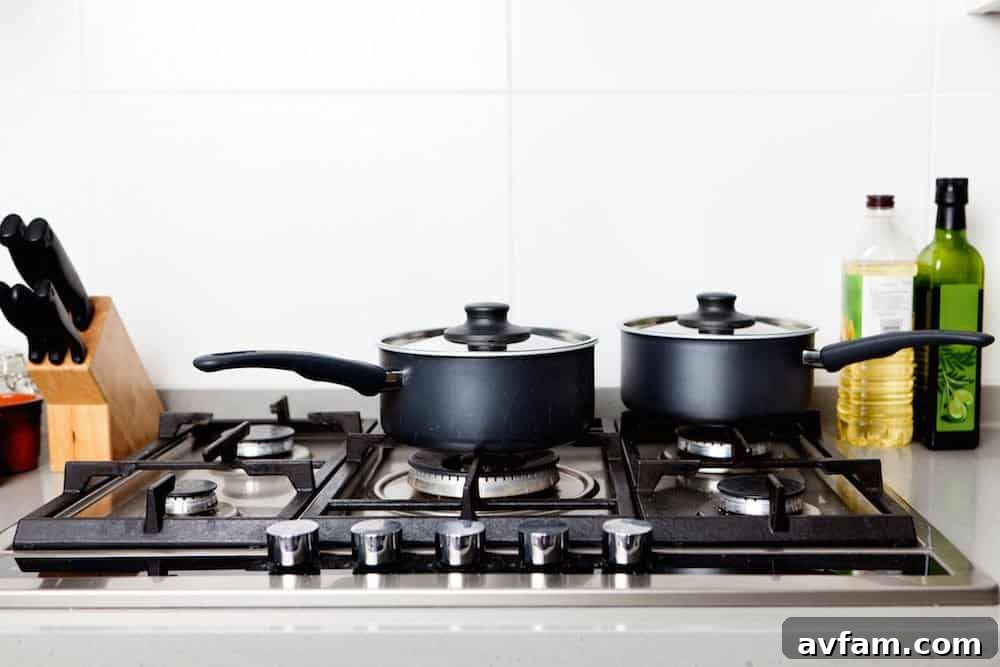
Navigating the world of kitchen appliances can be daunting, especially when terms like “range,” “stove,” and “cooktop” are often used interchangeably. Homeowners frequently ask, “What exactly is the difference between a range, stove, and cooktop, and which one is right for my kitchen?“
Understanding these distinctions is crucial for making an informed decision that suits your culinary habits, kitchen design, and budget. This comprehensive guide will meticulously break down each appliance, exploring their unique features, advantages, disadvantages, and ideal applications, ensuring you choose the perfect cooking solution for your home.
What is a Range? Understanding This Versatile Kitchen Appliance
At its core, a range is a single, freestanding appliance that intelligently combines a cooktop and an oven into one cohesive unit. Often referred to simply as “stoves” in common parlance or more specifically as “stovetop ovens,” ranges are arguably the most common and recognizable cooking appliance in homes across the United States. Their integrated design offers unparalleled convenience, providing both baking and stovetop cooking functionalities in a compact footprint.
Ranges are incredibly versatile, available in both gas and electric power sources, and come in a vast array of sizes, styles, and finishes to complement any kitchen decor. The most popular models for residential use typically measure between 30 to 36 inches in width, featuring a cooktop with anywhere from two to six burners. The accompanying oven can be either gas or electric, depending on the model and the homeowner’s preference. Beyond standard elements, many modern ranges now incorporate advanced features such as convection baking, self-cleaning cycles, warming drawers, and even air frying capabilities, enhancing their utility and appeal.
Key Advantages of Choosing a Range
- Space Efficiency: For kitchens with limited space, a range is an ideal choice. By integrating the cooktop and oven, it eliminates the need for two separate appliances, thereby freeing up valuable countertop or cabinet space. This makes them particularly suitable for smaller kitchens, apartments, or homes where maximizing usable area is a priority.
- Cost-Effectiveness: Generally, ranges represent a more budget-friendly option compared to purchasing a separate cooktop and wall oven. Their all-in-one design often translates to a lower initial purchase price and simplified installation, as only one appliance needs to be connected to power and/or gas.
- Ease of Installation: Most freestanding ranges are relatively simple to install. Electric models typically just require plugging into a dedicated 240-volt outlet, while gas models connect to a gas line. Their freestanding nature means they can be placed almost anywhere there’s proper utility access and ventilation.
- Standardization: Given their widespread popularity, ranges come in standard sizes, making them easy to replace or upgrade without extensive kitchen modifications.
Potential Disadvantages of Ranges
- Integrated Functionality Risks: A significant drawback of a combined unit is that if one component (either the cooktop or the oven) malfunctions, you might need to replace or repair the entire appliance. This can be more complex and costly than servicing a standalone unit.
- Cleaning Challenges: Due to their size and the potential for spills and splatters across both the cooktop and oven sections, ranges can sometimes be more challenging to clean thoroughly compared to separate components.
- Limited Design Flexibility: While ranges come in many styles, their freestanding nature means they don’t offer the same level of integrated, custom look that a separate cooktop and wall oven might provide.
What is a Stove? Clarifying Terminology and Modern Interpretations
The term “stove” can be a source of confusion because, in contemporary retail, it’s often used synonymously with “range.” However, historically and in some specific contexts, a stove refers to a slide-in or drop-in appliance that, like a range, combines a cooktop and an oven, but is specifically designed to be installed flush within existing cabinetry or a kitchen countertop. Unlike a freestanding range, which has finished sides and can stand alone, a stove (in this specific modern interpretation) is engineered to blend seamlessly into your kitchen’s aesthetic, creating a more built-in and custom appearance.
Modern slide-in or drop-in “stoves” are available in both gas and electric variations, typically featuring cooktops with four to six burners. Higher-end models often include specialized burners like griddles, power burners, or simmer burners, offering enhanced cooking versatility. They also boast more sophisticated control panels, sometimes located at the front, to avoid reaching over hot pots and pans, further contributing to their sleek, integrated look.
It’s important to note the historical context: the term “stove” originally referred to a heating apparatus, like an old wood-burning or cast-iron stove used to heat rooms or cook food, separate from modern kitchen appliances. While modern appliance retailers like Home Depot and Lowe’s now primarily categorize these integrated units as “ranges,” understanding the “slide-in” or “drop-in” distinction is key to differentiating them from traditional freestanding ranges.
Advantages of a Slide-in or Drop-in Stove
- Integrated Aesthetic: The primary benefit of a slide-in or drop-in stove is its ability to create a sophisticated, custom look. Designed to sit flush with countertops, these appliances minimize gaps and provide a sleek, streamlined appearance that elevates the overall kitchen design.
- Enhanced Features: Stoves often come equipped with more advanced features and customization options than their freestanding counterparts, including more precise temperature controls, larger oven capacities, and premium finishes.
- Ergonomic Design: Many slide-in models feature front-mounted controls, which are both aesthetically pleasing and more ergonomic, preventing users from having to reach over hot cooking surfaces.
Disadvantages of Stoves
- Higher Cost: Stoves tend to be more expensive than freestanding ranges due to their specialized design, premium features, and the expectation of a more sophisticated finish.
- Complex Installation: Professional installation is often required, as stoves need precise cabinet cutouts and countertop modifications to achieve their seamless fit. This can add to the overall cost and complexity of a kitchen renovation.
- Repair Challenges: Similar to freestanding ranges, if a component breaks, the entire unit may need servicing, which can be more involved due to its built-in nature.
What is a Cooktop? The Ultimate in Kitchen Design Flexibility
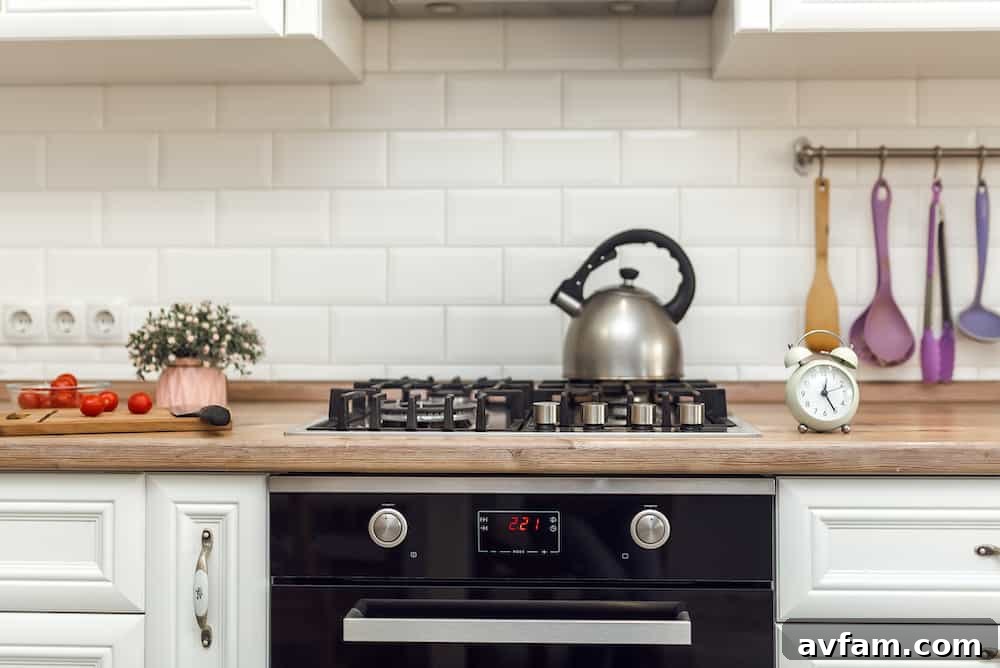
A cooktop is a standalone cooking appliance designed exclusively for surface cooking, meaning it does not include an oven. This appliance is specifically engineered to be installed directly into a countertop or a kitchen island, offering maximum flexibility in kitchen layout and design. Because it lacks an integrated oven, a cooktop is typically paired with a separate wall oven, a microwave oven, or even a combination unit, allowing homeowners to customize their cooking setup to their exact specifications.
Cooktops are available in three main power sources: gas, electric (including radiant and smooth-top variations), and induction. They usually feature anywhere from two to six burners or heating elements, with some advanced models offering griddles, wok rings, or bridge elements to accommodate oversized cookware. The independent nature of a cooktop empowers designers and homeowners to create highly functional and aesthetically pleasing kitchen workspaces, separating the cooking surface from the baking unit.
Advantages of Choosing a Cooktop
- Unmatched Design Flexibility: The primary advantage of a cooktop is its ability to be installed almost anywhere there’s a countertop cutout and utility access. This freedom allows for creative kitchen layouts, such as placing the cooktop on a central island for entertaining or positioning it strategically for an ergonomic workflow.
- Ergonomic Customization: By separating the cooktop from the oven, users can place their wall oven at an ergonomic height, reducing bending and making it easier to load and unload heavy dishes.
- Precise Temperature Control: Especially true for induction and high-end gas cooktops, these units often offer superior temperature precision, making them a favored choice among serious home chefs and culinary enthusiasts.
- Aesthetic Appeal: Cooktops, particularly smooth-top electric and induction models, offer a minimalist, sleek look that can significantly enhance a modern kitchen’s aesthetic.
- Independent Functionality: If your cooktop breaks, your oven is still fully functional, and vice versa. This means less disruption to your cooking routine during repairs.
Disadvantages of Cooktops
- Increased Cost: Purchasing a cooktop typically means also investing in a separate wall oven or microwave, which can make the overall cost of your cooking setup higher than that of a single range unit.
- More Complex Installation: Installing a cooktop requires precise cutting of a hole in your countertop or kitchen island. This process can be intricate and often necessitates professional installation, particularly for gas or induction models requiring specific electrical wiring or gas line connections.
- Requires More Space: While cooktops offer layout flexibility, the need for both a cooktop and a separate oven means you generally need more overall kitchen space to accommodate two distinct appliances.
Choosing the Right Appliance for Your Needs: A Comprehensive Guide
Selecting the ideal cooking appliance is a significant decision that impacts your kitchen’s functionality, aesthetics, and overall cooking experience. To make the best choice among a range, stove, and cooktop, consider the following key factors:
1. Assess Your Cooking Habits and Lifestyle
Your culinary routine is paramount. If you frequently bake, roast, or prepare large meals that require both stovetop and oven use simultaneously, a combined unit like a range or slide-in stove might be the most practical and efficient choice. Their integrated design streamlines the cooking process.
Conversely, if you seldom use an oven, primarily rely on stovetop cooking, or prefer to bake occasionally with smaller countertop appliances, a cooktop paired with a separate, potentially smaller wall oven could be a better fit. This setup also appeals to serious home cooks who desire the precise control offered by high-end cooktops.
2. Evaluate Your Kitchen Space and Layout
The physical dimensions and existing layout of your kitchen play a crucial role. For kitchens with limited square footage, where every inch counts, a freestanding range is an excellent space-saving solution. It offers both cooking functions without demanding additional countertop or cabinet space for separate units.
If you have a more expansive kitchen or are planning a complete renovation, a cooktop combined with a wall oven provides unparalleled design flexibility. You can place the cooktop on an island for an open, interactive cooking experience and position the wall oven at eye level for ergonomic loading and unloading. A slide-in stove offers a balance, providing an integrated look without needing separate cabinet cutouts for an oven.
3. Consider Your Budget and Installation Costs
Budgeting for kitchen appliances involves more than just the purchase price. Ranges are generally the most affordable upfront option, followed by cooktops (which require a separate oven purchase) and then slide-in stoves (due to their premium design and features). However, remember to factor in installation costs. A freestanding range might only need a simple plug-in or gas line connection, while cooktops and slide-in stoves often require professional installation, including precise countertop cutting, electrical work, or gas line extensions, which can significantly add to the overall expense.
4. Prioritize Kitchen Style and Aesthetic Integration
The aesthetic appeal of your kitchen is vital. If you prefer a more seamless, built-in look that blends perfectly with your cabinetry, a slide-in stove or a separate cooktop and wall oven combination will achieve this sophisticated integration. These options minimize visible gaps and create clean lines.
Freestanding ranges, while functional, have finished sides and are designed to stand out rather than blend in completely, though modern designs offer very stylish options. Consider the finish (stainless steel, black stainless, white, etc.) and how it will complement your existing kitchen decor and appliances.
Top Recommendations for Ranges and Cooktops
The Best Ranges
For those seeking a reliable and feature-rich gas range, we highly recommend this model from Frigidaire. It consistently receives excellent ratings, offers a competitive price point, and includes five versatile burners, making it suitable for a wide range of cooking tasks. If an electric range is more your style, this efficient unit from Kenmore stands out for its performance and value.
The Best Cooktops
When it comes to cooktops, this Frigidaire gas cooktop is an excellent choice, featuring five powerful burners. Frigidaire is renowned for providing legendary quality and durability in reasonably priced appliances. For an electric cooktop, we once again turn to Frigidaire, which offers one of the best-priced options from a trusted brand, without compromising on quality or functionality.
Essential Considerations: Ventilation Solutions for Your Kitchen
Beyond choosing the right cooking appliance, effective ventilation is a critical, often overlooked, aspect of kitchen design. Proper ventilation removes smoke, steam, odors, and airborne grease particles, ensuring a comfortable and clean cooking environment. When planning your kitchen, always factor in exhaust options suitable for your chosen appliance and kitchen layout.
There are several types of range hoods and ventilation systems:
- Wall-Mounted Range Hoods: These are the most common, installed on a wall above a range or cooktop, directly venting fumes outside through ductwork. They come in various styles, from traditional to modern, and can be a significant design element.
- Island Range Hoods: For cooktops installed on a kitchen island, an island hood hangs freely from the ceiling above, providing overhead ventilation. These often feature striking designs that become a focal point of the kitchen.
- Downdraft Ventilation Systems: An innovative solution, downdraft systems are integrated into the countertop or behind the cooktop. When activated, they rise vertically from the counter and pull cooking fumes downwards into a duct system located below the counter. These are excellent for maintaining an open sightline, especially on islands or in minimalist kitchens.
Consider factors like CFM (Cubic Feet per Minute) rating for fan power, noise levels, and the type of ducting required (ducted vs. ductless) to ensure your ventilation system effectively meets your cooking needs.
Insights from Leading Appliance Manufacturers: Bosch and Miele
Our recent experiences attending media events with industry giants like Bosch and Miele have provided invaluable insights into the evolving world of kitchen appliances. These esteemed German manufacturers are at the forefront of innovation, producing top-of-the-line kitchen solutions. Their extensive product lines include not only dishwashers, refrigerators, and ovens but also a wide array of premium ranges and sophisticated cooktops.
Through these educational opportunities, we’ve gained a deeper understanding of the meticulous engineering, sustainable practices, and user-centric design philosophies that define the modern kitchen. Brands like Bosch and Miele consistently set benchmarks for quality, durability, and technological advancement, offering appliances that transform daily cooking into an enjoyable experience. Their commitment to excellence underscores the importance of investing in appliances that not only perform exceptionally but also enhance the overall living space – the heart of every home.
Best Appliance for a Small Kitchen Space
For homes with limited kitchen real estate, the range unequivocally stands out as the best appliance choice. When countertop space is at a premium, making it impossible to accommodate a large separate cooktop, and there’s no available wall space for a built-in oven, a range provides a comprehensive cooking solution without sacrificing precious kitchen area. Its compact, all-in-one design maximizes functionality within minimal dimensions, ensuring you have both essential cooking and baking capabilities even in the smallest of kitchens or apartments.
Best Appliance for a Large Kitchen or Open-Concept Home
When space constraints are not a factor, a large kitchen or open-concept home presents the most opportunities for customized appliance solutions. In such environments, opting for a separate oven and cooktop offers unparalleled design freedom and ergonomic benefits. This allows you to select each component based on specific features and performance, then strategically place them within the kitchen. For instance, the cooktop can be installed on a central island for an engaging cooking experience, while the wall oven can be positioned at an ergonomic height in a dedicated cabinet tower, improving accessibility and workflow. This modular approach caters to diverse cooking styles and maximizes both functionality and aesthetic appeal in spacious settings.