

Welcome back to our insightful Window Wisdom series, proudly sponsored by Marvin Windows and Doors. Following last week’s comprehensive guide on how to perform a thorough window audit, you should now have a clear understanding of your existing windows’ condition. Whether you’re considering minor repairs or a complete overhaul, this ultimate window buying guide is designed to empower you with the knowledge needed to make the best decisions for your home.
Replacing your home’s windows is a significant investment, one that profoundly impacts comfort, energy efficiency, aesthetic appeal, and overall property value. It’s a decision that requires careful consideration, and while repairing existing windows is often the first recommendation, there comes a point when replacement becomes the most practical and beneficial path forward. Factors such as age, severe weather exposure, long-term neglect, or a major home renovation often necessitate upgrading your windows. This guide will walk you through the essential steps to “window shop” intelligently, ensuring your new windows perfectly align with your specific needs, aesthetic preferences, budget constraints, and desired functionality.
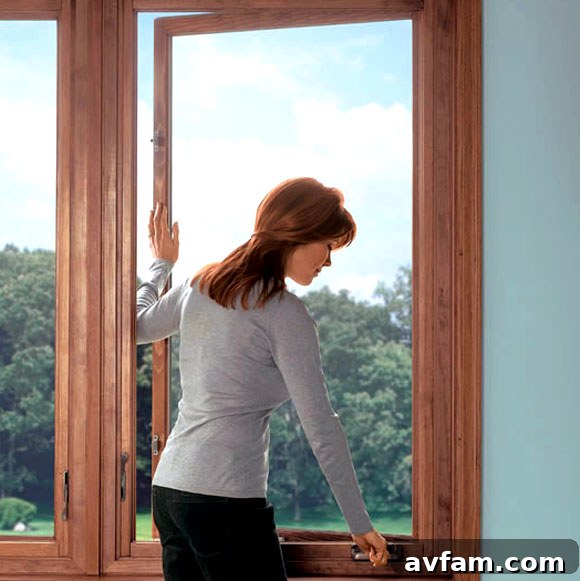
Understanding Window Materials: The Foundation of Your Choice
The frame material is a critical element, influencing your windows’ durability, maintenance requirements, aesthetic contribution, and energy performance. Let’s explore the most popular options available on the market today:
Wood Window Frames: Classic Beauty and Timeless Appeal
Wood frames are an excellent choice, particularly for remodeling projects or homes where preserving a classic, traditional aesthetic is paramount. Their natural warmth and rich appearance bring an undeniable charm to any interior. Many wood replacement windows feature pre-attached exterior brick moldings, designed to seamlessly blend with existing architectural styles. For older homes, especially those with historical significance, wood often remains the only option to maintain authenticity. While wood offers superior insulation properties, it does require regular maintenance, such as painting, staining, and sealing, to protect against moisture and decay. However, with proper care, wood windows can last for decades, offering unparalleled beauty and a comfortable indoor environment.
Aluminum-Clad Wood Windows: The Best of Both Worlds
Combining the natural beauty of wood interiors with a low-maintenance, weather-resistant exterior, aluminum-clad wood windows are a popular choice for both new construction and major renovations. The exterior cladding, typically made of aluminum or vinyl, protects the wood frame from the elements, eliminating the need for exterior painting. When considering clad windows, it’s crucial to understand the quality of the cladding. Higher-quality options, such as extruded aluminum, offer superior durability and impact resistance compared to thinner, roll-form aluminum (often compared to the thickness of a soda can). Extruded aluminum clad windows are far more robust and resistant to dents and scratches, ensuring a longer lifespan and better protection for the underlying wood. Vinyl clad windows also offer similar benefits, available in a variety of colors that require no painting, significantly reducing exterior maintenance.
Vinyl Windows: Affordable, Durable, and Low Maintenance
Vinyl windows have surged in popularity due to their affordability, excellent energy efficiency, and minimal maintenance requirements. Constructed from polyvinyl chloride (PVC), vinyl frames are resistant to rot, corrosion, and insects, and they never require painting. They come in a wide array of colors and styles, making them a versatile option for various home designs. The quality of vinyl can vary significantly, so look for windows made from virgin vinyl with multi-chambered frames for enhanced strength and insulation. While generally less rigid than wood or fiberglass, high-quality vinyl windows are an excellent value proposition for homeowners seeking a cost-effective, long-lasting solution.
Fiberglass Composite Windows: Strength, Stability, and Superior Performance
Emerging as a premium alternative, fiberglass composite windows offer exceptional strength and durability. Made from glass fibers and resin, fiberglass is inherently strong, stable, and resistant to extreme temperature fluctuations, meaning less expansion and contraction than vinyl. This dimensional stability helps maintain the window’s seal and energy efficiency over its lifespan. Fiberglass frames are also incredibly strong, allowing for narrower profiles that maximize glass area and views. While slightly more expensive than vinyl, their superior performance, longevity, and often paintable finish make them a worthwhile investment for homeowners prioritizing long-term value and robust construction.
Picking Your Glass: The Heart of Window Performance
Beyond the frame, the type of glass you choose is paramount to your windows’ energy efficiency, comfort, and security. Various glass options are available, each designed to meet specific needs and environmental conditions.
Single-Pane Glass: An Outdated Choice
Single-pane glass is largely obsolete in modern construction due to its poor insulating properties. It’s only suitable for very mild climates or non-insulated outbuildings where energy efficiency is not a concern. For virtually all residential applications, better options are available.
Double-Pane and Triple-Pane Insulated Glass Units (IGUs): Superior Insulation
Double-pane windows, also known as Insulated Glass Units (IGUs), feature two layers of glass with a sealed airspace in between. This air gap, often filled with an inert gas like argon, significantly reduces heat transfer, improving insulation and energy efficiency. Argon gas is denser than air and a poor conductor of heat, thus enhancing the window’s thermal performance. For even greater insulation and sound reduction, especially in colder climates or noisy environments, consider triple-pane windows. These units incorporate three panes of glass with two sealed gas-filled spaces, often using a mixture of argon and even denser krypton gas for maximum thermal performance.
Low-Emissivity (Low-E) Glass: Protecting Your Interiors and Your Wallet
Low-E glass features an invisible, microscopically thin metallic coating on one or more glass surfaces. This innovative coating works by reflecting infrared heat, keeping interiors warmer in winter by reflecting heat back into the room and cooler in summer by reflecting exterior heat away. Critically, Low-E coatings also block a significant amount of harmful ultraviolet (UV) rays, which are responsible for fading furniture, flooring, draperies, and upholstery fabric. This not only protects your interior furnishings but also contributes to substantial energy savings throughout the year.
Tinted and Tempered Glass: Enhanced Comfort and Safety
In hot climates, double-glazed tinted glass can be highly beneficial. The tint reduces solar heat gain, preventing excessive heat build-up inside the home and lowering air conditioning costs. For areas requiring extra strength and safety, such as patio doors, large picture windows, or windows close to the floor, tempered glass is an excellent choice. Tempered glass is specially treated to be four to five times stronger than standard glass. If broken, it shatters into small, blunt granules instead of sharp, jagged shards, significantly reducing the risk of injury. This makes it a mandatory requirement in many building codes for safety-critical applications.
Other specialized glass options include laminated glass for superior soundproofing and security, and obscure or privacy glass for bathrooms or other areas where light is desired but privacy is essential.
Energy Efficient Windows: A Smart Investment for Long-Term Savings
Investing in energy-efficient windows is one of the most impactful upgrades you can make to your home. Beyond the R-value, which indicates a material’s resistance to heat flow (higher R-value means better insulation), it’s important to understand other key metrics for windows:
- U-factor: This measures the rate of heat loss through a window. Unlike R-value, a lower U-factor indicates better insulating properties and less heat loss.
- Solar Heat Gain Coefficient (SHGC): SHGC measures how much solar radiation passes through a window and becomes heat inside your home. A lower SHGC is beneficial in hot climates to reduce cooling loads, while a higher SHGC might be desired in cold climates to maximize passive solar heating.
- Visible Transmittance (VT): VT measures how much visible light passes through a window. A higher VT means more natural light enters your home.
These values, often found on the National Fenestration Rating Council (NFRC) label, provide a comprehensive snapshot of a window’s energy performance. Top-quality, highly energy-efficient windows can achieve excellent U-factors (e.g., 0.25 or lower) and R-values (typically ranging up to 4.0 or higher for the entire unit, including frame and glass). Pairing advanced glass options like Low-E coatings and inert gas fills with well-insulated frames significantly reduces heating and cooling costs, enhances indoor comfort, and minimizes your carbon footprint. Always look for ENERGY STAR® certified windows to ensure proven energy performance.
Popular Window Styles: Blending Functionality with Aesthetics
The style of your windows plays a pivotal role in your home’s architectural character and your daily living experience. Here’s an overview of popular window styles, with illustrative photos courtesy of Marvin Windows & Doors:
Casement Windows: Unobstructed Views and Excellent Ventilation
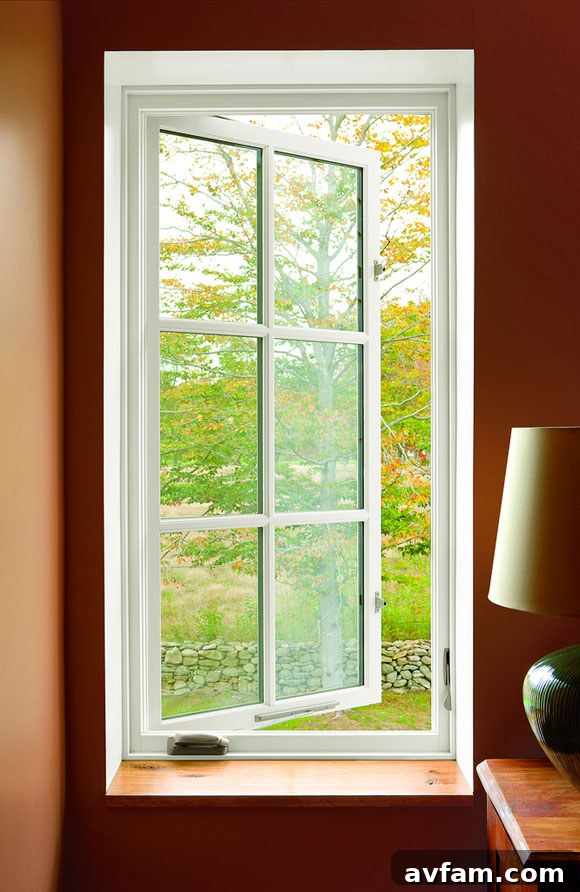
Casement windows are hinged at the side and open outward, typically operated with a crank. They are renowned for providing an unobstructed view and offering superior ventilation, as the entire sash opens to direct breezes into the room. Their sleek, contemporary lines make them a popular choice for modern and minimalist architectural styles. Available in a wide variety of sizes and multi-window units that can combine up to five separate sashes, casement windows are versatile and highly energy efficient when closed, thanks to their tight seal.
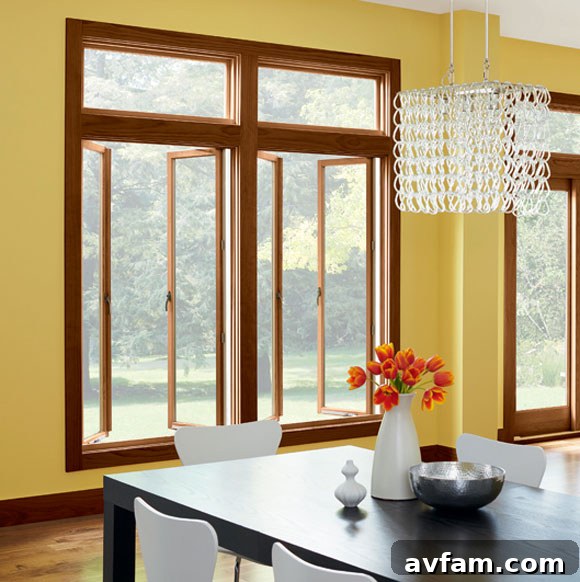
French casement windows, a variation, offer an expansive, unobstructed opening without a center post, creating a dramatic, wide-open feel. Both casement and French casement styles excel at maximizing natural light and airflow, making them ideal for living rooms, kitchens, or any space where clear views and fresh air are desired.
Double-Hung Windows: Timeless Tradition and Versatile Airflow
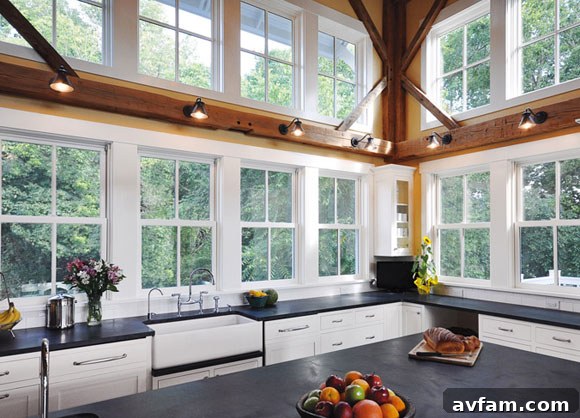
A classic and widely used window style, double-hung windows feature two sashes that slide vertically past each other. This traditional design offers versatile ventilation options: you can open the top sash, the bottom sash, or both simultaneously to create airflow. Modern double-hung windows often incorporate spring-mounted mechanisms, replacing the older weight-and-pulley systems, and frequently include tilt-in features that allow both sashes to tilt inward for easy cleaning from inside the home. This timeless style complements a broad range of architectural designs, from historic to contemporary.
Sliding Windows (Gliders): Space-Saving and Panoramic Views
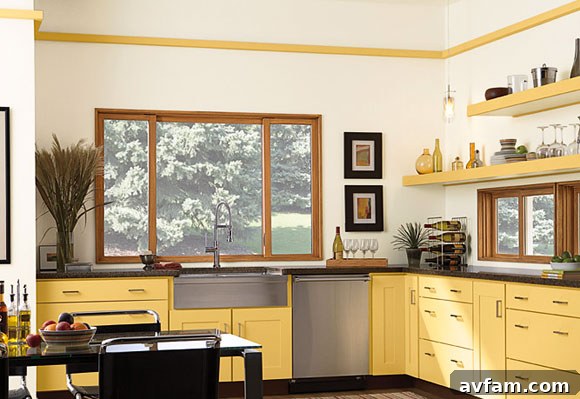
This Marvin glider window, recently released, includes a new easy-wash feature, making it a fantastic updated option, particularly for spaces like kitchens where ease of cleaning is a priority.
Sliding windows, also known as glider windows, open horizontally along a track. They are often a more economical choice and require minimal maintenance, making them a practical option for many homes. Like casement windows, they offer wide, unobstructed views. However, a common drawback is that only one half of the window typically opens, which can limit ventilation compared to casement or double-hung styles. Their space-saving design, as they don’t project outward or inward, makes them ideal for areas with limited space, such as over kitchen sinks or in walkways.
Bay and Bow Windows: Architectural Drama and Added Space
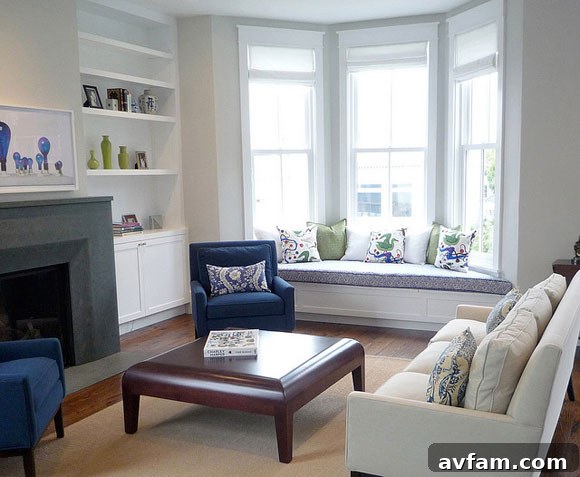
For those seeking to create a dramatic architectural statement and enhance interior spaciousness, bay windows are an exceptional choice. Consisting of three or more window units typically set at angles to project outward from the main wall, bay windows create a charming alcove perfect for a breakfast nook, a cozy reading space, or simply to add more “breathing room” to a dining area or living room. Bow windows are similar but feature a more curved, gentle projection, often with four or more identical window units, creating a soft, rounded appearance. Both styles significantly increase natural light, expand views, and add significant curb appeal and value to your home.
Additional Window Styles to Consider:
- Awning Windows: Hinged at the top and opening outward, awning windows are perfect for ventilation even during light rain. Often placed higher on walls or combined with fixed windows.
- Picture Windows: Fixed, non-opening windows designed to maximize views and natural light. Excellent for energy efficiency due to their sealed, non-operational nature.
- Specialty Windows: Custom-shaped windows (e.g., arch, circle, octagonal) used to add unique architectural details and visual interest.
Critical Considerations Before You Buy: Planning for Success
Before finalizing your window purchase, several crucial planning steps will ensure a smooth process and a successful outcome:
Accurate Wall Thickness and Jamb Measurements: One of the most common pitfalls in window replacement is incorrect measurements. Manufacturers customize frame jambs to match your specific wall construction. Before ordering, meticulously measure the jamb width on an existing door or window. This measurement is critical to ensure a perfect fit and proper installation, preventing costly adjustments down the line. If you’re unsure, it’s always best to have a professional take these precise measurements.
Budgeting Beyond the Window Unit: While the cost of the window unit itself is a major factor, remember to account for other expenses such as professional installation, removal and disposal of old windows, and potential interior or exterior trim work. Obtaining multiple quotes and understanding what each quote includes will help you budget accurately and avoid unexpected costs.
Warranty and After-Sales Support: Always review the manufacturer’s warranty carefully. Understand what aspects are covered (glass, frame, hardware, labor), the duration of the warranty, and whether it’s transferable. A strong warranty signals a manufacturer’s confidence in their product and offers peace of mind for your investment.
Local Building Codes and Regulations: Familiarize yourself with local building codes and energy efficiency requirements. Ensuring your new windows comply with these regulations is essential for safety, structural integrity, and potential resale value.
Consult with Professionals: Don’t hesitate to consult with window specialists or experienced contractors. Their expertise can be invaluable in guiding your choices, from material selection to style considerations and installation specifics tailored to your home.
Professional Installation: Ensuring Longevity and Peak Performance
The best windows in the world will only perform as well as their installation allows. Professional installation is paramount for maximizing energy efficiency, ensuring structural integrity, and validating your warranty. Pre-hung windows, which come complete with finished frames, are designed to be inserted as one piece into the rough opening left after the old window is removed. It is absolutely critical to accurately measure the rough opening size to ensure your new window unit fits precisely.
Most high-quality, custom windows require several weeks for manufacturing and delivery. It is extremely risky, and strongly discouraged, to remove existing windows before your new units have arrived and been thoroughly inspected. Unforeseen shipping delays can leave your home exposed with large, uncovered openings, compromising security and inviting the elements indoors. To avoid this stressful scenario, play it safe: keep your old windows in place until your new ones are on site, inspected for any damage, and confirmed to be the correct size. A meticulous installation by certified professionals will ensure your new windows provide optimal performance, comfort, and beauty for decades to come.
Continue Your Window Wisdom Journey:
This guide is just one part of our comprehensive series. Dive deeper into optimizing your home’s windows with these related articles:
- Part I: Perform a Window Audit
- Part II: Window Buying Guide (You are here!)
- Part III: Cleaning & Caring for Windows