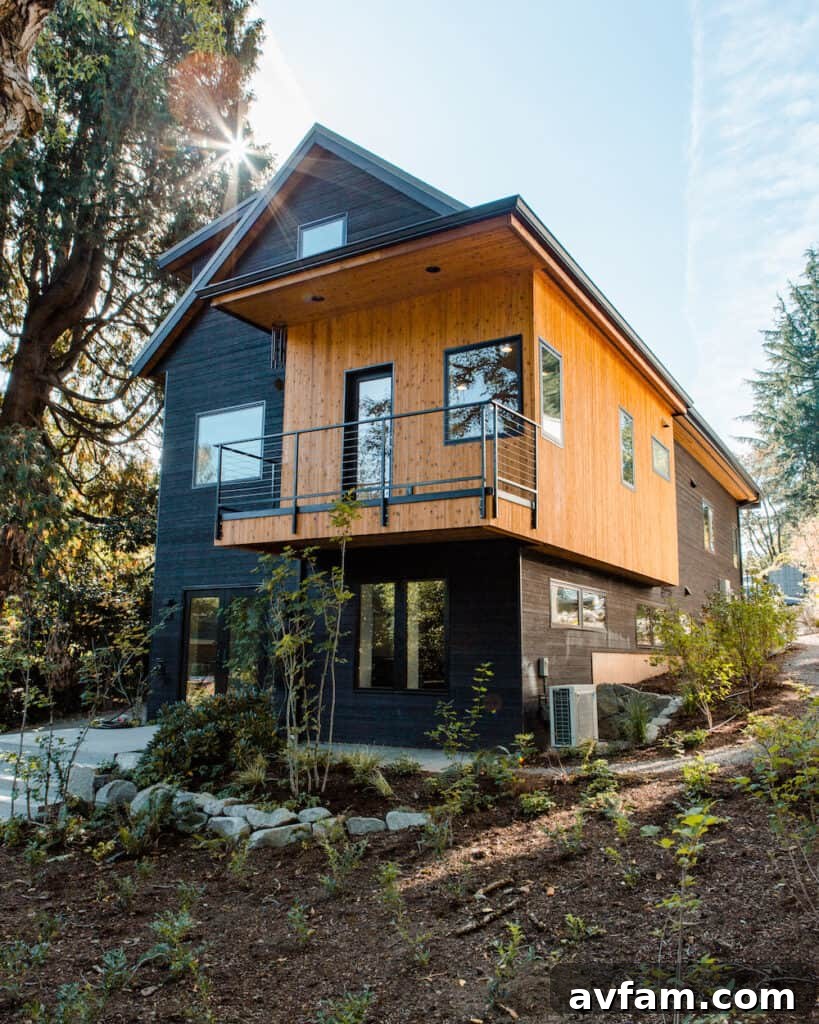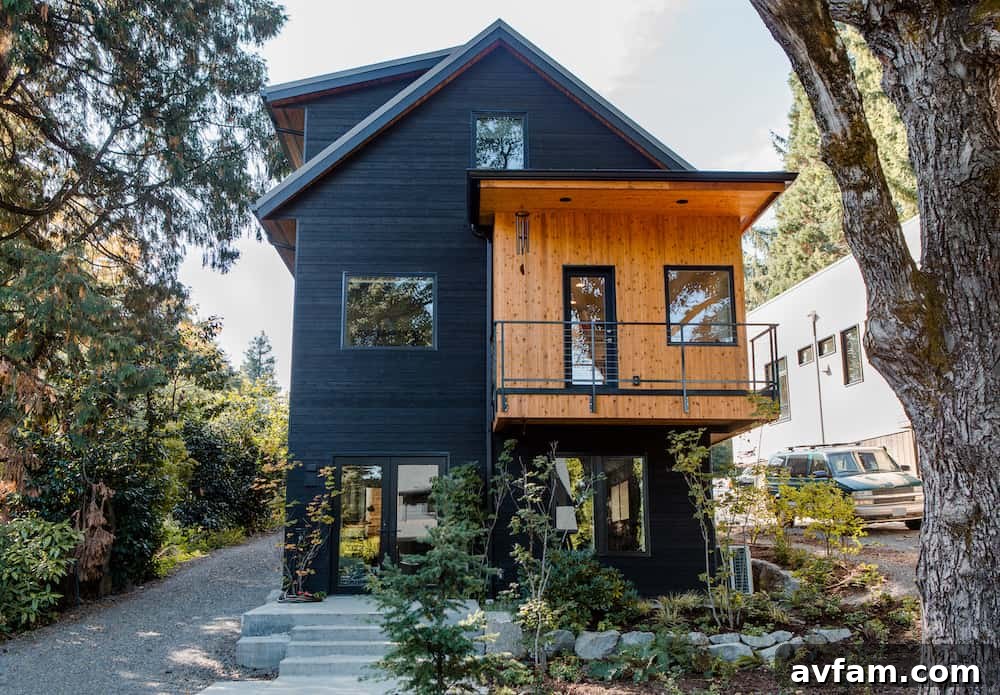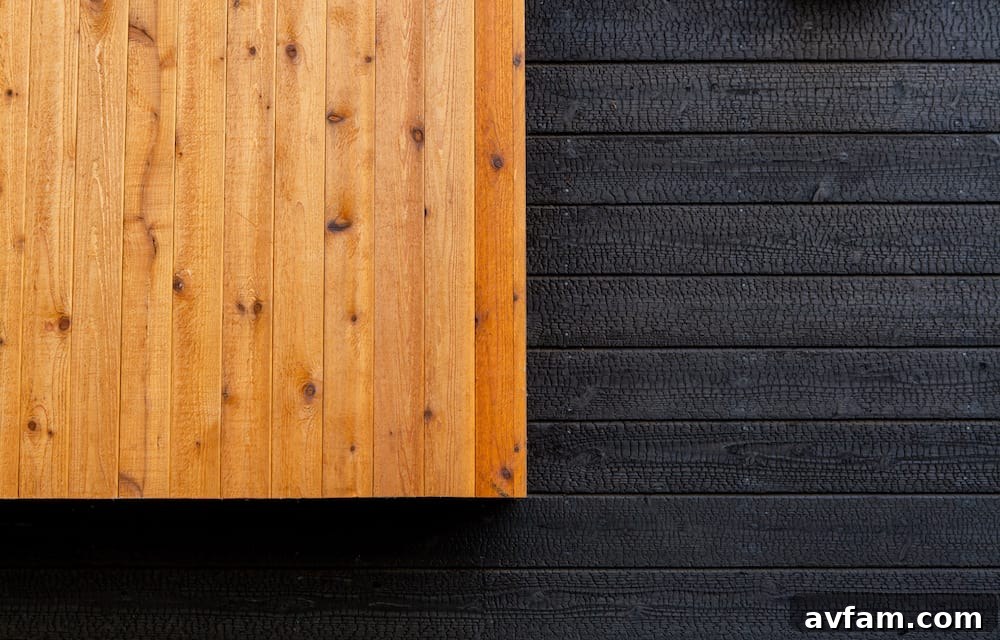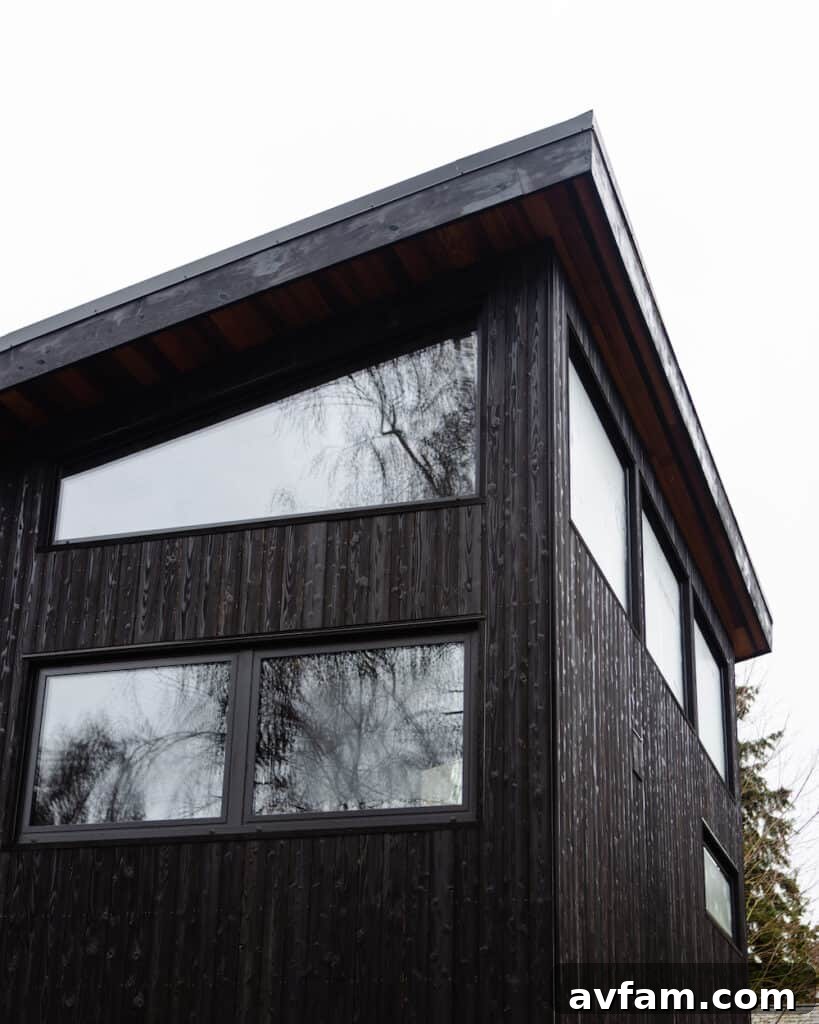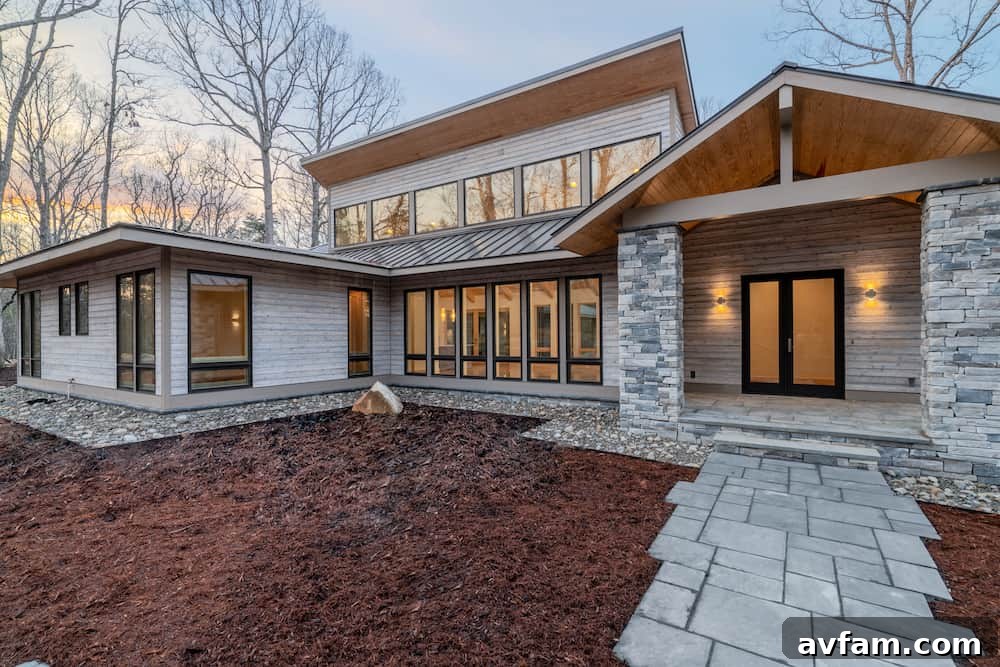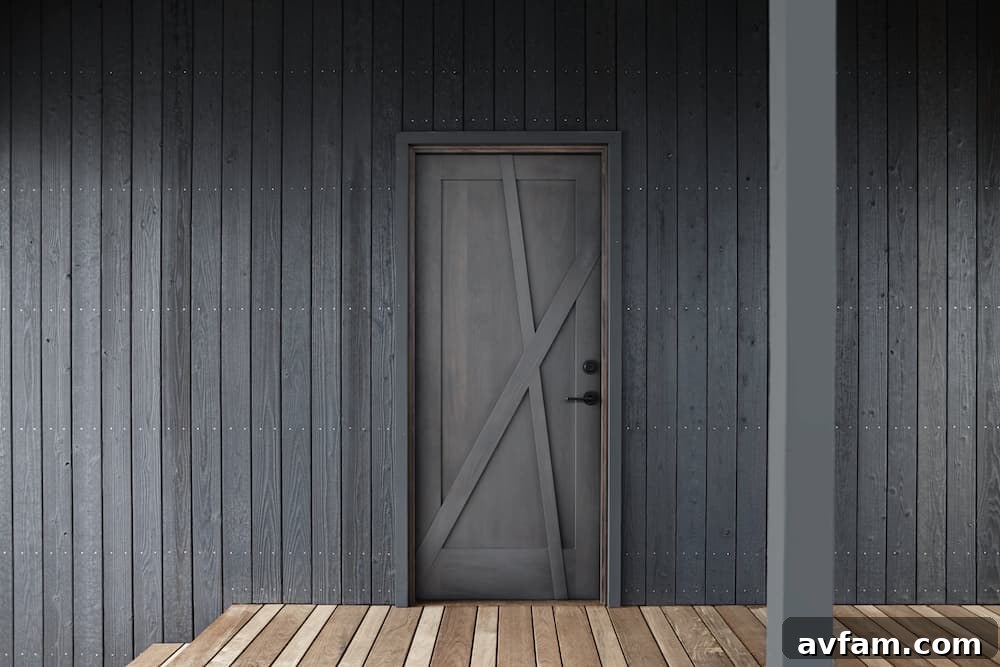
Embracing the profound beauty of natural materials, charred wood siding offers a distinctive and unparalleled aesthetic to the exterior of any building, especially those designed with a modern or contemporary sensibility. This ancient Japanese technique, known as Yakisugi, transforms ordinary timber into a visually striking and incredibly durable cladding material, providing a unique texture and rich, deep tones that evolve beautifully over time. It’s a testament to sustainable design, marrying traditional craftsmanship with modern architectural demands.
The allure of charred wood extends beyond its striking appearance. It introduces a subtle warmth and organic depth that can soften the often stark lines of modern architecture, creating a harmonious balance between the built environment and the natural world. This material is not merely a design choice but an investment in longevity and sustainability, making it a favorite among architects and homeowners seeking both beauty and performance.
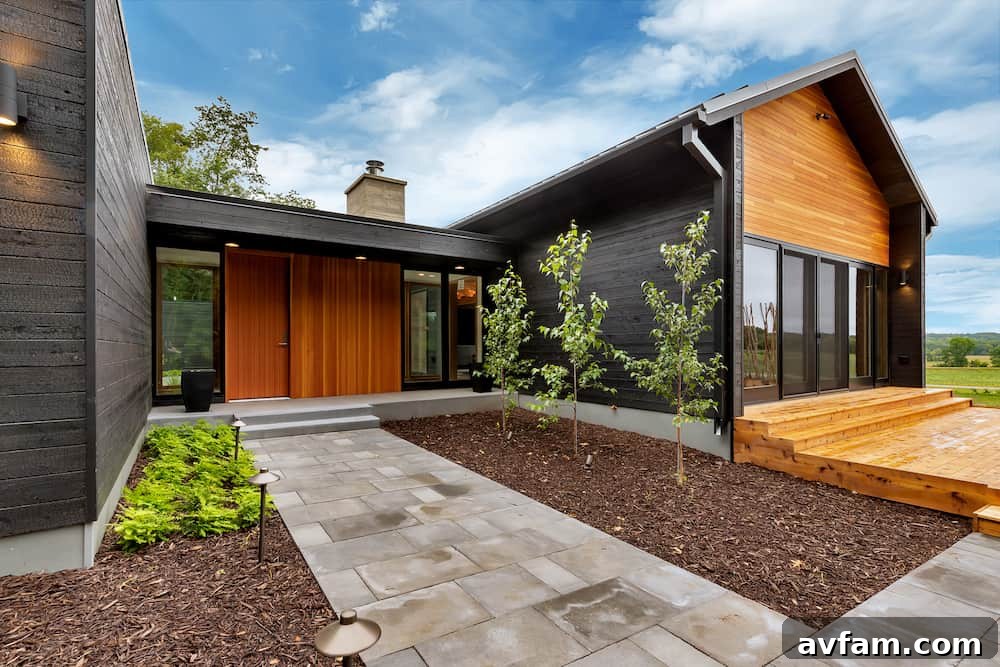
Originating in Japan centuries ago, Yakisugi is a traditional heat-treated wood siding material celebrated for its exceptional resilience and minimal maintenance requirements. This ancient practice, rooted in ecological principles, harnesses fire to naturally preserve wood, making it a truly sustainable choice for exterior cladding.
The Timeless History and Authentic Craft of Yakisugi
The history of Yakisugi is deeply entwined with Japanese architectural traditions, dating back hundreds of years. This method of wood preservation was developed to enhance the lifespan and performance of timber used in coastal regions, where exposure to harsh elements, rot, and insects was a constant challenge. By charring the outer surface of wood planks, a carbonized layer is created, forming a natural, protective barrier.
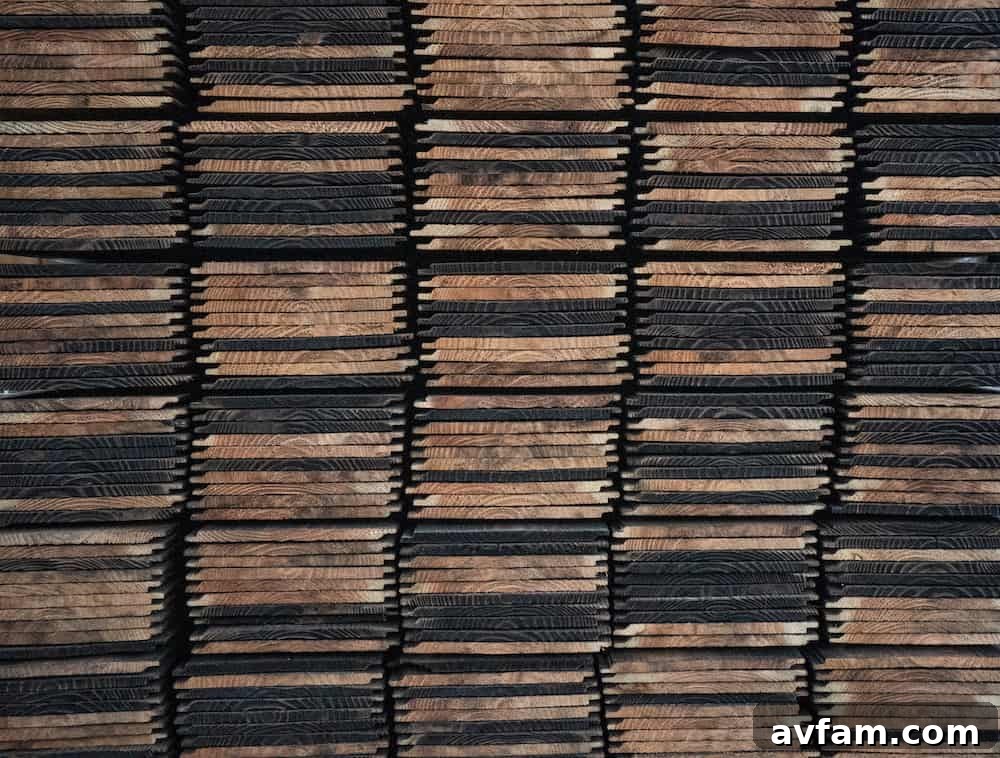
Beyond its protective qualities, the process of heat-treating wood by burning its outside faces yields remarkable aesthetic benefits. The charring makes the wood highly resistant to UV degradation, rot, fire, and pests, while simultaneously requiring little to no maintenance. It’s crucial to understand that Yakisugi is specifically a cladding product, designed for exterior applications, and not a process typically applied to internal wood elements like furniture or structural beams.
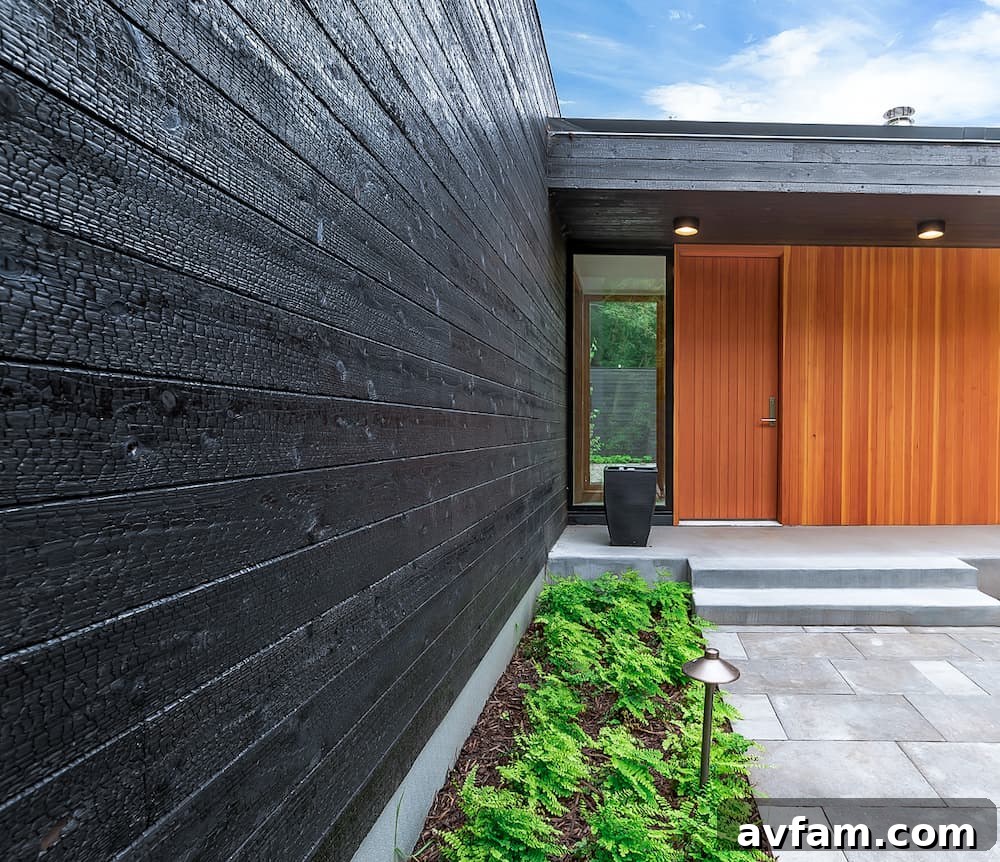
In Japanese, the authentic term is “Yakisugi-ita,” which directly translates to “burnt sugi planks.” Sugi, a specific type of Japanese cypress, is often colloquially referred to as “cedar” in Western contexts. The phrase “shou sugi ban,” commonly used in the West, is actually a misreading of the Japanese characters and refers to the same material and process. Understanding this distinction highlights the importance of respecting the origins and authenticity of this centuries-old technique.
Unmatched Durability and Environmental Advantages
The controlled charring process creates a durable carbon layer on the wood’s surface that acts as a natural sealant. This makes Yakisugi inherently resistant to many common threats that plague conventional wood sidings:
- Fire Resistance: The carbonized surface is less flammable than untreated wood, providing an additional layer of protection.
- Pest Deterrence: Insects and rodents are naturally repelled by the charred surface, eliminating the need for chemical treatments.
- Rot and Decay Resistance: The charring creates a waterproof barrier that prevents moisture absorption, a primary cause of rot and mildew.
- UV Stability: The dark carbon layer significantly reduces the impact of harmful UV rays, preventing fading and degradation over time.
- Low Maintenance: Once installed, Yakisugi requires virtually no upkeep, saving homeowners time and money on costly repairs or repainting.
Furthermore, Yakisugi is an incredibly eco-friendly choice. It utilizes a natural preservation method without the need for harsh chemicals or synthetic sealants, contributing to healthier living environments and reducing environmental impact. When sourced from sustainably managed forests, as it traditionally is, Yakisugi stands out as a truly green building material.
Nakamoto Forestry: Leading the Way in Authentic Yakisugi
Nakamoto Forestry stands as North America’s premier supplier of Yakisugi by volume, embodying a commitment to tradition, quality, and sustainability. Their philosophy revolves around providing the most ethically-manufactured and healthy materials available, all while maintaining a cost-conscious price point and achieving the shortest possible lead times. This dedication ensures that architects and builders have access to authentic Yakisugi that meets the highest standards.
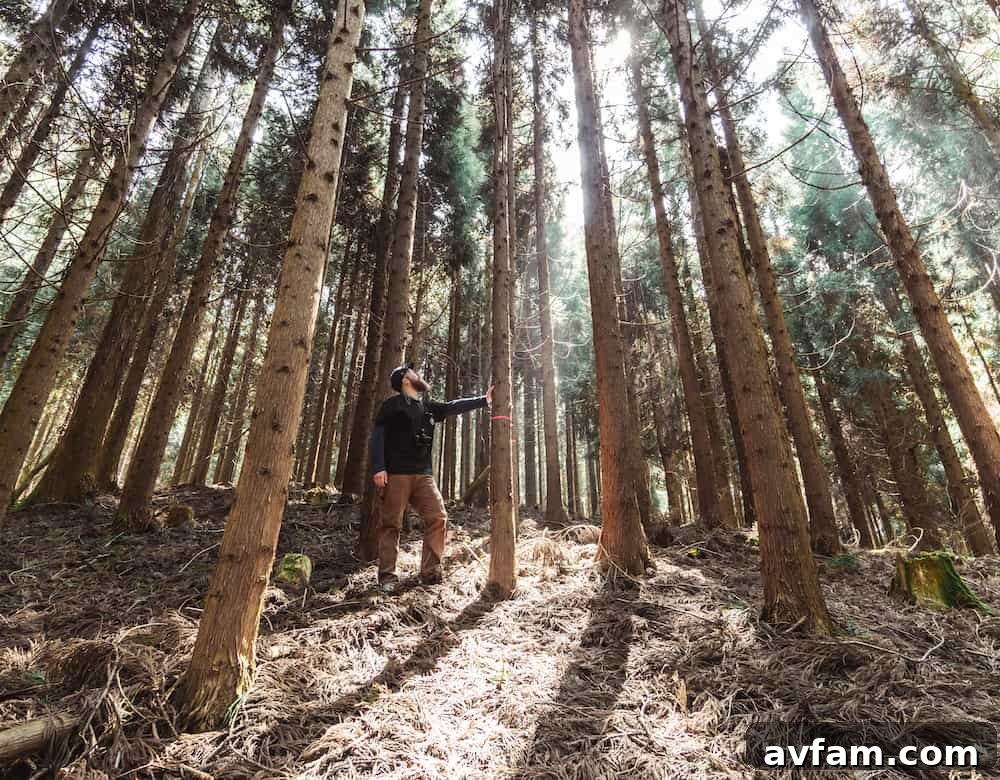
Their timber originates from their meticulously managed forests in Japan, specifically using actual sugi trees—the authentic material for Yakisugi. While the charring process follows traditional Japanese methods, the subsequent oil finishes are expertly applied in their U.S. facilities. Nakamoto Forestry offers three distinct traditional surfaces, each providing a unique texture and visual depth:
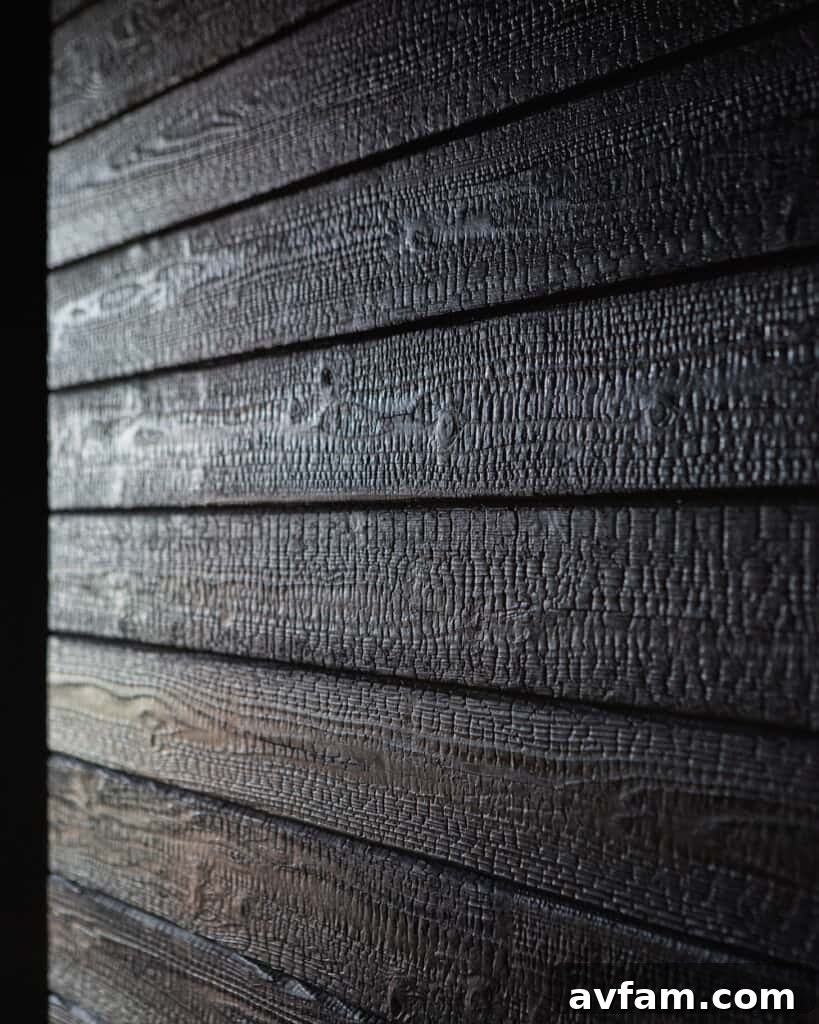
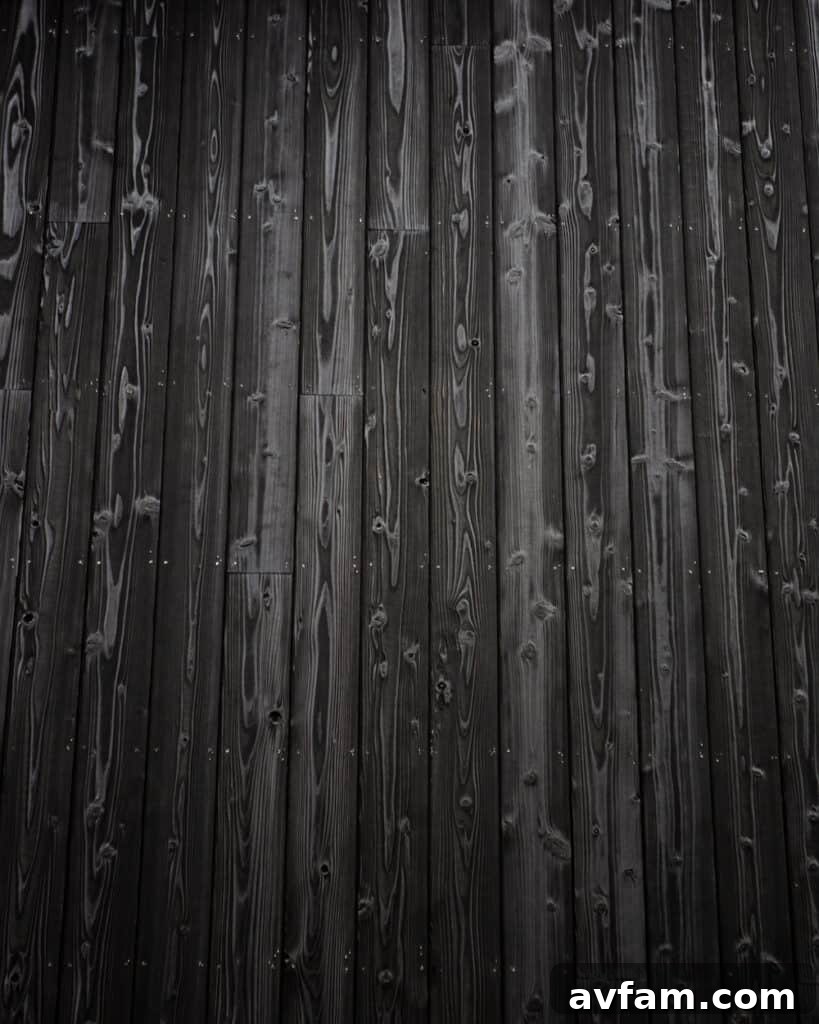
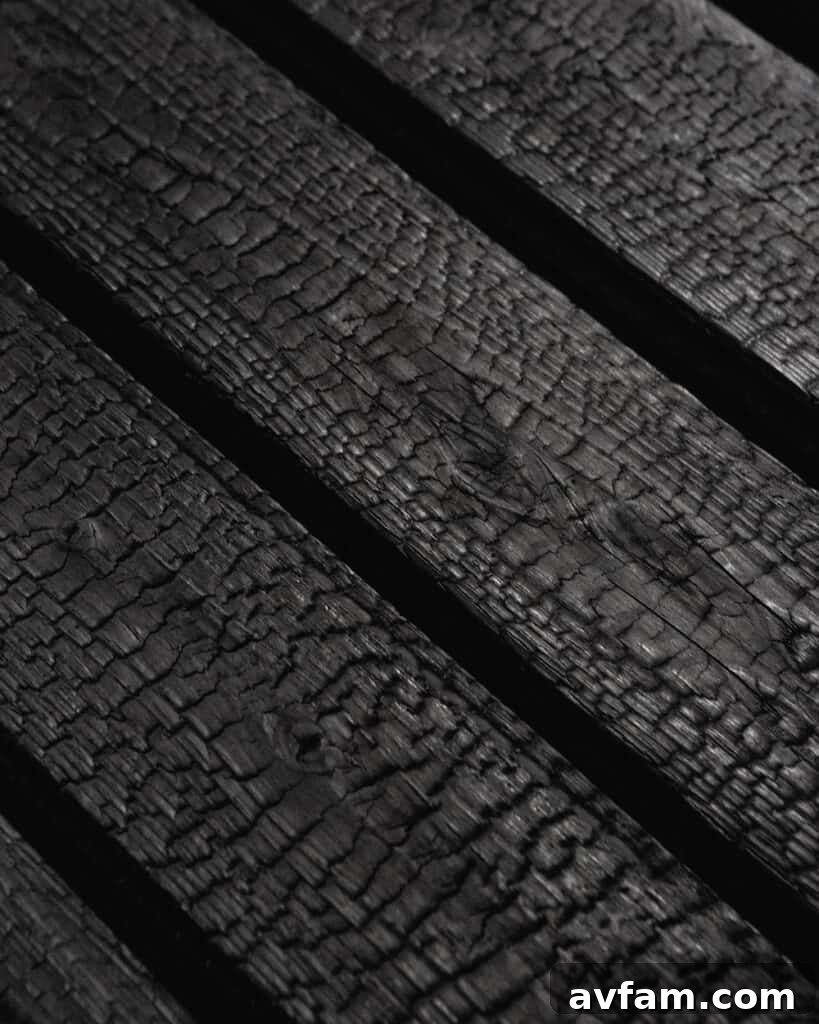
- Suyaki: This is the most heavily charred surface, left in its natural, unbrushed state. It features a deep, rich black finish with a pronounced “alligator skin” texture, making it incredibly tactile and visually dramatic. Suyaki is known for its robust protection and raw, primitive beauty.
- Gendai: A more refined finish, Gendai involves a light brushing process after charring. This removes some of the looser soot, revealing more of the wood grain beneath the carbonized layer. The result is a smoother, yet still textured, surface with a sophisticated charcoal-grey appearance that highlights the wood’s natural patterns.
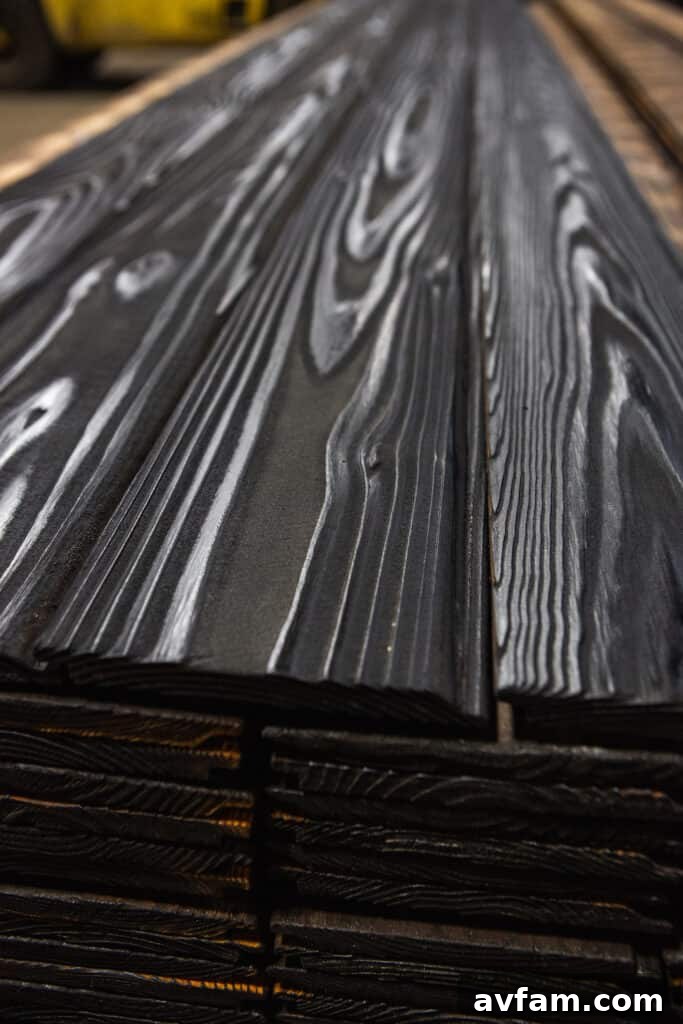
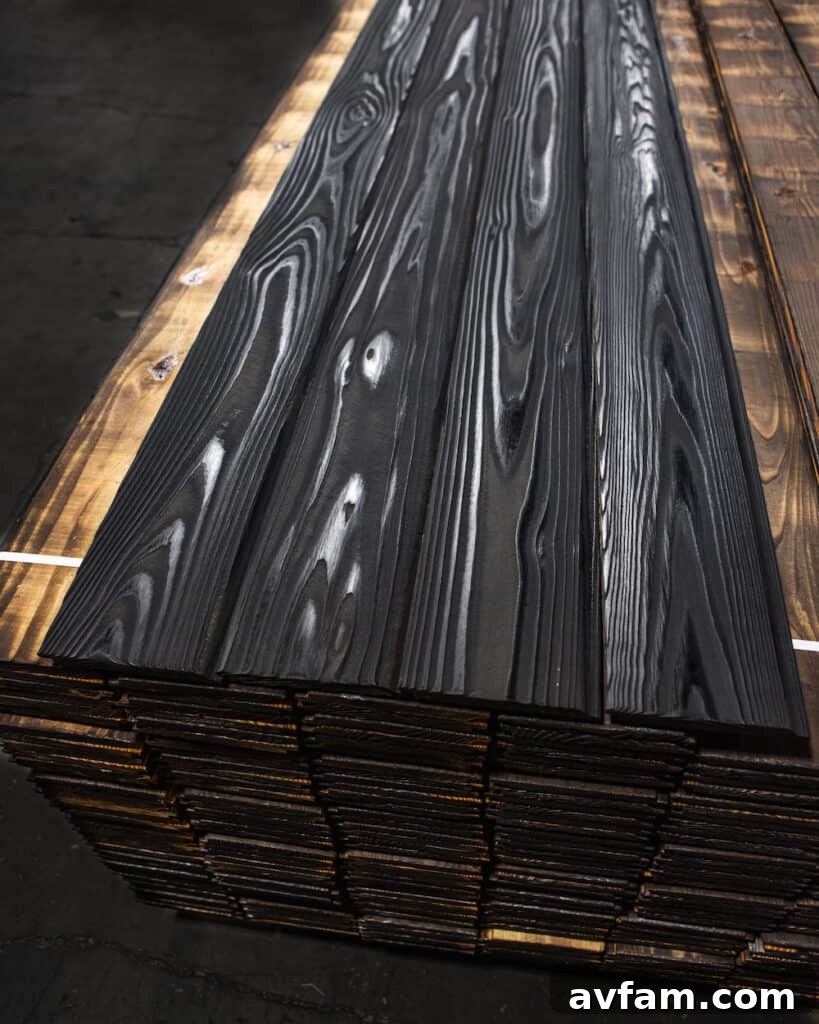
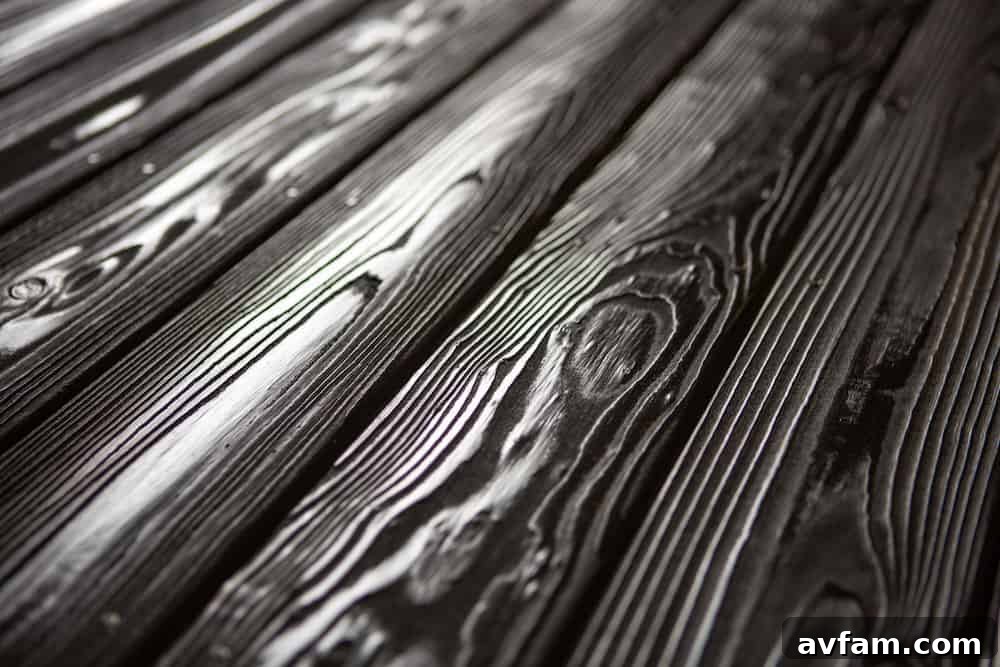
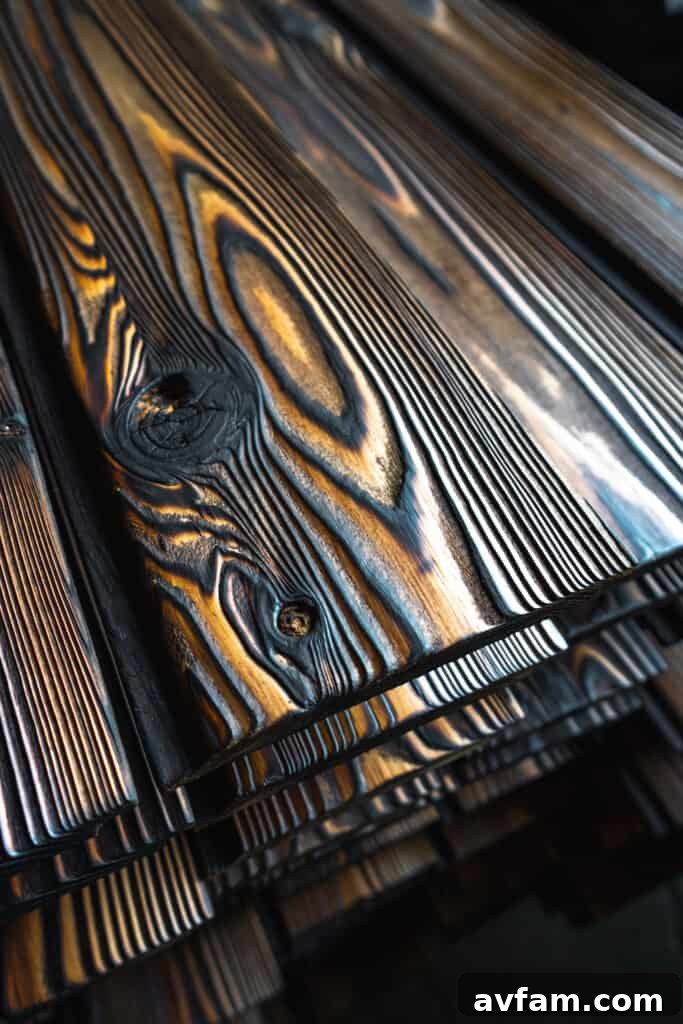
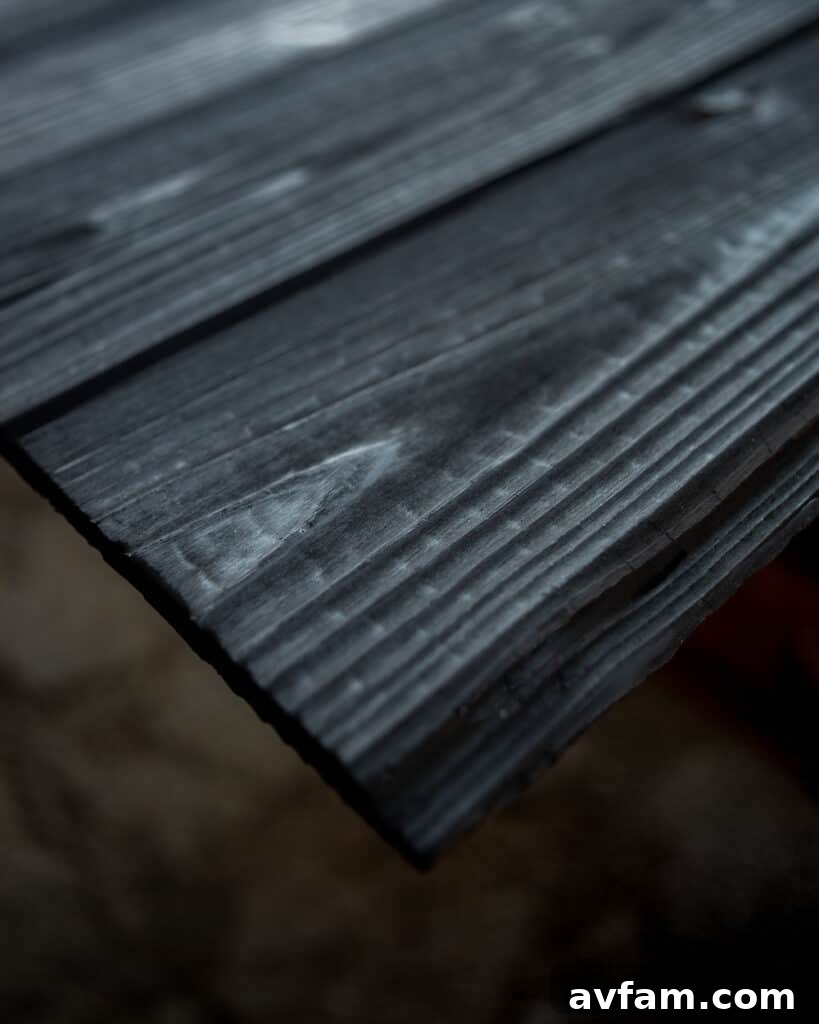
- Pika-Pika: Our preferred surface, Pika-Pika, undergoes a twice-brushed process. After the initial charring, the yakisugi planks are passed through a second, more intensive wire brushing. This meticulous process removes all loose soot from the softer spring growth rings, leaving the denser late wood as contrasting, prominent burnt ridges.
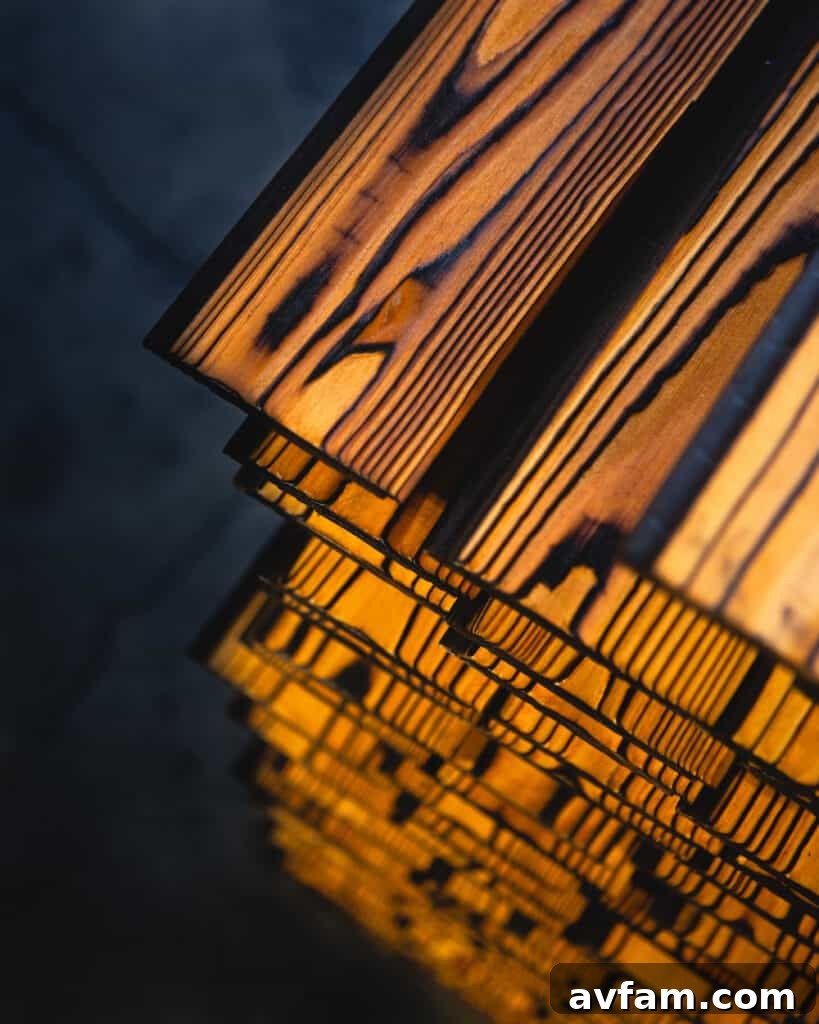
Pika-Pika results in a topographic, highly textured surface that beautifully follows the natural grain of the wood. Each plank is hand-graded after surfacing to ensure a consistent and aesthetically pleasing blend of heartwood and sapwood, creating a dynamic visual interest that is both rugged and elegant. This finish offers an exceptional play of light and shadow, changing its appearance throughout the day.
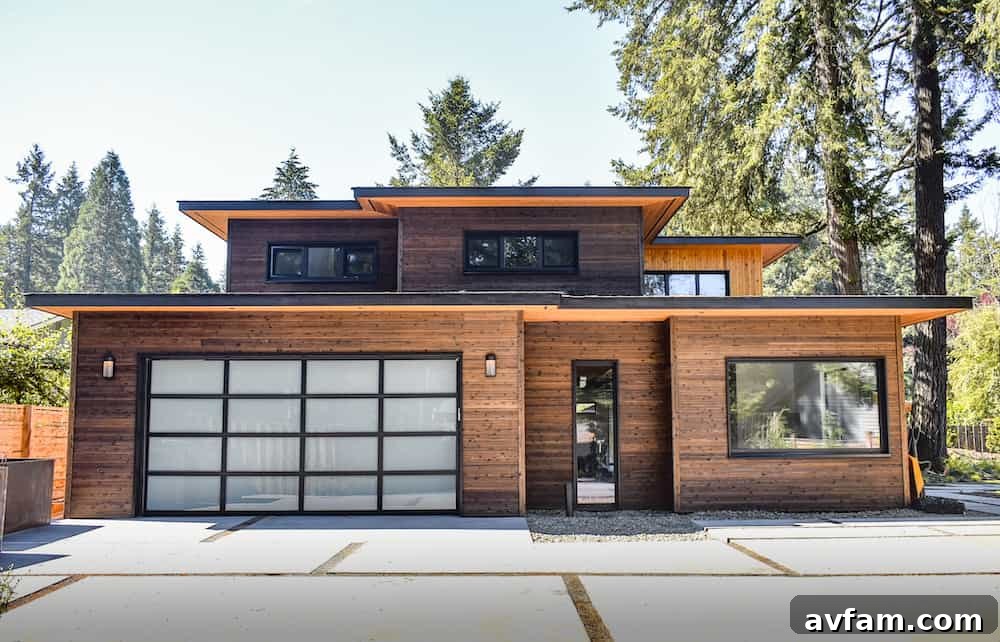
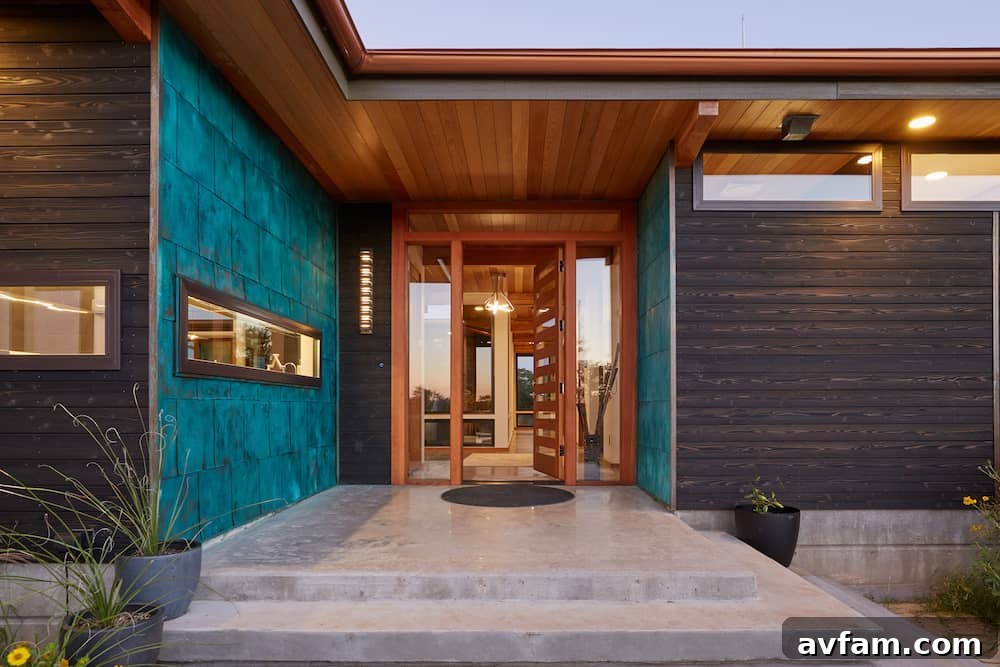
While Pika-Pika offers striking contrast, the deep, dark Suyaki and the more subtly textured Gendai surfaces are equally gorgeous, especially when juxtaposed with modern building materials like glass, metal, or concrete. Their ability to provide depth and character against these sleek surfaces makes them incredibly versatile for contemporary design.
Designing with Yakisugi: Blending Nature and Modernity
Modern homes, which increasingly incorporate natural materials and rich textures, gain a unique softness and enhanced livability that their purely steel and glass counterparts often lack. Yakisugi siding introduces an organic element that grounds the structure, connecting it to its environment in a meaningful way. It allows for a sophisticated interplay between old-world charm and cutting-edge design, transforming facades into works of art.
The versatility of Yakisugi makes it suitable for various architectural applications, from entire exterior cladding to accent walls, fences, or even interior features. Its dark, rich tones and distinct textures provide a powerful contrast or a harmonious blend, depending on the desired design outcome. Architects often utilize its unique properties to create dramatic visual statements, emphasizing lines, forms, and the interplay of light.
Yakisugi Buildings: A Global Showcase of Modern Architecture
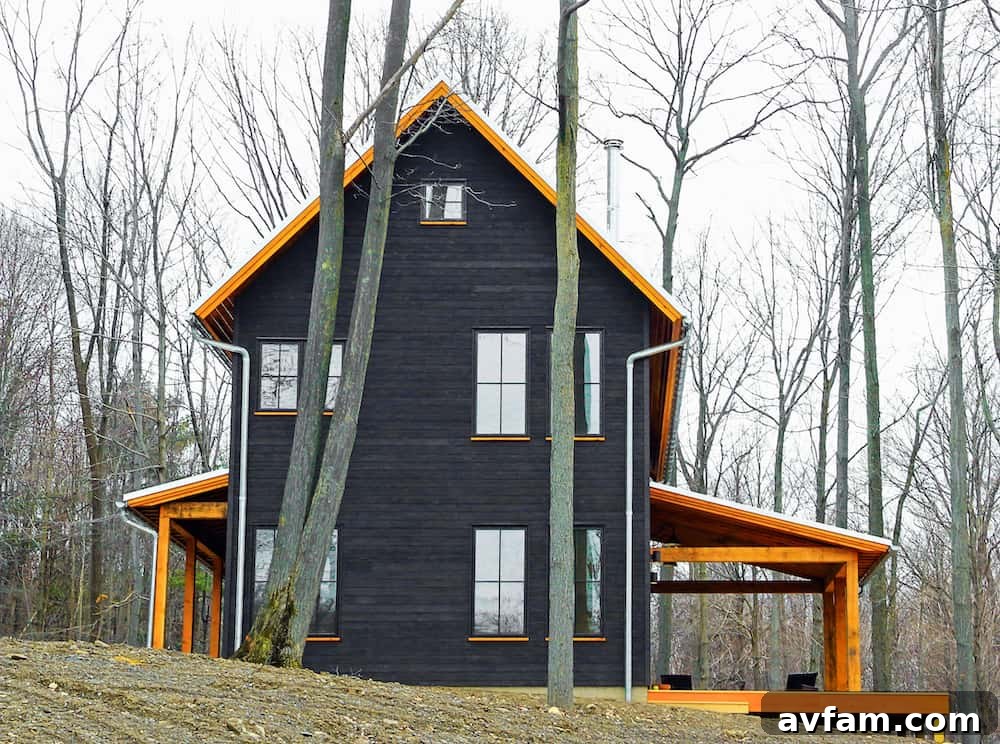
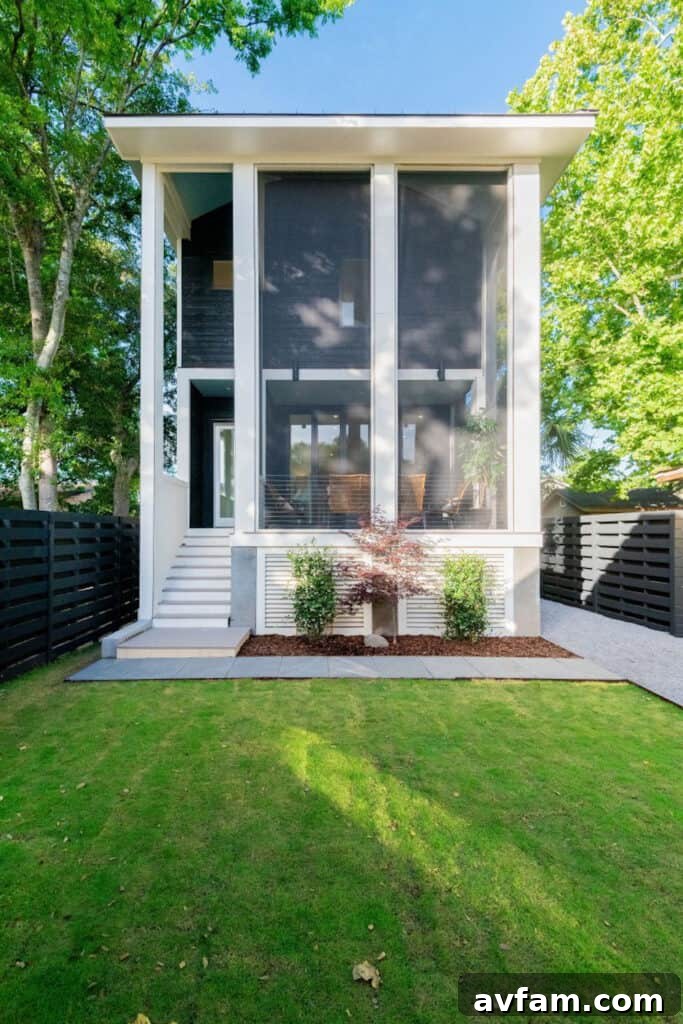
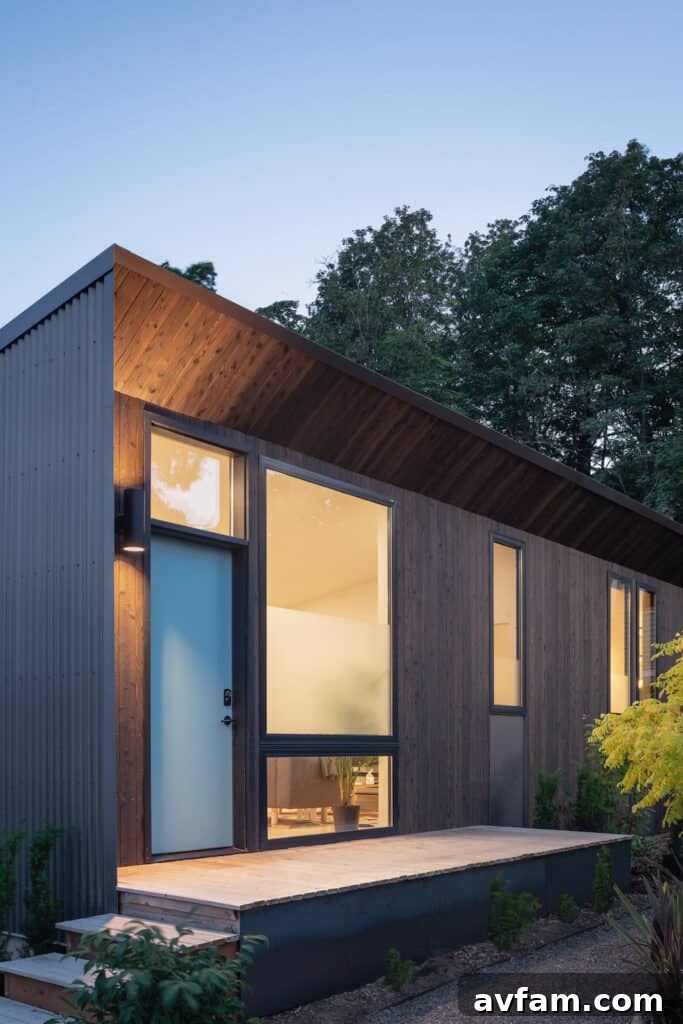
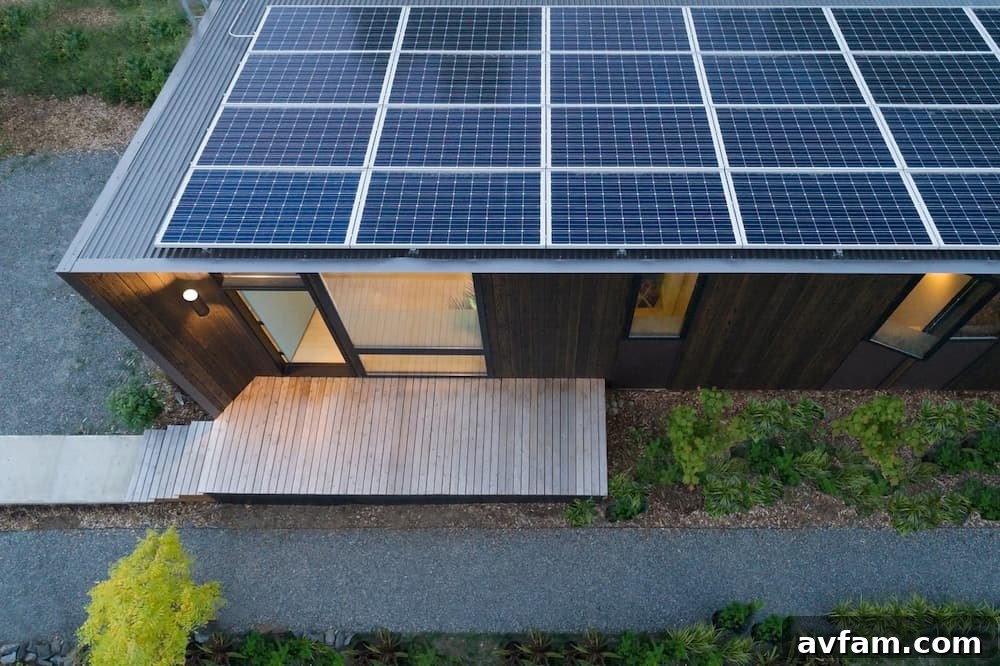
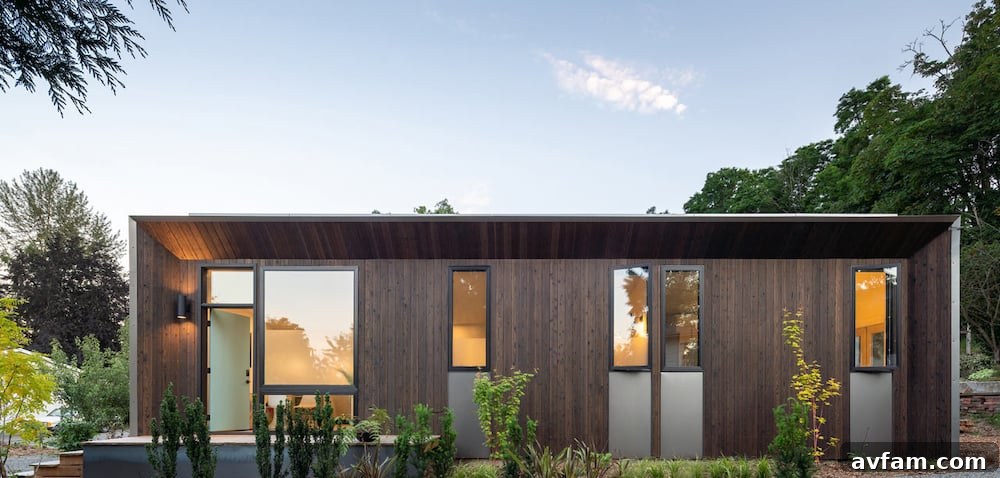
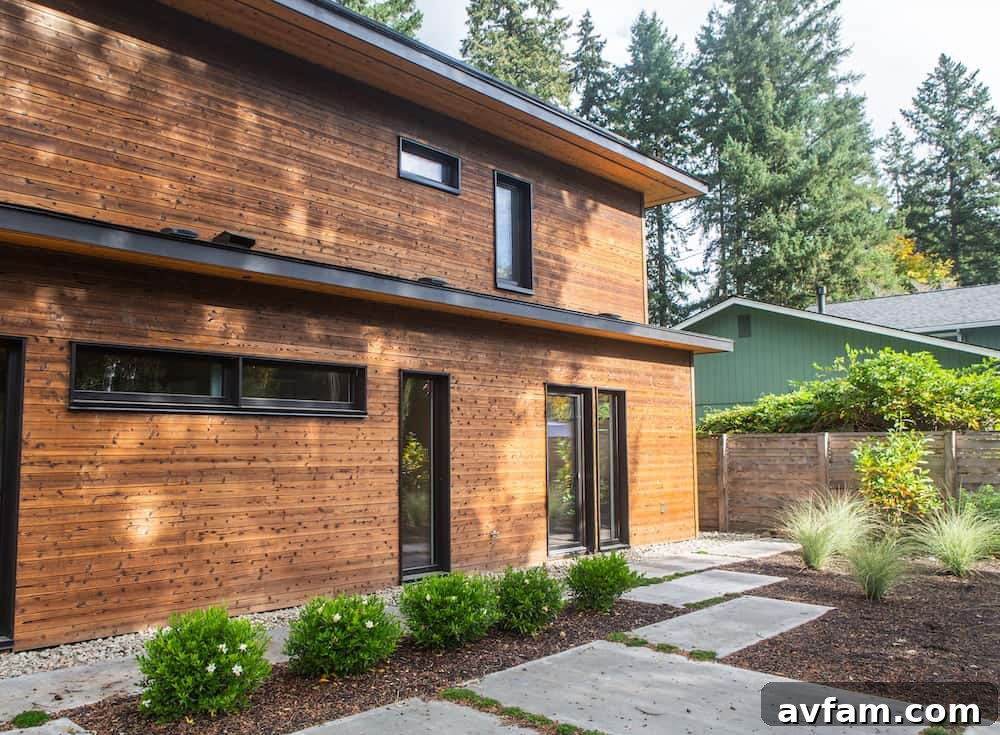
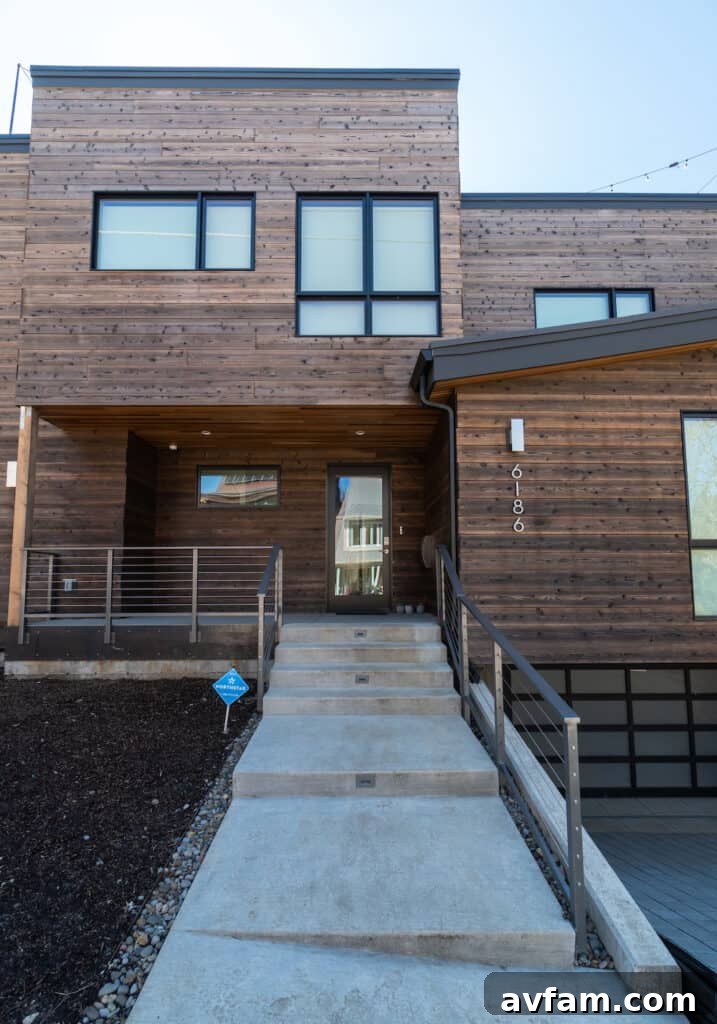
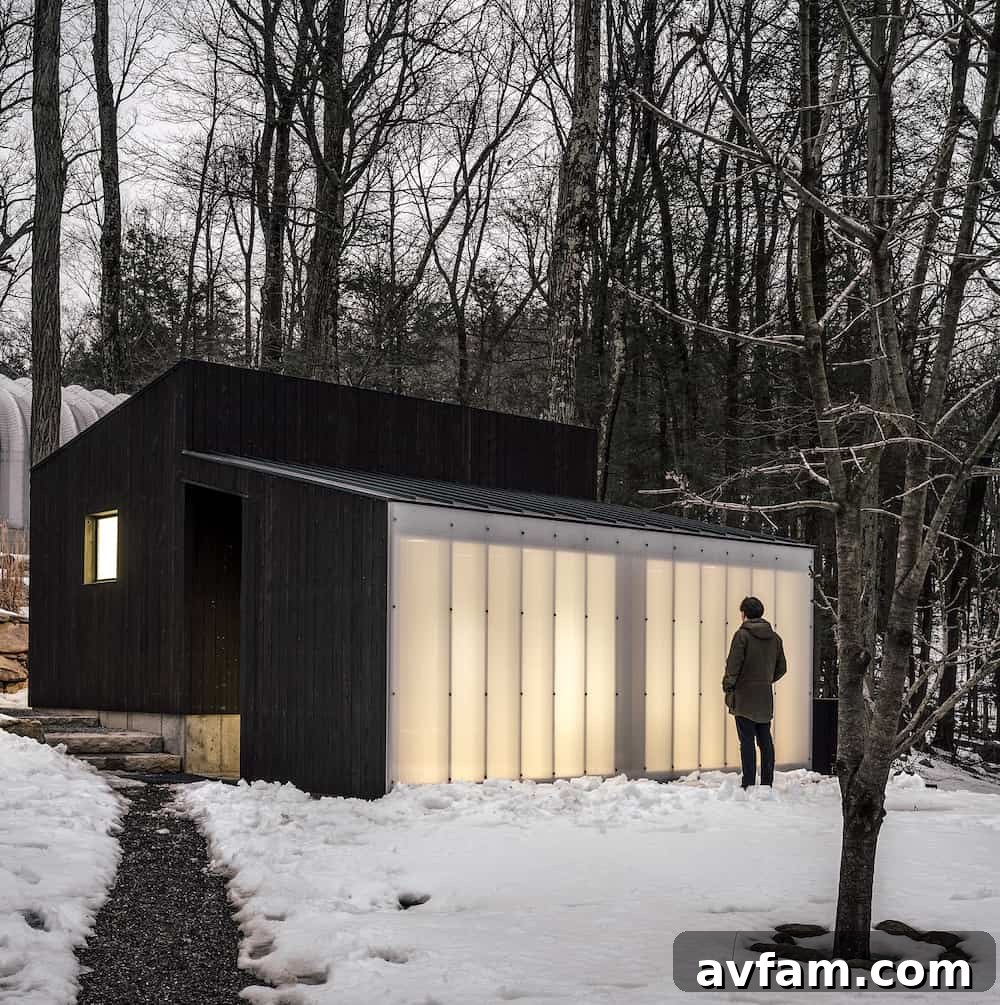
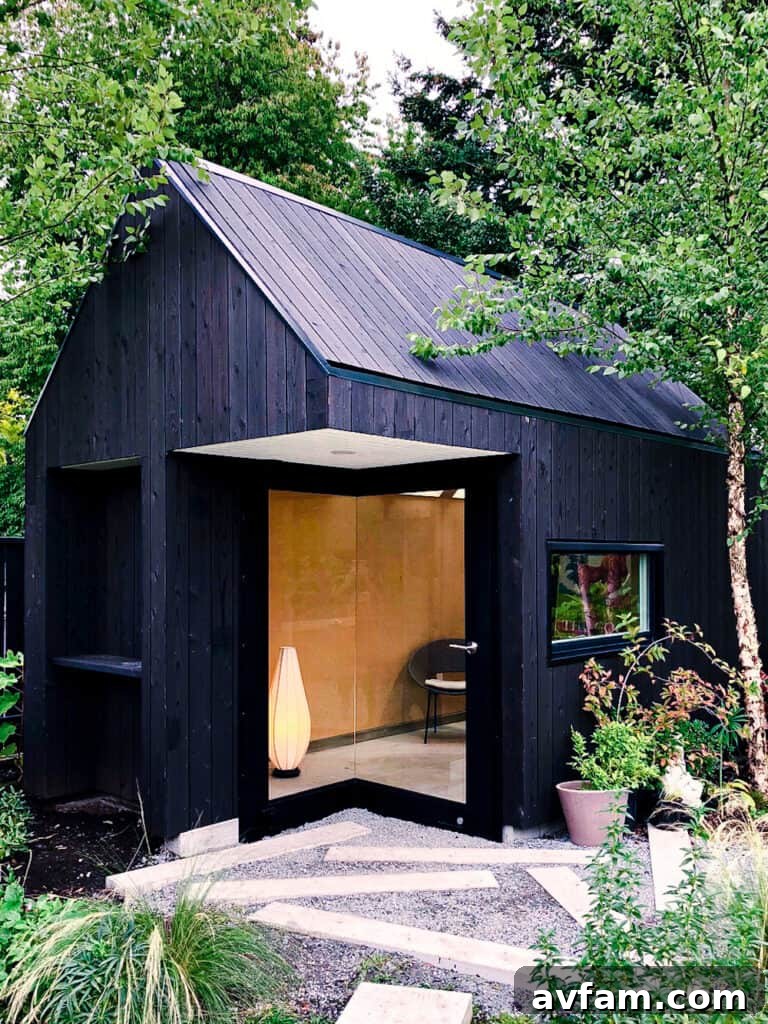
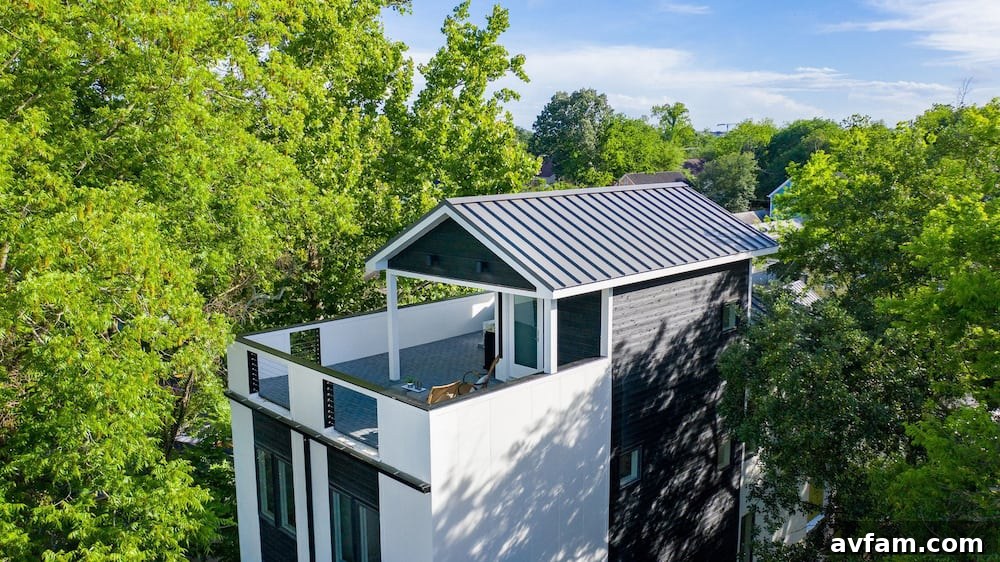
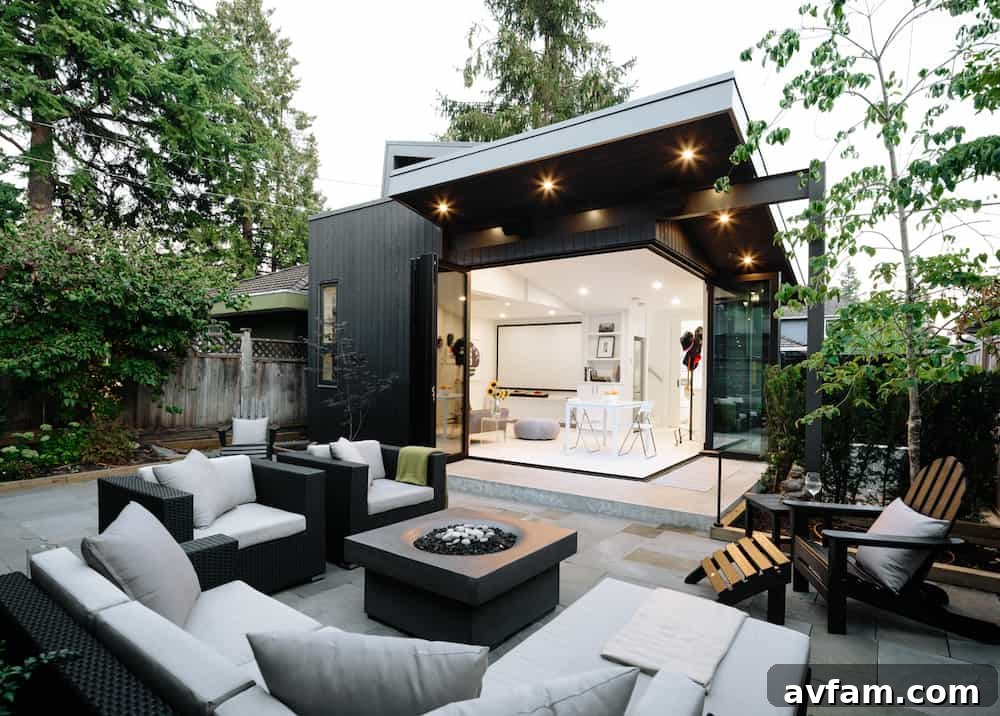
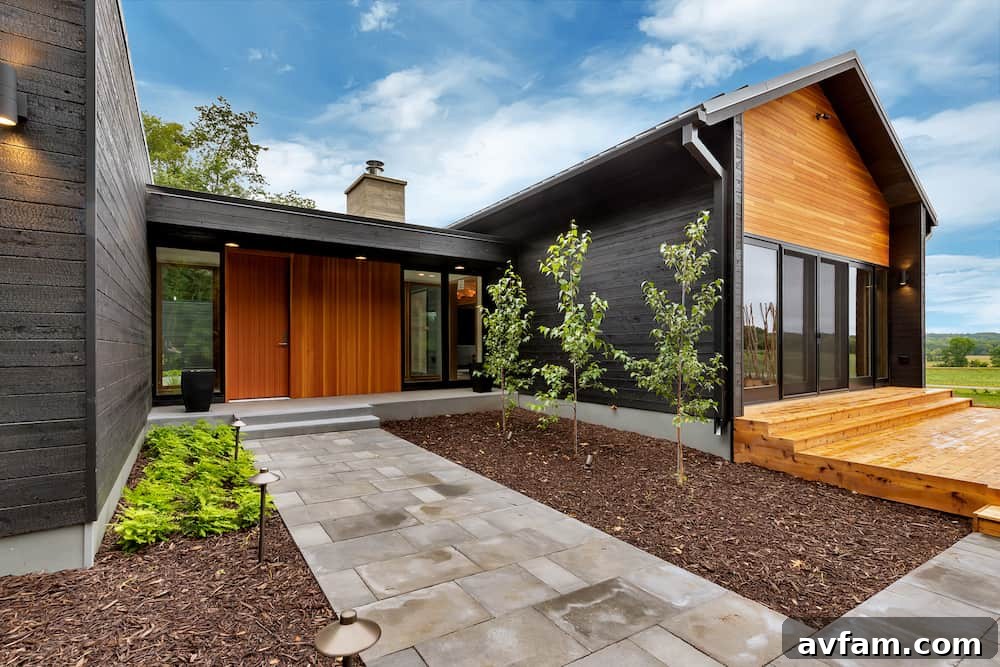
The enduring appeal and practical benefits of Yakisugi have led to its adoption in modern architecture across the globe. Architects and designers worldwide are discovering the transformative power of this charred wood siding, integrating it into diverse projects that range from minimalist residences to expansive commercial buildings. These fine examples, featuring Nakamoto Forestry Yakisugi, illustrate the versatility and profound aesthetic impact “Shou Sugi Ban” (Yakisugi) can have on modern homes and structures around the world. Each image tells a story of innovation, sustainability, and timeless beauty.