
Protecting Your Air Conditioner: An Essential Guide to Preventing Damage from Power Surges and Low Voltage
In our modern homes, the air conditioner is often the unsung hero, silently working to maintain a comfortable indoor environment, especially during sweltering summers. However, despite their robust appearance and outdoor placement, air conditioning units are complex electronic appliances highly susceptible to damage from electrical fluctuations. Just like your sensitive computer or television, your AC unit contains intricate circuitry, motors, and controls that can be severely compromised by power irregularities. Understanding these threats and implementing effective protection is not just a recommendation; it’s a vital step towards extending the lifespan and ensuring the efficient operation of your valuable investment.
While many assume that an outdoor appliance is inherently designed to be indestructible, this is a common misconception. Your air conditioner, much like any sophisticated electronic device, requires diligent care and robust protection to function optimally year after year. Neglecting to safeguard it against common electrical issues can lead to expensive repairs, premature breakdowns, and significant inconvenience. Integrating a dedicated surge and low-voltage protector into your AC system is a practical, cost-effective measure that shields your unit from the unpredictable nature of electrical grids, ensuring it remains a reliable source of comfort for many seasons to come.
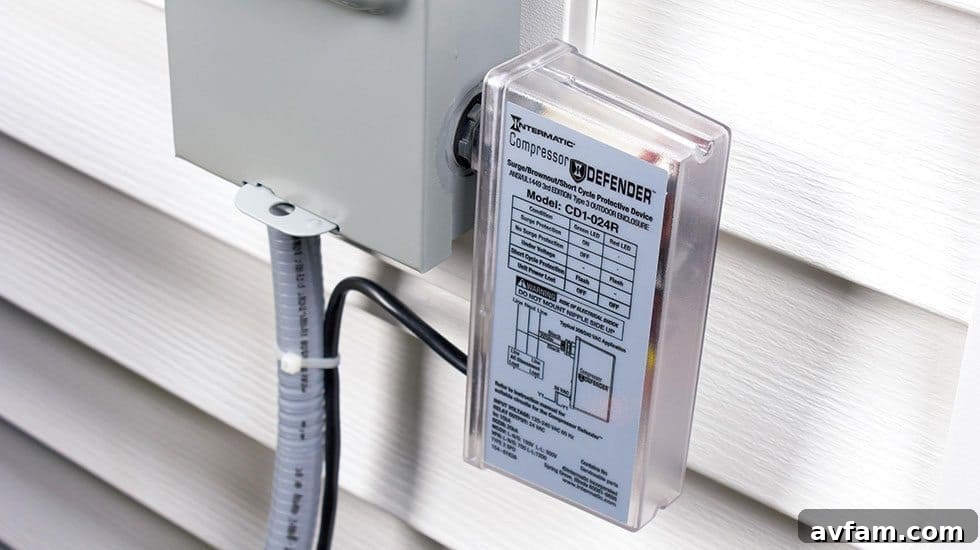
Beyond routine maintenance tasks like changing air filters, consider enhancing your air conditioner’s resilience with a specialized protective device. Products like the Intermatic Compressor Defender offer comprehensive protection against both power surges and damaging low-voltage conditions. This type of device functions similarly to the surge protectors you use for your sensitive home office equipment, but it’s specifically engineered to meet the unique demands and electrical loads of an AC unit. It acts as an indispensable guardian, standing between your valuable appliance and the erratic nature of the power supply.
It’s important not to solely rely on any perceived “built-in” surge protection that your air conditioner manufacturer might claim. While modern AC units often include some basic level of internal safeguarding, these are frequently insufficient to handle the more extreme or prolonged power fluctuations that can occur. For true peace of mind and to ensure your air conditioning unit operates flawlessly even during peak demand or adverse electrical conditions, additional, dedicated protection is highly advisable.
Understanding the Threats: Power Surges and Low Voltage
Your air conditioner faces two primary electrical adversaries: power surges and low voltage. Both can inflict significant and often unseen damage, progressively degrading components and ultimately leading to system failure.
The Silent Threat of Power Surges
Power surges, also known as voltage spikes, are brief but intense increases in electrical voltage that travel through your home’s wiring. These can originate from various sources: lightning strikes (even indirect ones), utility grid switching, downed power lines, or even the cycling on and off of high-power appliances within your own home. When a surge hits your AC unit, the sudden influx of excess voltage can overload circuits, “fry” delicate electronic components like control boards and sensors, and severely stress motor windings. This can cause immediate failure or, more insidiously, cumulative damage that shortens the lifespan of your unit. A single significant surge can render your AC inoperable, leading to a costly replacement.
The Insidious Damage of Low Voltage (Brownouts)
Maintaining consistent power to your air conditioner is absolutely essential for its efficient and healthy operation. While surges represent an excess of voltage, low voltage conditions, often called “brownouts,” present an equally dangerous, albeit different, threat. A brownout occurs when the voltage supplied to your home drops below the normal operating level. This can happen during periods of high electricity demand, issues with the local power grid, or even problems within your home’s own electrical system.
When voltage is too low, electrical motors – such as the compressor and fan motors in your AC unit – are forced to work harder to perform their functions. To compensate for the reduced voltage, the motor will draw significantly more current than usual. This increased current flow generates excessive heat within the motor’s windings. For every 10% decrease in voltage, the temperature of the motor windings can increase by a staggering 10% to 15%. This consistent overheating rapidly breaks down the motor’s insulation, leading to premature wear, reduced efficiency, and ultimately, catastrophic motor failure. The damage from low voltage is often cumulative, silently eroding the life expectancy of your AC unit without immediate, obvious signs until it’s too late.
Across the nation, power quality issues are becoming increasingly common. Factors like aging infrastructure, extreme weather events, and increasing demand strain power grids, making voltage fluctuations and even rolling blackouts more frequent occurrences. This escalating instability makes it more crucial than ever to actively protect your air conditioner units, as relying solely on the utility company for perfect power delivery is no longer a viable strategy for appliance longevity.
Why Built-in Protection Isn’t Enough
While modern air conditioners are sophisticated machines, their internal protection systems are generally designed for minor fluctuations, not for major power events. Manufacturer claims about “built-in surge protection” often refer to basic safeguards that might only mitigate very small, common spikes. They are rarely robust enough to withstand significant surges from lightning strikes or prolonged brownouts. Think of it like a car’s crumple zone – it offers some protection in a minor fender-bender, but you still need seatbelts and airbags for more serious impacts. For your AC, a dedicated external protector acts as that additional, crucial layer of defense, providing a far higher level of protection than any internal components typically offer.
The Role of a Dedicated AC Surge and Voltage Protector
Proper surge and voltage protection are paramount to ensure our sensitive electronics and major appliances remain undamaged and operational. While we’ve previously highlighted devices like Intermatic’s whole-home Surge Protective Device, which does an outstanding job safeguarding household electronics throughout the entire home, the unique demands and exposure of an outdoor AC unit often call for a specialized solution.
Continuous Voltage Monitoring: A Shield Against Brownouts
Dedicated AC protectors, such as the Intermatic Compressor Defender, excel in their ability to continuously monitor incoming voltage. These devices are designed to respond rapidly and precisely to low voltage conditions. For instance, the Compressor Defender can react within just three line cycles (a fraction of a second) to a drop in voltage. This swift response is critical because it allows the protector to temporarily disconnect or regulate power to the AC unit *before* the motor’s windings can begin to overheat and suffer damage from excessive current draw. By proactively safeguarding against brownouts, these protectors prevent the cumulative, long-term degradation that often leads to premature compressor or motor failure.
Robust Surge Protection: Safeguarding Against Spikes
Beyond low voltage, dedicated AC protectors provide robust defense against power surges. These devices contain advanced components, typically Metal Oxide Varistors (MOVs), that are designed to absorb or divert excessive voltage away from your appliance. When a power surge occurs, the MOV instantly clamps down on the excess voltage, allowing only the safe, normal operating voltage to pass through to your air conditioner. This prevents the surge from reaching and damaging the delicate internal electronics, such as the control board, fan motor, and compressor. This immediate surge absorption ensures that your AC can continue running smoothly and without interruption, even when the power grid experiences momentary spikes.
Intermatic, a leading name in electrical protection, offers solutions specifically designed to prevent brownouts, surges, and harmful short cycles across common AC voltage loads (120, 208, and 240 VAC). Their Compressor Defender, for example, is engineered to absorb these harmful surges efficiently, ensuring the continuity and integrity of your AC’s operation. When a power surge strikes your air conditioner, without protection, it can cause the unit to reset, scramble its electronic settings, or even permanently damage components, much like what can occur with an unprotected computer.
Preventing Short Cycling: Enhancing Lifespan
Some advanced AC protection devices also incorporate features to prevent “short cycling.” Short cycling occurs when an AC unit turns on and off too frequently or in rapid succession. This can happen due to minor voltage fluctuations, thermostat issues, or even a system trying to compensate for other problems. However, frequent starts and stops put immense strain on the compressor, which is the most expensive component of your AC unit. Each start-up requires a significant surge of power and creates wear and tear. A protector that can intelligently delay restarts or stabilize power during minor fluctuations helps prevent this damaging short cycling, thereby significantly extending the life of your compressor and overall unit.
Benefits of Investing in AC Protection
The decision to install a dedicated AC protector is an investment that yields multiple critical benefits:
- Extending Your AC’s Lifespan: By shielding your unit from the cumulative damage of voltage fluctuations and the sudden impact of surges, a protector can add years to your air conditioner’s operational life. This maximizes your initial investment.
- Saving on Costly Repairs and Replacements: The compressor and control board are two of the most expensive components to replace in an AC unit. Protecting them from electrical damage can save you hundreds, if not thousands, of dollars in unexpected service calls and out-of-warranty repairs.
- Ensuring Consistent Cooling Performance: An AC unit that is protected from electrical anomalies is less likely to suffer performance degradation or intermittent failures, ensuring it continues to cool your home efficiently and reliably, even during peak demand.
- Peace of Mind: Knowing that your essential home appliance is protected against unpredictable power events provides invaluable peace of mind, especially during thunderstorms or periods of grid instability.
- Environmental Benefits: Extending the life of your AC unit also reduces electronic waste and the resources needed for manufacturing new units, contributing to a more sustainable consumption model.
Choosing the Right Protection for Your AC Unit
When selecting a protector for your air conditioner, consider the following key features:
- Joule Rating: For surge protectors, a higher Joule rating indicates a greater capacity to absorb surge energy. For an AC unit, look for ratings of at least 2000 Joules, though higher is always better.
- Voltage Compatibility: Ensure the protector is compatible with your AC unit’s voltage requirements (e.g., 120V, 208V, or 240V).
- Response Time: A faster response time (measured in nanoseconds or line cycles) means the protector can react more quickly to a surge or voltage drop, providing superior protection.
- Indicator Lights: Many units include LED indicators that show if the device is operational and providing protection, or if it has sacrificed itself to a surge and needs replacement.
- UL Listing: Always choose a device that is UL (Underwriters Laboratories) listed, ensuring it meets rigorous safety and performance standards.
- Warranty: Look for protectors that come with a good warranty, both for the device itself and, ideally, an connected equipment warranty, which covers your AC unit if it’s damaged while properly connected to the protector.
Installation: A Simple Step for Long-Term Security
One of the significant advantages of specialized AC protectors is their straightforward installation. Devices like the Compressor Defender are often designed for quick and easy setup, typically taking as little as ten minutes for a qualified individual. They can be conveniently installed either inside the condensing unit itself (the outdoor portion of your AC) or directly on the outdoor compressor unit.
DIY vs. Professional Installation
While some homeowners with electrical experience might feel comfortable with a DIY installation, it’s generally recommended that electrical work involving major appliances be performed by a licensed electrician. This ensures safety, proper wiring, and compliance with local electrical codes. However, products like the Compressor Defender are often designed for a relatively simple hookup, making them accessible for those with basic electrical know-how and safety precautions in mind. Always ensure the device you choose is compliant with relevant industry standards, such as the AHRI standard 110-1012 for air-conditioning and refrigeration equipment.
Air conditioners are undeniably costly appliances, representing a significant investment in your home’s comfort and value. However, with proper care and, crucially, robust electrical protection, their lifespan can be significantly extended. Taking the proactive step to assess your current setup is highly recommended: check to see if your air conditioner already has a dedicated surge and low-voltage protector. If not, strongly consider adding one. This small, relatively inexpensive addition is a powerful way to safeguard your AC unit against the unpredictable nature of power fluctuations, ensuring its longevity, efficiency, and your continued comfort for many years to come.