
Navigating Natural Gas Boiler Installation: Your Comprehensive Guide
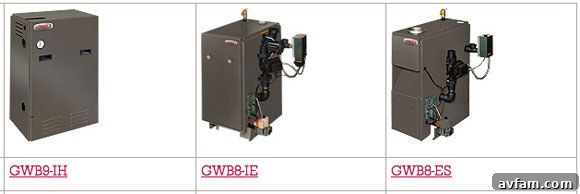
Choosing a new natural gas boiler for your home is a significant investment that can impact your comfort, energy bills, and property value for years to come. It’s completely understandable to feel overwhelmed by the technical jargon, brand options, efficiency ratings, and varying estimates you might encounter during the process. We recently received a question from a reader grappling with these very challenges, and it perfectly encapsulates the common queries many homeowners face: “Any direction you can send me to make heads or tails of quotes for new natural gas boiler installation? Munchkin or Buderus? 95% efficiency vs. less efficiency? Hot water tanks that feed off the heat of the boiler? Estimates within a grand of each other so (gulp) the price must be in the ballpark.” This article aims to demystify the process, providing clear, actionable insights to help you make an informed decision for your home’s heating needs.
Decoding Natural Gas Boiler Installation Quotes
Understanding a boiler installation quote can feel like deciphering a foreign language. Contractors often present proposals that include various components, labor costs, and sometimes hidden fees. To truly compare quotes and ensure you’re getting value, it’s crucial to look beyond the bottom line. A thorough quote should be transparent, breaking down all aspects of the job.
Key Elements to Look For in a Comprehensive Quote
- Boiler Unit Cost: This is the price of the boiler itself. It should specify the brand, model number, and AFUE (Annual Fuel Utilization Efficiency) rating.
- Labor Costs: Clearly outlined hours or a fixed fee for the installation crew. This can vary significantly based on the complexity of the job and the contractor’s hourly rates.
- Materials and Ancillary Components: This includes piping, fittings, valves, pumps, thermostats, expansion tanks, and any other parts needed for a complete and functional system.
- Venting System: Modern high-efficiency boilers often require specific PVC or CPVC venting, which differs from older metal flues. Ensure this is included.
- Permits and Inspections: Most municipalities require permits for boiler installations to ensure compliance with local building codes. Your contractor should handle this and include the cost.
- Removal and Disposal of Old Boiler: A necessary step, and this service should be specified, including any associated fees.
- Warranty Information: Details on the boiler manufacturer’s warranty (parts) and the installer’s labor warranty.
- System Flush and Start-up: Ensuring the system is clean and properly commissioned for optimal performance.
- Safety Devices: Inclusion of necessary safety controls such as pressure relief valves and low-water cut-off switches.
Don’t hesitate to ask for clarification on any line item you don’t understand. A reputable contractor will be happy to walk you through the details.
Choosing the Right Boiler: Munchkin, Buderus, and Beyond
When our reader mentioned “Munchkin or Buderus,” they highlighted two well-known names in the boiler industry, often associated with high-efficiency condensing units. However, the market offers a wide array of brands, each with its own strengths. The best choice for you depends on several factors, including your budget, home size, existing heating infrastructure, and specific needs.
Factors to Consider When Selecting a Boiler Brand and Type
- Brand Reputation and Reliability: Research customer reviews, industry awards, and the brand’s history. Brands like Buderus (known for robust cast iron and high-efficiency units) and Munchkin (often associated with innovative, compact, high-efficiency condensing boilers) have established reputations.
- Warranty: Look at the length and coverage of the manufacturer’s warranty on parts (especially the heat exchanger) and the contractor’s labor warranty.
- Parts Availability: Ensure that replacement parts are readily available in your area. This can be crucial for quick repairs down the line.
- Installer Familiarity: Your chosen HVAC contractor might have preferred brands they are most experienced with. Their expertise with a particular system can lead to a smoother installation and better long-term support.
- Boiler Type (Condensing vs. Non-Condensing): This is a critical distinction, especially when discussing efficiency. Condensing boilers (like many high-efficiency Munchkin and Buderus models) capture latent heat from exhaust gases, making them significantly more efficient but typically more expensive upfront. Non-condensing boilers are generally less efficient but have a lower initial cost.
- Size and Capacity: The boiler must be properly sized for your home’s heating load. An oversized boiler wastes energy through short cycling, while an undersized one won’t keep your home warm enough.
While specific brand recommendations can vary, focusing on these criteria will help you evaluate any brand offered by your contractor and ensure it aligns with your needs and expectations.
The Efficiency Debate: 95% AFUE and Beyond
The reader’s question about “95% efficiency vs. less efficiency” points to the critical metric of AFUE (Annual Fuel Utilization Efficiency). AFUE is a measure of how efficiently a furnace or boiler converts the energy in its fuel to heat over the course of a typical year. A 95% AFUE rating means that 95% of the fuel’s energy is converted into usable heat for your home, with only 5% lost through the exhaust. By contrast, older boilers might have AFUE ratings as low as 60-70%.
Benefits of High-Efficiency Boilers (95% AFUE and Higher)
- Significant Energy Savings: This is the primary advantage. A boiler with a 95% AFUE rating can drastically reduce your natural gas consumption compared to an older, less efficient model, leading to lower utility bills.
- Reduced Carbon Footprint: Burning less fuel means fewer greenhouse gas emissions, making high-efficiency boilers a more environmentally friendly choice.
- Potential Rebates and Incentives: Many local, state, and federal programs offer financial incentives for installing high-efficiency heating systems, offsetting some of the initial cost.
- Enhanced Comfort: Modern high-efficiency boilers often come with advanced controls, allowing for more precise temperature regulation and consistent heating throughout your home.
- Quieter Operation: Newer models are typically designed to operate more quietly than their older counterparts.
Considerations for Lower Efficiency Boilers (e.g., 80-85% AFUE)
- Lower Initial Cost: These boilers are generally less expensive to purchase and install upfront.
- Simpler Technology: They may have fewer complex parts, potentially leading to simpler maintenance.
- Specific Applications: In some rare scenarios, such as homes with existing venting that is incompatible with condensing boilers, a mid-efficiency non-condensing boiler might be a pragmatic choice, though still less ideal for long-term savings.
While the upfront cost of a 95% AFUE boiler is higher, the long-term energy savings often lead to a favorable payback period, sometimes as short as a few years, making it a sound financial and environmental investment for most homeowners.
Integrated Hot Water Solutions: Indirect Water Heaters
The reader’s query about “Hot water tanks that feed off the heat of the boiler” refers to an indirect water heater. This system leverages your home’s boiler to heat your domestic hot water, rather than having a separate, dedicated water heater with its own burner. The boiler heats water, which then circulates through a coil inside the indirect hot water tank, transferring heat to the potable water within the tank. It’s a highly efficient method, especially if your boiler is already running for space heating.
Advantages of Indirect Water Heaters
- Exceptional Energy Efficiency: Since your boiler is typically much more efficient than a standard water heater, using it for domestic hot water can lead to significant energy savings.
- Abundant Hot Water: Indirect water heaters boast impressive recovery rates, meaning they can heat a large volume of water quickly. This makes them ideal for homes with high hot water demand.
- No Separate Fuel Source: Eliminates the need for a second gas line or electrical circuit dedicated solely to water heating.
- Reliability and Longevity: Often built with robust materials and simpler mechanisms than tankless heaters, they tend to be very reliable and long-lasting.
- Space Saving: While it is a tank, it often takes up less overall space than a separate boiler and water heater system, and there’s no need for an additional exhaust vent.
Disadvantages and Alternatives
- Initial Cost: The combined installation of a boiler and indirect water heater can be more expensive than a boiler with a standalone conventional water heater.
- Requires Boiler Operation: For hot water, the boiler must be running, even in summer. However, modern boilers are efficient enough that this usually isn’t a major concern.
- Space Requirement: It’s still a tank, so it requires physical space for installation.
- Alternatives:
- Tankless Water Heaters: Provide on-demand hot water, saving energy as they only heat water when needed. However, they have flow rate limitations and a higher upfront cost.
- Conventional Storage Tank Water Heaters: Less efficient as they constantly heat and store water, but have a lower initial cost.
For many homes, especially those with high-efficiency boilers, an indirect water heater represents a smart, energy-efficient, and reliable solution for domestic hot water.
Understanding Boiler Installation Costs: Why Estimates Vary
The observation that “Estimates within a grand of each other so (gulp) the price must be in the ballpark” is a common one. While it’s reassuring when quotes are relatively close, understanding *why* they vary, even slightly, is key to confirming you’re paying a fair price for quality work. A difference of a thousand dollars on a major installation is not insignificant.
Major Cost Drivers in Boiler Installation
- Boiler Model and Features: As discussed, a high-efficiency condensing boiler will be more expensive than a mid-efficiency model. Advanced controls, zoning capabilities, and integrated smart features also add to the cost.
- Installation Complexity:
- Repiping: If your existing piping is old, corroded, or incompatible with the new boiler, extensive repiping might be necessary, adding significant labor and material costs.
- Venting System Upgrade: Switching from an old chimney flue to a new PVC vent for a condensing boiler requires new penetrations through walls or the roof.
- Electrical Work: Upgrading electrical circuits for modern boilers and controls.
- System Type: Converting from a gravity system to a forced circulation system, or adding multiple heating zones.
- Labor Rates: These vary by region, the contractor’s overhead, and the expertise of their technicians. Highly skilled, certified technicians command higher rates, but often provide superior, more reliable installations.
- Geographic Location: Costs for labor, materials, and permits differ significantly from one city or state to another.
- Permits and Inspections: The fees for these are set by local authorities.
- Additional Components: Costs for new pumps, expansion tanks, air separators, backflow preventers, and other system accessories.
- Old Boiler Removal: Disposal fees for hazardous materials or simply the labor involved in removing a heavy, old unit.
Tips for Getting Accurate and Comparable Estimates
- Get Multiple Quotes (3-5): This is paramount. It allows you to compare not just prices, but also the proposed solutions, communication styles, and professionalism of different contractors.
- Insist on a Detailed Breakdown: A vague lump sum is a red flag. Every quote should itemize the boiler, labor, materials, permits, and any specific challenges or solutions.
- Ensure They All Quote the Same Scope: Make sure each contractor is quoting to install the same type of boiler (e.g., 95% AFUE condensing), with the same type of indirect water heater, and addressing the same installation complexities. If one proposes a more elaborate solution, ask why.
- Ask for References and Check Reviews: Speak to previous clients and check online reviews to gauge the contractor’s reputation for quality, reliability, and customer service.
- Verify Licensing and Insurance: Ensure any contractor you consider is fully licensed and insured. This protects you in case of accidents or faulty work.
- Get Everything in Writing: Never proceed with a verbal agreement. A written contract should detail all aspects of the job, payment schedule, and warranty information.
Essential Questions to Ask Your HVAC Contractor
Beyond the quote itself, your interaction with the contractor is vital. Their willingness to answer questions thoroughly and patiently speaks volumes about their professionalism. Here are some key questions to ask:
- “How long have you been installing natural gas boilers, and specifically this brand/model?”
- “Are your technicians certified (e.g., NATE certified) and specifically trained on modern high-efficiency systems?”
- “What is included in the warranty for both parts and labor, and for how long?”
- “What is your typical timeline for a project like this, from start to finish?”
- “Can you provide references from recent boiler installations?”
- “What are your payment terms and conditions?”
- “What is your recommended maintenance schedule for this boiler, and do you offer a service plan?”
- “How will the new boiler impact my energy bills, and can you provide an estimated annual savings?”
- “What steps will be taken to protect my home during the installation process?”
Making an Informed Decision for Your Home
Navigating the world of natural gas boiler installation doesn’t have to be daunting. By understanding the components of a quote, the differences between boiler types and efficiencies, the benefits of integrated hot water solutions, and the factors influencing cost, you empower yourself to make a confident decision.
Remember that the cheapest quote isn’t always the best value. Prioritize quality installation, a reputable contractor, and a system that will provide reliable, efficient heating and hot water for your home for many years to come. Investing in a high-efficiency boiler like a Munchkin or Buderus, paired with an indirect water heater, might have a higher upfront cost, but the long-term savings on energy bills and the comfort it provides are invaluable.
Conclusion
Take your time, ask questions, and don’t feel pressured. Your home’s heating system is a critical component of your comfort and budget. By following these guidelines, you’ll be well-equipped to “make heads or tails” of your quotes and choose the perfect natural gas boiler system for your home. Always consult with certified HVAC professionals to get personalized advice tailored to your specific situation.