
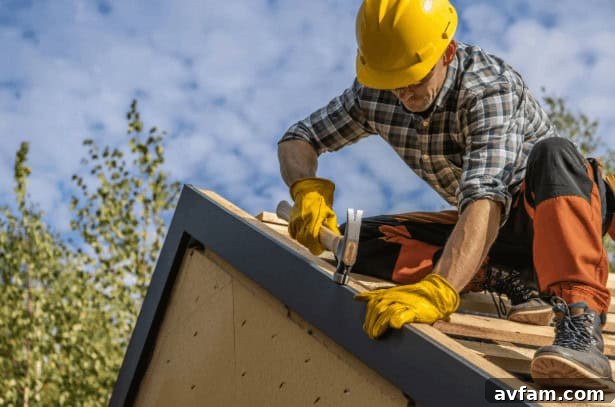
Your roof is far more than just the uppermost layer of your home. It’s a silent sentinel, diligently standing guard over everything beneath it – your family, cherished belongings, and the very structural integrity of your house. For most homeowners, it’s an out-of-sight, out-of-mind component until a problem inevitably arises. Perhaps a tell-tale drip appears after a heavy storm, or you notice missing shingles scattered across your lawn. Or maybe, with years of service behind it, your roof is simply showing its age, signaling that a replacement is on the horizon.
When these moments arrive, a crucial question emerges: who can you truly trust with such a vital part of your home? The process of hiring a roofing contractor might seem straightforward at first glance, but it’s a decision fraught with long-term implications. A reputable, skilled roofing company can bestow decades of worry-free protection, while a poor choice can lead to a frustrating cycle of repairs, unexpected costs, and profound disappointment.
For homeowners in Columbus, Ohio, dedicating a little time to understanding the nuances of this process can save immense stress and expense down the line. This comprehensive guide will walk you through the essential considerations every homeowner should know before entrusting their roof to a professional, ensuring you make an informed decision that safeguards your most valuable asset.
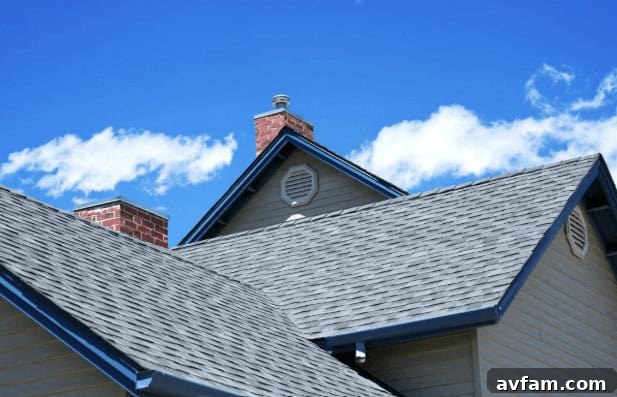
Your Guide to Hiring a Top Roofing Company in Columbus, Ohio
Understanding Columbus’s Unique Roofing Environment
The weather patterns in Columbus, Ohio, keep roofs incredibly busy year-round. From the intense humidity and scorching sun of summer to the heavy snowfall, ice, and brutal freeze-thaw cycles of winter, coupled with strong winds and unpredictable hailstorms throughout the seasons, your roof endures a constant barrage of environmental stressors. Over time, this relentless exposure takes a significant toll, making roofing in Central Ohio a distinct challenge compared to other regions.
The Impact of Local Weather Patterns on Your Roof
Columbus contractors understand that the local climate isn’t merely an inconvenience; it dictates the longevity and performance of roofing materials. For instance, the drastic temperature swings between seasons cause materials to repeatedly expand and contract, weakening seals and fasteners. Winter’s freeze-thaw cycles are notorious for creating ice dams, which can force water under shingles and into your home, leading to extensive damage. Strong winds, a common occurrence, can lift and even detach shingles, compromising the entire roof system.
Hailstorms, though less frequent, can cause immediate and often invisible damage, bruising shingles and reducing their lifespan. Heavy rains test flashing and gutter systems, while prolonged sun exposure accelerates granule loss on asphalt shingles, exposing the underlying mat to UV degradation. A roofing company in Columbus must possess intimate knowledge of these specific challenges to recommend and install the most resilient and appropriate solutions.
Common Roofing Issues Specific to Central Ohio Homes
Because of these unique conditions, roofs in Columbus frequently encounter specific issues. Beyond general wear and tear, homeowners often deal with:
- Ice Dam Formation: Poor attic ventilation combined with heavy snowfall and fluctuating temperatures can create ridges of ice at the roof’s edge, causing water to back up and seep into the home.
- Wind Uplift and Blow-offs: Strong gusts can get underneath shingles, especially those with weakened seals, leading to missing or damaged sections.
- Hail Damage: Even small hail can compromise the protective granules on asphalt shingles, creating soft spots that accelerate aging and increase vulnerability to leaks.
- Flashing Failures: The constant movement from thermal expansion and contraction can stress flashing around chimneys, vents, and skylights, leading to cracks and breaches.
- Gutter Clogs and Overflows: Heavy rains combined with debris from surrounding trees (also impacted by strong winds) can quickly overwhelm gutter systems, leading to fascia damage and foundation issues.
Therefore, when researching roofing in Columbus, prioritizing contractors with extensive local experience ensures they are adept at identifying and addressing these region-specific problems, offering solutions tailored to withstand Ohio’s demanding climate.
Verifying Essential Credentials: Licenses, Insurance, and Certifications
While not the most glamorous aspect of selecting a roofing company, thoroughly checking their credentials is arguably the single most critical step in protecting your home and your finances. This due diligence ensures you’re working with a legitimate, responsible, and competent professional.
The Non-Negotiable Necessity of Proper Licensing
Licensing requirements for roofing contractors can vary significantly by state and even municipality. In Ohio, the state does not license general contractors or roofing contractors at the state level; however, many cities, including Columbus, require local registration or licensing. A properly licensed contractor demonstrates that they have met specific standards, are accountable to local authorities, and are familiar with local building codes and regulations. This isn’t just bureaucracy; it’s a guarantee that their work will comply with safety standards and structural integrity requirements.
Always ask for proof of local licensing or registration. If a contractor hesitates or claims it’s not necessary, consider it a significant red flag. You can often verify licensing status through your city’s building department or a local contractor licensing board.
Why Robust Insurance Coverage Protects You
Roofing work inherently involves risks. Ladders, heavy materials, power tools, and working at heights mean accidents can and do happen. If a contractor lacks proper insurance, you, as the homeowner, could be held liable for injuries to workers or damages to your property or a neighbor’s. This is a risk no homeowner should ever take.
Ensure the company carries two types of crucial insurance:
- General Liability Insurance: This covers damages to your property (e.g., a dropped tool damaging your siding) or a neighbor’s property, as well as third-party injuries (e.g., a passerby tripping over equipment).
- Workers’ Compensation Insurance: This protects the contractor’s employees if they are injured on your property. Without it, you could be responsible for medical bills and lost wages if a worker gets hurt.
Reputable contractors will gladly provide current certificates of insurance directly from their insurance providers. Always contact the insurance provider to verify the policy’s validity and coverage limits.
Manufacturer Certifications: A Mark of Expertise and Enhanced Warranties
Beyond basic licensing and insurance, many top-tier roofing companies pursue manufacturer certifications from leading roofing material brands (e.g., GAF, Owens Corning, CertainTeed). These certifications are not easily obtained; they require contractors to undergo rigorous training and demonstrate adherence to specific installation standards set by the manufacturer.
The benefits to you are substantial:
- Expert Installation: Certified contractors are trained in the most current and effective installation techniques, minimizing the risk of errors that could lead to premature roof failure.
- Access to Premium Products: Some advanced roofing systems and materials are only available through certified installers.
- Enhanced Warranties: Manufacturer certifications often allow contractors to offer extended or upgraded warranties, sometimes covering both material defects and the contractor’s workmanship for a longer period than standard warranties. This can be a significant differentiator, providing greater peace of mind and protection for your investment.
Asking about and understanding these certifications can be a small detail that makes a profound difference in the long-term performance and protection of your new roof.
The Value of Proven Local Experience and Reputation
In any skilled trade, experience is invaluable, and roofing is certainly no exception. For homeowners in Columbus, selecting a contractor with a deep-rooted history in the local area offers distinct advantages that translate into superior workmanship and reliability.
Why Local Longevity Matters
A contractor who has operated successfully in the Columbus area for many years, or even decades, has likely encountered virtually every type of home, roofing style, and common issue prevalent in the region. They’ve seen the impact of numerous storms, dealt with aging infrastructure, addressed complex ventilation problems, and refined their techniques to suit local conditions. This wealth of practical experience allows them to diagnose problems more accurately, propose the most effective solutions, and anticipate potential challenges before they arise. It also means they are intimately familiar with local building codes, preferred suppliers, and reliable subcontractors.
Leveraging Customer Reviews and Testimonials
In today’s digital age, a company’s reputation is readily accessible through online reviews and testimonials. When evaluating a potential contractor, don’t just look at the star rating; delve into the specifics of what previous clients have said.
- Look for Patterns: Are there consistent mentions of professionalism, clear communication, timely completion, and quality craftsmanship? Conversely, are there recurring complaints about unfinished jobs, poor communication, hidden costs, or subpar materials?
- Check Diverse Platforms: Consult platforms like Google Reviews, Yelp, the Better Business Bureau (BBB), and industry-specific sites. A robust, consistent presence across multiple platforms indicates a strong reputation.
- Pay Attention to Responses: How does the company respond to negative feedback? A professional response that addresses concerns constructively, rather than defensively, can indicate a commitment to customer satisfaction.
Online reviews offer invaluable insight into a contractor’s reliability, ethical practices, and the overall customer experience they provide. Don’t underestimate the power of word-of-mouth in the digital sphere.
Requesting and Reviewing Past Projects
A confident and reputable roofing contractor will be proud to showcase their previous work. Always ask for examples of past projects, particularly those similar in scope or style to yours, or those located in your general area. Many contractors maintain portfolios of photos, case studies, or even videos of completed jobs. Some may even be able to provide references from satisfied homeowners you can contact directly.
This step allows you to visually inspect the quality of their work, assess their attention to detail, and confirm their experience with specific roofing materials or architectural styles. A contractor who hesitates or refuses to provide such evidence should be viewed with caution, as transparency is a hallmark of trustworthiness.
Thorough Inspections and Transparent Estimates: What to Expect
A proper roof inspection is the cornerstone of any successful roofing project. It’s a meticulous process that should never be rushed or conducted from a distance. A truly professional assessment goes far beyond a quick glance from the ground.
The Comprehensive Roofing Inspection Process
A thorough inspection typically involves a contractor getting onto your roof to physically examine every component. They will look for:
- Shingle Condition: Checking for cracks, curling, blistering, granule loss, missing tabs, or signs of impact damage.
- Flashing: Inspecting metal flashing around chimneys, skylights, vents, and wall junctions for cracks, corrosion, or improper sealing.
- Ventilation Systems: Assessing the condition and functionality of ridge vents, soffit vents, and other attic ventilation components to ensure proper airflow and prevent moisture buildup.
- Gutters and Downspouts: Examining for clogs, damage, proper slope, and secure attachment to ensure efficient water diversion.
- Underlying Structural Components: Looking for soft spots, sagging, or signs of rot in the decking or fascia.
- Attic Inspection: Entering the attic (if accessible) to check for water stains, mold, mildew, proper insulation, and adequate ventilation, which can indicate issues not visible from the exterior.
- Drone Technology: Some advanced contractors utilize drones for a safe and detailed aerial view, especially for multi-story homes or complex rooflines, allowing for high-resolution imagery of hard-to-reach areas.
This comprehensive approach allows the contractor to identify both obvious and hidden damage, providing a complete picture of your roof’s health.
Demystifying Your Roofing Estimate
Following the inspection, a reputable contractor will provide a detailed, clear, and easy-to-understand estimate. This document should outline every aspect of the proposed work and associated costs. A vague or rushed estimate is a red flag. Your estimate should itemize:
- Scope of Work: A precise description of what will be done (e.g., full tear-off and replacement, repair of specific sections).
- Materials: Specific types and brands of shingles, underlayment, flashing, vents, and other components, along with their quantities.
- Labor Costs: Clearly broken down, often including removal of old materials, installation, and cleanup.
- Permits: Whether permits are required and who is responsible for obtaining them.
- Project Timeline: Estimated start and completion dates.
- Payment Schedule: Clear terms regarding down payments, progress payments, and final payment.
- Cleanup and Debris Removal: Details on how the site will be cleaned and debris disposed of.
- Warranty Information: Outline of both material and workmanship warranties.
- Contingency Plan: What happens if unexpected damage is discovered (e.g., rotten decking).
Don’t hesitate to ask questions if any part of the estimate is unclear. Transparent contractors welcome these conversations, understanding that a roofing project is a significant investment for homeowners, who deserve to fully understand what they are paying for.
The Importance of Multiple Quotes
While a single comprehensive estimate is valuable, obtaining at least three detailed quotes from different reputable Columbus roofing companies is highly recommended. This allows you to:
- Compare Pricing: Identify if quotes are within a reasonable market range. Be wary of estimates that are significantly lower than others, as this often indicates cut corners or hidden costs.
- Evaluate Solutions: Different contractors might propose slightly different approaches or materials. Comparing these allows you to choose the best solution for your needs and budget.
- Assess Communication: Pay attention to the clarity of the estimates and the responsiveness of each contractor. This can be a preview of their communication style during the actual project.
Comparing multiple estimates is a powerful tool for making an informed and confident decision.
Navigating Roofing Materials and Long-Term Investment
The choice of roofing material is a pivotal decision that impacts not only the aesthetic appeal of your home but also its durability, energy efficiency, and long-term maintenance needs. Not all roofs are created equal, and understanding the options available in Columbus can significantly influence your budget and your roof’s lifespan.
Common Roofing Material Options in Columbus
In the Columbus market, several popular roofing materials are available, each with distinct advantages:
- Asphalt Shingles: The most common and budget-friendly option.
- 3-Tab Shingles: The most basic, flat appearance, generally with a shorter lifespan (15-20 years).
- Architectural (Laminate) Shingles: Thicker, multi-layered, providing a more dimensional look and significantly better wind resistance and lifespan (25-30+ years). They are often the most popular choice for their balance of cost and performance.
- Designer (Luxury) Shingles: Mimic the look of natural slate or wood shakes but with the durability of asphalt, offering enhanced aesthetics and longevity.
- Metal Roofing: A growing trend due to its exceptional durability and longevity (40-70+ years).
- Standing Seam Metal: Features vertical panels with raised interlocking seams, offering a sleek, modern look and superior weather protection.
- Corrugated Metal: More traditional appearance, often used for outbuildings but also gaining traction for residential homes.
While the upfront cost is higher, metal roofs are known for their resistance to fire, wind, rot, and insects, and often come with energy efficiency benefits.
- Rubber Roofing (EPDM): Primarily used for flat or low-slope roofs, offering excellent waterproofing and durability.
- Tile and Slate: Less common in Columbus due to higher costs and weight, but offer unparalleled aesthetic appeal and extremely long lifespans (50-100+ years).
A knowledgeable contractor will present these options and explain their pros and cons in simple, understandable terms, helping you weigh the various factors involved.
Beyond Price: Evaluating Long-Term Value and Performance
When selecting a material, it’s crucial to look beyond the initial price tag. The cheapest option upfront might prove more expensive over time due to shorter lifespans, higher maintenance, or reduced energy efficiency. Consider factors such as:
- Lifespan: How long is the material expected to last?
- Durability: How well does it withstand Columbus’s specific weather challenges (wind, hail, freeze-thaw cycles)?
- Maintenance Requirements: Does it require special cleaning or frequent inspections?
- Energy Efficiency: Can it help reduce your heating and cooling costs? Lighter-colored materials or specialized coatings can reflect more sunlight.
- Warranty: What kind of warranty does the manufacturer offer, and what are the installation requirements to maintain it?
- Aesthetics: Does it complement your home’s architectural style and enhance its curb appeal?
Sometimes, spending a little more upfront on a higher-quality material or system can lead to significant savings in the long run through reduced repairs, energy bills, and the sheer longevity of your roof.
Matching Materials to Your Home and Climate
The “best” roofing material isn’t universal; it’s the one that best suits your specific home, budget, and long-term goals, particularly considering Columbus’s climate. For example, homes with complex rooflines might benefit from the flexibility of architectural shingles, while a house with a low-slope section might require specialized flat roofing materials. A skilled contractor will guide you through this decision, ensuring your chosen material is not only aesthetically pleasing but also optimally suited to protect your home from Ohio’s demanding weather conditions.
Deciphering Roofing Warranties: Protection for Your Investment
While not the most exciting aspect of a roofing project, understanding the warranties associated with your new roof is incredibly important. They are your safety net, protecting your significant investment from potential defects or installation errors down the road. Generally, there are two primary types of warranties involved in roofing work, and it’s essential to grasp the distinctions between them.
Manufacturer Warranties: Covering Material Defects
The first type is the manufacturer’s warranty, which is provided by the company that produces the roofing materials (e.g., GAF, Owens Corning). This warranty specifically covers defects in the materials themselves. If your shingles fail prematurely due to a manufacturing flaw – such as cracking, blistering, or excessive granule loss – this warranty helps cover the cost of replacement materials. Key points to understand about manufacturer warranties include:
- Duration: These can range from 20 years for basic 3-tab shingles to 50 years or even “lifetime” for architectural or designer shingles. Note that “lifetime” often refers to the period during which the original homeowner owns the property.
- Coverage: What exactly is covered (materials only, or sometimes a prorated cost of labor)?
- Transferability: Can the warranty be transferred to a new homeowner if you sell your house? This can be a significant selling point.
- Voiding Conditions: Be aware of conditions that could void the warranty, such as improper installation by an uncertified contractor, alterations to the roof, or inadequate ventilation.
Higher-tier manufacturer warranties, often available through certified contractors, may offer more comprehensive coverage, including labor costs and extended periods of non-prorated coverage.
Workmanship Warranties: The Contractor’s Promise
The second, and arguably equally critical, type of warranty is the workmanship warranty, which comes directly from your roofing contractor. This warranty covers problems that arise due to faulty installation. Even the highest quality roofing materials will underperform and fail prematurely if they are not installed correctly. A strong workmanship warranty demonstrates that the contractor stands confidently behind the quality of their labor and expertise.
Factors to consider for workmanship warranties:
- Duration: These can range from a few years to 10, 15, or even 25 years. A longer workmanship warranty signals a contractor’s confidence in their team’s skills.
- Scope: What specific installation errors are covered? This typically includes issues like improper flashing, incorrectly nailed shingles, or inadequate sealing.
- Remedy: How will the contractor rectify the issue (repair, replacement, labor only)?
A combined warranty package, where a manufacturer’s extended warranty also covers workmanship when installed by a certified contractor, offers the highest level of protection and peace of mind.
Key Questions to Ask About Your Warranty
Before signing any contract, take the time to thoroughly review and understand all warranty terms. Ask your contractor:
- How long do both the material and workmanship warranties last?
- What specific issues are covered by each warranty?
- What steps do I need to take to file a claim if a problem arises?
- Is the workmanship warranty backed by a bond or independent third party?
- Is the warranty transferable if I sell my home?
A trustworthy contractor will patiently walk you through all the details, ensure you understand the terms, and provide you with all necessary documentation. This commitment to transparency regarding warranties is a hallmark of a reliable and customer-focused roofing company.
The Cornerstone of a Successful Project: Clear Communication and Transparency
Any major home improvement project, especially roofing, can be disruptive. You can expect noise, materials in your driveway, and workers moving around your property. While these aspects are normal, exceptional communication and unwavering transparency from your chosen roofing company can transform a potentially stressful experience into a remarkably smooth and positive one.
Open Dialogue from Start to Finish
Reliable roofing contractors prioritize keeping homeowners informed at every stage of the project. This means:
- Initial Consultation: Clearly explaining the inspection findings, proposed solutions, and material options.
- Pre-Project Planning: Outlining the detailed work schedule, estimated timelines, crew size, and any necessary preparations on your part (e.g., clearing the driveway, protecting plants).
- Daily Updates: Providing regular updates on progress, explaining what was accomplished each day, and what to expect the next.
- Addressing Concerns: Being readily available to answer questions and address any concerns you might have throughout the process.
- Post-Completion Walkthrough: Conducting a final inspection with you to ensure satisfaction and answer any last questions.
When communication is proactive and consistent, you’ll feel informed and in control, even during disruptive periods.
The Power of a Comprehensive Written Contract
Verbal agreements, no matter how well-intentioned, are insufficient for a project of this magnitude. A detailed, legally binding written contract is absolutely essential. This document serves as a roadmap for the entire project, ensuring both parties understand their responsibilities and expectations. Your contract should explicitly include:
- Detailed Scope of Work: A precise, itemized list of all tasks to be performed, materials to be used (including brands, colors, and quantities), and any specific techniques.
- Estimated Timeline: Clear start and completion dates, with provisions for potential delays due to weather or unforeseen circumstances.
- Payment Schedule: A breakdown of costs, including down payment, progress payments tied to specific milestones, and final payment, along with acceptable payment methods.
- Change Order Procedures: A clear process for documenting and approving any changes to the original scope of work or materials, along with their impact on cost and timeline.
- Cleanup Plan: Specifics on how debris will be managed and removed from your property.
- Warranty Information: A summary or attachment of all applicable material and workmanship warranties.
- Dispute Resolution: A clear process for addressing any disagreements that might arise.
- Contact Information: Full contact details for the company and your project manager.
Every detail should be clearly documented to prevent misunderstandings and provide legal recourse if needed. Don’t sign anything until you’ve read and understood every clause.
Navigating Unexpected Challenges with Transparency
Even with the best planning, unforeseen issues can sometimes arise during a roofing project. Perhaps hidden damage (like rotten decking or structural issues) is discovered once the old shingles are removed. Or severe weather might cause unexpected delays. An honest and transparent contractor will communicate these changes immediately, explain the implications, present viable solutions, and discuss any adjustments to the timeline or cost before proceeding. They won’t leave you guessing or spring surprises on you at the project’s end. This level of honesty and clear communication builds trust and ensures a smoother resolution to any challenges.
Making an Informed Decision for Lasting Peace of Mind
When a roofing problem manifests, it often creates a sense of urgency and stress. A persistent leak threatening your living room ceiling or storm damage leaving your home vulnerable can understandably lead to anxiety and the temptation to hire the first contractor offering a rapid fix. However, succumbing to this pressure without proper due diligence can lead to costly mistakes and enduring frustration.
Taking the time to thoroughly research your options, ask pertinent questions, compare detailed estimates, scrutinize reviews, and examine past projects isn’t merely a formality—it’s an essential investment in the long-term protection and value of your home. The objective extends beyond a temporary repair; it’s about securing a durable, high-quality roof that will reliably shield your property for many years to come.
Your roof is not just another structural component; it is the primary protector of your entire dwelling. It safeguards your family, holds countless memories, and provides the invaluable peace of mind that comes from knowing your home is secure. By diligently choosing the right roofing company in Columbus, you’re not just purchasing a repair or a replacement; you’re investing in enduring confidence and assurance that your home remains fortified against whatever the unpredictable Ohio weather may bring.