
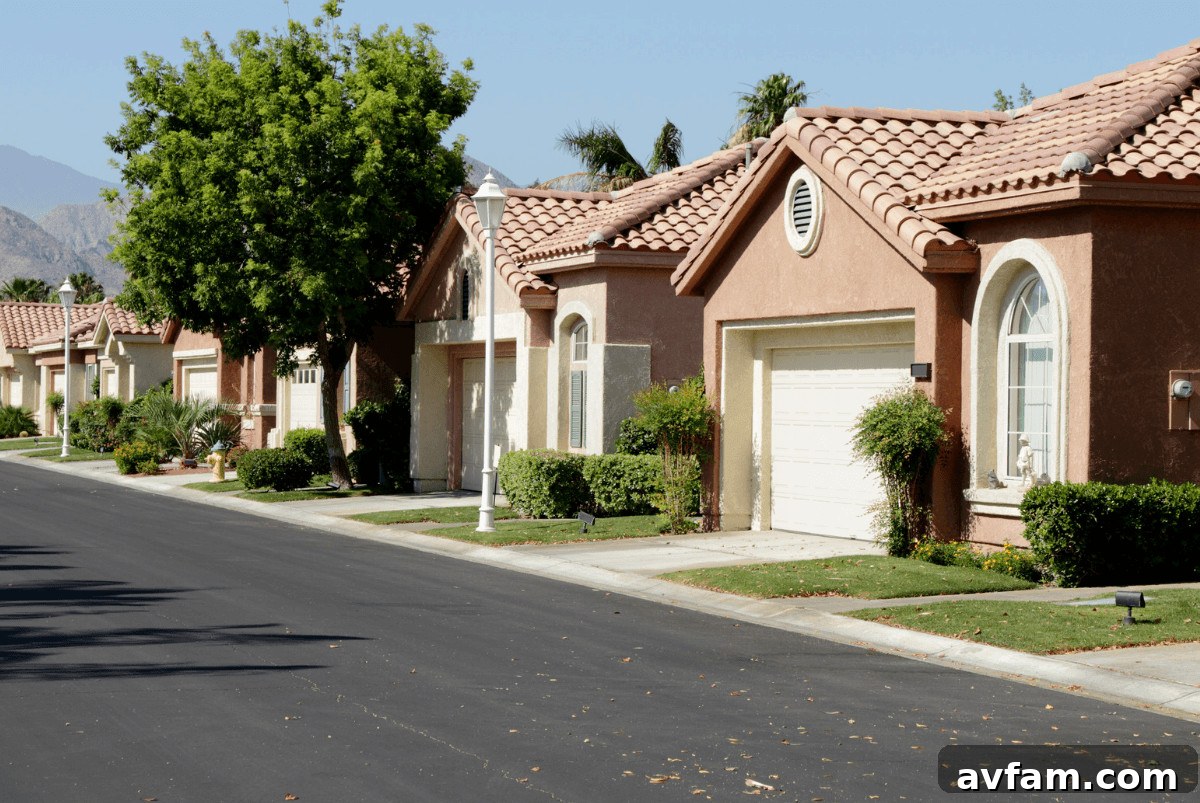
Buying a home is one of the largest investments most people make. While homeowners naturally focus on maintaining their own properties, the condition of the surrounding neighborhood greatly influences long-term property values. Clean streets, attractive landscaping, well-kept amenities, and shared standards create a neighborhood that feels welcoming and retains market appeal.
A well-maintained community benefits everyone. It improves everyday life for current residents and makes the neighborhood more attractive to prospective buyers. When homeowners, association leaders, and management teams work together to care for common areas, they protect both the appearance and the resale value of every property.
Many communities rely on professional management to coordinate maintenance, budgeting, and resident communication. If you are researching community management services, Kuester is recognized as one of the top HOA management companies, offering support that helps homeowner associations maintain organized and attractive neighborhoods.
First Impressions Matter
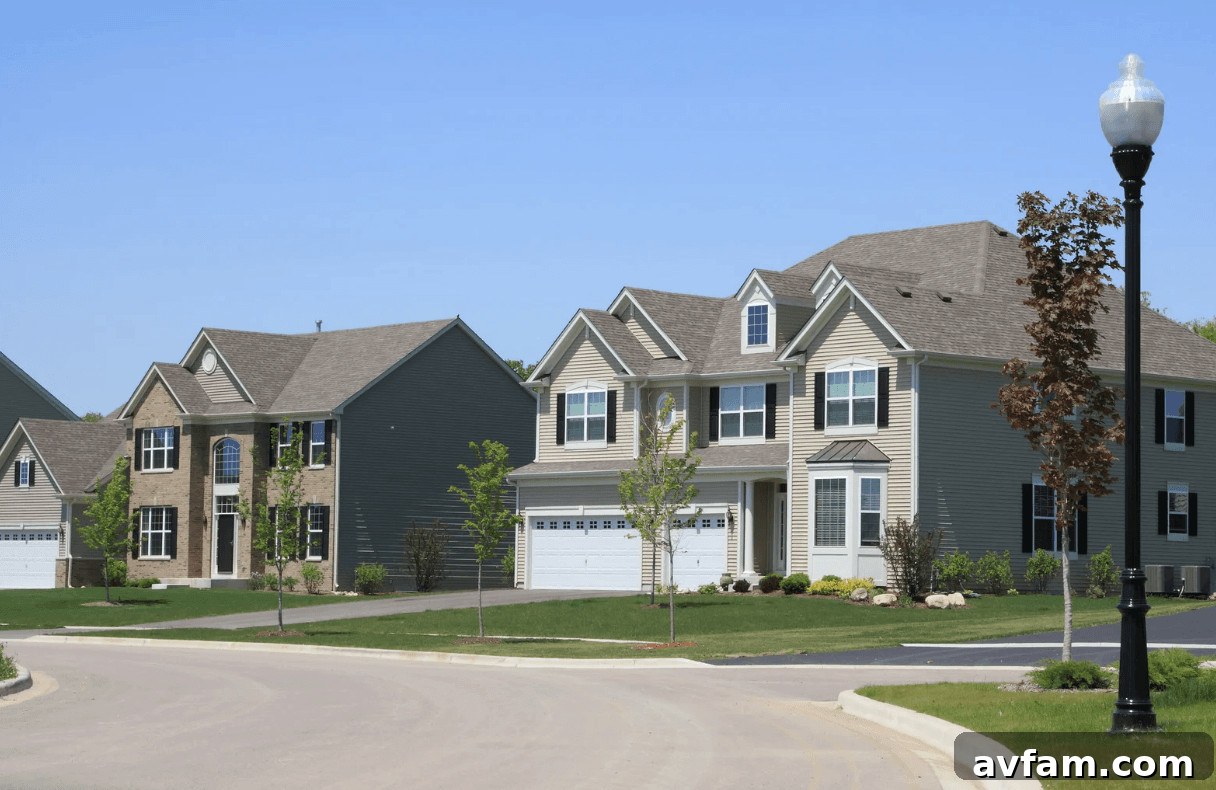
The first impression a neighborhood makes can influence a buyer’s decision immediately. Well-maintained entrances, healthy landscaping, clean sidewalks, and attractive common areas send a clear message that the community is cared for. This positive perception reassures buyers that individual homeowners also take pride in their properties.
Small details—fresh flower beds, trimmed trees, and clean streets—combine to create a stronger overall presentation and strengthen curb appeal across the neighborhood.
Regular Maintenance Prevents Bigger Problems
Routine maintenance is more cost-effective than waiting until small issues become major repairs. Addressing minor concerns early protects reserves and limits the need for large, unexpected assessments. Regular inspections of lighting, sidewalks, roofs, and shared facilities help identify and resolve problems before they escalate.
Consistent upkeep also keeps community spaces safe and enjoyable year-round, reducing liability and extending the life of common assets.
Attractive Amenities Increase Neighborhood Appeal
Amenities such as walking paths, parks, playgrounds, clubhouses, pools, and fitness areas enrich daily life and promote social interaction. Proper care keeps these features clean, functional, and inviting—encouraging more residents to use and appreciate them.
Well-maintained shared spaces are tangible selling points. They enhance the quality of life for current homeowners and make the neighborhood more appealing to prospective buyers.
Consistent Standards Support Property Values
Reasonable community guidelines help preserve a cohesive look throughout the neighborhood. Standards that address landscaping, exterior maintenance, and parking are intended to protect property values rather than restrict homeowners. When properties are maintained consistently, the neighborhood builds a stronger identity and remains attractive to buyers.
Financial Planning Supports Long-Term Success
Strong financial management is essential for ongoing community care. Effective budgeting, reserve planning, and transparent accounting enable associations to fund routine maintenance and future improvements without sudden financial strain on homeowners. Predictable planning increases homeowner confidence and reduces the need for emergency assessments.
Clear Communication Builds Trust
Open, transparent communication between homeowners, boards, and management fosters cooperation and trust. Regular updates about maintenance schedules, upcoming projects, budgets, and community events keep residents informed and engaged. When homeowners understand priorities and decisions, they are more likely to participate constructively and support community goals.
Landscaping Creates Lasting Value
Landscaping is one of the most visible elements of a neighborhood. Healthy lawns, mature trees, seasonal plantings, and well-pruned shrubs create a pleasant environment that residents enjoy daily. Thoughtful landscape design and routine care enhance outdoor gathering spaces and help sustain a relaxed, attractive atmosphere throughout the community.
Community Pride Encourages Better Maintenance
A clean, well-kept neighborhood inspires residents to take pride in their surroundings. Simple behaviors—keeping yards tidy, reporting maintenance issues promptly, and participating in community activities—strengthen the overall appearance and sense of ownership. That shared responsibility helps preserve the neighborhood’s long-term appeal.
Well-Maintained Communities Attract Buyers
When buyers compare neighborhoods, those that appear clean, organized, and professionally managed stand out. Visible attention to detail, maintained amenities, and orderly common areas give buyers confidence that the community will remain a worthwhile investment. A positive reputation can sustain buyer interest even as market conditions change.
Planning for the Future
Successful communities balance current maintenance with strategic planning for future needs. Investing in updated amenities, infrastructure repairs, and long-term projects preserves the quality of life and helps keep property values stable. Forward-thinking planning ensures the neighborhood remains competitive and desirable for years to come.
Final Thoughts
Protecting home values extends beyond individual property upkeep; it depends on the collective condition and management of the neighborhood. Regular maintenance, sound financial planning, attractive shared spaces, and clear communication all contribute to communities where homeowners feel proud to live. By prioritizing ongoing care and planning for the future, homeowner associations and residents can help preserve the appeal, safety, and value of their neighborhoods for the long term.