
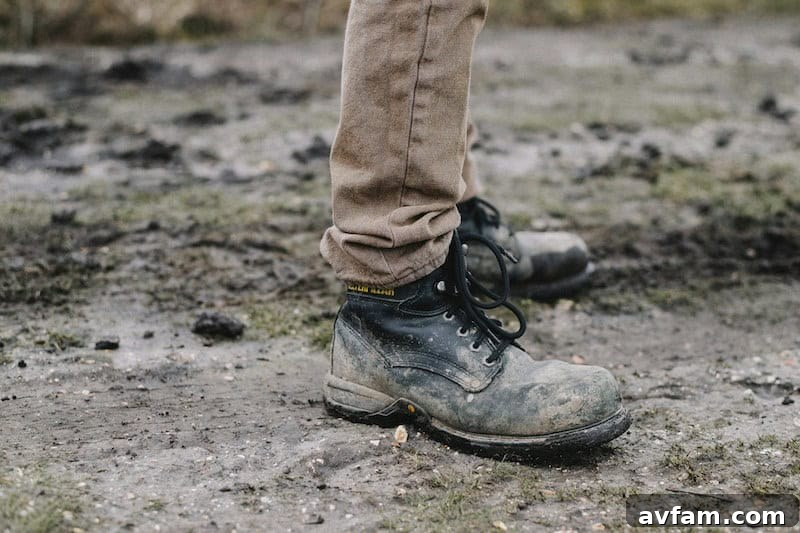
In today’s diverse and demanding professional landscape, the right pair of work boots is far more than just comfortable footwear; it’s a fundamental piece of personal protective equipment (PPE) that is indispensable for ensuring safety, boosting efficiency, and maintaining comfort in a multitude of hazardous environments. From the unforgiving terrain of a construction site and the constant activity of a bustling warehouse to the slick surfaces of a commercial kitchen and the high-voltage zones of electrical work, specialized work boots are engineered to address specific risks and challenges. Making an informed choice about your work footwear can profoundly impact your daily performance, protect you from potential injuries, and contribute significantly to your overall well-being throughout your career. This comprehensive guide will meticulously explore the various types of work boots available, detail their intended applications, highlight crucial features, discuss associated costs, and offer recommendations from leading manufacturers. Our objective is to empower you with the essential knowledge needed to select footwear that not only meets rigorous safety standards but also provides unparalleled comfort and performance tailored to your specific occupational demands.
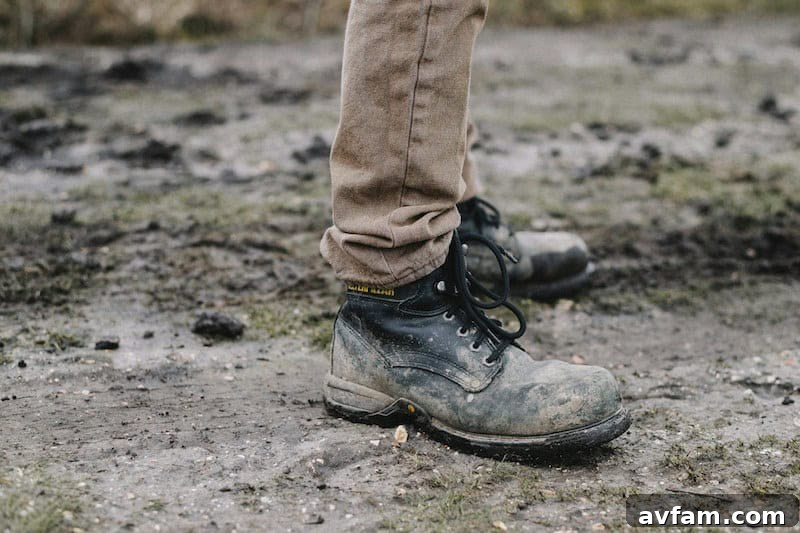
Why Choosing the Right Work Boots is Non-Negotiable
The workplace is replete with potential hazards, ranging from impact and compression risks posed by heavy machinery and falling objects, to electrical dangers, extreme temperatures, sharp puncturing materials, and treacherous slippery surfaces. Generic everyday shoes are simply not designed to offer adequate protection against these threats. Specialized work boots are rigorously engineered with advanced materials and innovative construction techniques to provide targeted defense. Beyond their primary role in safeguarding your feet, these boots deliver crucial ergonomic advantages by minimizing foot fatigue, enhancing stability, and providing necessary support, which are all vital for enduring long shifts and physically strenuous tasks. Viewing high-quality work boots as merely an expense is a misconception; they are a strategic investment in your personal safety, long-term health, and sustained productivity. Compliance with safety regulations, while important, should also be seen as an opportunity to prioritize your physical well-being.
Comprehensive Breakdown of Work Boot Types and Their Ideal Applications
Let’s dive into the distinct categories of work boots, each meticulously designed with unique features to conquer specific job-related challenges and environments.
1. Steel Toe Work Boots: Unyielding Protection Against Impact and Compression
Ideal for: Construction professionals, heavy machinery operators, manufacturing plant assembly line workers, miners, logging industry personnel, and warehouse staff handling heavy loads.
Why they’re suited: Steel toe boots are universally recognized as a foundational element of safety footwear, particularly in industries where the constant threat of heavy objects falling, rolling, or causing severe compression injuries to the foot is a daily reality. These boots are distinguished by a robust steel cap meticulously embedded within the toe box. This steel reinforcement is engineered and rigorously tested to withstand substantial impact and compressive forces, typically meeting or exceeding stringent ASTM F2413 safety standards. This provides unparalleled peace of mind when operating around powerful equipment, navigating areas with potential falling debris, or working in demanding industrial settings. While the steel component can add a degree of weight compared to other protective materials, its undisputed track record for offering the highest level of protection against crushing injuries makes it the preferred choice for the most hazardous occupations. The internal steel cap is strategically positioned to form a protective barrier, ensuring maximum safety for your toes.
Price Range: $80 – $200. The cost can fluctuate based on additional integrated features such as advanced waterproofing, thermal insulation, or the use of premium leather and advanced sole technologies.
Top Manufacturers: Caterpillar is an iconic brand, synonymous with rugged durability, unparalleled reliability, and unwavering adherence to the highest safety standards, establishing their boots as a perennial favorite among workers in heavy industries. Their reputation is built on engineering boots that not only perform but endure the most extreme conditions. Red Wing stands as another highly esteemed manufacturer, celebrated globally for its commitment to premium materials, exceptional craftsmanship, and impressive longevity, providing workers with footwear that delivers superior protection, enduring comfort, and a classic aesthetic designed to last for years.
2. Composite Toe Work Boots: Lightweight, Non-Metallic, and Electrically Safe
Ideal for: Electricians, utility line workers, painters, security personnel, airport employees, and anyone working in environments with electrical hazards, extreme temperature fluctuations, or requiring passage through metal detectors.
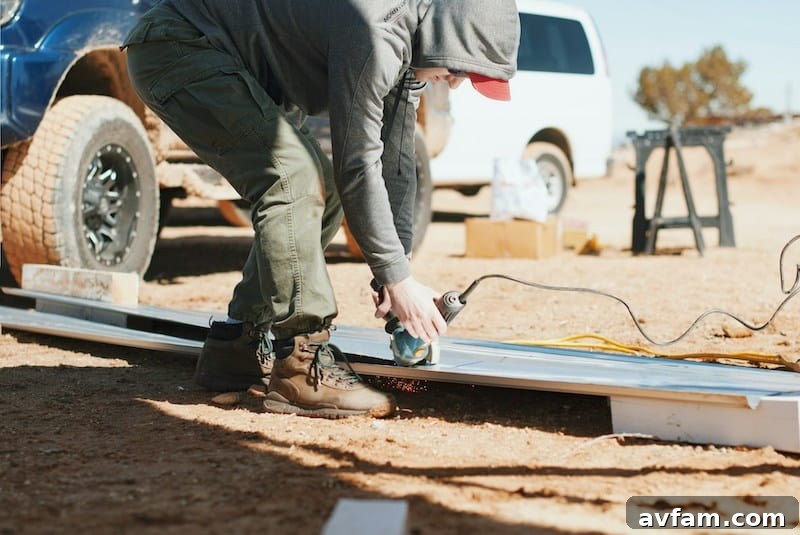
Why they’re suited: Composite toe boots represent a highly effective, modern, and increasingly popular alternative to traditional steel toe footwear. Instead of relying on steel, they incorporate advanced non-metallic materials such as high-grade plastic, durable carbon fiber, robust fiberglass, or resilient Kevlar to form the protective toe cap. This innovative material choice yields several significant advantages: composite toe caps are notably lighter than their steel counterparts, significantly reducing foot fatigue during prolonged shifts. Critically, these materials are non-conductive, meaning they do not transmit heat or electricity. This makes them an indispensable choice for professionals operating near live electrical hazards or in settings where extreme temperature shifts are a concern. Furthermore, their entirely non-metallic construction ensures they will not activate metal detectors, offering considerable convenience for personnel working in airports, secure government facilities, or other sensitive areas. Despite their lighter weight, composite toes are engineered to meet stringent ASTM safety standards for both impact and compression, guaranteeing reliable and comprehensive protection.
Price Range: $100 – $220. The integration of advanced, lighter materials and specialized manufacturing processes often positions them at a slightly higher price point than basic steel toe options.
Top Manufacturers: KEEN Utility is widely acclaimed for its ability to seamlessly integrate advanced safety features with exceptional comfort, often presenting designs that are more athletic and flexible without compromising on crucial protective elements. Their boots frequently feature innovative technologies for enhanced fit, cushioning, and support. Timberland Pro excels in producing remarkably robust and protective composite toe boots, frequently incorporating advanced insulation properties, anti-fatigue technology, and superior resistance against electrical hazards, delivering both comfort and uncompromising safety.
3. Waterproof Work Boots: Keeping Feet Dry in Any Condition
Ideal for: Fishermen, landscapers, agricultural workers, construction crews in wet climates, plumbers, roofers, and outdoor workers consistently exposed to moisture or precipitation.
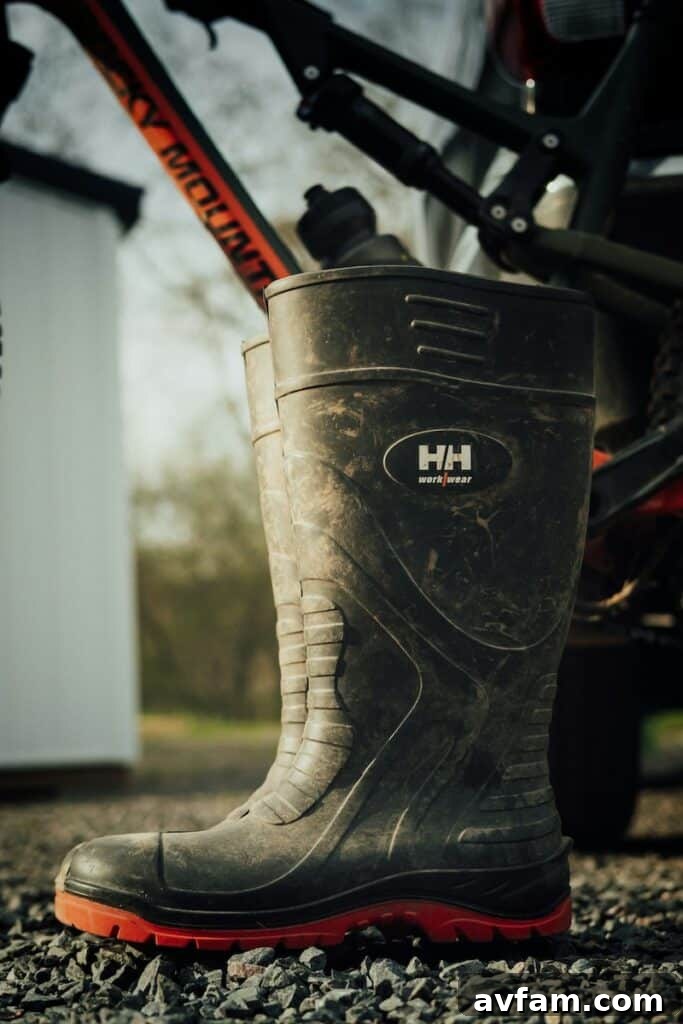
Why they’re suited: For any professional whose job entails regular exposure to wet, muddy, or rainy conditions, waterproof work boots are an absolute imperative, not a luxury. Prolonged dampness can lead to uncomfortable blisters, debilitating fungal infections, and even severe hypothermia in colder environments. These boots are meticulously engineered with specialized waterproof membranes (such as Gore-Tex, eVent, or proprietary brand technologies) and feature seam-sealed construction, which effectively prevents water penetration while often allowing internal moisture vapor (sweat) to escape. This dual action keeps feet consistently dry and comfortable. Beyond simply repelling water, many waterproof boots also offer enhanced durability and resistance against abrasive elements commonly encountered in wet, outdoor environments, thereby extending the lifespan of the footwear and ensuring consistent, reliable protection.
Price Range: $70 – $180. The price is significantly influenced by the quality and advanced nature of the waterproofing membrane, the overall boot construction, and additional comfort features.
Top Manufacturers: Wolverine boots are highly respected for their exceptional blend of durability and reliable water resistance, frequently integrating innovative comfort technologies into their designs. Muck Boot Company specializes in crafting high-performance waterproof footwear, particularly excelling in designs optimized for extremely muddy, challenging, and wet outdoor conditions, consistently delivering unparalleled comfort and robust protection.
4. Insulated Work Boots: Essential Warmth for Extreme Cold
Ideal for: Loggers, winter construction workers, personnel operating in cold storage facilities, utility line workers in frigid regions, and anyone working outdoors in consistently freezing temperatures.
Why they’re suited: Operating in extremely cold environments presents grave risks, including frostbite, chilblains, and potentially life-threatening hypothermia. Insulated work boots are purpose-built to effectively trap and retain body heat, ensuring feet remain warm, functional, and protected even in the most severe cold. This is achieved through strategic layering of high-performance insulating materials such as Thinsulate, natural wool, or proprietary synthetic blends. The quantity of insulation, typically measured in grams (e.g., 200g, 400g, 800g, or even 1000g+), dictates the level of warmth provided, allowing workers to precisely match their footwear to their specific cold exposure levels. Beyond thermal protection, these boots commonly feature robust outer materials and frequently incorporate waterproofing to prevent moisture intrusion, which could otherwise compromise the insulation’s effectiveness. This comprehensive design offers robust protection against the harshest winter conditions.
Price Range: $90 – $250. Boots with higher insulation ratings, premium materials, and integrated advanced technologies will naturally command a higher price point.
Top Manufacturers: Both Carhartt and Columbia are widely recognized as leaders in the production of exceptional insulated work boots. Carhartt is celebrated for its unwavering focus on rugged workwear, offering boots that masterfully combine high-quality, ultra-durable materials with highly effective insulation technologies designed for grueling work. Columbia, while also a strong player in outdoor gear, brings its expertise in advanced thermal reflective technologies to keep feet warm and protected even in extreme cold conditions.
5. Slip-Resistant Work Boots: Superior Traction for Hazardous Surfaces
Ideal for: Chefs, kitchen staff, medical professionals, food service employees, factory workers, restaurant personnel, and custodians.
Why they’re suited: Slips, trips, and falls constitute one of the most prevalent categories of workplace injuries, particularly acute on wet, oily, greasy, or otherwise slick surfaces. Slip-resistant work boots are meticulously engineered with specialized outsoles that feature unique, multi-directional tread patterns and advanced rubber compounds specifically formulated to provide superior traction. These outsoles are expertly designed to channel liquids away from the bottom of the boot, thereby maximizing the contact area with the ground and dramatically reducing the risk of accidental slips. This feature is absolutely critical for preventing accidents in environments such as bustling commercial kitchens, sterile hospitals, high-volume food processing plants, and manufacturing facilities where spills and slick floors are an everyday occurrence. Beyond significantly enhancing safety, improved grip also instills greater worker confidence and boosts productivity in challenging, fast-paced conditions.
Price Range: $50 – $150. Many accessible yet effective options are available, with higher-end models offering additional comfort features and enhanced material durability.
Top Manufacturers: Skechers is widely acknowledged for consistently delivering footwear that brilliantly blends excellent slip resistance with outstanding everyday comfort, making their boots a highly popular choice across various service industries. Dr. Martens, an iconic brand celebrated for its durable and distinctive designs, also offers professional work boot options that incorporate superior grip technologies and robust construction, making them eminently suitable for demanding work environments.
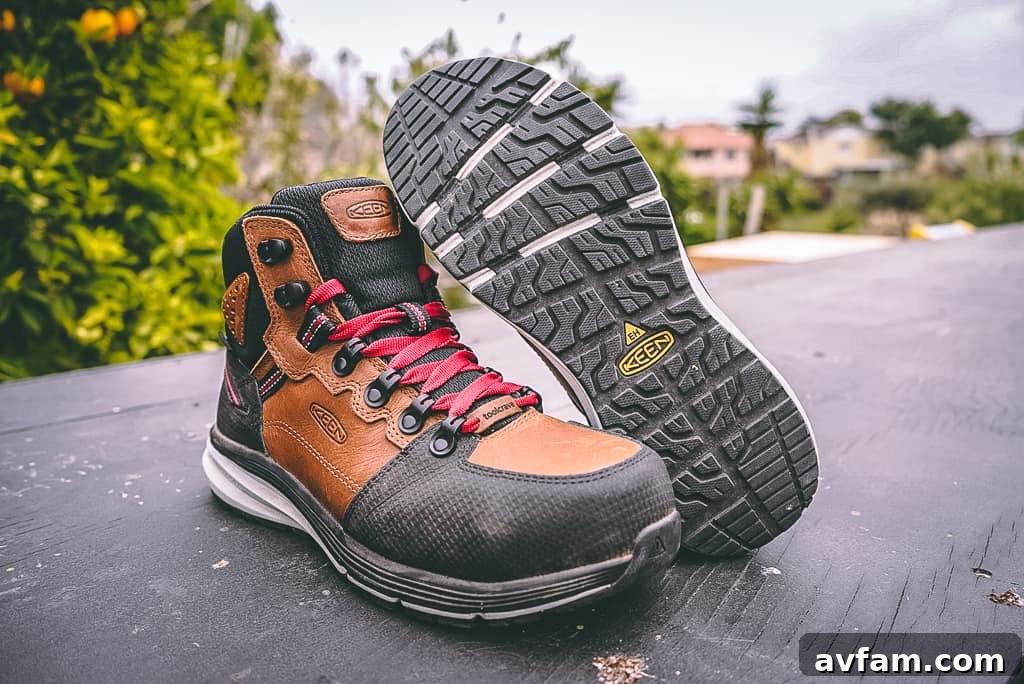
6. Electrical Hazard (EH) Work Boots: Safeguarding Against Electric Shock
Ideal for: Electricians, utility workers, power linemen, maintenance technicians, and any personnel working directly around live electrical circuits, components, or conductors.
Why they’re suited: Electrical Hazard (EH) rated work boots are an absolutely non-negotiable safety requirement in any profession that involves the potential for accidental contact with electrical currents. These boots are specifically engineered to provide a crucial secondary source of protection against incidental contact with energized electrical circuits. Their construction is entirely non-conductive, meaning there are no metallic components from the outsole to the upper that could potentially carry an electrical charge through the wearer’s foot. The outsole and heel are expertly designed to insulate the wearer from the ground, thereby significantly reducing the risk of electrical shock. EH boots undergo rigorous testing to meet stringent ASTM F2413 standards, ensuring they can effectively withstand specific voltage levels and protect the wearer from open circuits up to 600 volts in dry conditions. They are a critical barrier in preventing fatal electrical accidents.
Price Range: $100 – $200. The specialized non-conductive materials, intricate construction, and extensive safety testing contribute to their particular pricing structure.
Top Manufacturers: Thorogood and Reebok are recognized as prominent leaders in the Electrical Hazard footwear category. Thorogood is highly respected for its unwavering dedication to crafting boots that not only meet but frequently surpass stringent safety standards, all while prioritizing exceptional worker comfort and uninhibited mobility. Reebok, skillfully leveraging its extensive expertise in athletic footwear, offers EH boots that ingeniously combine essential safety features with lightweight designs and superior cushioning, making them an excellent choice for dynamic and demanding work environments.
Choosing the Optimal Work Boots: Essential Considerations for Your Investment
With such a broad array of specialized options, pinpointing the absolute best work boots for your needs can initially seem overwhelming. Here are critical factors and detailed considerations to meticulously guide your decision-making process:
- Thoroughly Assess Your Workplace Hazards: This is the foundational and most critical first step. You must accurately identify all specific risks you encounter on a daily basis: Are there constant threats from falling objects or heavy machinery? Is there potential for electrical exposure? Will you be working in perpetually wet, cold, or extremely hot conditions? Are sharp objects or slippery surfaces common? Your chosen boot must directly and effectively address these primary hazards.
- Understand and Verify Safety Standards (ASTM F2413): Always look for boots that clearly state compliance with ASTM F2413 (Standard Specification for Performance Requirements for Protective (Safety) Toe Cap Footwear). This comprehensive standard covers vital aspects such as impact resistance, compression resistance, metatarsal protection, electrical hazard protection, static dissipative properties, and puncture resistance. Understanding these ratings ensures you are selecting certified protection.
- Evaluate Material Durability and Overall Comfort:
- Upper Materials: Full-grain leather is prized for its superior durability, natural breathability, and ability to mold comfortably to your foot over time. Nubuck and various synthetic materials can offer lighter weight and often require less break-in time, frequently used in designs emphasizing waterproofing or composite toes.
- Outsole: Carefully consider the grip pattern and the material composition of the outsole. Aggressive, deep lugs are ideal for superior traction on uneven, muddy, or loose terrain, while flatter, finely textured patterns are designed for optimal grip on smooth, wet, or oily industrial floors. Rubber compounds typically offer excellent slip resistance, while PU (polyurethane) can provide lighter cushioning.
- Midsole: The midsole is crucial for providing essential cushioning, shock absorption, and flexibility. EVA (ethylene-vinyl acetate) is known for being lightweight and flexible, offering excellent athletic shoe-like comfort. PU (polyurethane) midsoles, while often heavier, provide superior durability, support, and long-term cushioning for demanding tasks.
- Shank: A rigid support component (commonly made of steel, fiberglass, or nylon) strategically placed between the insole and outsole. It provides crucial arch support, preventing foot fatigue, and offers additional protection against punctures from beneath.
- Prioritize Fit and Ergonomic Comfort:
- Proper Sizing: Always try on work boots at the end of your workday, as your feet tend to be slightly swollen then. Ensure there is ample room in the toe box for your toes to wiggle freely, and that your heel doesn’t slip excessively.
- Arch Support: Adequate arch support is absolutely critical for long-term comfort, preventing debilitating foot fatigue, and mitigating common foot ailments. Consider investing in high-quality aftermarket insoles if the boot’s built-in support is insufficient for your specific arch type.
- Weight: Lighter boots significantly reduce overall fatigue, which is especially important for jobs requiring high mobility or extended periods of standing.
- Break-in Period: Be aware that some boots, particularly those constructed from thick, heavy-duty leather, will require a break-in period. Plan accordingly to ensure they are comfortable before extensive use on the job.
- Consider Ankle Support Requirements: High-cut boots offer superior ankle stability and protection, significantly reducing the risk of sprains, especially when working on uneven or challenging terrain. Lower-cut boots provide greater flexibility and range of motion, which might be preferred for less physically demanding roles or when agility is paramount.
- Balance Budget with Value: While cost is undeniably a factor, it is crucial to remember that work boots represent a vital investment in your personal safety, comfort, and long-term health. Cheaper options may often compromise on critical safety features, durability, or ergonomic support, potentially leading to greater costs down the line through discomfort or injury.
Maintaining Your Work Boots: Essential Tips for Longevity and Sustained Performance
To maximize the operational lifespan and preserve the effectiveness of your valuable work boots, diligent and proper care is absolutely essential:
- Consistent Cleaning: After each shift, take a moment to brush off any accumulated dirt, mud, or debris. For leather boots, gently wipe them down with a damp cloth to remove surface grime.
- Regular Conditioning: Leather boots greatly benefit from periodic conditioning treatments. Applying a quality leather conditioner helps prevent the material from drying out, cracking, and becoming brittle, thereby extending its flexibility and lifespan.
- Reapply Waterproofing Treatment: For boots used in wet or damp conditions, it is crucial to periodically reapply waterproofing sprays or waxes. This maintains the integrity of the water barrier, ensuring your feet remain dry.
- Proper Drying Techniques: If your boots become thoroughly wet, promptly remove them. Loosely stuff them with crumpled newspaper to absorb moisture, and allow them to air dry naturally in a well-ventilated area, away from direct heat sources. Never attempt to force-dry boots with heaters or direct sunlight, as this can severely damage the materials and compromise their structural integrity.
- Routine Inspection for Wear: Regularly conduct a thorough visual inspection of your boots. Pay close attention to the outsoles for signs of wear and tear, especially the tread pattern, as worn treads significantly compromise slip resistance. Also, inspect the toe caps and upper materials for any cuts, punctures, or damage that could compromise the boot’s overall safety rating.
The decision to select the correct type of work boot transcends mere personal preference; it stands as a pivotal and critical choice for any individual who confronts occupational hazards or operates within challenging work environments. By gaining a thorough and nuanced understanding of the distinct features, inherent benefits, and specific protective capabilities of each boot type, workers can confidently ensure they are choosing footwear that not only offers robust protection against potential dangers but also significantly elevates their work performance, minimizes fatigue, and contributes to their overall comfort throughout the workday.
Leading manufacturers such as Caterpillar, KEEN Utility, and Carhartt consistently deliver a diverse array of high-quality options, meticulously tailored to satisfy the extensive range of professional needs. These brands are unwavering in their commitment to prioritizing uncompromising safety, superior comfort, and exceptional, long-lasting durability in every pair of boots they produce. It is crucial to internalize that acquiring the proper work boots should never be categorized as a mere expense, but rather as an essential, proactive investment in your personal safety, your long-term health, and your sustained effectiveness within your professional role.
Whether your daily tasks involve stepping onto a bustling and unpredictable construction site, meticulously climbing scaffolding structures, skillfully navigating the demanding and dynamic environment of a manufacturing plant, or moving swiftly and confidently across a potentially slippery kitchen floor, the right pair of meticulously chosen work boots will make an undeniable and profound difference in your daily job performance and contribute immensely to your overarching workplace safety. Invest the necessary time to choose wisely, and always endeavor to tread safely and confidently in all your professional pursuits!