

Most homeowners budget for visible upgrades: new floors, fresh paint, kitchen improvements, better lighting, and landscaping. Those projects feel rewarding. The roof, though less visible, affects almost everything beneath it — comfort, energy use, resale value, and long-term repair costs.
If you are considering roof repair across San Diego, the conversation shouldn’t start only when water appears inside. It should begin when the roof begins to influence the home’s performance, value, or future plans.
A roof is more than a surface; it is a critical protective system. Neglect can let small weaknesses undermine insulation, ventilation, interior finishes, and structural materials. Proper maintenance, by contrast, keeps a home more secure, more efficient, and easier to manage over time.
Roof Work Is Really a Planning Decision
Too often roof repairs are treated as surprise expenses. Many problems are easier to handle with planning.
You don’t have to wait for a leak to start thinking about the roof. Age, material type, past maintenance, weather exposure, drainage, and prior repairs all help determine when attention is needed. A roof that looks fine from the driveway can still have areas nearing the end of their useful life.
Planning in advance gives homeowners more options: schedule work during a convenient season, compare solutions calmly, and decide whether a targeted repair, routine maintenance, re-roofing, or full replacement is the right path. Professional roofing services range from inspections and small repairs to maintenance programs and full replacements, reflecting how roof care can be small corrections or larger upgrades.
Seeing the roof as part of a larger system helps avoid treating every issue as isolated. Sometimes a repair is sufficient. Other times repeated problems point to a system-level need that requires a strategic solution.
The Cheapest Fix Is Not Always the Most Affordable
A low-cost patch can be tempting when damage looks minor. But roofing expenses should be judged by lifespan, not just the first invoice.
A quick repair that fails after the next heavy rain may cost more in the long run than a properly executed solution. If moisture reaches decking, insulation, drywall, or framing, the cost of delay can extend far beyond the roof itself.
A thoughtful roofing decision answers three questions: what failed, why it failed, and how long the solution will last. Without those answers, homeowners may repeatedly pay for temporary relief instead of solving the underlying issue.
This doesn’t mean the most expensive option is always best. It means the chosen repair should match the roof’s condition. A newer roof with an isolated damaged area may need a focused repair. An older roof with recurring leaks and widespread wear may require a larger conversation about replacement.
The Roof Can Affect Comfort Inside the Home
Roofing is usually discussed as exterior protection, but its effects are felt indoors.
A functioning roof supports temperature control by helping the attic and insulation do their jobs. Compromised roofing materials, poor ventilation, or heat build-up under the roof can make rooms harder to cool, increase energy use, and allow moisture to collect in hidden areas.
Linking roof condition to thermal comfort, energy savings, and property value is common because the roof plays a larger role in home performance than many realize.
That’s why homeowners should notice more than obvious leaks. Uneven indoor temperatures, an excessively hot attic, damp odors, or rising utility bills may not always be roofing issues, but they are signs worth investigating during a full home-performance check.
Re-Roofing Can Be a Middle-Ground Option
Not every aging roof needs the same level of work. In some cases, re-roofing can refresh the outer layer and extend the system’s life when the structure underneath is still sound. This improves appearance, strengthens protection, and delays a more extensive replacement.
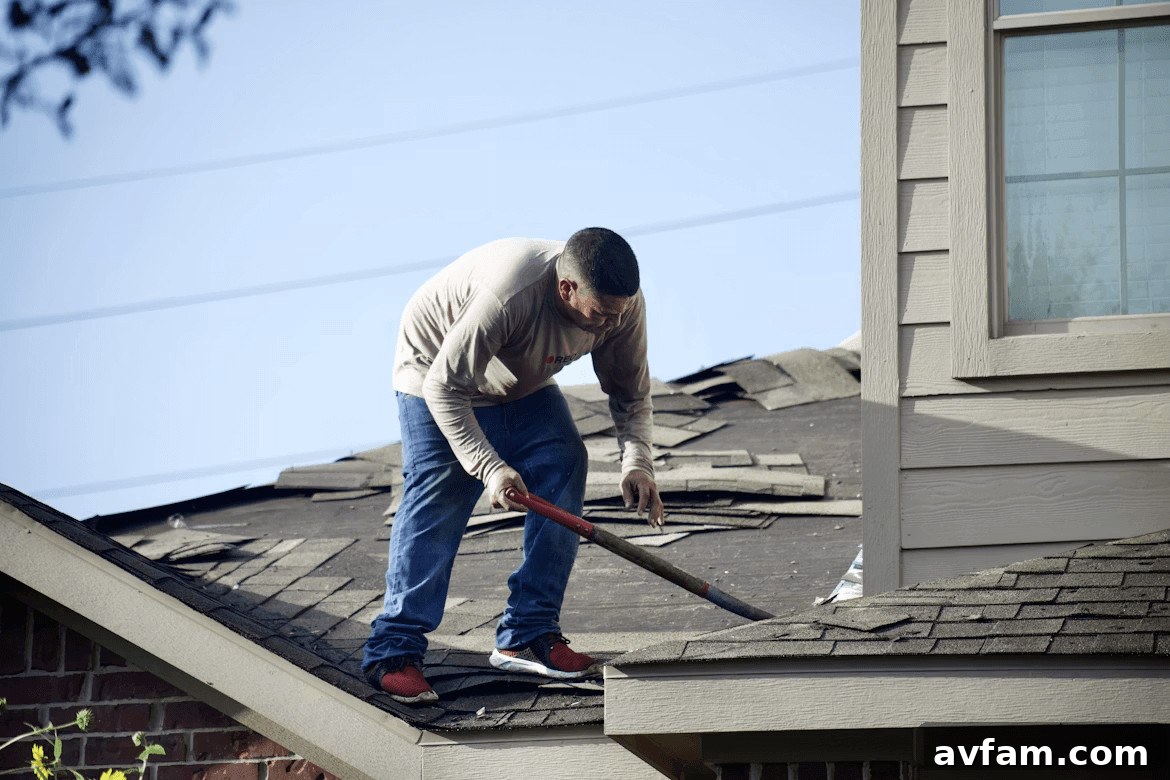
The key question is what lies beneath. If decking is damaged, moisture is trapped, or there are unresolved structural concerns, covering the roof may only hide problems. A proper assessment should determine whether the existing base can support a new layer and whether deeper repairs are required first.
Homeowners benefit from asking direct questions: Is the roof suitable for re-roofing? Are there signs of hidden water damage? How long will the new layer last? What problems would require a tear-off instead? Clear answers prevent short-term improvements from becoming long-term mistakes.
Gutters and Drainage Deserve a Seat at the Table
Roof problems are not always caused by the roofing surface itself. Water needs a clear path away from the home. When gutters are clogged, sagging, undersized, or damaged, water can back up under edges, spill onto fascia, collect near the foundation, or stain siding.
Poor drainage accelerates roof aging and creates symptoms that look like material failure. Roof planning should include gutters, downspouts, valleys, slopes, and runoff patterns. A well-repaired roof still needs water to move correctly; ignore drainage and the same areas will continue to suffer stress after repairs.
From the ground, watch for signs: water pouring over gutter edges, soil erosion below downspouts, staining on siding, loose gutter sections, or debris in roof valleys. These clues often reveal whether water is being controlled or simply finding its own path.
Roof Decisions Matter When Selling or Buying
A roof strongly influences buyer confidence. Buyers notice roof age, visible wear, inspection notes, past leaks, and repair history. Even if the rest of the home looks great, uncertainty overhead can create hesitation. Sellers may face renegotiations, repair requests, or lower offers if a roof appears neglected.
For buyers, roof condition affects budgeting. An older roof can still make sense, but only if future costs are understood. For sellers, documentation helps: inspection reports, maintenance records, repair details, and warranties reassure potential buyers that the roof has been cared for responsibly.

Professional evaluation and, when appropriate, roof certification provide clearer documentation of condition before a sale or major decision. Clear records connect roofing work to real estate confidence as well as everyday protection.
Commercial and Residential Roofs Need Different Thinking
Residential and commercial roofs both protect property, but planning priorities differ. Homeowners often focus on leaks, comfort, curb appeal, and long-term value. Commercial owners must consider tenant disruption, inventory protection, rooftop equipment, insurance, maintenance schedules, and access control.
Property managers and HOAs frequently need clear documentation, predictable timelines, and budget-friendly planning. Roofing solutions should be tailored to the property rather than treated as generic. A strong roofing plan respects the building’s purpose: phased scheduling for businesses, clear communication for homeowners, and consistent reporting for HOAs.
The Best Roof Repair Is the One That Fits the Future
Roof care should not be a one-day decision. A good repair solves the current problem while considering what comes next. If the roof is otherwise healthy, a focused repair can protect the home for years. If the roof is near the end of its service life, planning for a larger project may be the smarter move than paying for repeated fixes.
Think of the roof as part of a bigger home strategy. How long do you plan to stay? Are you preparing to sell? Has the roof had multiple leaks? Are energy costs rising? Are gutters performing well? Is the attic properly ventilated? These questions turn roofing from a stressful emergency into a practical investment conversation.
A roof will never be the flashiest part of a home, but it may be one of the most important. Planning earlier, asking the right questions, and choosing repairs that match the roof’s real condition protect not just the structure, but the comfort, value, and stability of everything underneath.