
Mastering Your Next DIY Project: The Ultimate Guide to Thorough Research
Embarking on a home renovation or DIY project can be incredibly rewarding. The thrill of creating something with your own hands, customizing your living space, and potentially saving a significant amount of money is a powerful motivator. However, the path from idea to successful completion is often paved with challenges, unforeseen complications, and the potential for costly mistakes. This is where meticulous research becomes not just helpful, but absolutely essential. Just as a seasoned scholar delves deep into their subject, a smart DIY enthusiast investigates every facet of their project before picking up a single tool.
My academic background in Sociology, a field rooted in rigorous research and critical analysis, has instilled in me a profound appreciation for diligent information gathering. This methodical approach translates seamlessly into my home renovation endeavors. While the internet offers an unparalleled wealth of information at our fingertips, it also presents a significant challenge: discerning credible advice from misleading shortcuts. A website claiming that adding to existing plumbing is “as easy as 1-2-3” might be a dangerous oversimplification without the practical experience and verifiable details to back it up.
To navigate the vast sea of DIY information effectively and ensure your next project is a resounding success, here are comprehensive strategies for properly researching and planning:
Essential Strategies for Smart DIY Project Research
1. Verify Your Sources: The Credibility Check
The first rule of smart DIY research is to question everything and evaluate its source. Not all information found online is created equal. Before committing to a specific method or purchasing materials based on a recommendation, consider the origin of the advice. Is the website you’re consulting a well-established and respected authority in home improvement, perhaps backed by industry professionals or reputable publications? Or is it a user-generated forum or a personal blog where anyone, regardless of expertise, can share an opinion?
Look for signs of credibility: Does the author have relevant credentials or experience? Are there citations or references to official building codes, manufacturer instructions, or other professional resources? Websites affiliated with major hardware chains, professional trade associations (e.g., National Association of Home Builders), government housing departments, or well-known home and garden magazines tend to offer more reliable, vetted information. Be wary of sensational headlines, promises of instant fixes for complex problems, or advice that lacks detailed explanations or visual aids. A truly expert source will often provide step-by-step instructions, safety warnings, and a list of necessary tools and materials. Always prioritize content that demonstrates a deep understanding of the subject matter, rather than superficial summaries.
2. Cross-Reference Multiple Sources: The Power of Consensus
Relying on a single source, no matter how reputable it seems, can be a risky gamble. What one article declares as the definitive method might be an outdated technique, a niche approach suitable only for specific conditions, or even an oversimplified explanation that omits crucial steps. A critical step in effective research is to cross-reference information across several trusted sites and resources.
By comparing instructions, material lists, and safety precautions from multiple reputable sources, you begin to identify a general consensus on the proper method. If three out of four experts recommend a specific type of adhesive for a particular task, that’s a strong indicator. Conversely, if one source suggests a “MacGyver-esque” shortcut while others emphasize a more involved, robust approach, it’s wise to lean towards the latter. This multi-source verification helps you filter out idiosyncratic advice and discover the most common, safest, and most effective practices. It also exposes you to different perspectives and potential solutions for unexpected issues that might arise during your project, saving you time, money, and frustration in the long run.
3. Rediscover Your Local Library: A Treasure Trove of Knowledge
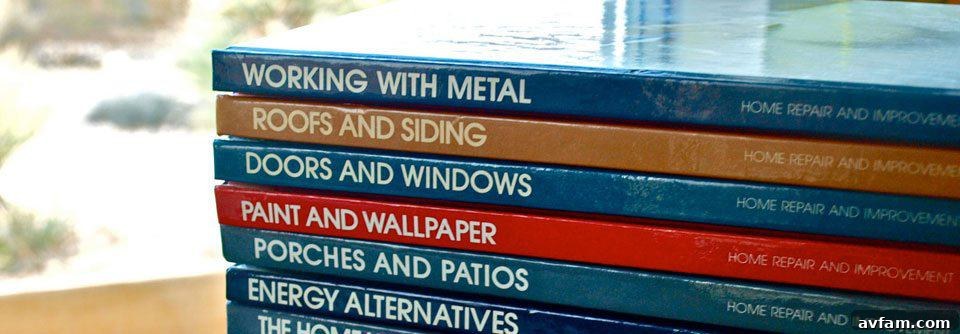
In our increasingly digital world, it’s easy to overlook the wealth of verified, in-depth information available at your local library. Libraries are fantastic, concrete places brimming with books, manuals, and periodicals that you can borrow for free. These resources often include professionally published DIY books and comprehensive guides, similar to those sold at big-box retailers, but without the cost. Many of these books are meticulously detailed, featuring high-quality photographs, intricate diagrams, and clear, step-by-step instructions that can be incredibly valuable for visual learners.
Library resources often provide a broader historical context for building practices, insights into different materials, and official building codes that might not be easily accessible or clearly explained online. They offer a tangible, distraction-free environment to immerse yourself in your project research. Furthermore, many libraries subscribe to specialized databases or offer access to online versions of authoritative trade journals, further expanding your research potential. Don’t underestimate the power of a well-researched, professionally edited book that has undergone a rigorous publication process – it’s a gold standard for reliable information.
4. Consult with Professionals: Expert Insights
Sometimes, the best research comes directly from those who do it for a living. If you’re unsure about your ability to tackle a project independently, or if it involves complex systems like plumbing, electrical work, or structural changes, seek a licensed professional for a consultation. Many contractors, plumbers, and electricians offer free initial consultations to discuss the scope of a project and provide a rough estimate.
Before meeting with a professional, do your preliminary research. This will allow you to ask informed questions and avoid appearing completely naive, which can help ensure you receive a more thorough and respectful response. Inquire about the necessary steps, potential challenges, required tools, and estimated timelines. Understanding how a professional would approach the task and what it truly entails can be invaluable. This insight will not only help you make a more informed decision about whether to proceed with DIY or hire help, but it can also equip you with crucial details if you decide to take on the project yourself. Even a quick chat with a knowledgeable staff member at your local hardware store can yield surprisingly useful tips and practical advice.
5. Engage in Hands-On Learning: Workshops and Classes
Reading about a project is one thing; actually doing it is another. Many home improvement stores, community centers, and even some local libraries offer weekend workshops or beginner classes focused on basic DIY projects. These can cover anything from tiling a bathroom to basic electrical wiring or plumbing repairs, and sometimes they’re even free. These workshops provide a fantastic opportunity to gain practical experience in a supervised, low-pressure setting. You can learn proper techniques, understand tool usage, and ask questions directly to experienced instructors.
Attending a class allows you to get a feel for the actual work involved before you commit to a full project at home. It can illustrate whether your heart’s desire aligns with your current skill set and comfort level, or if certain aspects of the project are best left to a seasoned professional. Beyond the practical skills, these sessions can also be a great way to network with other DIY enthusiasts, share experiences, and gather additional tips and resources.
6. Research Tools and Materials: Equip Yourself Properly
A successful DIY project relies heavily on using the right tools and materials. Don’t underestimate the importance of researching these elements thoroughly. Investigate what specific tools are required for each step of your project. Sometimes a specialized tool can save immense time and effort, making it a worthwhile investment or rental. Understand the differences between various types of materials (e.g., different grades of lumber, types of paint, adhesive strengths, plumbing pipe materials) and how they impact performance, durability, and cost.
Factor in not only the initial purchase price but also long-term maintenance and compatibility with existing structures or materials. Calculating the correct quantities of materials is also crucial to avoid costly over-purchasing or frustrating mid-project shortages. Look for reviews of specific brands, compare prices from different suppliers, and consider the environmental impact or sustainable options if that’s a priority for you.
7. Prioritize Safety: Your Health Comes First
No DIY project is worth risking your health or safety. Comprehensive research must always include understanding and implementing proper safety protocols. Identify all potential hazards associated with your project – whether it’s working with electricity, using power tools, handling chemicals, or dealing with structural elements. Research the appropriate personal protective equipment (PPE) such as safety glasses, gloves, dust masks, hearing protection, and sturdy footwear.
Familiarize yourself with the safe operation of all tools and equipment, always following manufacturer guidelines. Understand local building codes, especially concerning electrical, plumbing, and structural work, as these are designed to ensure safety and prevent future issues. A quick review of first aid for common DIY injuries can also be beneficial. Remember, taking shortcuts with safety can lead to severe injury, costly damage, or even fatalities. Always err on the side of caution.
Conclusion: The Smart DIYer’s Advantage
My own experience with researching the feasibility of adding a master bathroom perfectly illustrates the value of these strategies. After poring over plumbing books and consulting online resources, I concluded that while the project was technically possible, it was likely far beyond my current skill set. By investing time in thorough research before ever touching a pipe, I saved myself and my family considerable heartache, financial strain, and potential damage to our home. This proactive approach allowed me to make an informed decision and consider alternative solutions, knowing I hadn’t simply given up, but made a well-reasoned choice based on facts.
Diligent research is the cornerstone of any successful DIY endeavor. It transforms potential frustration into accomplishment, costly errors into smart solutions, and uncertainty into confidence. By carefully vetting your sources, cross-referencing information, leveraging diverse resources, seeking professional guidance, and prioritizing safety, you empower yourself to tackle projects effectively and responsibly. What about you – how do you prepare for your big DIY project? Any pointers or personal research hacks you could share in the comments below?