
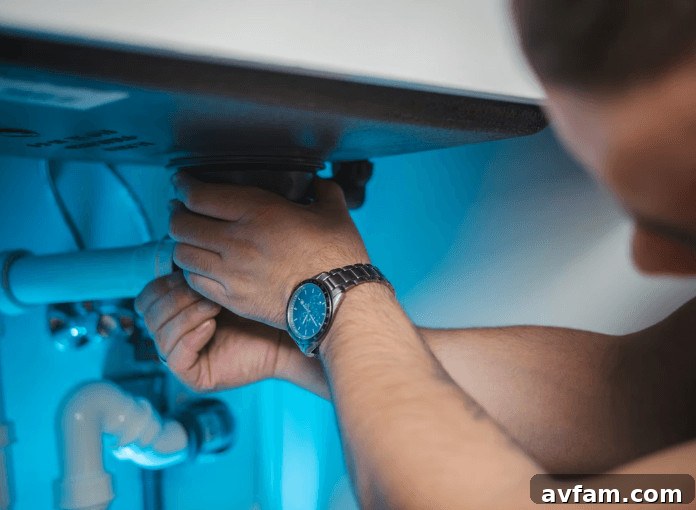
Buying a newly built home can feel reassuring because everything appears fresh and modern. Yet prudent buyers know that the hidden systems behind walls—especially plumbing—require the same scrutiny as flooring and finishes. Reviewing how the builder handled new construction plumbing services reveals installation quality, water efficiency, and long-term reliability. Understanding the plumbing system before closing helps buyers move in with greater confidence and fewer surprises.
Why the Plumbing Layout Matters
A new home may look flawless on the surface, but the plumbing layout determines how comfortably the property functions day to day. Pipe routing, fixture placement, and water-pressure planning all influence how smoothly bathrooms, kitchens, and laundry areas perform.
Poor planning can lead to slow drains, inconsistent hot-water delivery, or noisy pipes that become frustrating over time. A thoughtful layout supports convenience while reducing unnecessary strain on the system.
Buyers should ask whether the home was designed with future needs in mind. Accessible plumbing access panels, strategically placed shutoff valves, and sensible pipe locations make repairs faster and less disruptive later.
Modern designs often include dedicated lines for refrigerators, outdoor faucets, or utility sinks. These features improve daily use and add practical value to the property.
Materials and Installation Quality
The materials chosen for a plumbing system affect durability more than many buyers realize. Pipes, fittings, valves, and seals should be chosen for long-term performance rather than solely for short-term cost savings.
Common materials include PEX, copper, and PVC, with the choice depending on application and local code requirements. Each material has strengths, but correct installation is as important as the material itself.
Even high-quality products can fail if connections are rushed or improperly made. Misaligned fittings, unsupported runs, or careless sealing can create leaks months after move-in.
Ask whether the plumbing passed all required inspections and whether final pressure testing was completed. Documentation like inspection reports and test results provides useful reassurance that the system was installed correctly.
Water Efficiency and Monthly Costs
New homes often include water-saving features that lower utility bills without sacrificing comfort. Low-flow toilets, efficient showerheads, and modern faucets can significantly reduce water use over time.
Insulation around hot-water lines helps hot water arrive faster and reduces wasted energy while waiting for taps to warm. Tankless water heaters or high-efficiency storage tanks may be installed in some new homes, so buyers should ask about maintenance needs, expected lifespan, and operating costs before closing.
Efficient plumbing choices benefit both the homeowner and the property’s resale value. Lower running costs make a home more attractive to future buyers and reduce monthly expenses now.
Drainage, Sewer, and Exterior Connections
Indoor plumbing is only part of the picture. Wastewater must leave the property efficiently, and exterior drainage systems should direct water away from the foundation to prevent moisture problems.
Buyers should determine whether the home connects to a municipal sewer line or a septic system, since each option has different maintenance responsibilities and long-term considerations.
Exterior hose bibs, irrigation supply lines, and sump systems deserve attention as well. These features are often overlooked during walkthroughs but affect convenience and maintenance costs over time.
Proper grading around the home is crucial. Even a strong interior plumbing system can be undermined if rainwater collects near the structure, increasing the risk of foundation or basement issues.
Questions to Ask Before Closing
You don’t need to become a plumbing expert, but asking practical questions can prevent future headaches. Request warranty details for fixtures, water heaters, and workmanship whenever possible, and ask to see documentation of inspections and pressure tests.
Know where the main shutoff valve is located. In an emergency, being able to stop water quickly can prevent major damage and reduce repair costs.
Confirm whether licensed professionals performed the work and that the builder followed all inspection and permit requirements. Reputable contractors and builders are typically prepared to share this information.
Consider commissioning an independent home inspection even for a brand-new property. A professional inspector can identify issues that might have been missed during construction.
Conclusion
A newly built home offers many advantages, but buyers should look beyond countertops and paint colors before finalizing the purchase. Plumbing systems influence comfort, efficiency, maintenance costs, and the long-term reliability of the property. By asking informed questions, reviewing installation quality, and securing documentation, homebuyers can choose a new home that not only looks impressive but also functions reliably for years to come.