
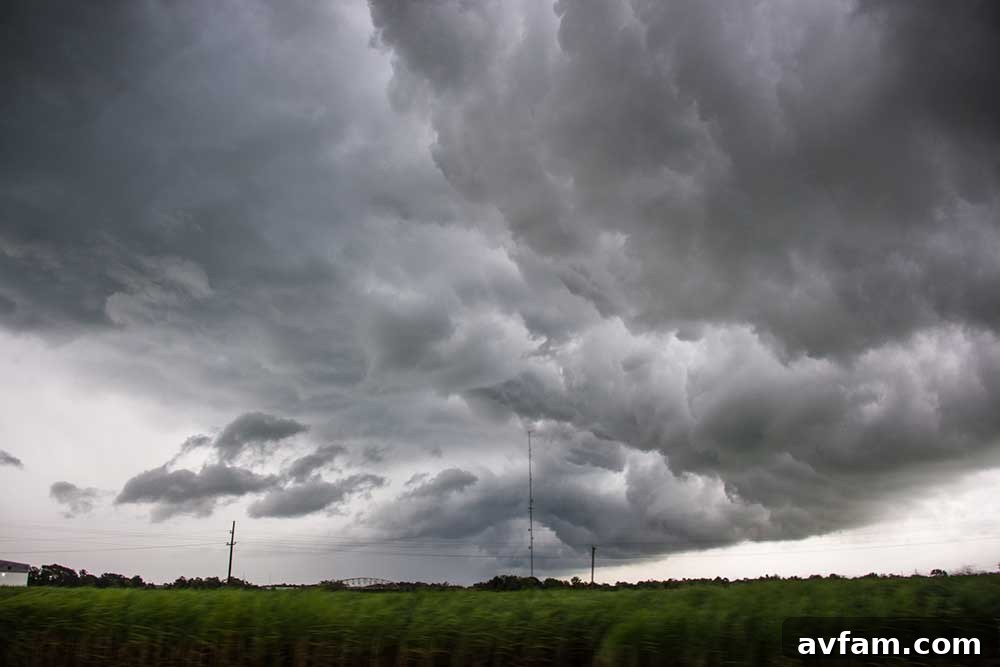
As hurricane season approaches, particularly for residents of Florida and other vulnerable regions along the Gulf Coast, the air often fills with a sense of apprehension and the urgent need for preparation. Beyond hurricanes, communities worldwide face the threat of various natural disasters, from devastating tornadoes to widespread floods. In these critical times, one of your most vital assets is often your vehicle. It’s not just a means of transport; it’s a potential lifeline, a source of temporary shelter, and a crucial component of your evacuation strategy. Ensuring your car is not just ready, but optimally prepared for the challenges of severe weather, is paramount for your safety and the safety of your loved ones.
This comprehensive guide delves into essential vehicle readiness, offering practical advice and crucial driving tips to navigate storms safely. We’ll cover everything from proactive pre-storm preparations to critical in-storm driving decisions, helping you make informed choices when minutes matter most.
Proactive Vehicle Preparation: Before the Storm Hits
The key to surviving any natural disaster lies in preparation, and your vehicle should be at the top of your checklist. Don’t wait until the warning sirens blare or evacuation orders are issued. Implement these proactive measures well in advance.
The Ultimate Pre-Storm Car Checklist
1. Fuel Up – And Keep it Topped Off: This is arguably the most critical step. Power outages during severe storms are common, rendering gas pumps inoperable. Long lines at gas stations are also inevitable once a storm threat becomes apparent. Always maintain at least a half-tank of gas, and ideally, keep it full during hurricane season. This ensures you’re ready to evacuate at a moment’s notice, without wasting precious time searching for fuel or waiting in queues.
2. Check Fluids and Tires: Your car’s fundamental health is never more important than during a storm. Ensure your oil, coolant, brake fluid, and windshield wiper fluid levels are optimal. Top them off if necessary. Equally important is your tire pressure; properly inflated tires provide better traction and handling, especially crucial on wet or debris-strewn roads. Inspect tires for any signs of wear or damage that could lead to a blowout, which would be disastrous during an evacuation.
3. Battery Health is Key: A dead battery can leave you stranded. Have your car battery tested by a mechanic to ensure it’s in good condition. If it’s old or shows signs of weakness, consider replacing it before the season ramps up. During an emergency, you’ll need your car to start reliably, possibly multiple times, and power its lights, wipers, and charging ports.
4. Assemble a Comprehensive Car Emergency Kit: While a general home disaster kit is essential, your vehicle needs its own specialized version. This kit should include:
- Basic Essentials: Flashlight with extra batteries, a first-aid kit, jumper cables, a tire repair kit or spare tire (and tools to change it), basic tools (pliers, screwdriver).
- Survival Supplies: Non-perishable food items (energy bars, dried fruit), bottled water (at least 1 gallon per person per day for 3 days), blankets or sleeping bags, ponchos.
- Communication & Navigation: A fully charged power bank or car charger for your cell phone, a battery-powered or hand-crank radio, and physical maps of your area and potential evacuation routes (GPS can fail or be unreliable without cell service).
- Important Documents: Copies of insurance policies, identification, vehicle registration, and other critical papers, all stored in a waterproof bag.
- Personal Items: Any necessary medications, toiletries, and cash (ATMs may not work).
It’s best to pack a comprehensive storm prep-kit of disaster essentials, and valuable guidance can be found from organizations like the Red Cross, as well as detailed guides such as this one.
5. Know Your Evacuation Route (and a Backup!): Don’t rely solely on GPS. Plan primary and secondary evacuation routes out of your area. Familiarize yourself with these routes and be aware of designated shelter locations. Consider potential bottlenecks and practice driving parts of your route if possible during non-emergency times. Having alternatives is crucial if roads become impassable.
6. Review Your Auto Insurance Policy: Understand your coverage. Does your policy cover flood damage, hail damage, or damage from fallen trees? Many standard policies require comprehensive coverage for such events. Clarify any questions with your insurance provider *before* a storm hits so you know what to expect if the worst happens.
Navigating the Storm: Essential Driving Tips
Once a storm is underway, driving conditions can rapidly deteriorate, becoming extremely hazardous. If you find yourself on the road during severe weather, these critical tips, often echoed by safety experts, can significantly increase your chances of staying safe.
Finding Safe Harbor: When to Seek Shelter
Hurricane-force winds are not just a nuisance; they are a serious threat. Winds reaching 75 mph or more can make vehicles incredibly difficult to control, pushing them across lanes or even flipping them over. High-profile vehicles like SUVs, vans, and trucks are particularly vulnerable. If you are driving and battling to maintain control, your immediate priority should be to find shelter.
Experts universally advise that you are generally safer in a sturdy building than in your car during hurricane-force winds. However, if a building is not an immediate option, your vehicle, with its reinforced frame, can offer a decent last-resort bunker. If possible, get off the main road and seek cover. Look for the upper levels of a parking garage, which offer protection from direct wind and debris (and are usually elevated, providing some flood protection). Under a sturdy bridge overpass can also provide temporary respite from wind, but be extremely cautious of flash flooding beneath them.
Remember, parking near large trees, power lines, or anything that could become a projectile (like billboards or light posts) is incredibly risky. Prioritize structures that are designed to withstand high winds.
The Peril of Puddled Paths: Avoiding Flooded Streets
This tip cannot be stressed enough: Do not drive through standing water. The adage “Turn Around, Don’t Drown” is a life-saving mantra for a reason. More than half of hurricane-related deaths in the last three decades have resulted from inland flooding, according to the National Hurricane Center. Tragically, a significant portion of these fatalities—one in four—involved people drowning in cars.
Here’s why driving through water is so dangerous:
- Deceptive Depth: Water often appears shallower than it is. A mere six inches of moving water can cause you to lose control of your vehicle, while twelve inches can float most cars. Two feet of rushing water can carry away SUVs and trucks. You simply cannot gauge the depth accurately.
- Hidden Hazards: Standing water can conceal washed-out roads, dangerous debris (like sharp metal, broken glass, or even downed power lines), or even missing manhole covers. Driving into such a hazard can cause severe damage or trap your vehicle instantly.
- Vehicle Damage: Water can severely damage your car’s engine, leading to “hydro-lock” if water enters the combustion chambers. It can also short-circuit critical electrical systems, disable your brakes, and ruin the vehicle’s interior, leading to expensive repairs and potential mold growth.
- Powerful Currents: Floodwaters, especially if moving, exert immense force. Even seemingly slow-moving water can have a current strong enough to sweep your vehicle away, carrying you into deeper water or dangerous obstacles.
Even on familiar streets, the landscape can change dramatically during a flood. What was once a shallow dip could now be a raging torrent. Always err on the side of caution. If you encounter standing or moving water, turn around and find an alternative route. If no alternative exists, stop and wait for the water to recede or for emergency services to clear a path.
The Silent Threat: Look Out for Wires
Hurricanes and other severe storms frequently cause widespread damage to infrastructure, including knocking down power lines. Encounters with downed or dangling power lines are extremely dangerous and potentially lethal. You should never, under any circumstances, drive over them or even near them.
Do not assume that your car, with its rubber tires, will protect you from such electrical hazards. While tires do offer some insulation, the current can travel through the ground, arc to your vehicle, or even be transmitted through wet surfaces. Contact with a live power line, even indirectly, can electrocute you or start a fire.
Beyond the immediate electrocution risk, driving over or getting entangled in downed wires can immobilize your vehicle. If your car becomes trapped by live wires, it creates a perilous situation not just for you, but also for first responders who might attempt to reach you. Rescuers cannot approach a vehicle that is in contact with a live electrical line until the power has been completely shut off by the utility company, which can take considerable time. If you find yourself in this frightening situation, the safest course of action is to stay inside your vehicle, call for emergency assistance, and wait for trained professionals to de-energize the lines and ensure your safe exit. Only if there is an immediate threat to life (e.g., fire) should you attempt to exit, and then only by shuffling away with both feet together, never breaking contact with the ground.
Post-Storm Driving and Vehicle Recovery
Even after the storm has passed, driving conditions can remain treacherous. Roads may be littered with debris, traffic lights could be out (treat these intersections as four-way stops), and some areas might still be flooded. If possible, avoid driving immediately after a major storm to allow emergency services to clear roads and attend to critical situations. When you do drive, proceed with extreme caution, assume hazards are present, and be alert for emergency vehicles.
If your car has been exposed to floodwaters, even if it wasn’t fully submerged, it’s crucial not to try and start it. Water can cause irreparable damage to the engine and electrical systems. Have it towed to a qualified mechanic for a thorough inspection. Attempting to start a water-damaged engine can exacerbate the damage, turning a potentially repairable issue into a total loss.
Conclusion
Preparing your vehicle for hurricane season and other natural disasters is an indispensable aspect of comprehensive safety planning. From ensuring your tank is full and your tires are road-ready, to understanding the profound dangers of flooded streets and downed power lines, every precaution taken enhances your ability to protect yourself and your family. By adopting these proactive strategies and adhering to critical safety guidelines while on the road, you empower yourself to navigate challenging conditions with greater confidence and significantly increase your chances of emerging safely from any storm.