
Spring Home Maintenance Checklist: Addressing Winter’s Lingering Damage
As the last vestiges of winter melt away and the refreshing breeze of spring ushers in warmer days, many homeowners breathe a sigh of relief. Yet, for countless properties across the nation, the harsh realities of a challenging winter – marked by relentless ice, heavy snow, abundant water, and biting cold – often leave behind a silent trail of damage. This period of transition is not just a time for outdoor enjoyment; it’s a critical moment for a comprehensive home assessment. Ignoring the subtle signs of winter wear and tear can lead to escalating problems and significantly higher repair costs down the line, especially as summer storms loom on the horizon. Proactive spring maintenance is your first line of defense against long-term structural issues, moisture infiltration, and the unwelcome growth of mold and mildew, all of which can severely impact your home’s integrity and your family’s health.
To help navigate this essential post-winter check-up, we’ve compiled a detailed guide on common issues and potential repair costs, drawing insights from industry experts like HomeAdvisor. This guide is designed to empower you with the knowledge needed to spot problems early, understand their implications, and plan for effective solutions. By taking the time now to identify and address these issues, you can safeguard your home’s structural integrity, enhance its curb appeal, and ensure it remains a comfortable and secure haven throughout the coming seasons. A thorough inspection, both inside and out, will empower you to prioritize repairs and make informed decisions about professional assistance, transforming potential headaches into manageable tasks.
Your Essential Spring Home Inspection: What to Look For After Winter
Before diving into specific areas of concern, begin with a holistic assessment of your property. Take a slow, deliberate walk around your home, paying close attention to every detail from the roofline down to the foundation. This initial visual sweep can reveal critical clues about potential damage that might otherwise go unnoticed. Beyond simply fixing existing problems, think strategically about preventative measures. The ultimate goal is not just repair, but also fortification, ensuring your home is resilient against the elements that summer might bring, from torrential downpours to sudden temperature fluctuations and even high winds. Overlooking moisture damage to the foundation, or allowing mold and mildew to take root on exterior-facing drywall, can lead to costly and extensive renovations later. Be vigilant for any anomalies, however small, as they often hint at deeper issues. Here are the key areas to meticulously inspect as part of your spring home maintenance routine:
1. Roofing: Guarding Your Home’s First Line of Defense
The roof of your home bears the direct brunt of winter’s fury. Heavy snow accumulation, prolonged periods of ice, and repeated freeze-thaw cycles can exert immense pressure and stress on roofing materials. This relentless assault frequently leads to the loosening or outright damage of shingles, compromising your roof’s primary function of protecting your home from water intrusion. A thorough spring inspection of your roof is paramount, as even minor damage can quickly escalate into significant problems when left unaddressed. Early detection is key to preventing costly interior water damage and structural compromises.
Key Signs of Roofing Damage to Inspect:
- Broken or Buckling Shingles: Look for shingles that appear cracked, curled, blistered, or are lifting away from the roof deck. Missing granules from asphalt shingles, often visible in gutters or on the ground around your home, are another tell-tale sign of advanced wear and tear.
- Cracked Seals Around Vent Pipes and Chimneys: The flashing around roof penetrations (like vent pipes, chimneys, skylights, and attic fans) is crucial for preventing leaks. Winter’s expansion and contraction can cause these seals to crack, detach, or corrode, creating pathways for water.
- Rusting on Flashing: Metal flashing components, typically found around valleys, eaves, and penetrations, can rust. This indicates prolonged moisture exposure and a potential failure point that needs immediate attention.
- Sagging Areas: Any visible sagging or dips on the roofline could signal structural damage from excessive snow loads or extensive water penetration into the roof deck. This is a severe issue requiring professional assessment.
- Interior Leaks or Water Stains: Water stains on ceilings or walls in your attic or upper floors are definitive proof of a compromised roof. These are often the most urgent indicators that your roof’s integrity has been breached.
Addressing these issues promptly is critical. Even a small crack or loose shingle can allow water to seep into your attic, leading to damaged insulation, compromised wooden structures (like rafters and joists), and the rapid growth of hazardous mold and mildew. According to HomeAdvisor, the average cost for minor roof repairs typically hovers around $500. This estimate usually covers fixing a handful of damaged shingles, re-sealing flashing, or repairing small, localized leaks. However, extensive damage, such as widespread shingle replacement or the need for partial re-roofing due to significant deterioration, could significantly increase this figure, potentially reaching thousands. Regular professional inspections can help identify potential weaknesses before they escalate into major problems, thereby extending the overall lifespan of your entire roofing system and protecting your investment.
2. Gutters: Ensuring Proper Water Diversion
Your home’s gutter system plays an undeniably vital role in safeguarding its foundation by efficiently diverting rainwater and melted snow away from your property. This protective function helps prevent foundation erosion, protects landscaping, and significantly reduces the risk of basement flooding. However, harsh winter conditions can be particularly unkind to gutters. The sheer weight of accumulated ice and snow can cause them to warp, bend, pull away from the fascia, or even break entirely. Furthermore, winter storms often leave behind a substantial amount of tree branches, leaves, pine needles, and other organic debris that can clog gutter channels and downspouts, rendering them ineffective.
Serious Consequences of Damaged or Clogged Gutters:
- Foundation Damage: If water spills over clogged or damaged gutters and pools directly at the base of your home, it can saturate the soil. This leads to soil erosion, hydrostatic pressure against the foundation walls, and potentially causes cracks, instability, and costly structural repairs to your home’s most critical component.
- Basement and Crawl Space Flooding: Excess water accumulating near the foundation can easily seep into basements or crawl spaces through tiny cracks or poorly sealed areas. This results in significant water damage, the growth of mold and mildew, and extensive cleanup and remediation efforts.
- Fascia and Soffit Rot: Constant exposure to overflowing water can cause the wooden fascia boards behind your gutters and the soffits underneath your eaves to rot. This compromises the aesthetic appeal of your home and provides entry points for pests.
- Dangerous Ice Formation: In fluctuating cold weather, overflowing water can refreeze on walkways, driveways, and steps, creating dangerous and slippery ice patches that pose a significant safety hazard.
- Landscaping Erosion: Uncontrolled water runoff can wash away topsoil, damage plants, and create unsightly trenches in your garden beds.
Spring is the ideal and most critical time to have your gutters thoroughly cleaned and inspected for any signs of damage. A professional gutter cleaning typically costs around $150 on average, as reported by HomeAdvisor. This service meticulously removes all accumulated debris, ensuring a free and unobstructed flow of water. If your gutters have suffered more significant damage, such as warping, sagging, detached sections, or cracks, repairs may be necessary, often costing around $250 and up depending on the extent of the damage and materials required. Investing in gutter maintenance now can save you from a much bigger, more complex, and significantly more expensive problem related to your home’s foundation or interior water damage when the heavy summer rains and storms begin.
3. Ice Dams: Preventing Destructive Water Intrusion
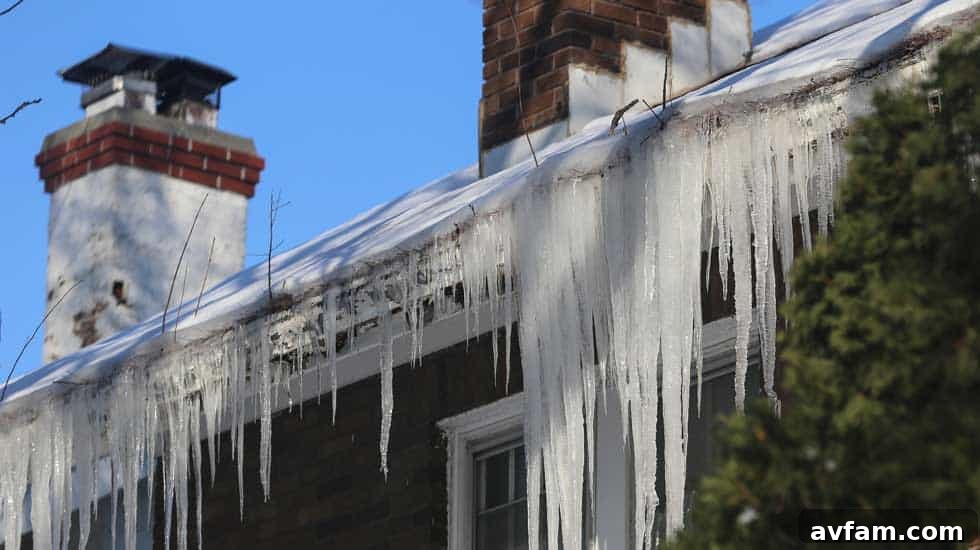
Ice dams are far more than just an aesthetic nuisance; they represent a significant and insidious threat to your home’s structure and interior. These distinctive ridges of ice that form at the eaves of a roof prevent melting snow from draining properly off the roof. Instead, the trapped water backs up under the shingles, seeps into the attic, and can cause extensive and costly damage to insulation, ceilings, interior walls, and even the exterior siding and trim. Understanding their formation is crucial for effective prevention.
Understanding Ice Dam Formation and Effective Solutions:
Ice dams typically form when heat escapes from your home’s living space, primarily into the attic, warming the roof deck. This warm roof then melts the snow sitting directly above it. This meltwater then flows down the roof surface until it reaches the colder eaves, which are typically unheated and at ambient outdoor temperatures. At this point, the meltwater refreezes, creating a barrier of ice – the ice dam. The cycle repeats, with more meltwater building up behind the dam, forming a pool of standing water that has nowhere to go but under the shingles.
- Proper Attic Sealing: The most effective long-term solution against ice dams involves addressing the root cause: heat loss from your home into the attic. Sealing air leaks in your attic floor (around light fixtures, plumbing stacks, exhaust fans, attic hatches, and other penetrations) prevents warm, moist air from rising into the attic space and heating the roof deck.
- Adequate Insulation: Ensuring your attic has sufficient and properly installed insulation (to recommended R-values for your climate zone) creates a thermal barrier. This maintains a consistent, cold temperature on the roof surface that matches the outside air, significantly reducing premature snow melt.
- Effective Ventilation: Good attic ventilation, through a balanced system of soffit and ridge vents, helps to continuously flush out any warm air that does enter the attic space. This keeps the attic temperature close to the outside air temperature, further preventing snow from melting prematurely on the roof deck.
While temporary solutions exist for carefully removing existing ice dams, investing in proper attic insulation, sealing, and ventilation provides a permanent and proactive safeguard against their recurrence. HomeAdvisor suggests that insulation fortification to prevent ice dams typically costs around $1,200. This investment not only protects your home from severe water damage but also significantly improves your home’s overall energy efficiency, leading to tangible savings on heating and cooling bills year-round. It’s a dual benefit that pays dividends for years to come, offering enhanced comfort and protection.
4. Exterior Paint: More Than Just Curb Appeal
Your home’s exterior paint or siding acts as its primary protective barrier against the relentless onslaught of the elements. After a winter of prolonged exposure to heavy snow, ice, driving winds, and extreme temperature fluctuations, it’s common to find areas where paint has begun to peel, chip, blister, or crack. While aesthetically unpleasing and detrimental to your home’s curb appeal, this damage goes far beyond surface-level imperfections. Compromised paint exposes the underlying wood or siding material to direct moisture, making it incredibly vulnerable to rot, mildew, pest infestations, and accelerated deterioration. This can quickly degrade the structural integrity of your home’s exterior envelope, leading to much more extensive and expensive repairs.
Addressing Exterior Paint Damage Effectively:
- Early Detection is Crucial: Conduct a meticulous inspection of all sides of your home. Pay close attention to areas that are particularly vulnerable, such as eaves, soffits, window and door frames, trim, and any areas that receive direct sunlight or are prone to heavy water runoff. Look for bubbling, flaking, chalking, or fading.
- Thorough Preparation is Key: For minor damage, wait until after the last frost has completely passed and the exterior surfaces are thoroughly dry. This is critical for paint adhesion. Begin by meticulously scraping away all loose and peeling paint. Then, sand the edges smooth to ensure a seamless finish. Clean the area thoroughly to remove any dirt, mildew, or chalking before applying a high-quality primer and appropriate touch-up paint.
- Considering a Full Repaint: If peeling is widespread, or if your home’s exterior generally looks tired, faded, or chalky, a complete repaint may be the best course of action. A full repaint not only provides uniform and robust protection against the elements but also significantly boosts your home’s visual appeal and market value. It’s a comprehensive refresh that offers long-term benefits.
The cost of exterior painting can vary widely based on numerous factors, including the size and architectural complexity of your home, the type of siding material, the extent of preparation required (e.g., extensive scraping, sanding, repairs), and the quality of paint used. HomeAdvisor estimates that repainting your home’s exterior may cost around $2,500 on average for a standard-sized house. While this might seem like a significant outlay, it’s a vital investment in protecting your home’s underlying structure, enhancing its overall value, and preventing far more expensive repairs that inevitably result from untreated moisture damage, wood rot, and pest infiltration. A fresh coat of paint is truly a shield for your home.
5. Driveways and Sidewalks: Repairing Winter’s Potholes and Cracks
The infamous freeze-thaw cycle, a relentless and pervasive characteristic of winter in many regions, is particularly detrimental to concrete and asphalt surfaces. This destructive cycle begins when water seeps into tiny, almost invisible cracks and pores in your driveway or sidewalks. As temperatures drop, this trapped water freezes and expands, exerting immense pressure. When temperatures rise, the ice thaws and contracts. This repeated action relentlessly widens existing cracks, creates new ones, and can lead to significant surface deterioration, making your paving look “a bit like the surface of the moon” with its pockmarks, fissures, and crumbling edges. Additionally, the widespread use of de-icing salts can accelerate the breakdown of these materials, further compromising their integrity and appearance.
Key Risks and Effective Solutions for Pavement Damage:
- Safety Hazards: Cracks, potholes, and uneven surfaces are not just unsightly; they create significant tripping hazards for pedestrians, children, and pets. They can also cause considerable damage to vehicles, including tires and suspension systems.
- Water Penetration and Structural Damage: Untreated cracks allow water to penetrate deeper into the sub-base beneath your driveway or sidewalk. This can erode the supporting soil, leading to more extensive and costly structural damage, sub-surface voids, and even complete pavement failure over time.
- Reduced Lifespan: Ignoring minor pavement damage will inevitably shorten the overall lifespan of your driveway or sidewalks, necessitating premature and expensive complete replacement much sooner than would otherwise be necessary.
- Diminished Curb Appeal: A damaged driveway or sidewalk significantly detracts from your home’s overall curb appeal and can negatively impact its market value.
Spring is the ideal and most opportune time to address these concrete and asphalt woes. Professional sealing and repair can significantly extend the life of your paved surfaces and restore their aesthetic appeal. Sealing a driveway helps prevent future water penetration, protects against damaging UV radiation, and provides a barrier against further salt erosion. Repairs can range from simple crack filling and patching for minor damage to more extensive resurfacing or even partial replacement for severely damaged areas. According to HomeAdvisor’s Cost Guide, having your driveway sealed and/or repaired by a professional will run you about $1,200 on average. This investment not only dramatically improves the safety and appearance of your property but also prevents the need for a complete replacement, which can be considerably more expensive and disruptive, often costing several thousand dollars.
Why Professional Help is Essential for Winter Damage Repairs
While some minor tasks on your spring home maintenance checklist can certainly be handled by an experienced DIY enthusiast, many of the issues caused by harsh winter weather—especially those related to roofing, structural integrity, complex attic insulation systems, and foundation work—are best left to qualified and experienced professionals. Engaging certified contractors offers several distinct advantages that can save you time, money, and ensure the job is done correctly and safely:
- Expertise and Experience: Professionals possess specialized knowledge, extensive training, and practical experience to accurately diagnose the full extent of damage, identify hidden issues, and implement the most effective, long-lasting solutions. They are well-versed in local building codes and safety regulations.
- Safety First: Working on roofs, high ladders, or with certain power tools and hazardous materials can be extremely dangerous. Professionals are equipped with the right safety gear, specialized tools, and extensive training to perform these tasks safely and efficiently, minimizing risks to themselves and your property.
- Proper Tools and Materials: Contractors have access to industrial-grade tools, specialized equipment, and high-quality, durable materials that ensure long-lasting repairs and are often not readily available to the average consumer.
- Warranties and Guarantees: Reputable professionals typically offer warranties on their workmanship and the materials they use, providing you with invaluable peace of mind and protection against future issues.
- Time and Efficiency: They can complete the work efficiently, effectively, and correctly the first time, saving you valuable time, effort, and preventing the need for costly re-do’s or prolonged disruptions to your daily life.
- Preventing Further Damage: A professional’s ability to identify underlying issues and interconnected problems can prevent minor concerns from escalating into major, expensive catastrophes, thereby protecting your home’s value.
Your Proactive Step Towards a Resilient Home
The arrival of spring is indeed a welcome relief, bringing with it renewed energy and warmer weather. However, it also serves as a crucial reminder to take diligent stock of your home’s condition after enduring the often-brutal winter months. By proactively inspecting and swiftly addressing the damages left behind by ice, snow, and bitter cold, you are not just making repairs; you are making a vital investment in the long-term health, safety, and enduring value of your most significant asset – your property. A meticulous spring home maintenance routine ensures that your home is not only aesthetically pleasing and inviting but also structurally sound, energy-efficient, and fully prepared to withstand whatever the upcoming seasons, from summer storms to next winter’s chill, may bring.
Don’t let minor winter damage turn into major, costly summer headaches. Whether it’s a few loose shingles on the roof, critically clogged gutters, tell-tale signs of destructive ice dams, unsightly peeling paint on your exterior, or potentially hazardous cracks in your driveway, timely intervention is absolutely key. For these essential projects and any other home improvement or repair needs, finding a reputable, skilled, and trustworthy professional is the essential next step in securing your home’s future. Visit HomeAdvisor.com today to effortlessly connect with qualified contractors in your area, obtain competitive quotes, and secure your home’s resilience for years to come.