

Undertaking home improvements can often come with a hefty price tag, and a siding replacement project is certainly no exception. It’s crucial to approach this significant investment with a well-researched and realistic budget to avoid unexpected financial strain. The last thing any homeowner wants is to be surprised by the final cost of their new vinyl siding installation, especially if they’ve only budgeted for a specific amount without setting aside extra funds for potential overages or unforeseen complications. A comprehensive understanding of all potential expenses is key to a smooth and stress-free renovation.
The cost of vinyl siding installation can fluctuate dramatically, influenced by a multitude of variables. These factors range from your specific geographical location and the particular style or quality of siding you choose, to essential preliminary work or repairs that might be necessary before installation can even begin. To ensure you’re not caught off guard by the actual expense, it’s imperative to consider all these potential costs when planning your siding replacement project. Being proactive in your budgeting will help you accurately gauge the financial commitment required for the work.
Comprehensive Guide to Overlooked Expenses in Vinyl Siding Installation
While many homeowners diligently budget for the primary materials and labor associated with new siding, several critical elements often slip through the cracks, leading to budget overruns. Understanding these commonly forgotten costs is paramount for a truly accurate financial plan for your vinyl siding project.
1. Overages for Material Waste and Contingencies
Even the most experienced professionals encounter situations where extra materials are needed during a siding installation. This isn’t a sign of inefficiency but a common reality of construction projects. Mistakes in cutting, panels damaged during handling or installation, or the need for specific custom cuts around architectural features can all lead to material waste. Reputable siding companies typically account for this in their initial bids, but it’s wise for homeowners to understand this buffer. A good rule of thumb is to budget for 10-15% more material than the exact square footage required to cover your home. This overage acts as a vital safety net, ensuring that minor setbacks don’t halt your project or force you to scramble for additional funds. Neglecting this contingency can cause delays and unexpected costs, especially if specific siding styles or colors need to be re-ordered, potentially impacting the project timeline significantly.
2. Old Siding Removal and Responsible Disposal
A frequent oversight in siding budgets is the cost associated with the removal and disposal of existing siding materials. Homeowners often focus solely on the allure of new siding without considering the significant labor involved in tearing down the old material and the fees for hauling it away. This process is far from trivial; it can be quite time-intensive, requiring specialized tools and a skilled crew to safely detach and remove the old panels. Furthermore, disposal fees, which can include landfill charges or recycling costs, vary by region and the type of material being disposed of (e.g., asbestos siding requires special handling). When obtaining quotes from siding companies, always inquire about an itemized breakdown for removal and disposal. Not every contractor charges the same for this phase of the work, making it a potential area where you can compare bids and strategically save money, provided you clarify what’s included in each quote.

3. Essential Accessories, Trim, and Finishing Touches
Vinyl siding is more than just panels; it’s a complete system that relies on a variety of accessories and trim pieces for both functionality and aesthetic appeal. Items such as J-channels, corner posts, starter strips, window and door trim, soffits, fascia boards, utility trim, and even sealants and fasteners are all integral components of a professional siding installation. These elements provide structural integrity, protect vulnerable areas from moisture infiltration, and give your home a polished, finished look. While individually these items might seem minor, their collective cost can add a substantial amount to the overall project budget. It’s imperative to request that these accessories be specifically itemized in any bids you receive. Having this detailed information on hand allows for a clearer comparison of quotes and ensures you’re accounting for every necessary piece. Much like the material overage, these accessories are unavoidable costs that must be factored into your financial analysis, as their absence would compromise the entire siding system.
4. Crucial Underlayment and Substrate Preparation
Before new vinyl siding can be installed, the underlying structure of your home often requires significant preparation and, in some cases, repair. This critical stage is frequently overlooked but is vital for the longevity and performance of your new siding. Issues such as dry rot, moisture damage, or deterioration in the plywood sheathing or OSB panels of your home’s exterior must be addressed. Neglecting these problems can lead to structural weaknesses and compromise the new siding’s ability to protect your home. Additionally, a crucial layer of house wrap or a weather-resistant barrier is typically applied under the new siding. This wrap provides an essential defense against water intrusion, improves energy efficiency, and helps prevent mold and mildew growth. If the existing house wrap is damaged, outdated, or nonexistent, your siding company will likely recommend its replacement. This preparatory work, including minor repairs to the substrate and the installation of a proper weather barrier, is an investment in your home’s structural integrity and can prevent costly failures down the line.
5. Required Permitting and Post-Installation Inspections
Major home alterations, such as replacing your entire home’s siding, almost invariably necessitate obtaining permits from your local municipality. These permits are not merely bureaucratic hurdles; they ensure that the work complies with local building codes, safety standards, and zoning regulations. The process typically involves an application, review, and associated fees. Furthermore, once the new siding has been installed, your property may require an inspection by a municipal official to verify that the work meets all stipulated codes. The costs for these permits and inspections can add a noticeable chunk to your overall project bid. Always confirm that these items are explicitly included and detailed in the documentation provided by prospective contractors. Being aware of these administrative costs upfront will prevent any last-minute surprises and ensure your project adheres to all legal requirements, protecting you from potential fines or future complications.
6. Challenges Posed by Complex Architectural Designs
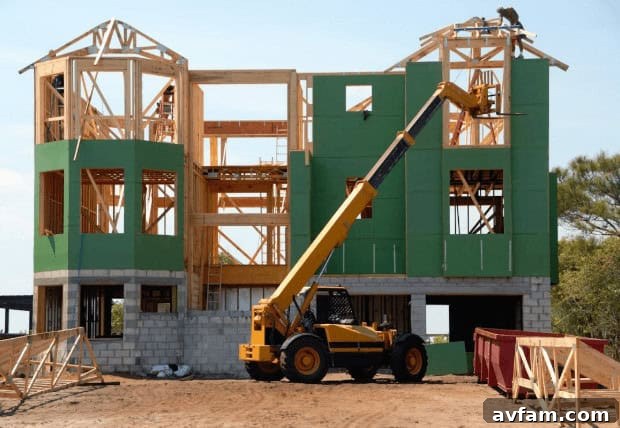
The architectural complexity of your home can significantly influence the labor costs associated with siding installation. Homes featuring multiple gables, intricate dormers, numerous corners, unusual angles, or steep roof pitches demand more time-intensive cutting and application techniques. These design elements require meticulous measurement, custom fabrication of panels, and specialized tools, all of which increase the labor hours and the skill level required from the installation crew. For instance, working on multi-level homes or properties with high peaks often necessitates extensive scaffolding, which also adds to the project’s expense. You might be surprised at how much these specialized aspects can inflate the overall cost. When comparing quotes, ensure that each company provides a clear breakdown of how they account for your home’s unique architectural features, allowing you to accurately compare their approach and pricing for such detailed work.
7. Unforeseen Shipping and Delivery Expenses
Depending on your geographical location and the specific vinyl siding materials you select, shipping and delivery costs can become a significant, yet often overlooked, expense. If you’ve chosen a specialized color, a unique profile, or a high-end brand that isn’t readily available through local distributors, the materials might need to be shipped from a distant supplier. Factors such as the distance, the total weight and volume of the siding, current fuel costs, and whether expedited delivery is required can all impact these charges. While some regions have convenient access to a wide array of building materials, others may face limited local options, making shipping an unavoidable necessity. It is crucial to confirm with any prospective contractor that all shipping and delivery fees are clearly itemized within their bid. These costs can be substantial for bulky items like siding, and understanding their impact on your overall budget is essential for accurate financial planning for your siding replacement job.
Investing in New Siding: A Valuable Upgrade for Your Home
There are countless compelling reasons why you might consider or need to replace your home’s siding, ranging from aesthetic improvements to essential protection. By gaining a realistic and comprehensive understanding of all potential costs associated with such a project, you can confidently navigate the process without succumbing to “sticker shock.” A well-planned budget ensures that you’re prepared for every expense, allowing you to focus on the positive outcomes. Replacing your siding is an ideal way to not only significantly enhance your home’s curb appeal and market value but also to bolster its defense against critical issues like water infiltration, pest infestations, and structural damage.
Your home’s siding plays a pivotal role in its overall well-being and longevity, acting as its primary protective shield. Whether your goal is to revitalize your home’s exterior with a fresh, modern look, or simply to replace existing vinyl siding that has become damaged, faded, or aged beyond repair, having an accurate and detailed budget in place will make all the difference. It provides peace of mind, ensures a smoother project execution, and ultimately leads to a satisfying and long-lasting improvement that protects your most valuable asset.