
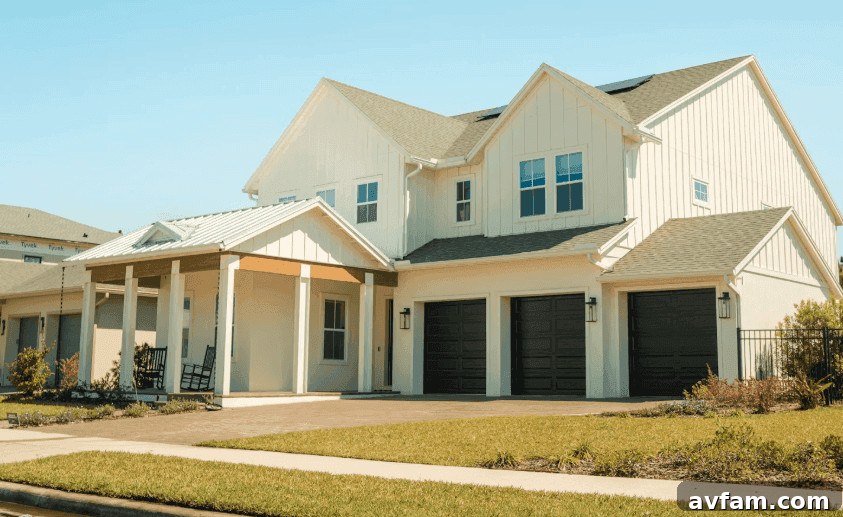
Improving the exterior of your home can be exciting, but costs can rise quickly when choices are driven by appearance alone instead of long-term value. When comparing contractors, repair priorities, and design ideas, consult reputable resources that explain exterior renovation services so you understand which upgrades protect your property first and which cosmetic changes can wait.
The smartest approach is to treat exterior improvements as a series of investments, beginning with elements that preserve structural integrity, improve safety, and reduce future maintenance costs. Planning with that priority order keeps your home protected and maximizes the return on each dollar spent.
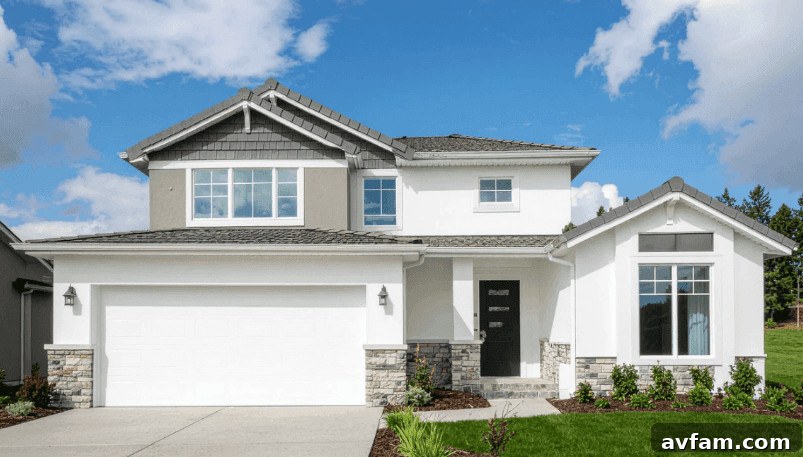
Start With Repairs That Protect the Structure
The most important exterior improvements are those that prevent water intrusion, structural damage, and accelerated wear. Roof problems, damaged siding, cracked masonry, failing gutters, and poor drainage should take precedence over decorative upgrades because these issues can quietly damage insulation, framing, and interior finishes if left unresolved. A house that looks polished from the street but has moisture behind the walls is not a wise investment.
Walk the property and look for signs of deterioration affecting the building envelope. Peeling paint, loose boards, sagging gutters, standing water near the foundation, and cracked caulking around windows are warning signs that should move to the top of your list. Addressing these problems early is often far less expensive than paying for interior repairs, mold remediation, or structural restoration after damage spreads.
Focus on Improvements That Reduce Ongoing Maintenance
After critical repairs are completed, prioritize upgrades that lower the amount of maintenance the home will require over the next several years. Replacing failing wood trim with durable materials, improving drainage systems, sealing exposed surfaces, and selecting weather-resistant finishes reduce future repair costs and seasonal upkeep needs. These changes may not produce dramatic immediate results, but they often provide the best long-term value.
Evaluate projects by lifecycle cost rather than initial expense alone. A cheaper repair that needs redoing in two years may cost more over time than a slightly larger investment that endures for a decade or longer. Effective exterior improvements protect the home and reduce recurring maintenance costs, so weigh longevity and performance when choosing materials and methods.
Separate Curb Appeal From Core Performance
Curb appeal matters for both enjoyment and resale value, but it should not take precedence over essential performance upgrades. New lighting, decorative landscaping, updated house numbers, and a fresh front door can transform a home’s look, but these enhancements should come after the exterior is weather-tight and functionally sound. Appearance has value, but it should build on a solid foundation rather than mask unresolved problems.
To manage spending, divide planned projects into two categories: performance improvements and visual improvements. Performance improvements include repairs or upgrades that protect the structure, improve drainage, increase energy efficiency, or extend material lifespans. Visual improvements are projects that refresh aesthetics without addressing urgent issues and should be scheduled once the essentials are complete.
Consider Energy Efficiency and Comfort
Exterior upgrades can do more than improve looks; they can reduce energy waste and increase comfort year-round. Sealing gaps around doors and windows, replacing damaged weather barriers, adding insulation when siding is replaced, and improving shading for exposed areas all contribute to lower utility bills and a more stable indoor environment. These benefits may not be visible from the street, but they add measurable value over time.
When budgets are limited, combine energy-focused work with necessary repairs for efficiency. For example, replacing siding provides an opportunity to inspect and upgrade moisture barriers and insulation behind the walls. Bundling related tasks reduces duplicated labor, minimizes disruption, and helps ensure one project does not need to be undone later to complete another.
Use a Phased Plan Instead of Doing Everything at Once
Creating a phased plan is one of the most cost-effective ways to handle exterior home improvements. Phasing work by urgency, budget, and seasonal timing gives you the flexibility to adjust as new priorities arise. It also makes it easier to collect quotes, compare materials, and make thoughtful choices instead of rushed decisions.
Begin by creating three categories: immediate needs, near-term improvements, and optional upgrades. Immediate needs include leaks, drainage problems, structural wear, or safety concerns. Near-term improvements improve durability or efficiency, while optional upgrades focus on cosmetic enhancements that can wait until the home is fully protected and the budget allows.
Work With Professionals Who Can Identify Hidden Costs
Even well-planned exterior upgrades can become expensive if hidden issues are missed during planning. Work with contractors or specialists who evaluate the full condition of the exterior rather than simply quoting the visible problem. A comprehensive inspection can reveal moisture damage, ventilation issues, or installation defects that affect the order of work and the project’s true cost.
Professional guidance helps you avoid overspending on the wrong materials or duplicating labor across multiple jobs. For example, repainting damaged trim before resolving drainage problems or replacing landscaping prior to grading corrections can lead to wasted money and repeat work. A clear scope, realistic budget, and logical sequence of improvements will deliver better results than chasing quick visual changes without a long-term plan.