
Are Expensive Power Tools Worth It? A Comprehensive Guide to Smart Tool Investment
The timeless question, “Are expensive tools truly worth the investment?” is a topic that resonates with every homeowner, DIY enthusiast, and seasoned professional alike. It’s a fundamental query we recently explored on the Tool Crave podcast, delving into the nuances of tool value. The simple answer, as often is the case, isn’t a straightforward yes or no. Instead, it immediately leads to another critical question: “What are your specific needs and expectations?”
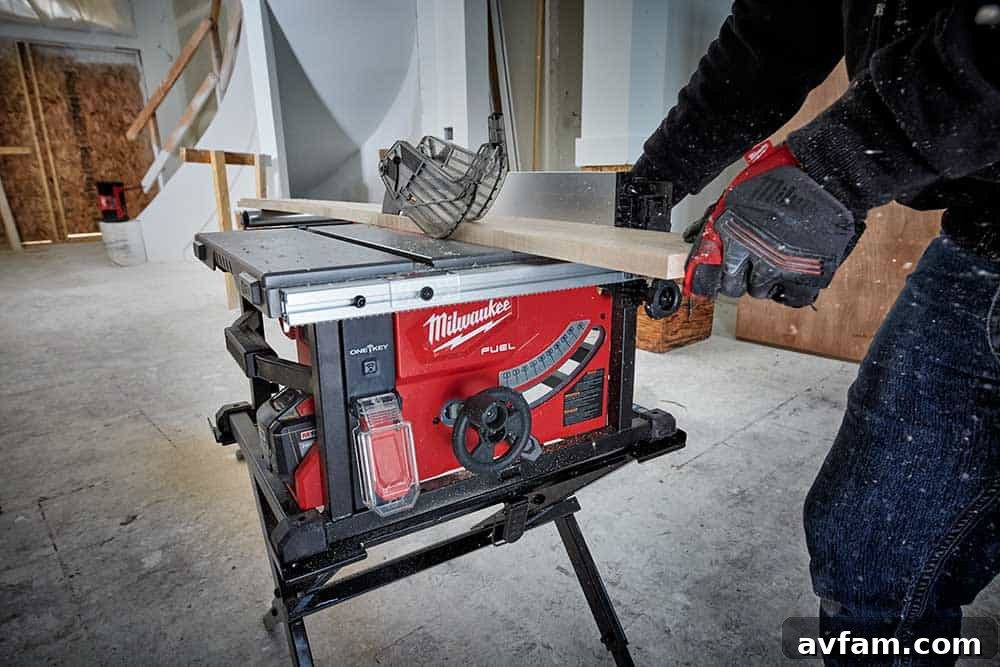
Prioritizing your genuine tool requirements above a rigid budget is crucial. For individuals who depend on their tools to earn a living, the initial expenditure on professional-grade equipment is not merely a cost but a vital business investment. Expanding your budget to acquire reliable, high-performance tools becomes a necessity when your livelihood is on the line. Conversely, a homeowner tackling occasional repairs might find a less expensive option perfectly adequate.
Understanding the varied demands of different users is the first step in determining the true worth of a tool, regardless of its price tag. The decision to invest in a premium tool should always be aligned with the frequency of use, the complexity of tasks, and the expected durability required for your specific projects. Let’s break down the distinct categories of tool users to better inform your purchasing decisions.
Understanding Different Types of Tool Users and Their Needs
Tool users can generally be categorized into three distinct groups: Homeowners, DIYers, and Professionals. Each category has unique requirements, budgets, and expectations when it comes to tool performance and durability.
Homeowners: The Essential Toolkit for Basic Maintenance
Every homeowner benefits from possessing a basic set of tools. These essential implements are invaluable for handling routine household tasks, such as replacing a light fixture, tightening a loose cabinet hinge, or accurately hanging a picture frame. These are often small, quick jobs that a busy contractor might deem too minor for their schedule, and even a handyman might pass on due to the minimal scope.
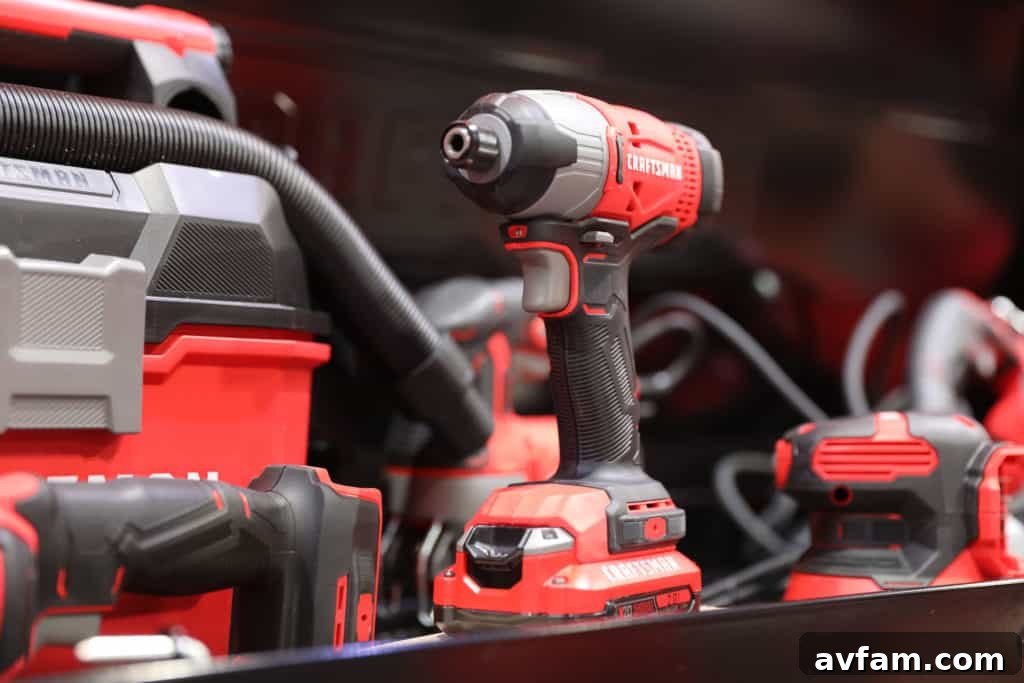
For many homeowners, tools are a means to an end – a necessity for maintaining their property, not a hobby. While they recognize the importance of having tools readily available, they don’t always derive pleasure from using them or possess extensive knowledge of how to operate them beyond the most rudimentary functions. Their ideal tools are typically user-friendly, reliable for infrequent use, and affordable, focusing on practicality over advanced features or extreme durability. They need tools that work when called upon, even if it’s only once every few months.
DIYers: The Enthusiastic and Capable Do-It-Yourselfers
DIYers, encompassing both homeowners and renters, are individuals who prefer to tackle fix-it jobs and home improvement projects themselves rather than hiring outside help. They often possess a foundational set of skills and genuinely enjoy the process of using tools to accomplish tasks, deriving significant satisfaction from completing projects on their own and ticking items off their to-do lists.
This category can range from casual weekend warriors completing minor renovations to dedicated enthusiasts immersed in woodworking, automotive repair, or other craft-based hobbies. While they might not be compensated financially for their efforts, DIYers find immense personal reward in self-sufficiency and the cost savings achieved by avoiding professional fees. Their tool requirements often fall between the basic needs of a homeowner and the rigorous demands of a professional. They seek tools that offer a good balance of performance, features, durability, and value, often expanding their collections as their skills and ambitions grow.
Professionals: Tools as Essential Business Assets
The professional category includes contractors, skilled tradespeople, and anyone whose livelihood is directly tied to the consistent and reliable performance of their tools. For these individuals, tools are not just instruments; they are critical business assets. Professionals operate their tools daily, often for extended periods, and cannot afford unexpected breakdowns or premature wear and tear on a job site.
Their work environments are frequently harsh, involving dusty conditions, moisture, extreme temperatures, and heavy use. Consequently, their tools must be engineered to withstand rigorous daily abuse and maintain peak performance for the duration of a project, no matter how long or demanding. Beyond sheer robustness, professionals also demand tools that offer superior power, advanced features for precision and efficiency, and exceptionally long runtime to minimize interruptions. They need confidence that their tools will perform flawlessly, allowing them to complete jobs on schedule and to the highest standards, directly impacting their reputation and profitability.
Choosing Your Power Source: 12-Volt vs. 18/20-Volt Battery Platforms
Beyond determining how frequently you’ll use a tool and for which specific tasks, a crucial consideration for any cordless power tool buyer is the battery platform. The choice between 12-volt and 18/20-volt systems significantly impacts a tool’s power, runtime, weight, and overall suitability for different applications.
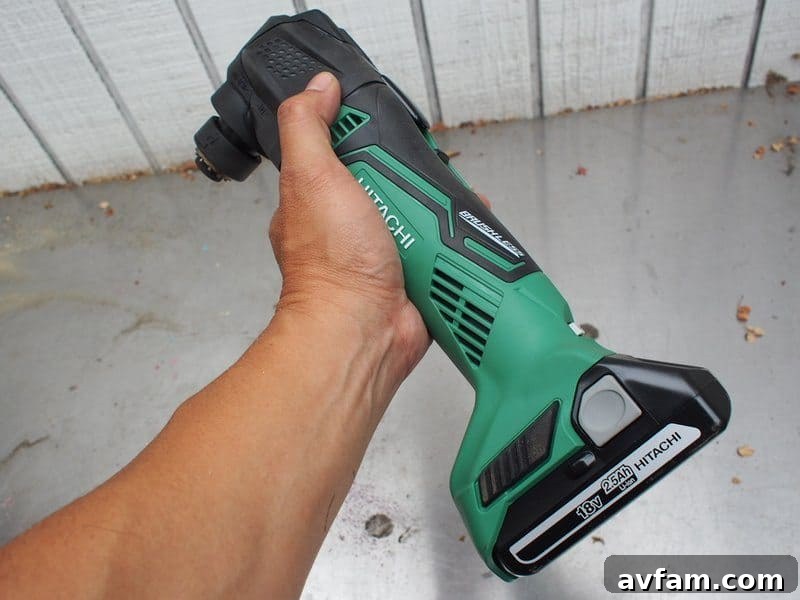
It’s important to think about your current and future needs. Investing in a robust battery platform means you can often share batteries across a wide range of tools from the same manufacturer, providing convenience and cost savings in the long run. Many brands offer extensive ecosystems, allowing you to build out your toolkit as your needs evolve.
18V-24V Battery Platform: Power and Endurance for Demanding Tasks
The larger 18-volt to 24-volt battery platforms are typically the go-to choice for power users, including professionals and serious DIYers tackling larger, more demanding projects. These higher-voltage systems deliver significantly more torque, speed, and sustained power, making them ideal for heavy-duty applications such as drilling large holes, driving long screws, cutting dense materials, and operating tools like circular saws, reciprocating saws, and angle grinders.
Tools on this platform also generally offer longer runtimes per charge, which is critical for extended work sessions or when working away from a power source. While 18V/20V tools tend to be heavier and more expensive than their 12V counterparts, their superior performance and durability make them indispensable for those who require maximum capability and efficiency on the job or for ambitious home improvement projects. Leading brands like Milwaukee (M18), DeWalt (20V MAX/FLEXVOLT), and Makita (18V LXT) offer extensive and highly regarded 18V ecosystems.
12V Battery Platform: Compact Power for Precision and Convenience
The 12-volt battery platform excels in providing a lighter, more compact, and often more ergonomic solution, making it ideal for DIYers and homeowners who primarily handle smaller, more delicate tasks around the house. These tools are perfect for assembling furniture, installing light fixtures, working in tight spaces, or performing automotive repairs where maneuverability is key. They offer sufficient power for most household drilling, driving, and cutting tasks without the bulk and weight of 18V tools.
For many, investing in a good quality 12V tool from a reputable brand makes excellent sense. For instance, the M12 line from Milwaukee, while not the cheapest option in the 12V category, offers professional-grade quality, impressive performance for its size, and a wide array of specialized tools. If your primary need is for compact, reliable tools that you plan to keep for a long time and use for smaller, everyday jobs, a high-quality 12V platform can be an ideal and cost-effective investment that provides excellent value over its lifespan.
Which Tool Brands Offer the Best Value for Homeowners and DIYers?
As previously established, homeowners typically have minimal demands from their tools. They might pull out a drill or driver once every few months for a task that takes mere minutes. For such infrequent and light-duty use, investing in an expensive, professional-grade set of tools, like a DeWalt Flexvolt system, just to drill a single pilot hole for hanging a mirror, would be excessive and inefficient use of funds.
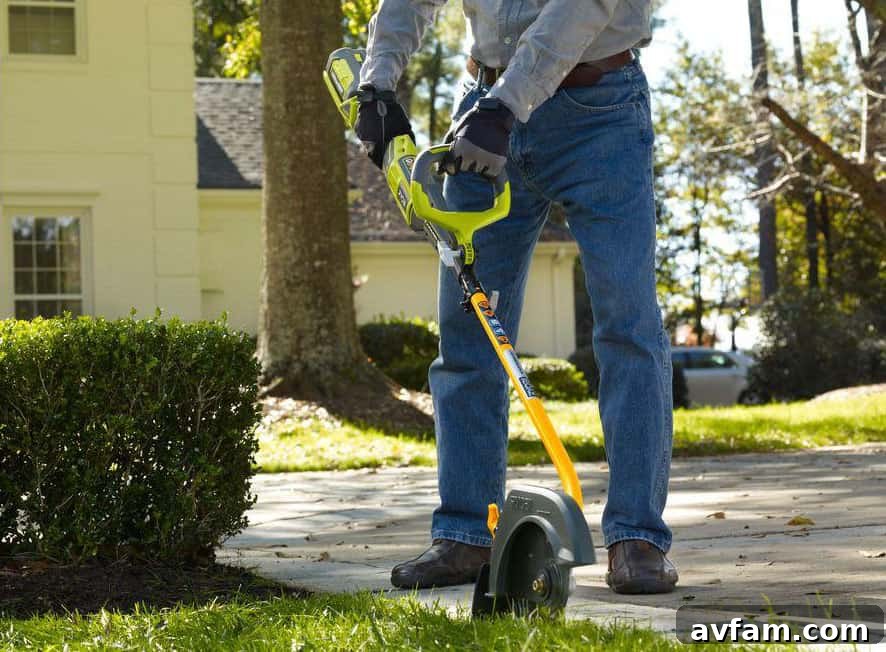
The needs of a homeowner or casual DIYer diverge significantly from those of a professional. Consequently, the build quality and specifications required for their tools do not need to match the rigorous standards expected of contractor-grade equipment. Instead, value is often found in reliability for occasional use, ease of operation, and an accessible price point.
If you identify as a homeowner or a DIYer who doesn’t require the extreme durability, constant power, or advanced features of a professional power tool, then several reputable brands offer excellent options that provide a great balance of performance, affordability, and reliability for typical household and hobbyist projects. These brands are designed to meet the needs of the everyday user without overshooting the budget or providing unnecessary industrial-strength capabilities.
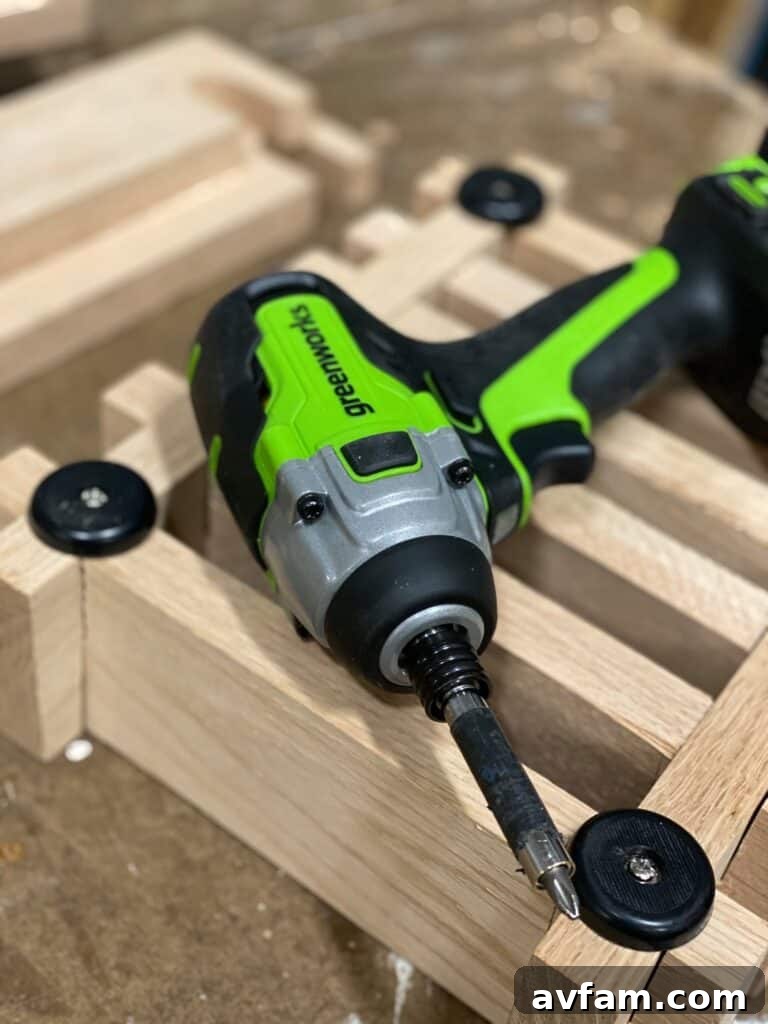
Here are some of the top tool brands that consistently deliver solid performance and value for homeowners and DIY enthusiasts:
- Greenworks: Known for their cordless outdoor power equipment, Greenworks offers a robust range of battery-powered tools that are perfect for yard work and general home maintenance, often at competitive prices.
- RYOBI: A favorite among DIYers, RYOBI boasts an incredibly extensive 18V ONE+ battery ecosystem, offering a tool for nearly every task imaginable. They provide a fantastic blend of functionality, innovation, and affordability.
- Craftsman: A long-standing name in American tool manufacturing, Craftsman offers reliable tools with a strong heritage of quality, now widely available and catering to both homeowners and DIYers with their V20 cordless platform.
- Black & Decker: Often considered an entry-level brand, Black & Decker provides straightforward, easy-to-use tools perfect for basic household tasks and beginner DIY projects, known for their accessibility and affordability.
- Porter Cable: Offering a good balance between homeowner and professional-grade tools, Porter Cable provides durable and capable options, particularly in their 20V MAX system, suitable for more ambitious DIYers.
- Hart: Exclusive to Walmart, Hart has quickly gained popularity among DIYers for its expansive 20V battery platform, offering a wide array of tools at very accessible price points, making it easy to build a comprehensive tool collection.
- Skil: With a rich history, Skil offers dependable power tools, especially known for their circular saws. Their modern cordless lines provide solid performance and features suitable for many DIY and home improvement tasks.
- Kobalt: The in-house brand for Lowe’s, Kobalt delivers a strong lineup of hand tools and cordless power tools, often providing good power and features that appeal to serious DIYers looking for a step up from entry-level brands.
- Hercules: Another Harbor Freight brand, Hercules is positioned to compete with more professional-grade tools while maintaining a more attractive price point. It’s often chosen by advanced DIYers and budget-conscious professionals for its robust performance.
Making the Smart Tool Investment Decision
Ultimately, the decision of whether expensive tools are “worth it” boils down to a personal assessment of your individual needs, your usage frequency, and your long-term goals. For professionals, expensive tools are an investment in their livelihood, directly impacting their efficiency, quality of work, and ability to meet project deadlines. The cost of downtime from a broken cheap tool far outweighs the initial higher cost of a reliable, professional-grade alternative.
For the dedicated DIYer, a mid-range investment in quality tools from reputable brands can enhance project enjoyment, improve results, and offer better longevity than the cheapest options. You’ll likely grow into your tools as your skills improve and your projects become more complex. For the casual homeowner, the focus should remain on affordability, ease of use, and reliability for occasional light tasks. Overspending on features and power you’ll never use makes little financial sense.
Consider the total cost of ownership, including initial purchase price, battery systems, and potential maintenance. Sometimes, buying a slightly more expensive but higher-quality tool means it will last much longer, saving you money in replacements over time. Conversely, renting specialized tools for a one-off project can be more economical than buying an expensive tool you’ll rarely use.
What is your favorite power tool brand, and why? Do you agree that expensive power tools are worth it, or do you find more value in budget-friendly options? Share your experiences and insights in the comments below!