
Maximize Your Fireplace’s Heat: Essential Upgrades for a Cozier Home
There’s an undeniable charm that a crackling fireplace brings to a home, especially during the colder months. Even in warmer climates like Los Angeles, the appeal of a flickering flame transforms any living space into a sanctuary of warmth and coziness. While the aesthetic and ambiance are often the primary draw, many homeowners find their traditional fireplaces don’t contribute as much to the room’s temperature as they’d hope. The good news is that with a few strategic upgrades, you can significantly enhance your fireplace’s heat output and overall efficiency, turning it from a mere decorative element into a powerful supplemental heat source.
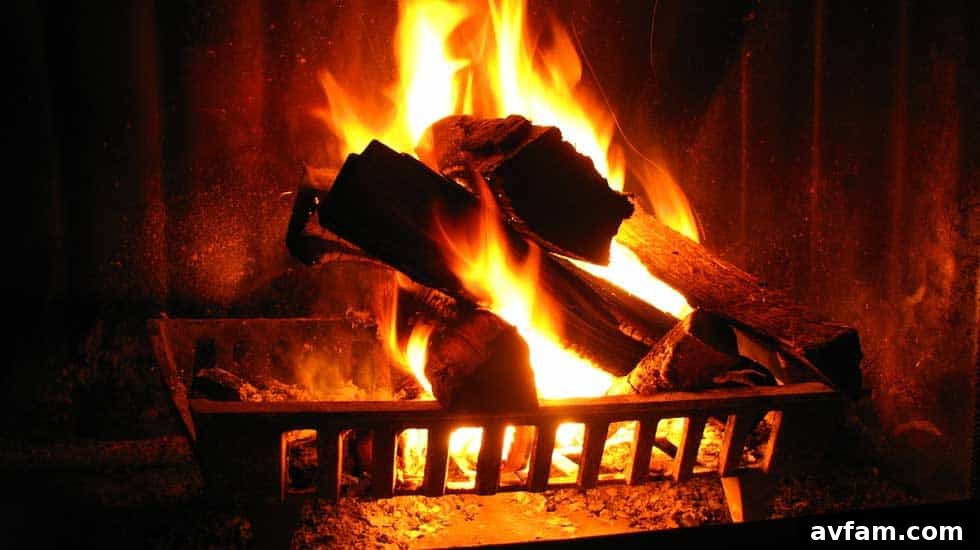
Our own fireplace, currently equipped with a gas burning element nestled beneath faux tinder and logs (a clever find from Craigslist), provides a pleasant glow. However, like many traditional units, its heat contribution is minimal. This article will delve into practical, effective steps you can take to make your fireplace not just a focal point, but a true source of warmth, ensuring every ember contributes to a more comfortable and energy-efficient home.
Understanding Fireplace Efficiency: Why Traditional Units Fall Short
Before we dive into solutions, it’s helpful to understand why many traditional fireplaces are inherently inefficient. Designed primarily for venting smoke rather than heating a room, conventional open fireplaces can actually draw more heated air out of your home than they contribute. This phenomenon, known as the “chimney effect,” occurs because the warm air produced by the fire, along with a significant amount of your home’s conditioned air, escapes up the chimney, creating a negative pressure that pulls cold air in from other parts of the house.
Beyond this draftiness, other factors like poor sealing, uninsulated masonry, and incomplete combustion contribute to heat loss. The result is often a beautiful fire that requires constant feeding yet leaves the surrounding areas feeling chilly. By addressing these inefficiencies, you can not only enjoy a warmer home but also potentially reduce your overall heating costs and lessen your environmental footprint by burning less fuel for more effective heat.
Key Strategies for Enhancing Your Fireplace’s Heat and Efficiency
Transforming your fireplace into an efficient heating appliance involves a combination of smart upgrades and proper maintenance. Here are the top methods to make your fireplace radiate more heat into your living space:
1. Install Fireplace Doors: Seal in the Warmth, Radiate the Heat
One of the most impactful upgrades you can make to an open fireplace is the addition of well-fitted doors. While an open hearth offers an unobstructed view of the flames, it also acts as a gaping hole through which a substantial amount of warm air is siphoned up the chimney. A simple mesh screen, while protecting against sparks, does little to prevent this significant heat loss.
The Mechanism of Improvement: Fireplace doors, typically made of glass or metal, create a physical barrier between the firebox and your room. When closed, they drastically reduce the amount of room air that gets pulled into the chimney draft. This means less of your home’s expensively heated air escapes. Furthermore, depending on the type of glass used, these doors can become a radiant heat source themselves. Tempered glass, common in most fireplace doors, absorbs heat from the fire and then radiates it into the room, even after the flames have died down to embers. Ceramic glass, a more premium option, offers even higher heat resistance and superior radiant properties.
Beyond Efficiency: The benefits extend beyond just heat retention. Fireplace doors also enhance safety by preventing sparks and embers from jumping out onto carpets or furniture, making them essential for homes with children or pets. They also provide an aesthetic upgrade, offering a cleaner, more finished look to your fireplace opening. When selecting doors, consider factors like the style (bi-fold, cabinet, single panel), material finishes, and ensuring a snug fit for optimal performance. Proper measurement is crucial for effective sealing and a professional installation can guarantee the best results.
2. Upgrade Your Damper System: Preventing Heat Escape
The damper is a critical, yet often overlooked, component of your fireplace’s efficiency. Located just above the firebox in the chimney throat, this metal plate’s primary function is to regulate airflow when the fireplace is in use and to seal off the chimney when it’s not. An improperly functioning or poorly sealing damper is one of the leading causes of heat loss in homes with fireplaces.
The Problem with Traditional Throat Dampers: Many older fireplaces come equipped with cast-iron or steel throat dampers. While they fit snugly when new, these dampers are prone to warping, rusting, or developing gaps over time due to repeated exposure to extreme heat and corrosive byproducts of combustion. A warped damper creates a loose fit, allowing a constant stream of conditioned air to leak up the chimney even when closed. This not only wastes energy but can also introduce cold drafts and outdoor odors into your home.
The Superior Solution: Top-Sealing Dampers: For maximum efficiency, consider replacing a faulty throat damper with a top-sealing damper, also known as a chimney cap damper. These innovative devices are installed at the very top of your chimney flue. When closed, a silicone rubber gasket creates an airtight seal across the entire top opening of the chimney. This prevents virtually all heat loss, stops cold air from entering, and keeps out rain, snow, and unwelcome critters like birds and squirrels. Top-sealing dampers are operated by a stainless steel cable that extends down the flue into the firebox, making them easy to open and close. Their superior sealing capability makes them a highly effective upgrade for improving overall home energy efficiency.
3. Install a Fireback: Reflecting Radiant Heat Back into Your Room
A fireback is a simple yet incredibly effective addition that significantly boosts the radiant heat output of your fireplace. This thick sheet of metal, typically cast iron, is placed vertically against the back wall of your firebox, directly behind the flames.
How It Works: The principle behind a fireback is twofold. First, its primary function is to absorb the intense heat from the fire. Cast iron, with its high thermal mass, excels at retaining this heat. Once heated, the fireback then radiates this warmth forward, back into the room, rather than allowing it to be absorbed by the masonry of the chimney or escape up the flue. This direct reflection of radiant energy makes the space in front of the fireplace feel noticeably warmer. Secondarily, a fireback serves as an invaluable protective barrier for the brickwork or masonry at the back of your firebox. It shields these materials from the direct onslaught of flames and extreme temperatures, extending the life of your fireplace’s structure and preventing costly repairs.
Choosing and Installing a Fireback: Firebacks come in various sizes and decorative styles, from plain utilitarian designs to intricately embossed patterns that add an element of historical charm. When selecting one, ensure it fits properly within your firebox, leaving sufficient space for airflow. Installation is typically straightforward, often just requiring placement, though some may have brackets. Combining a fireback with fireplace doors further amplifies your radiant heat gain, creating a powerful synergy for a truly warm and inviting atmosphere.
4. Integrate a Grate Heater or Fireplace Radiator: Actively Circulating Warmth
For those looking for a more active method of heat distribution without the expense and complexity of a full fireplace insert, a grate heater or fireplace radiator offers an excellent solution. These clever units are designed to capture a substantial amount of heat from the fire and then actively force or circulate it into your living space.
Grate Heaters Explained: Also known as heat-circulating grates, these devices replace your traditional log grate. They consist of a series of hollow metal tubes that form the grate itself. As the fire burns on top of these tubes, cool air from the room is drawn into the bottom openings of the tubes. This air quickly heats up as it passes through the hot tubes and then exits as warm air into the room through the top openings. Some grate heaters incorporate a small, quiet fan to accelerate this convection process, significantly increasing the volume of warm air pushed into the room. This makes them far more effective than a standard grate at transferring heat into your home.
Fireplace Radiators/Heat Exchangers: Similar in principle, fireplace radiators or heat exchangers are designed to maximize surface area contact with the fire’s heat. They often feature an array of fins or tubes that extend into the firebox, drawing in cool air and expelling heated air. Unlike full fireplace inserts, which are essentially stoves installed into the existing firebox, grate heaters and radiators are less invasive, generally easier to install, and more budget-friendly, making them ideal for homeowners who want to boost heat without a major renovation. They are an efficient way to turn radiant and convective heat, which would otherwise be lost up the chimney, into usable warmth for your home.
Additional Tips for Maximizing Fireplace Performance and Safety
Beyond the primary upgrades, several practices can further enhance your fireplace’s efficiency, ensure safety, and improve your overall experience:
- Use Seasoned Wood: Always burn well-seasoned, dry wood. Green or wet wood produces more smoke, less heat, and significant creosote buildup, which is a major fire hazard and reduces efficiency.
- Proper Fire Starting Techniques: Employ the “top-down” method for starting fires. This technique creates less smoke, allows for a more complete burn, and sends less particulate matter up the chimney.
- Regular Chimney Sweeping: Schedule annual professional chimney inspections and cleanings. This prevents dangerous creosote accumulation, ensures clear airflow, and identifies potential structural issues.
- Professional Inspections: An annual check by a certified chimney sweep can identify issues with your damper, flue lining, firebox, and overall chimney structure, preventing minor problems from becoming major hazards or efficiency drains.
- Consider Zone Heating: Think of your fireplace as part of a zone heating strategy. By concentrating warmth in the rooms you use most, you can potentially lower your central thermostat settings and save on energy bills.
- Carbon Monoxide Detectors: Install carbon monoxide detectors on every level of your home, especially near sleeping areas. Fireplaces, like any combustion appliance, produce CO, and detectors are vital for safety.
- Smoke Detectors: Ensure smoke detectors are installed and functioning properly near the fireplace area and throughout your home.
- Proper Clearances: Maintain safe clearances from combustible materials (curtains, rugs, furniture) around your fireplace and hearth, following manufacturer and local building codes.
- Ash Management: Allow ashes to cool completely for at least 24-48 hours before scooping them into a metal container with a tight-fitting lid. Store the container outdoors, away from combustible materials.
- Never Leave a Fire Unattended: Always ensure a fire is completely out before leaving your home or going to bed.
Conclusion: A Warmer, More Inviting Home Awaits
The timeless appeal of a fireplace combines visual beauty with tangible warmth, creating a focal point that enriches any home. By implementing strategic upgrades such as installing proper fireplace doors, replacing inefficient dampers, adding a heat-radiating fireback, or integrating a grate heater, you can dramatically transform your fireplace’s performance. These enhancements not only boost its heat output and efficiency but also contribute to a safer, more comfortable, and energy-conscious living environment.
Embrace the opportunity to turn your fireplace into a truly effective heat source. With these thoughtful improvements, you’ll find yourself enjoying not just the captivating dance of flames, but also the enveloping warmth that truly makes your house feel like a home. Consult with a qualified professional to assess your specific fireplace and ensure upgrades are installed safely and effectively, allowing you to relish the full potential of your hearth for many winters to come.