
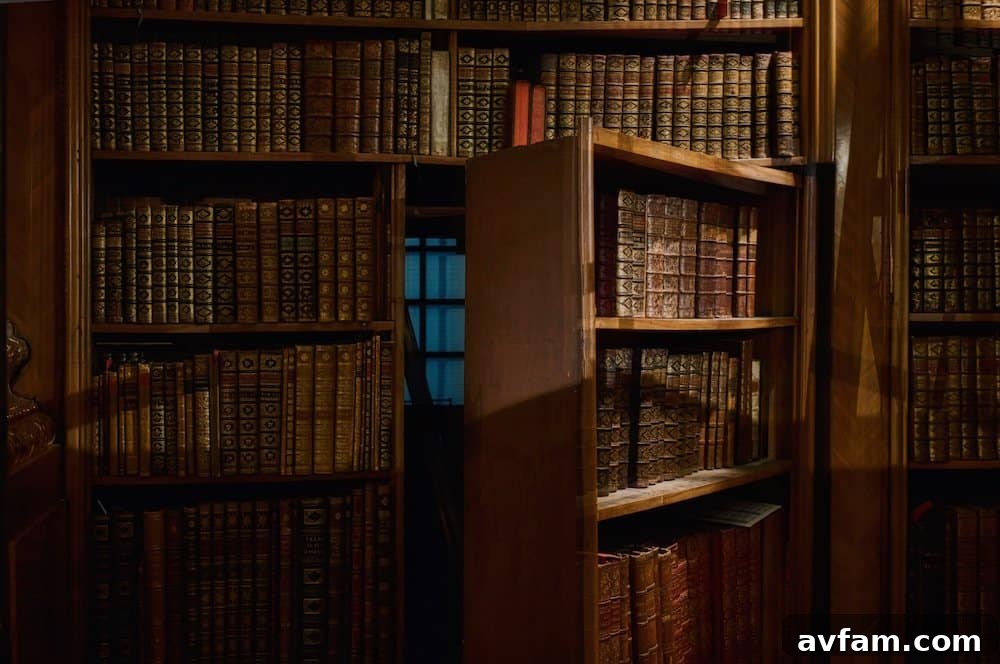
There’s an undeniable allure to the idea of a secret passage, a hidden room, or a concealed entrance within your own home. It evokes a sense of wonder and adventure, reminiscent of classic literature and spy films. More than just a quirky architectural feature, a well-designed secret door can transform your living space, adding an element of intrigue, enhancing privacy, and even boosting functionality and security. Imagine guests discovering a hidden wine cellar, a private study, or a discreet entrance to a master suite. The possibilities are as endless as your imagination, creating unique and memorable experiences within your personal sanctuary.
Far from being a mere fantasy, creating your own secret door is an achievable home improvement project. Whether you’re a seasoned DIY enthusiast or looking to hire a professional, the journey of designing and installing a hidden door can be incredibly rewarding. This comprehensive guide will explore various secret door designs, strategic placement ideas, and practical tips to help you craft a truly unique feature that will captivate and inspire.
Unlocking the Mystery: Why Install a Secret Door?
Beyond the obvious “wow” factor, secret doors offer a myriad of practical benefits that can significantly enhance your home’s appeal and livability. They are not just about novelty; they are about intelligent design and maximizing your space’s potential.
- Enhanced Privacy and Seclusion: A secret door can create a private retreat where you can escape the hustle and bustle of daily life. This could be a serene home office, a tranquil reading nook, or a master bedroom accessible only through a discreet entrance, offering an unparalleled level of personal space.
- Maximized Storage Solutions: Struggling with clutter? A hidden door can conceal a storage room, pantry, or even a walk-in closet, blending seamlessly with its surroundings. This is an excellent way to maintain a minimalist aesthetic while keeping essentials easily accessible yet out of sight.
- Increased Home Security: For those concerned about security, a hidden room or a concealed safe behind a secret door can offer an extra layer of protection for valuables or serve as a secure “panic room” in emergencies. Its inconspicuous nature makes it an ideal deterrent against potential intruders.
- Boosted Home Value and Uniqueness: A meticulously crafted secret door is a unique selling point that can significantly increase your property’s value and appeal. It sets your home apart from others, leaving a lasting impression on visitors and potential buyers alike.
- A Touch of Personal Charm and Intrigue: Ultimately, a secret door injects personality and fun into your home. It’s a conversation starter, a source of endless delight, and a reflection of a homeowner who dares to dream beyond conventional design.
Choosing the Perfect Secret Door Design
The success of a secret door lies in its ability to blend seamlessly with its environment, becoming virtually undetectable to the unsuspecting eye. Fortunately, a wide array of design options allows you to achieve this illusion, catering to various aesthetics and functionalities. When choosing your design, consider your home’s existing style, the purpose of the hidden space, and your personal preferences.
- The Classic Bookcase Door: Arguably the most iconic secret door design, the bookcase door is a timeless choice. A custom-built or modified bookcase swings open to reveal a hidden room or passageway. This design is perfect for libraries, studies, or living rooms, especially for avid readers. To enhance the illusion, ensure the shelves are filled with books and decorative items, and the door mechanism is robust yet discreet. Pivot hinges are often used for a smooth, wide swing, and magnetic catches keep it securely closed.
- Flush Cabinet or Layered Pantry Door: For a truly invisible entrance, a flush cabinet or pantry door is an excellent option. This design involves integrating the door panel directly into existing cabinetry or wall paneling. The door’s surface can be painted, wallpapered, or clad in the same material as the surrounding walls or cabinets, making it virtually impossible to spot the seam. Push-to-open latches or hidden pulls are typically employed to maintain the seamless look. This works wonderfully in kitchens, dining rooms, or hallways leading to utilities or storage.
- Mirror or Artwork Concealed Doors: Imagine a large mirror or a captivating piece of artwork that pivots or slides to reveal a hidden space. This elegant design adds a touch of sophistication and can be particularly effective in hallways, bedrooms, or bathrooms. The mirror or artwork acts as a natural focal point, diverting attention from the hidden entrance behind it.
- Wall Panel Doors: For a sleek, modern look, a hidden door can be integrated directly into a feature wall or wainscoting. The door panel itself becomes part of the wall design, with carefully aligned patterns or textures that mask its true function. This option requires meticulous craftsmanship to ensure the lines and finishes are perfectly matched, creating an almost magical disappearing act.
- Custom-Designed Secret Doors: If you have a unique vision, a custom-designed secret door offers limitless possibilities. This could be a fireplace hearth that slides open, a section of a staircase that lifts, or even a rotating wall. The key here is working with skilled designers and builders who can bring your specific concept to life while ensuring structural integrity and flawless operation. Whatever design you choose, ensure it not only fits your home’s aesthetic but also serves its intended practical purpose seamlessly.
Perfect Placement for Your Hidden Entrance
The location of your secret door is just as crucial as its design. Strategic placement can maximize its impact, functionality, and the element of surprise. When deciding where to install your secret door, carefully consider factors such as accessibility, desired privacy level, the room’s primary function, and the structural feasibility of the chosen area.
- Home Office or Library: A popular and highly practical choice, a secret door in a home office or library can provide an ideal private escape. It creates a secluded environment perfect for focused work, quiet contemplation, or as a discreet access point to an adjacent room, maintaining an undisturbed atmosphere. Imagine your office bookcase swinging open to reveal a hidden lounge.
- Master Bedroom Suite: A hidden entrance within a master bedroom can offer an exclusive retreat for relaxation and rest. It might lead to a luxurious en-suite bathroom, a spacious walk-in closet, or even a private sitting area. This enhances the feeling of a personal sanctuary, adding an intimate and sophisticated touch to your private quarters.
- Entertainment Zones: Elevate your home entertainment experience with a secret door leading to a dedicated home theater, a game room, or a sophisticated wine cellar. This not only adds a dramatic entrance but also helps to contain sound and maintain the thematic ambiance of the entertainment space.
- Discreet Storage or Utility Areas: For purely functional purposes, a secret door can conceal a utility room, a server closet, or even an unsightly storage area. Blending it into a hallway wall or kitchen cabinetry keeps these necessary but less aesthetically pleasing areas out of sight, maintaining the overall clean look of your home.
- Children’s Playrooms or Nurseries: Inject a sense of magic into your children’s spaces by creating a secret door to a playroom or a cozy reading nook. This encourages imagination and provides a special, personal space for them to explore and enjoy.
When selecting a location, always consider the structural integrity of your walls and floors. You’ll need sufficient space to accommodate the door’s full swing or slide, along with any necessary framing, hardware, and electrical components. Consulting with a contractor or carpenter can help ensure your chosen location is viable and safe.
Bringing Your Vision to Life: Construction and Installation
Creating a secret door might seem like a daunting task, but with careful planning and the right approach, it’s entirely achievable. You have the option of purchasing a ready-made kit, like those offered by Murphy Doors, or embarking on a custom build with the necessary tools and materials.
DIY vs. Professional Installation
- DIY Kit: For those with basic carpentry skills, a DIY kit provides pre-fabricated components and instructions, simplifying the process. These kits are often designed for standard door sizes and popular styles like bookcase doors.
- Custom Build: If your vision is unique, or you require specific dimensions or materials, a custom build is the way to go. This typically involves designing a custom frame and door panel from scratch. While more challenging, it offers unparalleled customization.
- Professional Installation: For intricate designs, structural modifications, or if you prefer expert craftsmanship, hiring a professional contractor or specialized carpenter is recommended. They can ensure structural integrity, seamless integration, and a flawless finish.
Key Steps for Construction
- Precise Measurement: This is the most critical step. Measure the space carefully, taking into account the rough opening required for the door frame and any clearance needed for the door to operate smoothly. Accurate measurements prevent costly errors and ensure a perfect fit.
- Framing the Opening: Just like a regular door, a secret door requires a sturdy frame. This might involve cutting into an existing wall and reinforcing the opening with headers and king studs to support the door’s weight and maintain structural integrity.
-
Selecting the Right Hardware: The hardware is paramount for both functionality and concealment.
- Hinges: Pivot hinges are popular for bookcase and flush doors as they allow the door to rotate from a point along its vertical edge, often hidden from view. Soss hinges (invisible hinges) are another excellent choice, as they are completely concealed when the door is closed, creating a truly seamless look.
- Latching Mechanisms: Magnetic latches, roller catches, or hidden push-to-open mechanisms are ideal for maintaining the illusion of a solid wall or cabinet. For added security, consider concealed locks that are activated by a secret switch or a specific action.
- Handles/Pulls: The best secret doors have no visible handle. Options include recessed finger pulls, magnetic push-release systems, or cleverly disguised pulls that blend into the design, such as a specific “book” on a bookcase.
- Building the Door Panel: Whether it’s a bookcase, a flush panel, or a cabinet, the door panel must be robust and precisely constructed. For bookcase doors, ensure the shelves are securely attached and capable of holding weight without sagging. For flush doors, use materials that match your existing wall finishes exactly.
- Installation: Carefully install the door panel into the framed opening, paying close attention to plumb and level. Adjust hinges as needed to ensure smooth operation and a tight, even gap around the perimeter when closed.
Seamless Integration and Finishing Touches
The true magic of a secret door lies in its ability to disappear. Achieving this requires meticulous attention to detail in the finishing stages. The goal is to make the door indistinguishable from its surroundings, even upon close inspection.
- Matching Finishes: If your secret door is designed to blend with a wall, ensure the paint color, wallpaper pattern, or wood stain matches perfectly. For a wall panel door, consider extending existing moldings or trim across the door’s surface to further obscure its edges.
- Camouflaging Seams: The subtle gap around a traditional door is a giveaway. For secret doors, minimize this gap as much as possible. Precision cuts and careful installation are key. Consider using thin trim pieces or even applying caulk that matches the wall color to further mask the seam, though ensure it doesn’t impede the door’s movement.
- Hiding Operating Mechanisms: The way you open the door should also be hidden. For bookcase doors, a specific book might be the “key,” activating a magnetic release. For flush doors, a push-to-open mechanism or a concealed button can be utilized. Avoid standard door knobs or handles if the goal is complete invisibility.
- Decor Integration: For bookcase doors, fill the shelves with a diverse collection of books and decorative objects. This helps to break up the visual lines and make the door appear as a natural part of the furniture. For mirror doors, ensure the mirror is framed or integrated in a way that aligns with the room’s aesthetic.
Safety, Security, and Longevity Considerations
While the allure of a secret door is undeniable, it’s crucial to consider safety, security, and long-term functionality. These aspects ensure your hidden entrance remains a source of delight, not concern.
- Emergency Exits: If your secret door leads to a room without another exit, it’s imperative that the door can be opened easily from the inside, even without special knowledge. This is especially important for areas like panic rooms or children’s play spaces. Incorporate a simple, fool-proof internal latch or lever for safety.
- Ventilation: Hidden rooms can become stuffy or accumulate moisture without proper airflow. If the secret door leads to an enclosed space that will be used for extended periods, consider integrating a discreet ventilation system or ensuring the room has other means of air circulation.
- Child Safety: If you have young children, ensure the secret door’s mechanism is safe and cannot accidentally trap them. Consider safety locks or designs that prevent little ones from getting stuck.
- Durability and Maintenance: A secret door, especially one that sees frequent use, requires durable hardware. Invest in high-quality hinges, latches, and framing materials. Regular maintenance, such as lubricating hinges and checking the alignment, will ensure your secret door operates smoothly for years to come.
- Soundproofing: If the secret door leads to a private office or a master bedroom, you might want to consider soundproofing the door itself to enhance the sense of seclusion and privacy.
While discussing hidden entrances, it’s worth noting that pocket doors offer a different kind of concealed opening. Unlike traditional secret doors that aim for invisibility, pocket doors slide into a wall cavity, effectively disappearing when open to save space. While they don’t offer the same mystery, they are an excellent solution for maximizing usable floor space in smaller rooms or where a swinging door would be impractical.
Ultimately, the location and design of your secret door will depend on your individual needs, your home’s layout, and your creative vision. With the right design, precise installation, and attention to detail, a secret door can add an unparalleled touch of magic and intrigue to your home, serving both a practical purpose and sparking joy for all who discover it. It’s an investment in character, functionality, and a little bit of everyday enchantment.
The thought of incorporating such a unique feature into a home is genuinely exciting. Where would you choose to create a secret doorway in your living space? What hidden wonders would it conceal? Share your ideas and let us know what you think!