
Protect Your Investment: The Unsung Value of Regular Home Inspections for Every Homeowner
When the topic of home inspections arises, most people immediately think of the critical due diligence performed before purchasing a property. This necessary step in any real estate transaction ensures buyers are fully aware of a home’s condition before committing. However, to truly protect one of life’s most significant investments, the role of a professional home inspection extends far beyond just buying or selling. As we observe Home Inspection Month, it’s the perfect time to highlight a crucial insight often overlooked: home inspections are not exclusively for sales transactions.
In fact, seasoned experts strongly advocate for periodic home inspections, even if you’ve been a proud homeowner for many years. This is especially true if you’ve resided in your home for a decade or more without a comprehensive professional review.
“Owning a home remains one of the most significant financial investments most people will make in their lifetime,” stated Kurt Salomon, president of the American Society of Home Inspectors (ASHI), in an official press release. “Periodic inspections conducted by a qualified professional are one of the best ways to protect that investment, ensuring its longevity, preserving its value, and preventing costly surprises down the road.” This statement underscores a fundamental truth: proactive care is paramount for maintaining the health and value of your most valuable asset.
Beyond the Transaction: Why Regular Home Inspections Are Crucial for Existing Homeowners
So, if you’re settled in your home and have no immediate plans to move, how often should you consider scheduling an inspection? The general recommendation from industry leaders like ASHI is every three to five years. This regular check-up acts like a comprehensive health assessment for your property, providing you with up-to-date information on its condition and potentially saving you from budget-draining repairs that could have been avoided with early detection.
1. Catching Hidden Problems Before They Escalate
Many common household issues, from subtle structural shifts to slow water leaks, develop gradually and often in areas unseen by the average homeowner. A professional home inspector possesses the specialized training, experience, and tools to identify these nuanced warning signs that might otherwise go unnoticed. They can detect potential moisture intrusion in an attic, hairline cracks in a foundation indicating settlement, or early signs of electrical faults before they become major safety hazards or catastrophic failures. Early detection translates directly into simpler, less expensive repairs, safeguarding your home’s integrity and providing invaluable peace of mind.
2. Protecting and Enhancing Your Home’s Value
Your home’s market value is intrinsically linked to its overall condition. Neglected maintenance issues, especially those affecting major systems or structural components, can significantly diminish its appeal and worth. Regular inspections empower you to address concerns promptly, ensuring your home remains in top shape. This proactive maintenance not only prevents depreciation but can also enhance your property’s value over time. Should you decide to sell in the future, a well-maintained home with a history of regular inspections often fetches a higher price and sells more quickly, providing a solid return on your investment in preventative care.
3. Ensuring Safety and Boosting Energy Efficiency
Beyond structural soundness, home inspections play a vital role in ensuring the safety and efficiency of your living environment. Inspectors meticulously check for potential hazards such as faulty wiring, outdated electrical panels, carbon monoxide leaks from heating systems, proper ventilation to prevent mold growth, and the functionality of smoke and carbon monoxide detectors. They also assess the efficiency of your HVAC system, insulation levels, and window seals, identifying areas where upgrades could significantly reduce your utility bills and improve overall indoor comfort. A safe, healthy, and energy-efficient home is not just a pleasant place to reside; it’s a fiscally responsible and desirable property.
What Does a Comprehensive Home Inspection Cover?
According to the American Society of Home Inspectors (ASHI), a standard home inspection is a thorough, non-invasive visual examination of the physical structure and systems of a house. It covers all readily accessible and visible components, providing a detailed snapshot of your home’s current state. This extensive assessment typically includes a wide array of areas, from the rooftop to the foundation.
The Exterior Elements: Your Home’s First Line of Defense
- Roof System: Examination of shingles, tiles, flashing, gutters, downspouts, skylights, and chimneys for signs of damage, wear, proper drainage, and potential leaks. A compromised roof is a direct gateway to interior water damage.
- Foundation and Structure: Visual inspection of the foundation walls, perimeter grading, and drainage to identify cracks, settlement issues, moisture penetration risks, or structural concerns. Proper grading is critical for diverting water away from the foundation.
- Exterior Walls and Siding: Checking for damage, rot, deterioration, proper sealing, and overall condition of siding materials (e.g., brick, vinyl, stucco). This layer protects the underlying structure from the elements.
- Windows and Exterior Doors: Assessment of their condition, proper operation, seals, frames, and overall energy efficiency. Drafty windows or sticky doors can indicate structural shifts or simply require maintenance.
- Driveways, Walkways, and Patios: Looking for cracks, uneven surfaces, or tripping hazards that could indicate underlying issues or pose safety risks to residents and visitors.
The Interior Systems and Components: The Heart of Your Home
- Structural Components: Walls, ceilings, floors, and the attic structure are examined for signs of cracks, sagging, water damage, or significant, unpermitted alterations.
- Attic Space: Thorough inspection of insulation levels, ventilation systems, visible framing, and signs of leaks, mold, or pest activity. Adequate insulation is paramount for energy efficiency and indoor comfort.
- Basement and Crawl Space: A critical area assessed for moisture intrusion, structural concerns, foundation cracks, signs of pests, and proper ventilation. These often-overlooked spaces are vital to a home’s overall health.
- Plumbing System: Evaluation of visible pipes, fixtures, water heater, drainage systems, and functional flow for leaks, corrosion, proper operation, and adequate water pressure and temperature.
- Electrical System: Examination of the service panel (breaker box), visible wiring, outlets, switches, light fixtures, and ground fault circuit interrupters (GFCIs) for safety hazards, proper grounding, and appropriate capacity. Outdated or faulty wiring poses a significant fire risk.
- Heating, Ventilation, and Air Conditioning (HVAC): Assessment of the furnace, air conditioning unit, heat pump, ductwork, and thermostat for proper operation, age, maintenance needs, and overall efficiency. An inefficient HVAC system can lead to exorbitant utility bills.
- Visible Insulation: Checking the type, condition, and distribution of insulation in accessible areas to gauge energy efficiency and heat retention.
- Built-in Appliances: Testing the basic function of permanently installed appliances such as ovens, dishwashers, garbage disposals, and range hoods.
The Home Inspection Process: What to Expect
Understanding the typical home inspection process can help homeowners feel more prepared and maximize the benefits. A thorough home inspection for an average-sized property generally takes between two to four hours, though larger or older homes may require more time. It is highly recommended that homeowners, or even prospective buyers (if applicable), be present during the inspection. This allows you to observe the inspector’s findings firsthand, ask questions in real-time, and gain a much clearer understanding of your home’s condition and any areas of concern.
Following the visual assessment, the inspector will compile a detailed and comprehensive report. This document will outline all their findings, often accompanied by clear photographs of identified issues. The report typically categorizes deficiencies (e.g., major defects, minor repairs, maintenance recommendations) and provides actionable advice. It is crucial to remember that an inspection report is not a pass/fail document; instead, it serves as an educational tool designed to inform you about the property’s current state and potential future needs, empowering you to make informed decisions about maintenance and repairs.
Choosing the Right Home Inspector: A Critical Decision
The effectiveness and value of a home inspection hinge entirely on the competence, integrity, and experience of the inspector you choose. When seeking a professional, it’s imperative to conduct thorough research rather than simply settling for the first name you encounter. Here are crucial factors to consider:
- Credentials and Professional Affiliations: Prioritize inspectors who are certified by reputable industry organizations such as ASHI (American Society of Home Inspectors) or InterNACHI (International Association of Certified Home Inspectors). These affiliations signify that the inspector has met stringent standards for training, adhered to a strict code of ethics, and committed to ongoing continuing education.
- Experience and Reputation: An inspector with a solid track record and years of experience will have encountered a broader spectrum of issues and developed a more discerning eye for subtle problems. Always check online reviews, solicit testimonials, and don’t hesitate to ask for references from past clients.
- Insurance Coverage: Ensure the inspector carries both professional liability (Errors & Omissions) and general liability insurance. This coverage protects both you and the inspector in the unlikely event of unforeseen circumstances or missed defects.
- Sample Report Review: Request to see a sample inspection report before hiring. This will provide valuable insight into the level of detail, clarity, and comprehensiveness of their typical work. A high-quality report should be easy to understand, include detailed descriptions, and be well-supported with photographic evidence.
- Communication Skills: The best inspectors are not only technically proficient but also excellent communicators. They should be able to clearly explain complex issues in layman’s terms, answer all your questions thoroughly, and address any concerns you may have in an accessible manner.
If you need assistance finding a certified and reputable inspector in your area, a reliable starting point is the ASHI website. They feature a user-friendly “Find an Inspector” tool that allows you to search for qualified professionals in your local region, giving you confidence in your choice.
The Cost of an Inspection vs. The Value of Savings
Some homeowners might initially perceive the cost of a periodic home inspection as an additional and unnecessary expense. However, it is crucial to reframe this perspective: consider it an invaluable investment rather than an expense. The fee for a professional inspection is typically a small fraction of the potential costs associated with unforeseen major repairs. Imagine the financial burden of replacing a severely neglected roof, rectifying extensive water damage from a long-standing hidden leak, or addressing serious structural issues that could have been identified and remedied years earlier. A timely inspection can literally save you thousands, or even tens of thousands, of dollars by enabling proactive maintenance and preventing catastrophic failures, making it a truly wise financial decision.
When is the Optimal Time for a Home Inspection?
While the “every three to five years” guideline serves as an excellent general rule for proactive maintenance, certain specific situations might warrant scheduling an inspection sooner or at particular junctures:
- After Major Weather Events: If your region has experienced severe storms, hurricanes, prolonged heavy rainfall, or significant snowfall, an inspection can help assess any hidden damage that might have occurred to your roof, foundation, or exterior.
- Before Major Renovations or Additions: Understanding the current condition and structural integrity of your home’s systems and existing structure is paramount before embarking on large-scale projects like adding an extension or undertaking significant remodels. This prevents complications and ensures compliance.
- When You Suspect a Problem: If you notice new or unusual cracks in walls, persistent leaks, strange odors, unusual noises from appliances, or any other concerning signs, do not delay. A targeted inspection can help pinpoint the exact source of the issue.
- Before a Builder’s Warranty Expiration: For newer homes, if you are covered by a builder’s warranty, a comprehensive inspection before that warranty expires can identify any latent defects or construction issues that the builder would be obligated to fix at their expense.
- Seasonal Changes: Scheduling an inspection after a major seasonal change (e.g., after winter to check for ice-damming damage, or after summer to assess AC unit performance) can be beneficial.
Conclusion: Embrace Proactive Home Care for Long-Term Security
In essence, a home is far more than just a place of residence; it represents a significant financial investment, a sanctuary for your family, and a cornerstone of your long-term security. While real estate transactions rightly trigger inspections as a standard practice, embracing regular, periodic home inspections for your existing property is the hallmark of responsible and intelligent homeownership. It serves as a powerful proactive measure that arms you with critical knowledge, rigorously protects your investment from unforeseen depreciation, ensures the ongoing safety and comfort of your family, and ultimately saves you considerable money and undue stress in the long run.
So, we urge you to reflect: when was the last time you scheduled a thorough, professional check-up for your cherished home? If it has been more than a few years, perhaps this Home Inspection Month serves as the opportune moment and perfect reminder to prioritize this essential aspect of property stewardship. Do not wait for a crisis or a catastrophic failure to act; instead, make the smart choice to invest in prevention and secure your home’s future today.
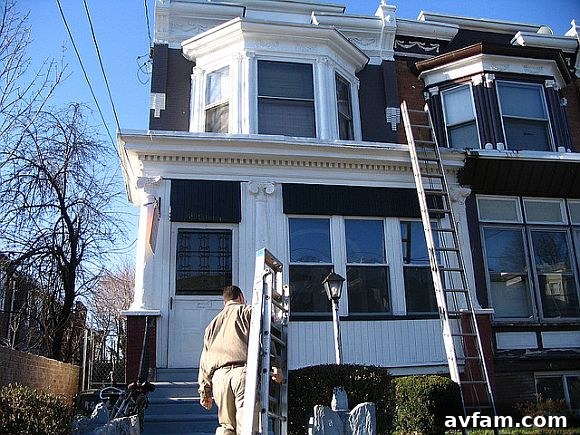
Photo Credit: The original source for this informative image is from Flickr.com/photos/moil/716077960/, providing a visual representation of a diligent home inspection process in action.