
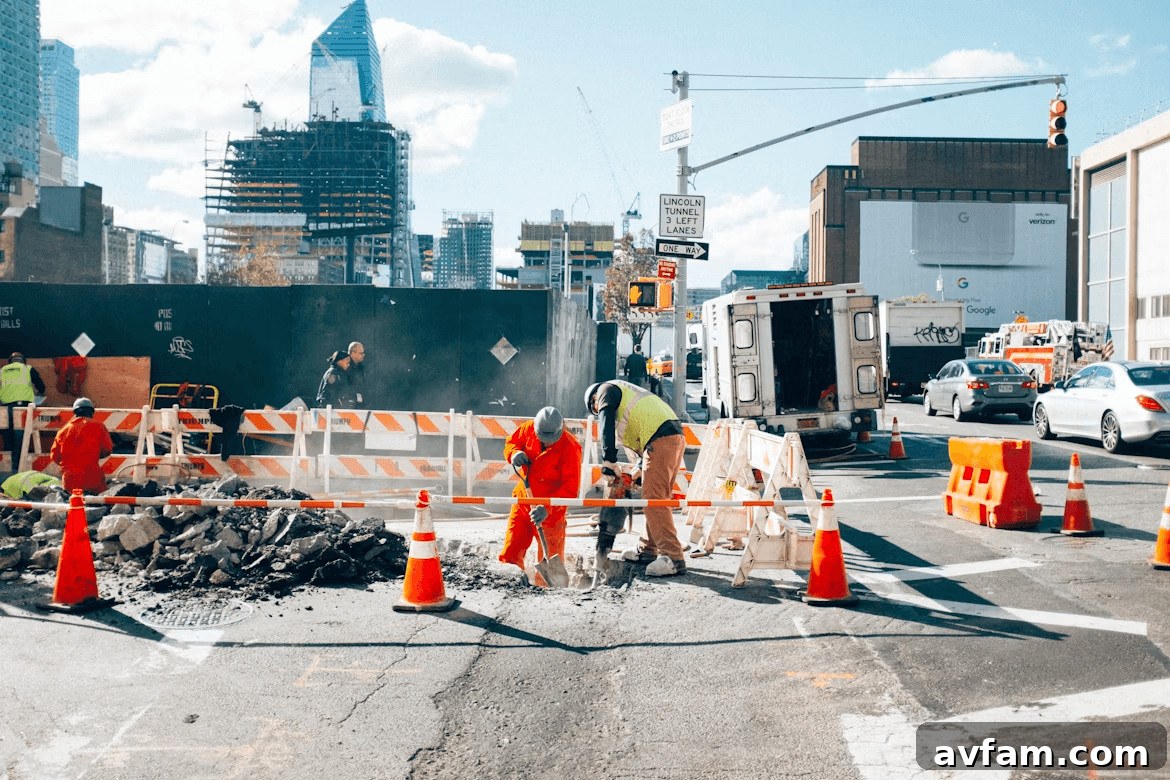
In 2026, safety culture in the U.S. construction industry continues to present serious challenges. According to federal data, construction accounted for a large share of work-related fatalities in recent years, and the sector remains among the most dangerous in which to work.
Construction workers face a higher risk of severe, life-altering injuries than employees in most other industries. Each year the Bureau of Labor Statistics documents a persistently high fatality rate in construction. Falls, struck-by incidents, electrocutions, and caught-in or caught-between accidents—commonly called the “fatal four”—are responsible for the majority of construction worker deaths.
When a worker is injured on a construction site, several legal options may be available to recover compensation. The best route depends on how the injury occurred and who is responsible. Understanding these options helps injured workers and bystanders protect their rights and pursue fair recovery.
New Orleans construction accident attorney Joshua L. Rubenstein emphasizes that victims should know their rights and the steps required to seek compensation. One common question is whether a lawsuit is possible after a construction accident. The short answer is: sometimes—depending on the legal avenue pursued and the parties involved.
Workers’ Compensation: The Exclusive Remedy Limitation
Across the United States, workers’ compensation is the primary system for compensating employees hurt on the job. Workers’ comp operates as a no-fault program: injured workers can receive medical benefits and partial wage replacement without proving their employer was negligent. In exchange, most employees are barred from suing their employer in tort for the same workplace injury.
Workers’ compensation typically covers reasonable medical care, a portion of lost wages, and permanent disability benefits. However, it does not compensate for non-economic losses such as pain and suffering, loss of enjoyment of life, or emotional distress—damages that might be available in a successful personal injury lawsuit.
For example, a right-handed construction worker who permanently loses use of that hand may obtain medical payments and a portion of lost wages under workers’ comp, but may not receive full compensation for the profound impact on daily life and future earning capacity that a tort claim could potentially address.
Benefits are commonly calculated as a percentage of pre-injury wages—often two-thirds—subject to state maximums. Those caps can leave skilled construction workers undercompensated relative to their actual lost income.
One important exception to workers’ compensation exclusivity is intentional harm. If an employer intentionally injures an employee, many states permit a separate tort action against the employer. Proving intentional conduct is difficult and requires strong evidence that the employer acted with deliberate intent to cause harm rather than mere negligence.
Some courts have allowed claims where an employer’s conduct showed a blatant disregard for worker safety, but these cases are fact-specific and often hard to win.
If you have questions about your options after a construction injury, consult a qualified personal injury attorney who can explain the possible remedies in your jurisdiction.
Third-Party Claims: When Someone Other Than the Employer Is Responsible
Workers’ compensation covers the employer–employee relationship, but it does not prevent an injured worker from suing other negligent parties. When a third party’s negligence causes a construction injury, the injured worker can pursue a separate tort claim against that party while still receiving workers’ comp benefits.
Common third-party defendants in construction accidents include:
- General contractors: When subcontractor employees are injured, general contractors can be liable if they failed to maintain a safe site, coordinate trades properly, or provide adequate supervision.
- Other subcontractors: Injuries caused by another subcontractor’s negligence, tools, or equipment can give rise to a claim against that subcontractor. On large projects, subcontractors frequently pursue claims against one another.
- Property owners: Owners may face premises liability exposure if they knew or should have known of dangerous site conditions and failed to address them.
- Equipment and tool manufacturers: Defective scaffolds, power tools, or safety equipment may trigger product liability claims against manufacturers under design-defect, manufacturing-defect, or failure-to-warn theories.
OSHA Violations as Evidence of Negligence
The Occupational Safety and Health Administration sets and enforces numerous standards for construction safety, covering fall protection, scaffolding, excavations, electrical hazards, and more. An OSHA citation issued after an accident can be powerful evidence in civil litigation. In many jurisdictions, OSHA findings and inspection reports are admissible as evidence of negligence or as proof the relevant safety standard was violated.
OSHA investigations generate inspection reports, photographs, witness statements, and citation findings that often provide the most detailed contemporaneous record of site conditions. Injured workers can request OSHA inspections, participate in the process, and contest findings—actions that are independent of workers’ compensation claims or civil lawsuits.
When pursuing a claim after a construction accident, preserving evidence, documenting injuries and expenses, and consulting an experienced attorney promptly are critical steps. Combining workers’ compensation benefits with third-party claims and relying on OSHA records can improve the chances of obtaining fair compensation and accountability for unsafe practices.