
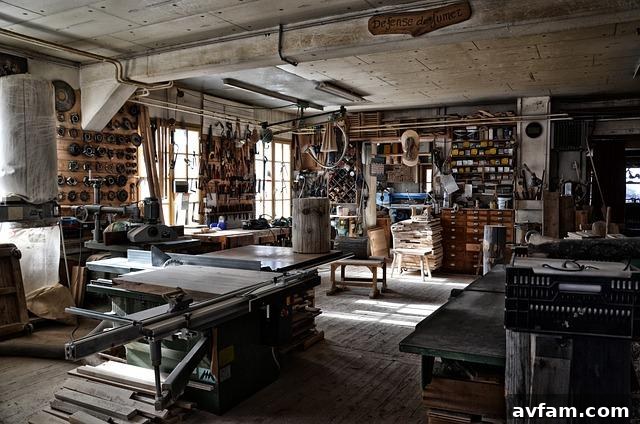
Running a busy professional workshop quickly teaches a fundamental truth: efficiency is paramount. When tools, materials, and a team of people are all in motion, even the slightest delay can ripple through the entire operation, slowing everything down and impacting output.
The good news is that you don’t need a commercial-scale operation to embrace these invaluable lessons. Many of the same proven strategies employed in high-traffic, high-demand workshops can be seamlessly adapted to transform a simple home workshop into a remarkably organized, safer, and far more enjoyable space to work in.
If your garage, basement, or dedicated craft space currently feels like a chaotic jumble or a constant struggle to manage, a few strategic changes can yield astonishing results. The principles outlined below demonstrate how to borrow time-tested systems from high-output professional environments and implement them to dramatically enhance your personal DIY setup at home, making every project smoother and more satisfying.
These improvements target key areas where a professional mindset can have the most significant and lasting impact on your home workshop.
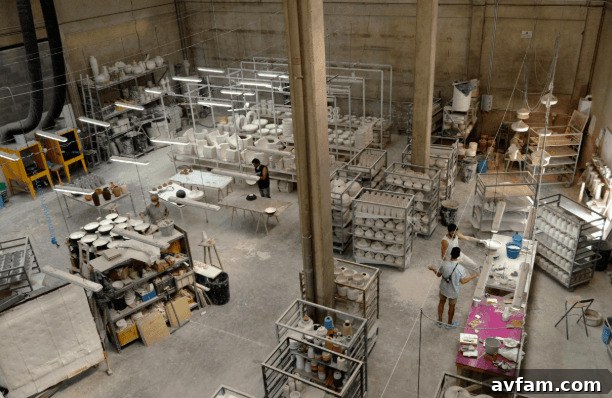
Optimizing Your Home Workshop: Pro Strategies for DIY Success
1. Design for Flow: Optimize Physical Space for Maximum Productivity
Imagine your workshop doors opening at 8 a.m., and everything springs to life. The last thing you want is a bottleneck in an aisle, a precarious stack of materials blocking a path, or someone tripping over a misplaced tool cart. In a professional setting, such inefficiencies translate directly into lost time and revenue.
Optimizing your workshop’s physical layout is the bedrock of an efficient and safe workspace. The core objective is to facilitate the swift and unobstructed movement of people, tools, and materials without introducing slowdowns or safety hazards. These same critical principles apply with equal, if not greater, importance in a home workshop, especially where space is often at a premium.
Begin by meticulously reviewing your current floor plan. Visualize your typical workflow for various projects. Where do you start? How do you move between different stages like cutting, assembly, and finishing? Identify any tight spots where movement feels restricted or where you frequently have to backtrack. Clearing these congestion points, even with minor adjustments, can drastically improve the flow within your garage, basement, or shed setup.
While home workshops typically aren’t subject to the same strict commercial regulations, understanding the principles behind them is beneficial. For instance, commercial workshop layouts in the U.S. must comply with fire codes and Americans with Disabilities Act (ADA) accessibility rules. This means ensuring clear pathways, often a minimum of 36 inches wide, and well-marked, easily accessible emergency exits. Applying this logic to your home setup means consciously keeping main pathways clear and unobstructed, ensuring quick access to entry/exit points, and avoiding stacking items where you walk or work.
Consider organizing your space into distinct, logical zones. Dedicated areas for storage, active work (like a workbench or a specific machine area), assembly, and cleanup can dramatically enhance organization. Place frequently used tools and materials within easy, natural reach, minimizing the need to constantly stop and search. For less frequently used items, designated long-term storage areas keep them organized but out of the immediate workflow.
Incorporate flexible furniture solutions like rolling carts, mobile bases for stationary tools, and foldable tables. These elements allow your workshop to adapt swiftly to different projects, providing the versatility needed for a dynamic DIY environment. Wall-mounted storage systems such as pegboards, French cleats, and open shelving also maximize vertical space, keeping tools visible, accessible, and off precious floor area. Moreover, consider ergonomics; ensure your workbench and frequently used tools are at a comfortable height to reduce strain and fatigue during long projects.
2. Enhance Safety and Accessibility: Implement Frictionless Control Points
High-traffic professional workshops often handle valuable tools, expensive raw materials, and sometimes even sensitive prototypes. Consequently, robust security measures are vital. However, these measures must be integrated in a way that doesn’t impede the smooth flow of operations. The ideal is “frictionless security” – systems that maintain safety and control without causing unnecessary delays.
In larger industrial operations, cutting-edge systems are designed to keep personnel moving efficiently while upholding stringent safety standards. For example, OPENGATE AWDS (advanced weapons detection systems) represent a modern approach to venue security, gaining traction for their ability to allow continuous flow without requiring constant stopping or manual checks. The underlying principle is smart, unobtrusive control.
In a home workshop, this concept translates into creating a safe and controlled environment without introducing cumbersome obstacles to your creative process. While you likely won’t need advanced weapons detection systems, you still need to thoughtfully manage how valuable tools, potentially hazardous equipment, and various materials are stored and accessed.
Prioritize safe storage for all sharp tools, power equipment, and chemicals when they are not actively in use. This is particularly crucial if children, pets, or unfamiliar guests might have access to your workspace. Implementing simple measures like locking cabinets for dangerous tools or expensive equipment, and securing hazardous substances like paints, solvents, and adhesives, can prevent accidents without adding significant friction to your daily workflow. The goal is to make access controlled and deliberate.
You can also apply the idea of smooth entry and exit flow to your home shop. Keep doorways and main access points entirely clear of clutter. Avoid piling project parts or stored items near entrances, ensuring that you can easily and quickly enter or exit the space at any time. Cultivate simple, effective habits, such as immediately returning tools to their designated spots after use and maintaining a general level of tidiness, especially around your primary ingress/egress points.
Beyond physical security, consider broader safety protocols. Ensure you have readily accessible personal protective equipment (PPE) like safety glasses, hearing protection, and dust masks, and make their use a habit. Have a fully stocked first-aid kit nearby and know the location of your electrical breaker panel for emergencies. These small, thoughtful steps – locking storage, clear labeling, and maintaining a clean, accessible entry point – collectively contribute to a significantly safer and more efficient home workspace.

3. Streamline Your Supplies: Modernize Inventory Control to Prevent Costly Bottlenecks
Few things derail a project faster or more frustratingly than discovering you’ve run out of a crucial material mid-task, or worse, losing track of a specific tool you know you own. In large professional workshops, outdated inventory systems are notorious for causing costly delays and production bottlenecks. In the home workshop, this often manifests as wasted hours spent frantically searching for that elusive fastener, drill bit, or specific piece of lumber you’re certain you have somewhere.
To combat this, many professional shops are transitioning to real-time digital inventory systems that automate tracking. Technologies like Radio Frequency Identification (RFID) tags or barcode scanners integrated with tools and supplies allow teams to know instantly what is currently in use, what stock levels are low, and what items require immediate reordering. This precision minimizes downtime and optimizes purchasing.
For the home DIYer, you can adopt a scaled-down yet equally effective approach, leveraging the same underlying principles of visibility and control. Start with a foundational system: clearly labeled bins, dedicated shelves, and transparent storage containers. Assign everything a specific “home.” When every item has a designated place, putting things away becomes second nature, and finding them is effortless.
If you wish to elevate your inventory control, consider digital solutions. Basic barcode scanning apps (many are free for personal use) or simple digital lists and spreadsheets can be incredibly powerful for tracking consumables and specific project parts. This is particularly beneficial if you juggle multiple projects simultaneously, maintain a diverse stock of materials (like various wood species, electrical components, or plumbing fittings), or buy in bulk.
Implement a “min/max” system for frequently used consumables like screws, sandpaper, glue, and batteries. Determine a minimum stock level at which you’ll reorder, ensuring you never completely run out. Keep these commonly used items well-stocked and readily accessible. Less frequently used materials, while still organized and labeled, can be stored in less prominent locations, saving prime real estate for your daily essentials.
Regularly perform a quick inventory check and tidy-up. This prevents accumulation of unnecessary items and ensures your system remains accurate. When your inventory is meticulously organized and easily trackable, you dramatically reduce time spent searching and purchasing duplicates, allowing you to spend more time on actual project work and less on administrative headaches. It transforms potential bottlenecks into smooth sailing, ensuring your projects progress efficiently from start to finish.
Efficiency is Your Workshop’s Greatest Asset: Building a High-Performance DIY Space
You don’t need a sprawling industrial facility or a bustling commercial shop to reap the immense benefits of these efficiency-boosting ideas. The very same systems and philosophies that keep high-traffic, high-demand workshops operating like well-oiled machines can make a profound difference in your personal home workshop or garage workspace, irrespective of its size or current state.
The journey towards a more efficient workshop begins with manageable, incremental changes. Start by critically evaluating and clearing your layout, focusing on creating unimpeded pathways and logical work zones. Next, improve how you organize your tools, ensuring that every item has a dedicated and easily accessible “home.” Pay close attention to your movements within the space: identify where you frequently slow down, where you search, or where you encounter obstacles, and address those pain points systematically.
Over time, these seemingly small adjustments accumulate, leading to monumental improvements. A meticulously organized and thoughtfully designed DIY workspace empowers you to work faster, enhances your safety, reduces frustration, and ultimately allows you to derive significantly more enjoyment from your creative projects. The overarching goal is elegantly simple: to cultivate a workshop setup that actively supports and elevates your work, rather than hindering it.