
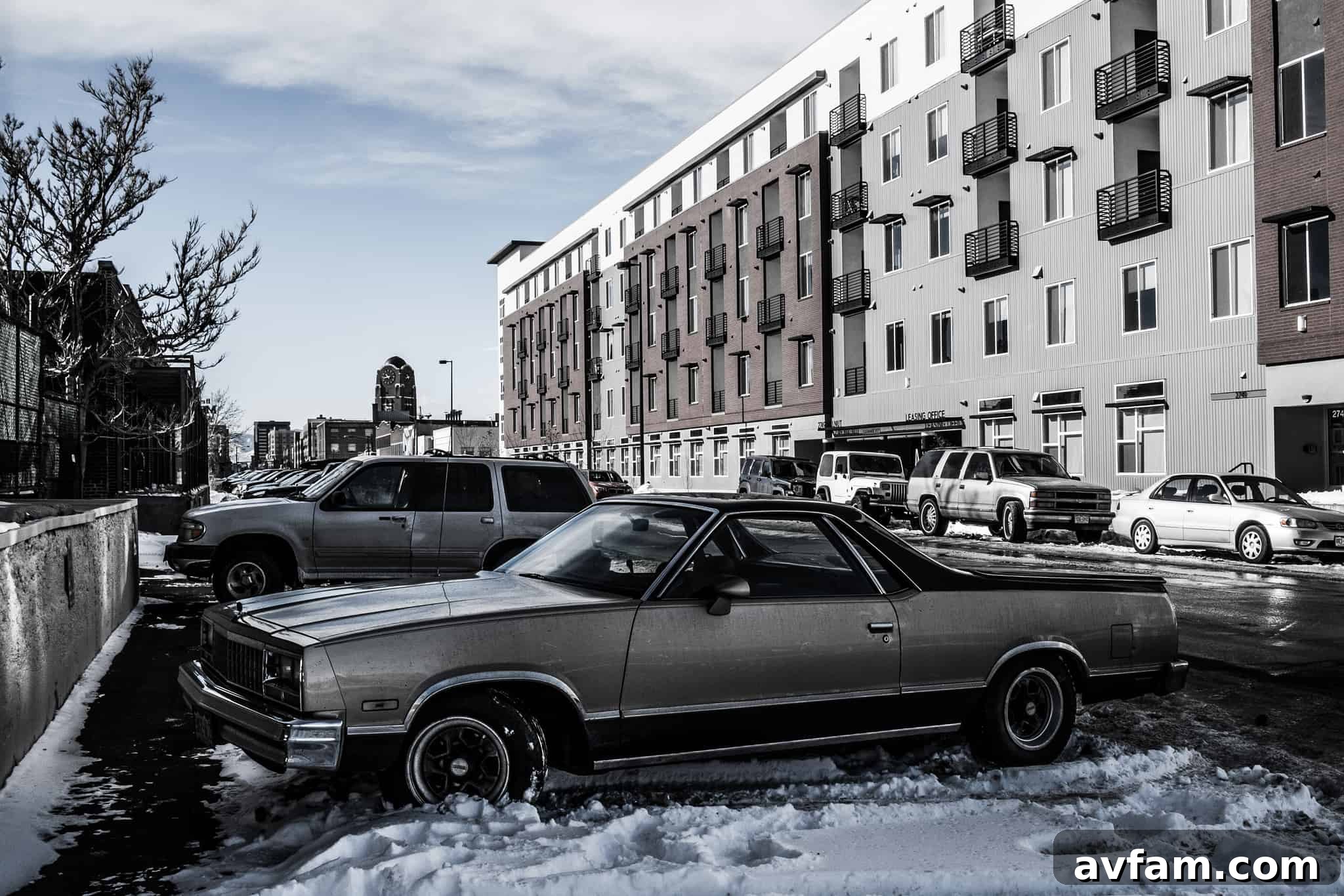
Embarking on a DIY home renovation project is often a dream for many, a chance to pour personal vision and effort into transforming a living space. However, when that dream leads you to properties in neighborhoods undergoing significant change – often referred to as gentrification – the journey takes on layers of complexity far beyond selecting paint colors or fixtures. You’re not just renovating a house; you’re becoming a part of a larger socio-economic transformation. This guide is crafted specifically for the dedicated DIY enthusiast, helping you navigate the unique challenges and opportunities of renovating a home in a gentrifying area. We’ve previously delved into the definition of gentrification, explored the socio-political-economic forces driving it, and weighed the pros and cons. Now, let’s focus on what this phenomenon means directly for you, the homeowner with tools in hand and a vision in mind.
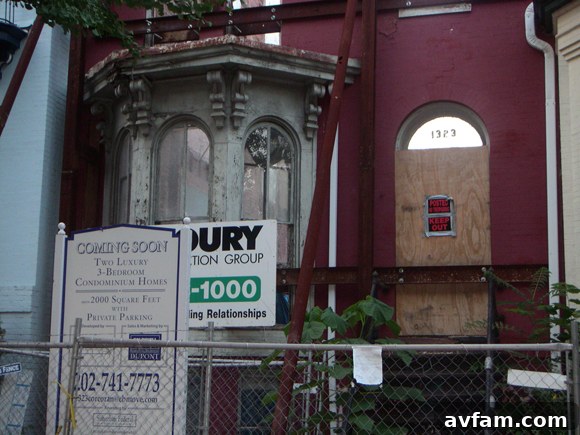
The subtle nature of gentrification means that its early stages can often be overlooked. When you’re captivated by the architectural character of an old home or the potential of a promising location, it’s easy to get swept up in the excitement. Your ideal mental picture of a renovated haven might overshadow the broader dynamics at play in the neighborhood. Yet, understanding these dynamics is crucial for any DIY investor looking to not just enhance a property, but also to make a truly informed decision. Let’s explore the essential factors required when you, as a DIY enthusiast, consider contributing to the transformation of an area.
Navigating the Financial Landscape of DIY Gentrification
The allure of cheaper real estate in neighborhoods perceived as “up-and-coming” is undeniable for many DIY enthusiasts. These properties often present an opportunity to acquire more space or a desirable architectural style at a lower initial cost than in established, higher-priced locales. While the initial purchase price might seem like a bargain, it’s vital to recognize that this is merely the first financial hurdle. The true cost of renovating a home in a gentrifying area can quickly escalate, demanding meticulous budgeting and a substantial contingency fund.
Beyond the Purchase Price: Hidden Costs and Unexpected Expenses
Many older homes, particularly those that have been vacant or poorly maintained, come with a host of hidden issues. It’s not just about the visible cosmetic repairs; you must anticipate significant expenses for fundamental systems. This includes the potential need for complete electrical rewiring to meet modern safety codes, extensive plumbing overhauls to replace corroded pipes, and addressing structural integrity concerns. Beyond these, be prepared for costs associated with hazardous materials common in older properties, such as asbestos abatement or lead paint removal, which can be both time-consuming and expensive, requiring specialized contractors.
Permits and inspections are another critical financial consideration. Local building departments often have stringent requirements, especially for major renovations or changes to historical properties. Obtaining the necessary permits can involve fees, detailed architectural plans, and multiple inspections, all of which add to both the project timeline and budget. Neglecting these can lead to fines, project delays, or even forced demolition, jeopardizing your entire investment.
Budgeting for Resilience: Preparing for the Unexpected
To safeguard your DIY gentrification project, budgeting requires more than just estimating materials and labor. A robust contingency fund, typically 20-30% of your total estimated renovation cost, is non-negotiable. This fund acts as a buffer against unforeseen circumstances, such as discovering extensive termite damage, encountering unexpected geological issues during foundation work, or coping with fluctuations in material prices. Furthermore, in areas experiencing rapid change, security can be a concern. Budget for robust security systems, temporary fencing, and potentially increased insurance premiums to protect your property from break-ins or vandalism, especially during periods of vacancy or active construction.
Waste removal is another often-underestimated expense. Demolition generates substantial debris, and large-scale waste disposal services can be costly. Additionally, local code updates may necessitate improvements beyond your initial scope, such as upgrading insulation for energy efficiency or installing new accessibility features. Being prepared for these “surprises” ensures your project doesn’t derail due to unexpected financial strains.
Understanding Return on Investment (ROI) in an Evolving Market
While the goal is often to increase property value, it’s crucial to understand the local market’s capacity for appreciation. Over-improving a home, known as “over-capitalization,” means investing more than the neighborhood can realistically support. Your meticulously crafted custom kitchen might not yield a proportional return if comparable homes in the area lack such features. Research comparable sales (comps) diligently, and consult with local real estate professionals to understand the ceiling for property values. Balancing your renovation aspirations with market realities is key to a successful financial outcome.
Thorough Research: Understanding the Neighborhood’s Pulse
Buying a home typically involves reviewing tax records, square footage, and school districts. However, when considering a property in a gentrifying area, your research needs to extend far beyond these standard metrics. You must become an amateur urban sociologist, delving deep into the fabric of the community to truly understand its current state and future trajectory. This involves observing, analyzing, and engaging with the neighborhood on multiple levels.
Observing the Visible and Invisible Shifts
Start by observing the commercial landscape. Are new, trendy cafes, art galleries, or boutique shops emerging? Or do you see a prevalence of long-standing family businesses, many with boarded-up windows or struggling to stay afloat? The type of businesses present can be a strong indicator of economic change. Pay attention to the overall aesthetic of the streets: are public spaces well-maintained? Are there signs of investment in infrastructure, or is the area showing visible signs of neglect?
Extend your observation to the residential properties. Are the occupied homes well-maintained, displaying recent renovations and landscaping efforts? Or is there a mix of meticulously kept houses alongside those in significant disrepair, regardless of occupancy status? Assess the patterns of homeownership versus rentals. A high percentage of rentals might indicate a more transient population, while an increase in owner-occupancy often signals stabilization and investment. What are the predominant occupancy situations – single-family homes, multi-generational households, or numerous roommate situations? These details offer insights into the social fabric and potential stability of the community.
Delving into Data and Local Planning
Accessing local crime records is essential, but interpret them thoughtfully. Understand not just the volume, but also the types of crimes prevalent. Are residents comfortable walking at night, or do they seem rushed and wary? This qualitative assessment, combined with quantitative data, paints a clearer picture of safety. Furthermore, consult municipal planning departments. Are there upcoming zoning changes, significant infrastructure projects (like new transit lines or parks), or community development initiatives planned? These can dramatically impact property values and the pace of gentrification.
Engaging with the Community: Listening to Voices
Perhaps the most crucial step is to talk to the people who live there. Engage with current residents – the long-term inhabitants and the newer arrivals. Ask them about their experiences, their hopes, and their concerns for the neighborhood. Do they express excitement about improvements, or a sense of apprehension about rising costs and displacement? Their perspectives offer invaluable qualitative data that no spreadsheet can provide. Understanding the existing community’s sentiments can help you approach your renovation project with sensitivity and integrate more thoughtfully into the area.
This comprehensive research allows you to move beyond an idealized vision and confront the realities of the neighborhood. It empowers you to make an informed decision about whether you can truly commit to a home and a community undergoing such profound transformation.
Comprehensive Planning: Preparing for Every Eventuality
Every DIY home improvement project benefits from thorough planning, but in the context of gentrification, “Plan A-Z” takes on an entirely new level of importance. The complexities of renovating in an evolving neighborhood mean that unexpected challenges are not just possibilities; they are near certainties. Your planning must extend beyond blueprints and material lists to encompass potential social, financial, and logistical disruptions.
Detailed Project Management: Beyond the Basics
Your renovation plan needs to be meticulously detailed, covering every phase from demolition to finishing touches. Secure all necessary permits before any work begins, as proceeding without them can lead to significant fines, stop-work orders, or even legal action. Establish a realistic timeline, understanding that unforeseen issues in older properties (e.g., discovering dry rot, unexpected foundation problems, or outdated wiring incompatible with new fixtures) will inevitably cause delays. If you’re relying on contractors, ensure their bids are clear, their references checked, and their insurance valid. Overlooking any of these steps can lead to costly mistakes and extended project durations.
Risk Assessment and Mitigation: Anticipating Challenges
Consider a wide range of potential setbacks. Financially, what if the market takes an unexpected downturn, impacting your property’s value or making it harder to secure future financing? What if your renovation budget runs dry due to escalating costs? On a social level, are you prepared for potential friction with existing neighbors who may view your project as a symbol of unwanted change, or with new neighbors who may have different expectations for the community? Uncooperative neighbors can create significant stress and even legal disputes, impacting your quality of life. Be aware of the possibility of increased crime or vandalism targeting construction sites, particularly in areas transitioning. Having contingency plans for these scenarios – whether it’s an emergency fund, mediation strategies for neighbor disputes, or enhanced site security – is paramount.
The Unthinkable: An Exit Strategy
While optimism is essential, a responsible DIY gentrifier must also consider the possibility of project abandonment. What if major structural issues are uncovered that make the renovation economically unfeasible? What if personal circumstances change, requiring you to relocate before completion? Having an “exit strategy” in mind, whether it’s selling the property as-is, pausing the project indefinitely, or converting it into a rental, provides a crucial safety net. Understanding your options upfront can prevent rash decisions if the unforeseen occurs. Gentrification is a roller coaster, and being prepared for the dips as well as the rises can save you immense stress and financial loss.
Time and Patience: The Long Game of Neighborhood Transformation
For the DIY enthusiast, the romantic notion of single-handedly transforming a rundown property into a gem is powerful. However, it’s crucial to understand that true gentrification – the sustained revitalization of a neighborhood – is not a quick flip, nor is it a solitary endeavor. It’s a marathon, not a sprint, requiring immense time, unwavering patience, and a willingness to be part of a larger, often slow-moving, collective process.
Beyond the “House Flip”: A Long-Term Investment
The days of buying a cheap property, making cosmetic changes, and quickly selling it for a substantial profit are largely gone, especially in nascent gentrifying areas. If your primary motivation is rapid financial gain, investing in such a neighborhood might not align with your expectations. Property values in these areas often appreciate gradually, influenced by broader economic trends, local investment, and the collective efforts of many individuals and organizations. You must be prepared to hold onto your property for several years, waiting for the market to mature and for the neighborhood to solidify its transformation. This means being financially stable enough to absorb potential market fluctuations and periods of slower growth.
The Community Weave: Collaborative Effort
A single renovated home, no matter how beautifully executed, does not gentrify an entire area. It takes a critical mass of invested homeowners, new businesses, improved infrastructure, and a collective commitment from both existing and new residents. You are one thread in a complex tapestry. Building positive relationships with your neighbors – both long-term residents and fellow newcomers – is vital. Their participation and acceptance are invaluable in fostering a cohesive community rather than a divided one. This collaborative aspect means that the pace of change is often beyond your individual control, requiring you to adapt and be patient with the broader community’s evolution.
The Risk of Over-Capitalization and Market Timing
There is a real risk of pricing yourself out of a neighborhood. You might invest extensively in high-end finishes and luxurious upgrades, believing they add significant value. However, if the broader market in that specific area isn’t ready to support such prices, you might find that potential buyers are unwilling to pay what you believe your home is worth. This can result in a prolonged sale period or even a financial loss if you’re forced to sell quickly. Understanding the market’s pulse, and not just your personal preferences, is crucial. Waiting out a sluggish market, if you have the financial capacity, might be your only recourse to achieve a favorable return.
Home-buying and renovation, especially with the intent to rehabilitate a property in a changing neighborhood, is an incredibly intricate process. The excitement of a DIY project can often mask the deeper implications and the significant baggage that comes with contributing to gentrification. Before you sign on the dotted line and commit your time, money, and emotional energy, ensure you possess a holistic understanding of what you’re embarking upon. This is not just a renovation; it’s an investment in a community, with all its inherent complexities, risks, and rewards.
Our ongoing discussion about gentrification is designed to equip you with the knowledge needed to make thoughtful decisions. In our next insightful post, we will explore the critical question: What happens when gentrification efforts encounter roadblocks or ultimately fail? We encourage you to return and share your perspectives, questions, and experiences in the comments below, enriching this vital conversation for all.
Photo Credits: Flickr.com/daquellamanera & Paul Sableman