
The kitchen has long been considered the heart of the home, but its role is continually evolving, adapting to modern lifestyles and homeowner desires. To truly understand the dynamic landscape of kitchen design and renovation, industry insights are invaluable. Houzz, a leading platform for home remodeling and design, delivered precisely that with their 2016 U.S. Houzz Kitchen Trends Study. This comprehensive report serves as an indispensable resource for anyone involved in home transformation – from seasoned designers and meticulous builders to enthusiastic homeowners embarking on their remodeling journey. The study doesn’t just scratch the surface; it delves deep into the defining trends shaping contemporary kitchens, most notably highlighting the emergence of what Houzz terms the “super kitchen.”
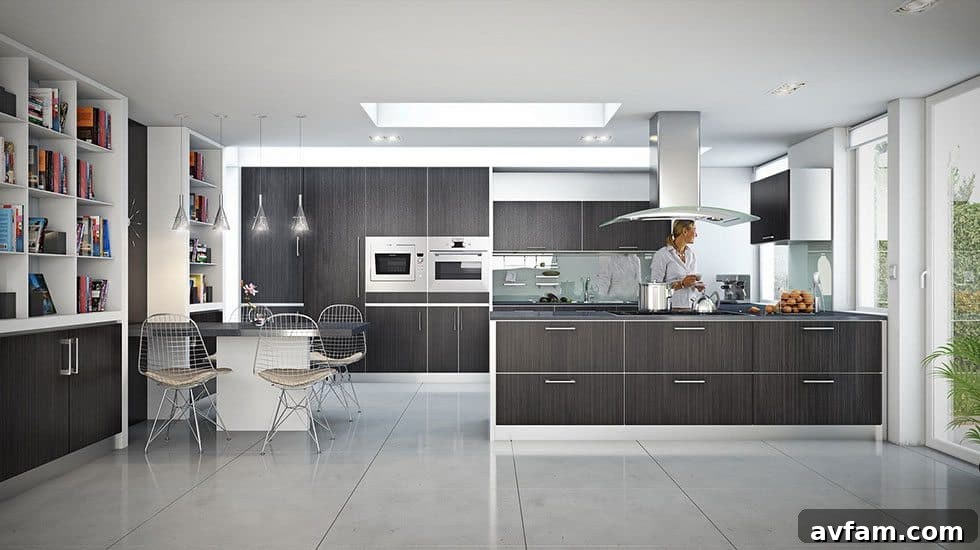
The “super kitchen” is more than just a place to prepare meals; it represents a paradigm shift in how we perceive and utilize this vital space. It’s a multifunctional hub that seamlessly blurs the lines between traditional culinary zones and other living areas within the home. This innovative concept integrates features, functions, and decorative elements typically associated with living rooms, dining rooms, or even home offices, transforming the kitchen into a versatile and truly central space for the entire household. Understanding these shifts is crucial for anyone looking to create a kitchen that is not only beautiful but also highly functional and perfectly aligned with the demands of modern living.
The study uncovered several pivotal takeaways, each offering a window into the prevailing sentiments and practical choices of homeowners undertaking kitchen renovations. These insights underscore a clear demand for spaces that are open, adaptable, stylish, and increasingly designed with professional guidance. Let’s explore these compelling trends in detail:
- The Kitchen: The Undisputed Hub of the Modern Home
The Houzz study unequivocally confirms what many homeowners intuitively feel: the kitchen is the true nucleus of the home. A significant majority of homeowners reported spending more than three hours per day in their kitchens, underscoring its pivotal role in daily life. Beyond the essential tasks of cooking and baking, the kitchen serves a multitude of purposes that foster family connection and social interaction. Top activities cited include eating and dining (69%), entertaining guests (49%), and simply socializing (43%). This data paints a vivid picture of a kitchen that is less a utilitarian space and more a vibrant living area, a place where memories are made, conversations flow, and daily life unfolds. Homeowners are increasingly seeking kitchens that can comfortably accommodate these diverse activities, demanding flexible layouts, comfortable seating, and an inviting atmosphere that encourages lingering. This evolution reinforces the idea that kitchen design must extend beyond mere aesthetics to encompass lifestyle and functionality. - Breaking Down Barriers: The Proliferation of Open Concept Kitchens
A major architectural shift highlighted by the study is the widespread desire to open up kitchen spaces to the rest of the home. Nearly half (48%) of renovating homeowners are actively making their kitchens more open to adjacent living areas, signaling a clear move away from enclosed, segregated layouts. Even more strikingly, 46% of renovated kitchens are completely open to other interior spaces, effectively integrating the kitchen into the broader living environment. This trend is driven by a desire for better flow, increased natural light, and enhanced social connectivity, allowing family members and guests to interact seamlessly between cooking, dining, and relaxation zones. Furthermore, a notable 18% of homeowners are extending this openness to the outdoors, creating a harmonious blend between indoor and al fresco living. This might involve large sliding glass doors, pass-through windows, or direct access to patios and decks, transforming the kitchen into a gateway for entertaining and enjoying nature. The open concept facilitates a more spacious feel, making homes appear larger and more inviting, and reflects a modern lifestyle that values shared experiences over formal separation. - Embracing Transformation: The Desire for a Fresh Kitchen Style
Renovating a kitchen often goes hand-in-hand with a desire for a complete stylistic overhaul. The study found that a resounding 76% of homeowners seize the opportunity to change the overall style of their kitchen during their renovation project. This indicates a clear intention to update aesthetics, modernize functionality, and create a space that truly reflects their current tastes and needs. The top styles dominating these transformations offer insight into contemporary design preferences: Transitional, Contemporary, and Modern. Transitional style, favored by 21% of homeowners, beautifully bridges the gap between traditional and contemporary design. It achieves a timeless elegance through a blend of classic elements and clean lines, offering versatility and broad appeal. Contemporary style, chosen by 19%, emphasizes sleekness, minimalism, and often incorporates innovative materials and cutting-edge technology, focusing on a current and evolving aesthetic. Modern style, preferred by 12%, shares some common ground with contemporary but often leans towards a more classic interpretation of clean lines and simple forms, frequently inspired by mid-century design principles. These style choices are not arbitrary; they reflect a conscious decision to create a kitchen that is not only visually appealing but also a functional extension of the homeowner’s personal style and lifestyle aspirations. - Beyond the Basics: Features Borrowed from Living and Dining Rooms
Further emphasizing the “super kitchen” concept, homeowners are increasingly incorporating features traditionally found in other rooms, transforming the kitchen into a truly integrated living space. This trend profoundly impacts how kitchens are designed and furnished. For instance, a quarter of homeowners (25%) are adding dedicated dining tables to their updated kitchens, signifying a shift towards more casual and central dining experiences. Elegant chandeliers, once reserved for formal dining rooms, are making their way into kitchens (23%), adding sophistication and a focal point beyond just task lighting. Entertainment is also a key consideration, with 14% of homeowners integrating TVs into their kitchen designs, allowing for passive entertainment or monitoring news and recipes while cooking. Functionality extends to productivity as well, with 7% adding desks or dedicated workspaces, reflecting the growing trend of remote work and the need for convenient spots for homework or household management. Furthermore, customized features that support entertaining and daily indulgences are gaining traction, including wine refrigerators (11%) for sophisticated beverage storage and built-in stations for coffee or tea (10%), offering a touch of luxury and convenience. These additions collectively transform the kitchen from a purely utilitarian space into a comfortable, multi-functional, and aesthetically rich environment capable of supporting a wide array of activities. - The Indispensable Role of Professional Expertise in Kitchen Renovation
Undertaking a kitchen renovation is a significant investment and a complex project, and homeowners overwhelmingly recognize the value of professional assistance. The Houzz study reveals that a remarkable 87% of homeowners enlist professional help for their kitchen renovation projects, underscoring the critical role experts play in ensuring successful outcomes. General contractors top the list of hired professionals at 54%, serving as the primary project managers who oversee the entire renovation process, from coordinating trades to managing timelines and budgets. Beyond general construction, specialized design professionals are highly sought after. Kitchen designers, with their deep expertise in layout, materials, and specialized kitchen functionality, are engaged by 27% of homeowners. Interior designers (14%) contribute their aesthetic vision, ensuring that the kitchen seamlessly integrates with the overall home décor and reflects the homeowner’s style. Architects (11%) are typically brought in for more extensive renovations involving structural changes or a complete reconfiguration of the space, ensuring structural integrity and optimal flow. This high reliance on professionals highlights the complexity of modern kitchen design, the desire for high-quality results, and the understanding that expert guidance can prevent costly mistakes and deliver a superior finished product that truly enhances the home’s value and livability.
The insights from the Houzz 2016 U.S. Kitchen Trends Study provide an invaluable snapshot of a rapidly evolving space. It’s clear that kitchens are no longer just for cooking; they are sophisticated, multi-functional living areas, blurring the lines between different rooms and becoming the true epicenter of daily life and entertainment. These trends emphasize a desire for openness, personalized style, enhanced functionality, and the essential role of professional expertise in bringing these visions to life.
Staying abreast of these dynamic shifts in home design is crucial for everyone in the industry. As we continue to witness innovation and transformation, platforms like the upcoming K/BIS (Kitchen & Bath Industry Show) and IBS (International Builders’ Show) offer unparalleled opportunities to explore the latest products, technologies, and design philosophies shaping the future of our homes. We look forward to bringing you more comprehensive coverage and groundbreaking insights from these premier events, further exploring the exciting trajectory of kitchen and home design in the years to come.