
The Ultimate Guide to Solar Pond Filter Pumps: An Eco-Friendly Solution for Your Garden Oasis
Transforming your garden with a pond introduces a unique sense of tranquility. The gentle sound of moving water and the sight of crystal-clear conditions where fish can thrive create a stunning natural centerpiece. For many pond enthusiasts, harnessing the power of the sun is the next logical step. A solar pond filter pump offers an eco-friendly, cost-effective way to maintain a healthy and beautiful water feature.
While the concept of a solar-powered system seems straightforward, it’s essential to understand its capabilities, limitations, and how it functions in a real-world garden environment. This comprehensive guide will walk you through everything you need to know before you decide to go fully solar for your pond.
What is a Solar Pond Filter Pump System?
Breaking Down the Components of a Solar-Powered System
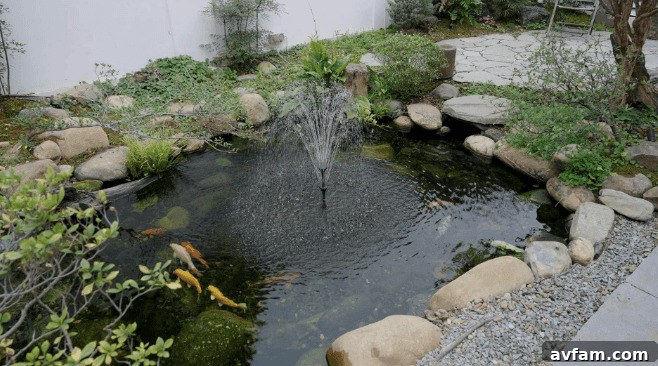
A solar pond filter pump is an all-in-one water circulation and filtration system powered entirely by sunlight. Instead of plugging into a wall outlet, it uses a dedicated solar panel to generate the electricity needed to run the pump. A complete system typically consists of three main components:
- A Solar Panel: This is the powerhouse of the system. It captures photovoltaic energy from the sun and converts it into direct current (DC) electricity to power the pump. The size and wattage of the panel determine the pump’s overall power.
- A DC Water Pump: This submersible pump is specifically designed to run on low-voltage DC power. It draws water from the pond and pushes it through the filtration system. These pumps are known for their high energy efficiency.
- A Filter Box with Media: This is where the magic of cleaning happens. Water pushed by the pump enters a chamber containing various filter media. This media performs both mechanical and biological filtration to remove debris and harmful toxins.
The principle is beautifully simple: the solar panel captures sunlight, which runs the pump. The pump pulls in dirty pond water, sends it through the filter box for cleaning, and then returns fresh, oxygenated water to the pond. Some advanced kits also include a battery to store excess energy, allowing the system to operate on cloudy days or after sunset.
How Does a Solar Pond Pump and Filter Actually Work?
The effectiveness of a solar pond pump and filter system is directly tied to the availability and intensity of sunlight. The brighter the sun shines, the more power the panel generates, and the stronger the water flow. The process of filtration is continuous throughout the day.
First, water is drawn into the submersible pump from the pond. From there, it is pushed through a hose into the filter chamber. Inside the filter, a multi-stage cleaning process begins:
- Mechanical Filtration: The water first passes through filter pads or sponges. These materials act as a physical barrier, trapping solid particles like leaves, fish waste, and uneaten food. This step is crucial for achieving water clarity.
- Biological Filtration: After the initial screening, the water flows over bio-media. This can include bio-balls, ceramic rings, or lava rock. These materials have a vast surface area designed to cultivate colonies of beneficial bacteria. These microscopic organisms are essential for a healthy pond ecosystem, as they break down invisible but harmful toxins like ammonia and nitrites, converting them into less harmful nitrates.
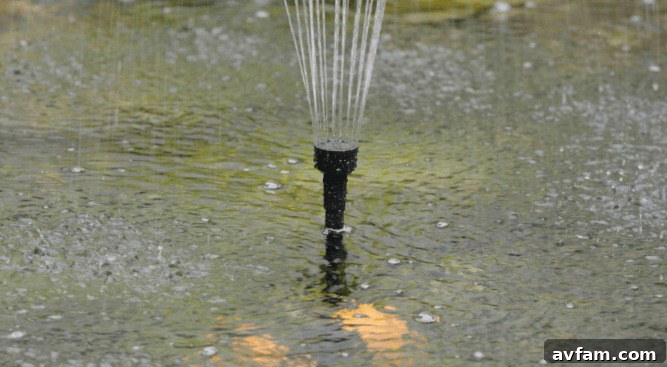
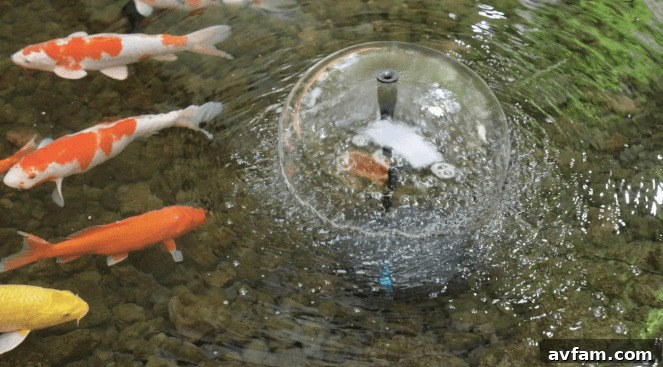
Finally, the clean and detoxified water is returned to the pond, often via a small waterfall or fountain feature, which helps to aerate the water. This entire cycle is naturally regulated by the sun. You will notice the flow rate decrease as clouds pass overhead and stop entirely at night unless your system has a battery backup. This fluctuation is a normal characteristic of any solar powered fountain pump.
Key Considerations Before Choosing a Solar System
Understanding Solar Power Limitations
While free and environmentally friendly, solar power is inherently variable. Its performance depends on weather, time of day, and season. Sunlight is weakest in the early morning and late evening, meaning the pump will run at a lower capacity during these times. Overcast or rainy days can significantly reduce or even halt operation. Similarly, the shorter, weaker sunlight of winter days means the pump will run for fewer hours and with less force. If your pond requires constant, powerful circulation 24/7, such as a heavily stocked koi pond, a purely solar solution may not be sufficient.
Sunlight Requirements and Optimal Panel Placement
The placement of your solar panel is the single most important factor for success. To maximize energy generation, the panel must receive several hours of direct, unobstructed sunlight each day. Position it in a location free from shadows cast by trees, fences, your house, or other garden structures. You should also regularly clean the panel’s surface. A layer of dust, pollen, or bird droppings can act as a barrier, drastically reducing its efficiency.
Battery Backup vs. Direct Solar Operation
Solar pond pump systems come in two main configurations: direct solar and battery-backed.
- Direct Solar Systems: These are the simplest and most affordable option. The pump runs only when the sun is actively shining on the panel. They are perfect for small decorative water features or wildlife ponds where constant circulation is not critical.
- Battery Backup Systems: These kits include a rechargeable battery that stores excess energy generated during peak sunlight hours. This stored power allows the pump to continue running during cloudy spells or for a few hours after sunset, providing more consistent filtration and aeration. For ponds with fish, a battery backup system is highly recommended to ensure water quality remains stable.
Seasonal Performance and Expectations
It’s crucial to have realistic expectations about seasonal performance. Your solar system will perform at its peak during the long, sunny days of summer. As autumn and winter approach, the angle of the sun and the number of daylight hours decrease, leading to reduced performance. In regions with cold winters, many pond owners disconnect their pumps to prevent damage from freezing temperatures. It’s important to align your expectations with these natural solar cycles.
How to Choose the Right Solar Pond Filter Pump
Matching Pump Flow Rate (GPH) to Your Pond’s Size
The most critical specification for any pump is its flow rate, measured in Gallons Per Hour (GPH). This number tells you how much water the pump can move in one hour. A general rule for a healthy pond is to circulate the entire volume of water at least once every one to two hours.
To find the right pump, first calculate your pond’s volume in gallons (Length in feet x Width in feet x Average Depth in feet x 7.5).
- For a 200-gallon pond, you would need a pump with a flow rate of at least 100-200 GPH.
- For a 500-gallon pond, look for a pump rated between 250-500 GPH.
Choosing a pump that is too small will result in poor filtration and cloudy, unhealthy water. Conversely, a pump that is excessively powerful for a small pond can create too much turbulence and water loss from splashing. Brands like Poposoap offer a range of solar panel pump fountain kits in various sizes to match different pond volumes.
Understanding Head Height, Hose Length, and Flow Loss
Head Height (or Max Lift) is the maximum vertical distance a pump can push water. If you plan to create a waterfall or power a fountain, this is a vital specification. It’s important to note that the flow rate (GPH) dramatically decreases as you approach the maximum head height. For example, a pump rated at 500 GPH with a max head of 6 feet might only produce 250 GPH when lifting water 3 feet. Always choose a pump with a max head well above your desired waterfall height. Additionally, the length and diameter of the hose will create friction, further reducing flow. Use the shortest, widest hose possible for optimal performance.
Assessing Filtration Quality: Mechanical and Biological
Effective filtration is a two-part process. Mechanical filtration removes visible debris, while biological filtration eliminates invisible toxins. A good filter box will have ample room for both types of media. For ponds with fish, robust biological filtration is non-negotiable, as fish waste produces ammonia, which is toxic. Ensure the filter system you choose is appropriately sized for your pond’s volume and its inhabitants (the “bio-load”).
Pros and Cons of Solar Pond Pump and Filter Systems
The Compelling Benefits of Going Solar
- Zero Electricity Costs: The sun’s energy is free, eliminating any impact on your utility bills.
- Eco-Friendly: Solar power is a clean, renewable energy source with no carbon footprint.
- Simple Installation: With no need for electricians or digging trenches to bury electrical cords, setup is fast, safe, and easy.
- Placement Flexibility: You can place your pond anywhere in your garden, even far from an electrical outlet.
- Quiet and Safe Operation: Low-voltage DC pumps are exceptionally quiet and safer to operate in and around water.
Common Limitations and Realistic Trade-Offs
- Sunlight Dependent: Performance is directly tied to weather and sunlight conditions.
- Inconsistent Flow: The water flow will fluctuate throughout the day and stop at night (unless a battery is used).
- Reduced Winter Performance: The system will be far less effective during the shorter, cloudier days of winter.
- Not Ideal for Large or Heavy-Stocked Ponds: Ponds requiring powerful, continuous 24/7 filtration may need a more robust traditional electric system.
Is a Solar Pond Filter Right for You?
Solar pond filter pumps are an excellent choice for a wide range of applications, including:
- Small to medium-sized backyard ponds (up to ~800 gallons)
- Decorative water gardens and features
- Wildlife ponds designed to attract birds and beneficial insects
- Ponds with a small number of fish, like goldfish
For large, deep koi ponds with a heavy fish load, a traditional AC-powered pump or a hybrid system (using solar as a supplement) often makes more sense to guarantee the consistent, high-volume filtration these environments demand.
Why Integrated Systems Like Poposoap Are a Smart Choice
One of the biggest challenges in a DIY system is correctly matching the solar panel’s power output to the pump’s requirements and the filter’s capacity. An imbalanced system will perform poorly. The Poposoap Solar Pond Filter series solves this by offering complete, pre-matched kits.
With an integrated system, you can be confident that the solar panel is properly sized to run the pump efficiently and that the filter box can handle the pump’s flow rate. This user-friendly, all-in-one approach simplifies setup and ensures reliable performance right out of the box, allowing you to enjoy a beautiful, healthy, and sustainable pond with minimal fuss.