
The moment a solid wood table enters a room, it transforms the space. You immediately notice its intricate grain, the comforting weight, and the meticulous craftsmanship embedded within its very core. Such furniture pieces are more than mere objects; they are storytellers, each knot and imperfection hinting at a rich past.
This enduring quality ensures that classic, well-made furniture remains perfectly relevant in today’s modern homes. Individuals drawn to the exquisite work of artisans, much like those who appreciate Parkman Woodworks, often seek a delicate balance: the inherent warmth and character of natural wood blended seamlessly with the clean lines and minimalist aesthetic of contemporary design. They desire pieces imbued with history and soul, yet also crave living spaces that feel uncluttered, serene, and effortlessly functional.
Establishing a Focal Point: Start With One Commanding Piece
In modern interior design, a sense of intentionality and balance is paramount. Homes typically achieve a more cohesive and sophisticated look when a single, strong piece of furniture acts as the room’s central anchor. This could be a grand dining table around which family gatherings unfold, a stately desk inspiring productivity, or a beautifully crafted low bookshelf that invites quiet contemplation. By designating a clear center, the room gains immediate structure, allowing the surrounding elements to remain calm, complementary, and understated.
Heirloom furniture, by its very nature, already possesses an undeniable presence. Its age, unique wood tone, distinctive shape, or seasoned finish often allows it to stand out effortlessly, requiring little additional embellishment. When one significant piece leads the room, the overall ambiance feels thoughtfully curated and inviting, rather than haphazard or overcrowded. This principle extends beyond aesthetics, influencing the practical flow of a space. Much like the careful planning involved in implementing clever storage solutions for small spaces, where every item must justify its existence, each larger piece of furniture in your home should earn its prominent position through both form and function.
Strategic placement further amplifies the impact of your chosen heirloom. In open-concept living environments, consider positioning the piece where people naturally gravitate, pause, or gather. This might be at the heart of the dining area, creating an inviting space for meals and conversation; in an entryway, making a memorable first impression; or within a cozy reading corner, defining a zone of relaxation. Thoughtful positioning ensures the piece enhances both the visual appeal and the practical usability of your home.
Selecting the Ideal Starting Piece for Your Modern Home
A truly effective anchor piece does more than merely look attractive; it must also actively support the daily activities and overall functionality of the room. This practical approach ensures that your design choices remain both beautiful and incredibly liveable, fostering a home that truly serves its inhabitants.
To guide your selection, consider these smart options as potential starting points:
- A distinguished dining table: This serves as the undisputed anchor for family meals, homework sessions, and lively weekend entertaining, becoming a hub for shared experiences and memories.
- A classic wooden desk: Infuse warmth and character into a typically minimalist home office setup, transforming it into an inspiring and productive workspace.
- An aged bookcase: Beyond offering essential storage for books and decorative objects, it adds rich visual texture and a sense of cultivated history to any living area.
- A characterful console table: Instantly elevates the aesthetic of an entryway or hallway, providing a practical surface for keys and mail while injecting personality into transitional spaces.
If a piece simultaneously enhances both the function and style of your room, it unequivocally deserves its space. However, if its primary contribution is solely sentimental, it might be better suited for a less central location or perhaps another room where its emotional value can be cherished without compromising the room’s overall flow and utility. The goal is a harmonious blend of heritage and everyday practicality.
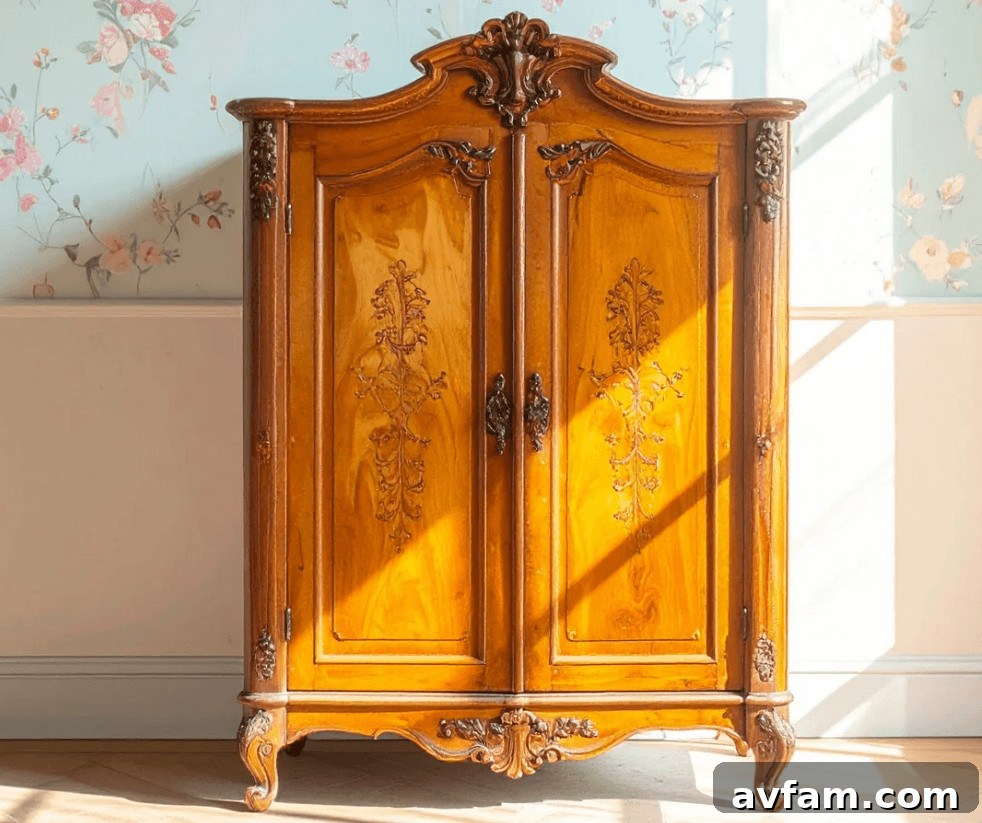
Photo by Dmitry Zvolskiy
Harmonious Blends: Pairing Old Wood With Clean Modern Finishes
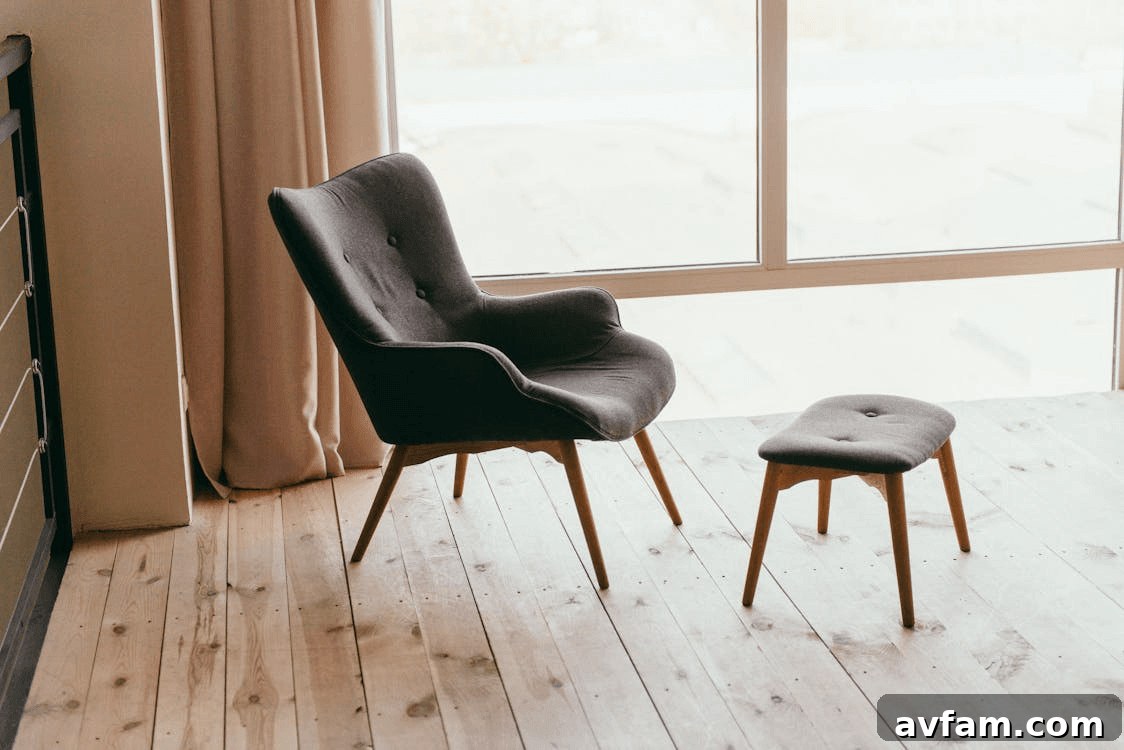
Integrating heirloom furniture into modern rooms achieves its most captivating effect when the interplay between old and new creates a sense of serene contrast. The rich, deep hues and inherent texture of aged wood truly sing when juxtaposed against simple, understated fabrics, thoughtfully quiet lighting, and the crisp, uncluttered lines characteristic of contemporary design. This thoughtful blend allows the room to retain a profound sense of warmth and history without ever feeling heavy, dated, or visually overwhelming. It’s about creating a dialogue between eras, where each element enhances the other.
The simplest yet most effective pairing involves combining the gravitas of old wood with streamlined, modern forms. Imagine a sturdy, venerable dining table surrounded by sleek, unadorned dining chairs; the contrast highlights both the craftsmanship of the table and the simplicity of its companions. A vintage wooden chest can find its perfect counterpart beneath a clean-lined, frameless mirror, creating a focal point that is both functional and aesthetically balanced. Similarly, a bookshelf bearing the marks of time can stand proudly against smooth, minimalist walls, proving that pieces with significant age can feel utterly current and relevant in a contemporary setting. The key lies in creating enough visual breathing room for the heirloom to shine.
Materiality plays a crucial role in weaving the entire room together. Natural wood possesses an inherent versatility that allows it to harmonise beautifully with a range of modern materials such as cool steel, tactile linen, grounding stone, and reflective glass. These combinations feel inherently grounded, authentic, and effortlessly chic. This is precisely why custom-made furniture often integrates more seamlessly into a well-designed home than rapidly trending pieces. Bespoke items can be tailored to match the specific scale, finish, and existing material palette of the home, ensuring a perfect, timeless fit rather than a fleeting trend.
Curated Material Combinations That Elevate Any Space
Certain material combinations possess an innate ability to bring immediate balance and sophistication to a room. These pairings ensure that your cherished wooden heirloom feels like a treasured element of the present, rather than an artifact from a bygone era. Simultaneously, they contribute to making modern homes feel more inviting, personal, and imbued with character.
Consider experimenting with these tried-and-true options for a truly balanced aesthetic:
- Dark walnut with matte black steel and soft white walls: This creates a sophisticated and grounded aesthetic, where the deep richness of the wood is perfectly complemented by the industrial edge of matte black, all softened by a pristine, airy backdrop.
- White oak with warm gray fabric and brushed brass accents: A brighter, more Scandinavian-inspired approach. The light, natural tones of white oak blend beautifully with the subtle elegance of warm gray, while brushed brass adds a touch of understated luxury and sparkle.
- Reclaimed wood with stone counters and woven rugs: Embrace an organic, earthy feel. The raw beauty of reclaimed wood pairs exquisitely with the natural texture of stone and the artisanal charm of woven rugs, creating a space rich in texture and authenticity.
- Medium brown wood with cream upholstery and simple black lighting: A classic and versatile combination. The inviting warmth of medium brown wood is accentuated by soft cream fabrics, while crisp black lighting fixtures provide a contemporary contrast without overpowering the natural elements.
These thoughtful pairings contribute to a room that feels clear, uncluttered, and inherently relaxed. The heirloom furniture proudly maintains its age and inherent story, while the overall space retains a fresh, contemporary, and incredibly appealing ambiance.
Consideration of Space: Watch Scale, Light, And How People Move
Even the most exquisite piece of heirloom furniture can feel out of place if its size and proportion are not carefully considered within the context of the room. Many vintage and antique items tend to be deeper, taller, or generally more substantial than their modern counterparts. Before committing to bringing an heirloom into your home, it is absolutely essential to meticulously check measurements: ensure there are adequate walkways, that doors can open and close freely, and that there is comfortable space for chairs to be pulled out and used without obstruction.
This preliminary step becomes even more critical in contemporary homes where rooms often serve multiple functions. A dining area, for instance, might also double as a workspace, a spot for children’s homework, or an additional seating zone. Homes that function effectively and gracefully over time consistently respect this inherent overlap of activities. This careful consideration of layout and function is also precisely why initiatives like revamping a living space on a budget often prioritize layout and flow before any decorative elements are introduced. Understanding how people move through and interact with a space is fundamental to good design.
Light, both natural and artificial, significantly alters how older wood appears and feels within a room. Darker wood finishes, in particular, can absorb considerable amounts of brightness, especially in rooms with smaller windows or limited natural light. To counteract this and prevent the space from feeling dim or confined, consider incorporating lighter-colored rugs, introducing soft, airy fabrics for curtains or upholstery, and opting for slim, minimalist lighting fixtures. These elements work in concert to help the room feel open, expansive, and welcoming once more.
The strategic placement of wood furniture also has a direct impact on its long-term preservation and wear. It is prudent to keep valuable heirloom pieces away from direct heat vents, areas exposed to harsh, prolonged sunlight, and locations prone to sharp fluctuations in humidity. Wood is a natural material that actively responds to moisture levels in the air, which can lead to swelling, shrinking, or even cracking over time. The USDA Forest Products Laboratory’s comprehensive Wood Handbook provides invaluable insights into these properties. Moreover, maintaining steady indoor humidity levels, ideally between 35-55%, is a crucial factor in helping wood furniture remain stable, preserving its integrity and beauty for generations.
Essential Checks Before Final Furniture Placement
A few moments spent on a quick pre-placement check can save you a great deal of trouble and potential damage in the long run. It also ensures that you protect both the inherent value of your heirloom furniture and the comfortable, functional flow of your room. Keep these critical points in mind before making any final decisions about placement:
- Measure precisely: Always measure both the room’s dimensions and the furniture piece itself thoroughly before attempting to move anything inside. Account for door frames, tight corners, and stairwells if applicable.
- Ensure ample clearance: Leave generous space for walking paths around the piece, and sufficient room for chairs to be comfortably pulled out from dining tables or desks without hitting walls or other furniture.
- Monitor sun exposure: Observe where the sun’s rays hit throughout the day. Direct, prolonged sunlight can fade finishes and dry out wood, causing damage over time. Consider UV-blocking window treatments if necessary.
- Avoid environmental extremes: Position wood furniture away from heat vents, radiators, fireplaces, and damp corners. These areas can cause extreme temperature and humidity fluctuations that are detrimental to wood.
Adhering to these guidelines does not mean heirloom furniture requires constant worry or excessive fuss. Rather, it simply ensures that each piece is afforded a spot that supports both its practical daily use and its long-term preservation, allowing it to be cherished for many years to come.
Embracing Character: Preserve the Patina, Simplify the Surroundings
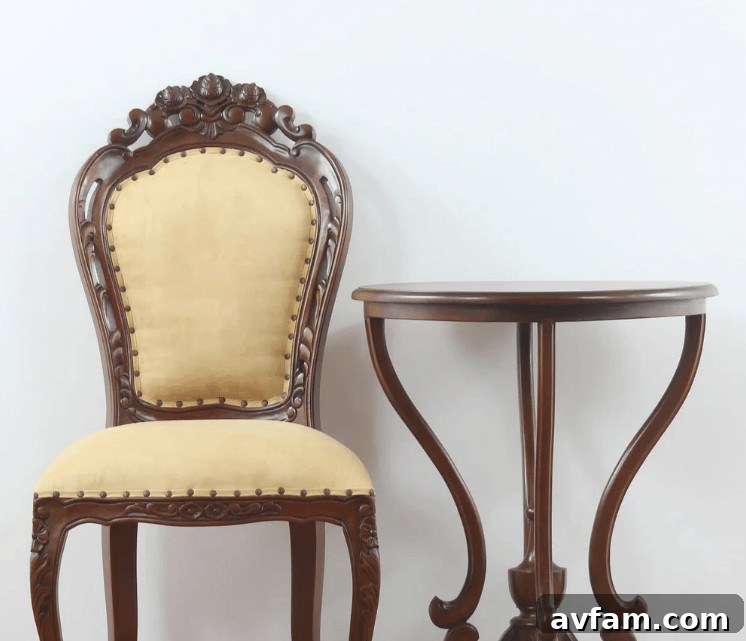
A common pitfall many homeowners encounter when incorporating vintage or antique furniture is the desire to make old pieces look brand new. This approach, while well-intentioned, often strips away the very charm, history, and unique character that initially drew them to the item. The small marks, the gently softened corners, and the subtle changes in finish over time are not flaws; they are the authentic storytellers, each bearing witness to a life well-lived and memories created. This natural patina is an invaluable asset, not something to be erased.
A far more effective and respectful strategy is to focus on keeping what still feels structurally sound and eminently useful within the heirloom piece itself. Then, turn your attention to elegantly simplifying and refreshing the room around it. A fresh coat of paint in a neutral shade, the addition of plain, flowing curtains, or an update to simple, contemporary hardware on nearby cabinetry can dramatically help an older, characterful piece feel perfectly at home and entirely relevant in a modern setting. This approach creates a clean, intentional backdrop against which the rich texture and history of the heirloom can truly shine.
This delicate balance is key to preventing the room from feeling overly busy or visually chaotic. If every single item in a space possesses significant age, intricate details, and a strong visual presence, the overall effect can be overwhelming and heavy. By providing a few clean, uncluttered surfaces and contemporary elements, you create necessary visual breathing room. This strategic contrast allows the heirloom piece to stand out in the most desirable way, showcasing its unique beauty without demanding all the attention in the room.
Navigating the Refresh: What to Revitalize and What to Respect
Understanding where to draw the line in the restoration or refresh process is crucial. The goal is to make the piece feel cared for, loved, and functional, not to strip it of its inherent character and soul. A gentle, considered approach typically yields the most rewarding results.
Use this guide to inform your decisions:
- Preserve original details: Keep any original hardware, carvings, or unique features that remain sturdy and structurally sound. These elements contribute significantly to the piece’s historical authenticity and charm.
- Prioritize structural integrity: Repair loose joints, address rough or sticking drawers, or stabilize any unstable tops or legs. Ensuring the piece is safe and functional respects its heritage and makes it practical for daily use.
- Update the environment first: Before making irreversible changes to the furniture itself, consider refreshing the surrounding decor. New paint, lighting, or textiles can often transform how an heirloom piece is perceived without altering its original state.
- Know when to stop: Once the piece feels settled, secure, and actively useful within its new environment, resist the urge to do more. Over-refinishing or over-restoring can detract from its unique story and value.
The American Hardwood Information Center offers helpful care tips for hardwood furniture, advocating for steady indoor conditions and gentle, consistent upkeep. Their guidance reinforces the philosophy of respecting the material and its history.
Conscious Living: Build The Room Around Daily Use
The most successful integrations of heirloom furniture are those where the pieces continue to serve a vital purpose in daily life. A well-loved dining table should not merely be an ornament; it should be the bustling center for family meals, creative projects, and heartfelt conversations. A sturdy wooden bookcase should not just display untouched artifacts; it should actively hold an evolving collection of books, practical storage baskets, and frequently used items, reflecting the true life of its occupants.
Adopting this functionality-first mindset is powerful. It prevents a room from feeling artificial, stiff, or “staged” like a showroom. Instead, it cultivates a living space that feels authentic, comfortable, and truly lived-in. This approach also empowers homeowners to make more informed and thoughtful choices about layout, furniture arrangement, and storage solutions. When furniture is deeply integrated into daily life, it retains and even enhances its value, both sentimental and practical, over time.
If a particular heirloom piece feels excessively formal or unapproachable within your modern setting, the problem may not lie with the furniture itself, but rather with the surrounding elements of the room. Try experimenting: swap out a heavy, traditional rug for a lighter, more contemporary one; replace ornate dining chairs with simpler, sleeker designs; or remove small, superfluous decorative items that contribute to visual clutter. Often, the heirloom furniture will integrate beautifully and feel perfectly at ease once the overall setting feels lighter, fresher, and more approachable.
Ultimately, a modern home does not have to choose between the comforting warmth of tradition and the elegant simplicity of contemporary design. By thoughtfully selecting and strategically placing just one well-chosen heirloom piece, a room can effortlessly gain profound depth, unparalleled comfort, and a rich narrative that enhances daily living for years to come. It’s about blending the best of both worlds to create truly timeless interiors.