

Welcome to the inaugural installment of our exclusive Window Wisdom series, proudly sponsored by Marvin Windows and Doors. In this comprehensive three-part journey, we will delve deep into the multifaceted world of windows, exploring everything from their fundamental importance to advanced buying guides and essential maintenance tips. Often overlooked in their daily function, windows are, in fact, pivotal elements of any living space, serving far beyond mere aesthetic appeal.
From allowing natural light to flood our homes, warming interiors, and providing captivating views that connect us with the outside world, to their critical role in a home’s energy efficiency, windows are truly indispensable. They bridge the gap between shelter and experience, influencing our comfort, mood, and even our utility bills.
To kick off this enlightening series, we’re focusing on a crucial first step: conducting a thorough energy audit of your existing windows. This detailed assessment will equip you with the knowledge to evaluate their current condition, helping you determine whether a simple repair suffices or if it’s time to consider a full replacement to optimize your home’s performance. In the coming weeks, we’ll follow up with an exhaustive window buying guide, designed to navigate you through the myriad of options available, and conclude the series with expert advice on how to effectively clean and maintain your windows for lasting beauty and functionality.
The Unsung Heroes of Your Home: Why Windows Matter
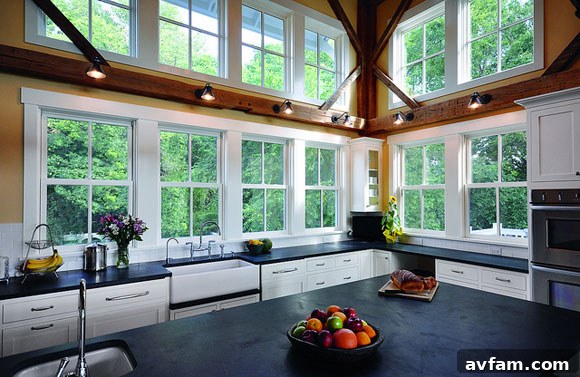
Imagine a world without windows – a stark, dark, and often claustrophobic existence, akin to the most confined urban dwellings. Windows transcend their basic function of light transmission, evolving into sophisticated design elements that literally frame the architectural character of your home, both inside and out. They are fundamental to a home’s aesthetic, contributing significantly to its curb appeal and interior ambiance, transforming a mere structure into a vibrant living space.
Beyond their pivotal role in design and aesthetics, windows must also meet rigorous functional demands. They are constantly subjected to wear and tear, from daily opening and closing to the relentless onslaught of extreme weather conditions. This continuous exposure pushes windows to their limits, highlighting the critical need for durability, robust construction, and superior energy performance. A well-functioning window isn’t just about good looks; it’s about maintaining a comfortable indoor environment, reducing energy consumption, and protecting your home from the elements.
Ignoring the condition of your windows can lead to significant energy waste, uncomfortable drafts, noise pollution, and even structural damage over time. That’s why understanding their current state and energy efficiency is paramount.
The Essential Home Window Energy Audit: Uncovering Hidden Inefficiencies
Performing a comprehensive window energy audit doesn’t require specialized tools or extensive expertise. With a few simple yet effective tests, you can accurately assess your windows’ health and identify potential issues that might be costing you money and comfort. Let’s walk through these vital steps.
1. The Visual Inspection: Look Closely, Inside and Out
Begin your audit with a thorough visual inspection of all your windows, both from the interior and exterior of your home. Pay close attention to the following indicators:
- Exterior Frame and Casing: Examine the paint or finish around the exterior window frames. Are there any visible cracks, peeling, or chipping? Such damage can indicate a compromised seal, allowing moisture penetration and air infiltration. Cracks in the wall around the window should also raise a red flag, as they can lead to severe water damage and structural issues if left unaddressed.
- Window Panes and Seals: Look for condensation or fogging *between* the glass panes. This is a tell-tale sign that the insulated gas seal has failed, significantly reducing the window’s energy efficiency. Inspect the caulking and weatherstripping around the edges of the glass and where the frame meets the wall. Is it cracked, brittle, or missing?
- Interior Frame and Sashes: Check for signs of moisture, mold, or rot on the interior wood or vinyl frames. Are the sashes (the movable parts of the window) sticky or difficult to operate? Do they close and lock securely? Gaps or loose sashes indicate poor sealing and potential energy loss. Fading carpets or furniture near windows can also signal excessive UV penetration due to inadequate glass coatings.
2. The Draft Test: Watching the Flame Reveal Air Leaks
This classic, simple test is remarkably effective for detecting subtle air leaks.
- Method: On a day when there’s a noticeable temperature difference between inside and outside, or when the wind is blowing, light a candle, incense stick, or a small piece of paper attached to a string.
- Execution: Hold the flame or smoke approximately 2-3 inches from the edge of a closed interior window. Slowly move it around the entire perimeter of the window, including the sash, frame, and where the frame meets the wall.
- Interpretation: If you observe the flame flickering, the smoke wavering, or the string moving at a particular spot, you’ve identified a draft. This indicates air infiltration or exfiltration, meaning conditioned air is escaping, and unconditioned air is entering your home, leading to higher energy bills and reduced comfort. This often points to issues with weatherstripping, seals, or cracks in the frame.
3. The Temperature Test: Hot or Cold Spots
Your sense of touch can be a valuable diagnostic tool for thermal efficiency.
- Method: On a particularly hot summer day or a cold winter day, place your hand near the inside surface of your window, especially around the edges of the glass and the frame.
- Execution: Feel for distinct warm spots (in winter) or cool spots (in summer).
- Interpretation: A significant difference in temperature between the window surface and the ambient room temperature is a clear sign of poor insulation or a thermal leak. While minor temperature differences are normal for glass, pronounced hot or cold spots indicate that heat is readily escaping or entering your home. This could be due to inadequate glazing, compromised seals, or issues with the window’s installation. Many times, minor issues can be rectified by repairing or replacing weatherstripping and caulk. However, persistent or widespread temperature variations could signal a more serious problem, such as cracks within the window casement or frame structure, warranting professional evaluation.
4. The Physical Frame Test: Marvin’s Screwdriver Tap Method
Marvin, a leader in window innovation, offers a simple yet effective test to assess the integrity of your window frames, particularly for older wood windows prone to decay.
- Method: Carefully tap the frame of your window with the flat blade of a screwdriver or another blunt, non-damaging tool.
- Execution: Apply gentle but firm pressure.
- Interpretation: If the end of the screwdriver can be pushed easily into the wood, it’s a strong indicator of wood decay or rot beneath the surface. This type of damage severely compromises the structural integrity of the window and its ability to seal effectively. When decay is widespread, a full-frame window replacement might be the most practical and cost-effective solution in the long run, as it addresses the core structural issue rather than just superficial damage.
- Note: Always use a flat-blade screwdriver or a blunt tool and exercise caution to avoid causing unnecessary damage to the window frame during this test.
5. The Weather Resilience Check: Living in Extreme Climates
Your geographical location and prevailing climate play a significant role in the lifespan and performance of your windows.
- Frequent Checks for Harsh Climates: If you reside in an area prone to extreme cold, intense heat, or excessive wetness, your windows are under constant assault. Such conditions accelerate wear and tear, necessitating more frequent inspections than for those in moderate climates.
- Water Damage: Moisture is a primary culprit in window failure. Continuous exposure to rain, snow, and humidity can lead to seal degradation, wood rot, and mold growth, undermining both the structural integrity and energy efficiency of your windows.
- Thermal Stress: Drastic fluctuations between hot and cold weather cause window frames to expand and contract repeatedly. This constant movement can stress materials, leading to cracks, gaps, and eventually, seal failure. Over time, powerful UV rays from direct sunlight can also degrade untreated or damaged wood, vinyl, and sealants, causing further deterioration.
- Impact Resistance for Storm-Prone Areas: For homeowners in hurricane or tornado-prone regions, upgrading to impact-resistant products, such as the advanced Marvin StormPlus windows, is not just an upgrade but a crucial safety investment. These windows are engineered to withstand extreme weather events, offering enhanced protection for your home and family, and potentially reducing insurance premiums.
Interpreting Your Audit Results: Repair or Replace?
Once you’ve completed your window audit, you’ll have a clearer picture of your windows’ condition. The next step is deciding on the best course of action.
- Minor Repairs: If your audit revealed small drafts (fixable with new weatherstripping or caulk), cosmetic issues (peeling paint), or easily remedied operational problems (minor adjustments to hardware), a repair might be sufficient. These can often be DIY projects or require minimal professional intervention.
- Considering Replacement: However, if you’ve identified multiple serious issues – such as extensive wood rot, widespread seal failure leading to condensation between panes, significant drafts that new weatherstripping won’t resolve, warped frames, or severely outdated single-pane glass – it’s likely time to consider replacement. While the initial cost of new windows can be substantial, the long-term benefits in terms of energy savings, increased comfort, enhanced home value, and reduced maintenance often make it a wise investment. Modern windows boast dramatic advancements in energy-saving features, far surpassing the capabilities of older models.
The Benefits of Upgrading Your Windows
Investing in new, energy-efficient windows offers a multitude of advantages that extend beyond mere aesthetics:
- Significant Energy Savings: High-performance windows, featuring advanced glazing, low-emissivity (Low-E) coatings, and insulated frames, can drastically reduce heat loss in winter and heat gain in summer. This translates directly to lower heating and cooling bills, putting cash back into your pocket.
- Enhanced Home Comfort: Say goodbye to cold drafts in winter and hot spots in summer. New windows create a more consistent and comfortable indoor temperature, making every room in your home enjoyable.
- Increased Property Value: Upgraded windows are a major selling point. They improve a home’s curb appeal, energy efficiency rating, and overall market value.
- Improved Aesthetics and Design: Beyond functionality, new windows allow you to refresh your home’s appearance, choose new styles, colors, and materials that perfectly match your architectural vision and personal taste.
- Noise Reduction: Multi-pane, well-sealed windows significantly reduce external noise pollution, creating a quieter and more peaceful indoor environment.
- UV Protection: Modern glazing options can block up to 95% of harmful UV rays, protecting your furniture, flooring, and artwork from fading and degradation.
- Potential Tax Credits and Rebates: Many regions and governments offer incentives, such as tax credits or rebates, for homeowners who install ENERGY STAR® certified windows, further offsetting the initial investment.
Looking Ahead: Your Window Journey Continues
If your window audit has revealed that your existing windows are past their prime, or if you’re simply looking to refresh your home’s design and enhance its energy efficiency, you’re in an excellent position to explore the exciting world of modern window technology. Window construction and material science have advanced dramatically in recent years, offering an array of new energy-saving features that will not only reduce your utility expenses but can also qualify you for valuable tax credits.
Join us next week for Part II of our Window Wisdom series: an indispensable window buying guide. We will explore various styles, materials, glazing options, and performance ratings to help you select the perfect windows that cater to your specific needs, aesthetic preferences, and budget. Until then, good luck with your window audit – it’s the first step towards a more comfortable, energy-efficient, and beautiful home!
Explore the Full Window Wisdom Series:
Part I: Perform a Window Audit (You are here!)
Part II: Window Buying Guide
Part III: Cleaning & Caring for Windows