
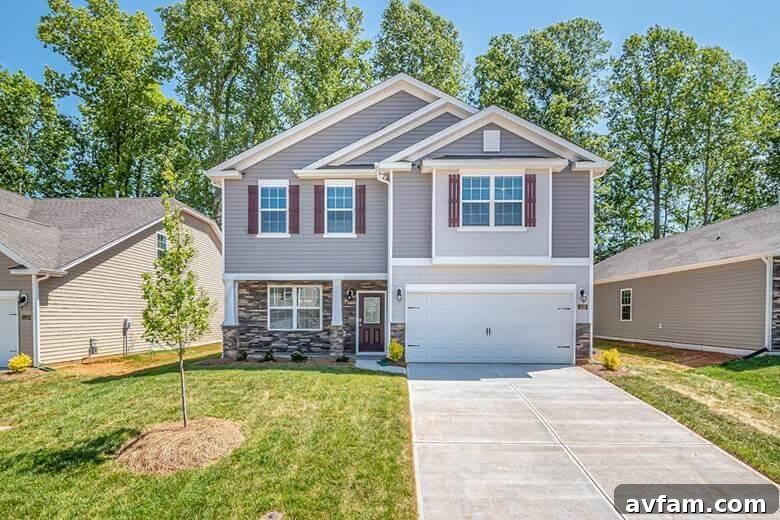
In the realm of contemporary home design, a truly striking exterior possesses an undeniable sense of calm and intentionality. It’s an aesthetic that immediately resonates, characterized by surfaces that flow seamlessly and architectural lines that guide the eye with understated elegance. This modern approach to exterior design prioritizes a harmonious order, not through extravagant flourishes, but through precise placement and thoughtful integration of every element. The result is a home that exudes a quiet confidence, where every detail contributes to a unified and sophisticated whole.
This prevailing trend in modern architectural updates stems from a deeply considered philosophy: less is often more, and precision yields perfection. It’s about selecting materials with meticulous care, ensuring clean and purposeful transitions between different components, and guaranteeing that each individual feature actively enhances the overarching design narrative rather than competing with it. The ultimate outcome is an exterior that doesn’t just look assembled, but truly feels complete – presenting the home as a singular, cohesive, and thoughtfully curated form that stands the test of time and trend.
Achieving this serene and cohesive modern home exterior goes beyond mere aesthetics; it’s about crafting an experience. Homeowners and designers are increasingly seeking solutions that merge functionality with a minimalist sensibility, focusing on durability, low maintenance, and a timeless appeal. This guide delves into key principles and practical strategies for transforming any home’s exterior into a beacon of contemporary elegance, fostering a sense of peace and architectural integrity from the moment one approaches the property.
Refining Windows and Siding for Seamless Exteriors
The thoughtful integration of windows and siding is paramount in defining the character and visual harmony of a modern home exterior. Far from being mere functional components, these elements, when meticulously planned, become instrumental in crafting a sense of architectural unity and refined elegance. Consistency in window placement, coupled with precisely aligned siding, imbues a home with an inherent structural logic that is both aesthetically pleasing and intuitively understood. This involves careful consideration of the spacing between openings, the proportional relationship of windows to the overall facade, and the seamless continuity of materials across expansive surfaces. The ultimate goal is to achieve an exterior surface that appears as one unified canvas, flowing effortlessly from one edge to the next.
Expert remodeling teams, such as Legacy Remodeling, excel in bringing this sophisticated vision to fruition. They understand that the interplay between windows and siding is a delicate dance of form and function. By implementing a consistent siding pattern – be it horizontal planks, vertical panels, or a more textured finish – and pairing it with strategically aligned windows, the exterior achieves a balanced composition that feels complete without needing excessive embellishments. This meticulous attention to detail allows the house to present itself as a singular, connected architectural form, where each section contributes meaningfully to an overarching sense of balance and enduring stability. It’s about creating a facade that communicates clarity and purpose, enhancing the home’s curb appeal and perceived value.
Consider the impact of window frames that complement the siding material and color palette. Dark, minimalist frames can create a striking contrast against lighter siding, emphasizing the window’s clean lines. Conversely, frames that blend with the siding can soften the facade, promoting an even more monolithic appearance. Similarly, the choice of siding material—whether it’s sleek fiber cement, natural wood, or sophisticated metal panels—should align with the desired aesthetic. The goal is to avoid visual clutter and instead foster a feeling of serene order, where every junction and seam is a testament to purposeful design. This synergy between windows and siding is a cornerstone of modern exterior design, laying the foundation for a truly captivating home.
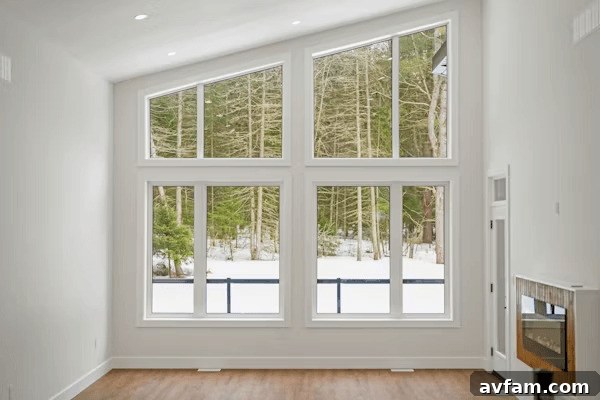
Letting Structure Lead the Design for Architectural Clarity
In modern exterior design, the inherent structure of a home is not just a framework; it’s a powerful design element in itself. When the architectural lines are clearly articulated and celebrated, the dwelling commands a robust visual presence that speaks of strength and thoughtful construction. The emphasis is on straight, unwavering edges, precisely proportioned shapes, and exceptionally clean transitions between various volumes and surfaces. This deliberate approach imparts a profound sense of direction and stability to the exterior, making the home feel anchored and harmoniously integrated with its surroundings. Every line is purposefully conceived to guide the viewer’s eye organically, fostering a seamless visual journey that intricately connects disparate parts of the home into a coherent whole.
Allowing the fundamental structure to dictate the design narrative elevates the entire aesthetic to a new level of intentionality. Instead of relying on superficial embellishments, the very form and silhouette of the building become the undeniable focal point. This architectural honesty gives the home a distinct and memorable identity, one that maintains its integrity and visual appeal from every vantage point. It’s about celebrating the purity of geometric shapes and volumes, where setbacks, overhangs, and facade articulation contribute to a dynamic yet balanced composition. This method ensures that the design is not merely decorative but is deeply rooted in the building’s core, resulting in a timeless and genuinely modern home exterior.
To achieve this, architects and designers often employ strategies such as creating strong horizontal or vertical elements that extend beyond the main mass, or using strategic material changes to highlight structural components. For instance, a cantilevered section can dramatically emphasize a horizontal plane, while a recessed entrance can create depth and highlight the main facade. The absence of unnecessary ornamentation directs attention to these fundamental structural elements, allowing their inherent beauty and strength to shine through. This architectural discipline is key to creating contemporary homes that feel both grounded and aspirational, embodying a true sense of modern sophistication.
Embracing Lower, Simpler Roof Profiles for Modern Aesthetics
The roofline is a critical, often underestimated, design element that profoundly influences how a home interacts with its environment and contributes to its overall aesthetic. In modern exterior design, the trend leans strongly towards lower profiles and simplified, clean shapes. This design choice is deliberate, aiming to establish a strong horizontal flow that ensures the home feels balanced, grounded, and seamlessly connected to the landscape. Rather than serving as a distinct, towering crown, the roof is integrated as an organic component of the entire architectural form, quietly supporting the structure and protecting it without overtly dominating the visual narrative. This subdued approach allows the primary architectural volumes and material palettes to take center stage, emphasizing the home’s broader horizontal composition.
This conscious simplification of the roof profile brings a crucial sense of continuity and visual calm across the entire exterior. The transition from the roof edge to the vertical walls becomes remarkably smooth and understated, eliminating abrupt visual breaks that can disrupt the clean lines of a modern facade. This fluidity enables the home to be perceived as a singular, cohesive unit – a sculpted form rather than an assemblage of disparate parts. Flat roofs, low-pitch gable roofs, and shed roofs are exemplary choices for achieving this effect, as they minimize visual weight and allow the building to spread out visually, enhancing its connection to the earth and the surrounding environment. This design philosophy is integral to achieving a truly contemporary and harmonious home exterior.
Beyond aesthetics, simpler roof profiles can also offer practical advantages. They often lend themselves well to integrating sustainable features such as solar panels or green roofs, further enhancing the home’s modern credentials. Furthermore, their clean lines can contribute to more efficient water management systems and reduce the complexity of construction. By opting for these understated yet impactful roof designs, homeowners can cultivate an exterior that is both visually striking and functionally superior, embodying the core principles of modern architectural excellence and contributing significantly to the home’s contemporary curb appeal.
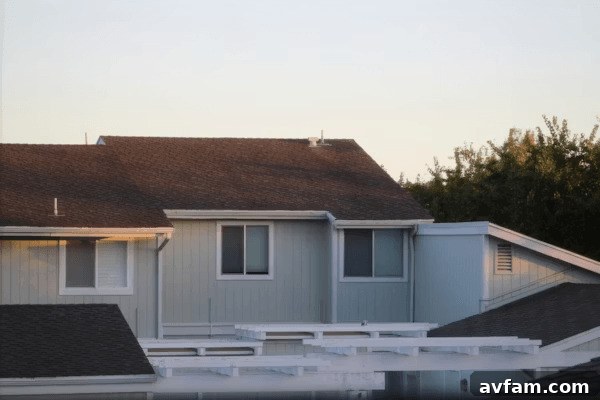
Landscaping with Restraint: Harmonizing Nature and Architecture
In the context of a modern home exterior, landscaping transcends mere decoration; it becomes an integral component of the overall design, serving to complement and enhance the architectural narrative. The most effective approach is one of thoughtful restraint, where careful placement and deliberate spacing of elements are paramount. This involves a highly focused selection of plants – often native or drought-tolerant species – combined with crisp, clean edges for garden beds and pathways. The intentional arrangement of these natural elements crafts an outdoor environment that feels inherently organized, tranquil, and deeply connected to the home’s structure. Each plant, stone, or hardscaping feature is given ample space to thrive and be appreciated individually, yet collectively, they contribute to a cohesive and exquisitely balanced composition.
This philosophy of restrained landscaping ensures that the home remains the central focal point, while simultaneously feeling beautifully integrated with its natural surroundings. Instead of competing for attention, the landscape acts as a gentle embrace, framing the architecture and enhancing its modern lines. The entire exterior then reads as a complete, unified environment where the man-made and natural elements engage in a harmonious dialogue, each supporting and elevating the other. Minimalist planting schemes, defined pathways with permeable materials, and strategically placed outdoor lighting are all elements that can contribute to this sophisticated and understated aesthetic, elevating the property’s overall allure.
Achieving this requires careful consideration of scale, texture, and color in the plant palette, ensuring they echo or subtly contrast with the home’s materials. For example, architectural plants with strong vertical lines can mirror the linearity of a modern facade, while low-lying ground covers can emphasize horizontal planes. Hardscaping, such as concrete pavers or natural stone, should extend the home’s material language into the garden, creating seamless transitions. This holistic approach to landscape design not only boosts curb appeal but also fosters a sense of tranquility and order that extends from the interior living spaces to the furthest reaches of the property, making the entire property feel like a cohesive, well-designed sanctuary.
Creating Serene and Functional Outdoor Layouts
The usability and aesthetic appeal of outdoor living spaces are significantly enhanced by a simplified, intuitive layout. When outdoor areas are designed with clear pathways, distinct zones for various activities like seating, dining, or casual gathering, they naturally promote an effortless flow and interaction. This deliberate organization ensures that each segment of the outdoor space serves a precise purpose, seamlessly integrating into the rhythms of daily life and effectively transforming the exterior into a genuine extension of the indoor living environment. Such layouts invite residents and guests to move freely and comfortably, fostering a sense of relaxation and unhindered enjoyment, which is a hallmark of modern lifestyle design.
A well-considered, simplified outdoor layout inherently supports a diverse array of activities without demanding continuous rearrangement or adaptation. The space feels perpetually ready and invitingly accessible, gently encouraging more frequent and spontaneous use throughout the day and into the evening. Whether it’s a quiet morning coffee on the patio, an alfresco dinner with friends, or a tranquil moment spent reading in a secluded corner, the streamlined design makes these experiences effortless. This approach often involves rectilinear forms for patios and decks, minimalist furniture, and a clear demarcation of functional zones, all contributing to an organized and aesthetically pleasing outdoor sanctuary that complements the modern home’s exterior.
Furthermore, simplified outdoor layouts are often more sustainable and easier to maintain. Fewer intricate details mean less hidden dirt and fewer areas requiring complex care. Materials chosen for these spaces typically reflect the home’s exterior palette, creating a seamless visual transition. For example, a concrete patio might extend directly from a concrete-clad wall, blurring the lines between inside and outside. Incorporating elements like built-in benches or planters can further refine the layout, providing functionality without introducing visual clutter. This holistic design philosophy ensures that the outdoor spaces are not only beautiful but also inherently practical and a joy to inhabit, reinforcing the minimalist ethos of the entire property.
Using Color with Intent: Crafting a Cohesive Exterior Palette
The strategic application of color on a home’s exterior possesses a profound and often underestimated influence on its overall perception and aesthetic impact. In modern design, the emphasis is placed on an intentionally controlled and cohesive color palette. This deliberate restraint allows the inherent beauty of the home’s architectural structure and the rich textures of its chosen materials to emerge and take precedence. The result is an exterior that conveys a profound sense of stability, sophistication, and deep connection, where every element feels purposefully integrated. When colors are carefully curated and confined within a thoughtful, harmonious range, the home projects a smooth, uninterrupted visual flow that is remarkably easy on the eye and compelling from any perspective.
This intentional approach to color selection is crucial for achieving a pervasive sense of balance and unity that resonates across the entire exterior. It ensures that each surface, from the largest wall plane to the smallest trim detail, feels intrinsically related to the next, creating natural and graceful transitions between different areas. Instead of disparate elements vying for attention, the home develops a unified, singular presence where color acts as a supportive layer, enhancing the architectural design rather than detaching itself from it. Popular choices for modern exteriors often include muted neutrals like grays, whites, and blacks, or earthy tones that echo the natural landscape, allowing the form and texture to truly shine.
Beyond the main body color, consider how accents are integrated. Minimalist modern design typically avoids excessive trim colors or highly contrasting elements. Instead, subtle variations in texture, such as matte versus gloss finishes, or slight shifts in a monochromatic scheme, can provide depth without visual noise. Door colors, window frames, and even exterior lighting fixtures should be chosen to either blend seamlessly or provide a very deliberate, understated pop of color that reinforces the overall design intent. This meticulous attention to the subtle nuances of color ensures that the exterior not only looks contemporary but also possesses a timeless quality that will endure for years, significantly contributing to the home’s contemporary aesthetic and value.
Allowing Surfaces to Breathe: The Power of Uninterrupted Planes
A hallmark of truly modern and serene exterior design is the deliberate creation of large, uninterrupted surfaces. These expansive planes of material lend the exterior an immediate and profound sense of openness, tranquility, and composed elegance. When walls extend without frequent visual breaks – such as unnecessary changes in material, excessive ornamentation, or overly complex fenestration – they establish a smooth, continuous visual field. This continuity allows the observer’s eye to sweep effortlessly across the home, appreciating its form and scale without interruption or distraction. This design principle is fundamental to achieving a minimalist aesthetic, where clarity and simplicity are celebrated.
Such seamless surfaces make the entire exterior feel continuous, enabling the home’s overarching architectural form to be grasped and appreciated instantaneously. This inherent openness is not just visually appealing; it actively contributes to a more refined and sophisticated appearance, making the structure feel inherently grounded, robust, and exceptionally well-ordered. It speaks to a design philosophy that values clean lines, precise execution, and an uncluttered aesthetic. By minimizing visual noise, these broad surfaces emphasize the quality of the materials themselves, allowing their natural textures and colors to become prominent features of the design, contributing significantly to the home’s overall modern curb appeal.
To implement this, designers often opt for large format panels of siding, continuous stucco finishes, or expansive stretches of brickwork where the mortar lines are minimized or color-matched. Window placement is also critical; rather than scattering windows haphazardly, they might be grouped or arranged in a precise, rhythmic pattern to maintain expansive wall sections. The goal is to create a sense of expansiveness and calm, allowing the interplay of light and shadow to define the building’s planes rather than busy details. This thoughtful approach ensures that the exterior design is not only clean and modern but also deeply resonant, fostering a sense of enduring beauty and architectural integrity.
Keeping Details Light and Intentional: The Power of Understated Elegance
In contemporary exterior design, the adage “God is in the details” holds true, but with a modernist twist: the details are most impactful when they are light, purposeful, and seamlessly integrated. Exterior fixtures and hardware, though often small, play a surprisingly significant role in shaping the overall aesthetic and mood of a home. When these elements – such as house numbers, outdoor lighting, door handles, or mailboxes – are chosen with meticulous care and designed to be visually understated, they act as supportive actors rather than leading roles. They enhance the overall design narrative without creating visual interruptions or clutter, allowing the eye to move fluidly across the facade. Their placement becomes an intrinsic part of the architectural composition, rather than drawing disproportionate attention to themselves as standalone decorative items.
This precise level of design restraint is absolutely critical for maintaining a cohesive and harmonious exterior. It ensures that every single detail, no matter how minor, feels inherently purposeful, contributing meaningfully to a consistent visual language that permeates the entire home. For instance, minimalist sconces can provide essential illumination while blending into the wall, or sleek, flush-mounted house numbers can offer utility without creating visual noise. The materials and finishes of these details should ideally complement the primary materials of the home, perhaps echoing a metallic accent from the roofline or a dark tone from the window frames. This thoughtful curation prevents the exterior from feeling busy or disjointed, instead fostering a sense of calm, sophisticated unity that reinforces the home’s modern identity.
The impact of intentional detailing extends to less obvious elements as well, such as rain chains replacing traditional downspouts for a sculptural touch, or hidden vents and utility access points that blend with the siding. Every visible component is an opportunity to reinforce the design’s commitment to simplicity and elegance. By prioritizing subtlety over showiness, and integration over isolation, homeowners can achieve an exterior that is both highly functional and exquisitely beautiful. This nuanced approach to details is a cornerstone of minimalist modern design, demonstrating that true sophistication often lies in what is carefully chosen, rather than what is added in abundance, thereby elevating the overall curb appeal and architectural integrity.
Choosing Materials That Feel Grounded: Authenticity in Modern Exteriors
The selection of exterior materials is arguably one of the most critical decisions in crafting a modern, serene home. Materials that boast natural finishes and authentic textures infuse the exterior with an undeniable sense of stability, permanence, and inherent beauty. Textures that echo the timeless appeal of natural wood, robust stone, exposed concrete, or subtle, high-quality composites establish a profound connection to the surrounding environment. This thoughtful material palette allows the home to settle comfortably and harmoniously within its landscape, rather than appearing as an imposition. These materials inherently carry a sense of authenticity and integrity that forms the very foundation of a truly refined and contemporary aesthetic, speaking volumes about the home’s character and sustainable design principles.
This strategic material choice is vital for adding significant depth and tactile interest to the exterior without introducing unnecessary complexity or visual clutter. The home’s facade gains its distinctive character through the subtle interplay of various textures rather than relying on sharp, abrupt contrasts. This approach cultivates a surface that feels inherently rich, complete, and deeply engaging. From the rough honesty of board-formed concrete to the warm veins of natural cedar or the sleek uniformity of architectural metal, each material contributes a unique tactile quality that enhances the visual story. By embracing such grounded materials, the home maintains a balanced and sophisticated appearance that is both unequivocally current in its design sensibilities and robustly lasting in its appeal, ensuring timeless modern curb appeal.
Furthermore, the longevity and maintenance aspects of these materials are often aligned with modern living. Many natural and composite options are chosen not only for their beauty but also for their durability and low environmental impact. For instance, thermally modified wood offers enhanced resistance to rot and insects, while high-performance fiber cement sidings mimic natural textures with superior resilience. The color palette derived from these materials tends to be earthy and organic, contributing to the harmonious aesthetic discussed earlier. By investing in quality, grounded materials, homeowners are not just building a house; they are crafting a legacy, creating an exterior that resonates with authenticity and stands as a testament to considered, modern design.
Selecting Outdoor Features with Purpose: Extending Interior Elegance Outward
The thoughtful selection of outdoor seating and other exterior features is crucial for truly extending the elegance and functionality of a modern home into its surrounding landscape. These elements feel inherently more connected and integrated when they are chosen with a clear understanding of everyday use and long-term enjoyment. Pieces that perfectly align with the architectural scale, material palette, and overall tone of the home’s exterior create an outdoor setting that feels like an organic continuation, rather than a collection of disparate items. Every carefully chosen addition, from a lounge chair to a fire pit, should actively support and enhance the intended experience of the outdoor space, making it a natural magnet for relaxation and social interaction.
This intentional approach effectively transforms the outdoor area into a natural and highly functional extension of the home itself. The space conveys an immediate sense of readiness for daily living, populated with elements that integrate seamlessly into the environment without imposing unnecessary visual weight or clutter. Modern outdoor furniture, characterized by its clean lines, durable materials like powder-coated aluminum, teak, or all-weather wicker, often contributes to this aesthetic. The placement of these features should also consider views, sun paths, and prevailing winds, optimizing comfort and usability. When done correctly, the outdoor space doesn’t just exist alongside the house; it becomes an intrinsic part of the overall design narrative, carrying the same sense of clarity, sophistication, and purposeful design that defines the interior and exterior architecture.
Beyond furniture, purpose-driven outdoor features can include built-in planters that integrate with patio walls, subtle water features that add sensory appeal, or strategically placed lighting that extends usability into the evening. Outdoor kitchens or dining areas, when designed with the same minimalist principles as the interior, can elevate the functionality without sacrificing aesthetic coherence. The key is to avoid an overabundance of items and instead focus on a few high-quality, functional pieces that contribute to a serene and inviting atmosphere. This meticulous curation ensures that the outdoor spaces are not just beautiful but also eminently livable, enhancing the modern home’s appeal and value by providing seamless indoor-outdoor living experiences.
Blending Storage into the Design: The Art of Invisible Organization
For a modern home exterior to maintain its pristine and uninterrupted aesthetic, the integration of storage solutions must be nothing short of masterful. Instead of allowing necessary items like gardening tools, recycling bins, or recreational equipment to disrupt the clean lines and visual calm, these elements should be thoughtfully blended directly into the design. This often involves creating custom built-in spaces, ingeniously concealed areas, or implementing strategic placement that allows essential items to remain readily accessible while being entirely contained within the architectural framework. The goal is to achieve a level of organization where storage is functional yet virtually invisible, upholding the minimalist ethos of the entire property.
This sophisticated approach to exterior storage profoundly supports both superior functionality and impeccable appearance. A home with cleverly integrated storage feels inherently more organized, harmonious, and efficient, giving the impression that every single element has been meticulously considered and accounted for within the comprehensive layout. Examples include low-profile sheds clad in the same siding as the house, benches that double as storage chests, or recessed niches for hose reels and utility boxes. By minimizing visual clutter, the exterior maintains its refined composure, allowing the architectural form and material quality to be the dominant features. This thoughtful integration is vital for promoting a sense of peace and order, characteristic of contemporary design.
Effective blending requires early planning during the design phase. Designers consider factors such as weather protection, ease of access, and aesthetic continuity. For instance, integrating a recycling center into a fence line or a covered patio wall can make waste management less obtrusive. Similarly, built-in firewood storage adjacent to an outdoor fireplace can become a design feature rather than an eyesore. This level of intentionality ensures that practicality does not compromise beauty, reinforcing the overall design philosophy that every aspect of the modern home, both inside and out, should contribute to a cohesive and elegantly functional living experience, enhancing both daily life and the home’s long-term value.
Ultimately, the pursuit of exterior simplicity is not merely an aesthetic choice; it is a profound declaration of how a home is perceived and experienced from the very first glance. Every design decision, from the foundational selection of authentic materials to the meticulous planning of outdoor layouts, plays an indispensable role in cultivating a cohesive presence that radiates stability, purpose, and timeless elegance. This holistic approach eschews superficial ornamentation in favor of profound architectural integrity. The result is an exterior design that carries a quiet yet powerful confidence – a confidence born from perfect alignment, thoughtful integration, and a masterful understanding of form and function, rather than from ostentatious excess. This is the essence of modern, serene home design, offering a sanctuary of beauty and calm that endures.
Embracing these principles allows homeowners to create spaces that are not only visually stunning but also deeply resonant and functional. It’s about crafting an environment where the architecture breathes, the landscape harmonizes, and every detail serves a higher purpose. Such homes become reflections of a lifestyle that values clarity, sustainability, and understated luxury, standing as testaments to design excellence that truly enhances quality of life. Investing in these intentional design strategies transforms a house into a home that is both an architectural statement and a peaceful retreat, captivating onlookers and comforting inhabitants for generations to come.