
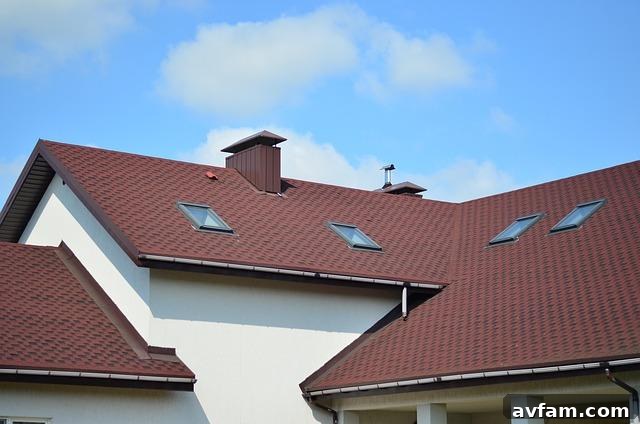
Replacing a roof is one of the largest home improvement investments most homeowners will make. While some roofing projects are fairly straightforward, costs can vary widely depending on several important factors.
Many homeowners are surprised that roof replacement expenses depend on far more than roof size alone. Material choice, labor, existing structural conditions, weather and storm damage, roof complexity, and local market conditions all influence the final price.
Understanding the main drivers behind roof replacement costs helps homeowners plan better, compare estimates more accurately, and make informed decisions before starting a project.
Why Roof Replacement Costs Vary So Much
No two roofing projects are exactly the same.
Some houses have simple roof designs with minimal repairs, while others feature multiple roof levels, hidden structural issues, or specification of premium materials that increase both labor and installation complexity.
Roofing Materials Differ in Price
The type of roofing material is one of the largest cost drivers. Choices range from economical asphalt shingles to high-end slate or tile systems, with metal roofing positioned between those extremes in cost and longevity.
Roof Designs Affect Labor Costs
Complex rooflines and steep pitches require more time, specialized equipment, and safety measures, all of which raise labor expenses.
Existing Roof Conditions Matter
Hidden damage like rotten decking, compromised flashing, or structural problems discovered during replacement will add to the scope and cost of the project.
Roofing Material Costs
Material selection strongly influences both initial cost and long-term value.
Asphalt Shingle Roofing
Asphalt shingles are the most common residential roofing material due to their affordability and relatively simple installation.
Why Asphalt Shingles Are Popular
They balance cost, ease of installation, and an acceptable lifespan for many homeowners, making them a common budget-friendly choice.
Average Asphalt Roof Costs
Asphalt roofs usually present one of the lowest upfront costs among common roofing options, though quality and warranty levels vary.
Metal Roofing Costs
Metal roofing often requires a higher initial investment but provides extended durability, possible energy savings, and strong weather resistance.
Benefits of Metal Roofs
Homeowners select metal for longevity, resistance to extreme weather, and potential energy efficiency benefits through reflective finishes.
Higher Installation Costs
Metal roof installation typically needs specialized skills and equipment, increasing labor costs compared with basic asphalt installations.
Slate and Tile Roofing Costs
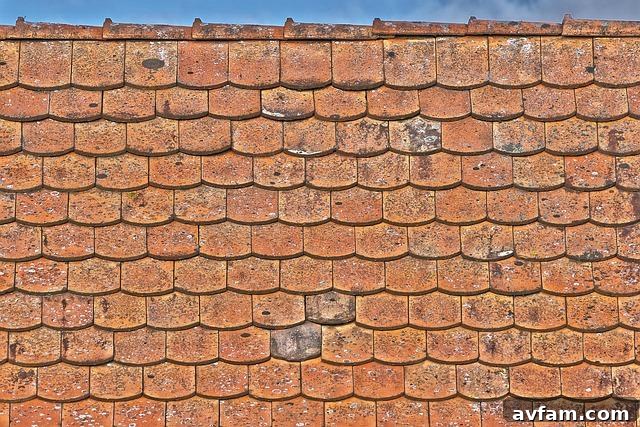
Slate and clay or concrete tile are premium materials known for exceptional longevity and aesthetic appeal.
Long-Term Durability
With proper installation and maintenance, these systems can last many decades, often outliving typical asphalt roofs.
Increased Structural Requirements
Heavier materials may require reinforcement of roof framing, which adds to material and labor costs.
Roof Size and Square Footage
The larger the roof, the more materials and labor are required.
Roofing Is Measured in Squares
Roofers commonly estimate projects using roofing “squares,” where one square equals 100 square feet of roof surface.
Multi-Level Roofs Increase Complexity
Homes with multiple roof levels or intricate geometry often need extra labor, additional flashing, and more time to complete safely and correctly.
Roof Pitch and Roof Complexity
Steep slopes and complex rooflines raise both safety concerns and installation difficulty, driving up costs.
Steep Roofs Require More Labor
Steeper pitches require more time, specialized fall protection, and experienced crews to work safely and efficiently.
Complex Rooflines Increase Material Waste
Features such as dormers, valleys, skylights, and chimneys necessitate more cutting and flashing, creating additional waste and labor.
Tear-Off and Existing Roof Removal
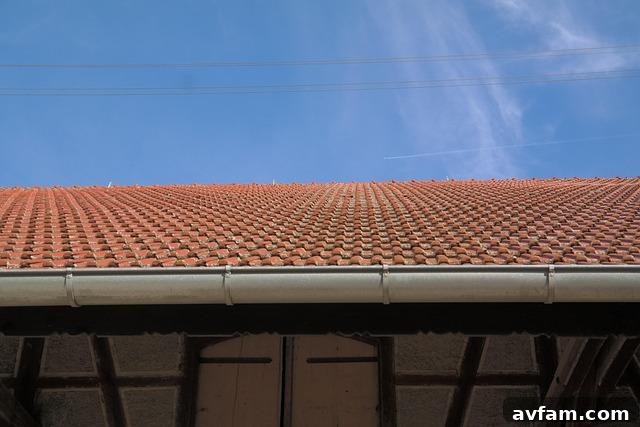
Most replacements involve removing the old roofing material, which adds labor and disposal costs.
Multiple Roofing Layers
If previous roofs have been layered over time, removing multiple layers increases labor and landfill fees.
Disposal Fees
Proper disposal of old shingles and debris is required and typically billed as part of the project.
Roof Decking and Structural Repairs
Roof replacement can uncover hidden issues with the deck or supporting structure that must be addressed.
Rotten Wood Decking
Moisture intrusion can weaken decking, requiring replacement of sections of sheathing before new roofing is installed.
Water Damage Repairs
Leaking roofs may have damaged insulation, framing, or other components that need repair to restore the roof’s integrity.
Additional Structural Work
Extensive deterioration will increase both labor and material costs depending on the scope of the repairs.
Weather and Storm Damage
Storms are a frequent reason homeowners need roof replacement.
Hail Damage
Hail can crack or bruise shingles and accelerate the need for replacement.
Wind Damage
High winds can lift or remove shingles and damage flashing and vents.
Insurance Claims
Some storm-related replacements may be partially covered by homeowners insurance, depending on the policy and cause of damage.
Roofing Ventilation and Insulation Upgrades
Many replacements include upgrades to ventilation and insulation to improve energy efficiency and roof longevity.
Proper Attic Ventilation
Good ventilation regulates temperature and moisture, protecting both the roof and the attic space below.
Energy Efficiency Improvements
Enhanced insulation and ventilation can increase comfort and reduce heating and cooling costs over time.
Labor Costs and Local Market Conditions
Labor rates and material availability vary by region and affect overall pricing.
Regional Labor Pricing
Areas with high demand or recent storm recovery efforts often see higher roofing prices due to limited contractor availability.
Contractor Experience and Reputation
Established contractors may charge more for superior workmanship, better materials, and reliable warranties.
Permits and Building Code Requirements
Some projects require permits and inspections, which add overhead and must meet local code requirements.
Local Permit Costs
Permit fees and inspection requirements differ across municipalities and can impact total project cost.
Building Code Updates
Older homes may need upgrades during replacement to comply with current building codes, increasing scope and cost.
Roof Accessibility
How easy it is to access a roof affects the complexity and cost of installation.
Limited Access Areas
Tight yards, landscaping, or difficult property access can require more labor and equipment to move materials on and off the site.
Safety Equipment Requirements
Steep or high roofs often require additional safety systems, special scaffolding, or lifts, which adds to project costs.
Seasonal Timing Can Affect Roofing Costs
The season can affect pricing, scheduling, and contractor availability.
Peak Roofing Seasons
Demand typically rises after major storms and during warmer months, which can limit scheduling flexibility and increase costs.
Scheduling Flexibility
Homeowners who schedule work during slower seasons may find better availability and potentially lower rates.
Signs It May Be Time to Replace Your Roof
Recognizing deterioration early helps plan for replacement before more serious damage occurs.
Missing or Curling Shingles
Visible shingle damage is a clear sign of aging or wear.
Roof Leaks
Water stains, attic moisture, or visible leaks indicate the roof is no longer fully protecting the home.
Frequent Repairs
If repairs are recurring, replacement is often more cost-effective over time.
Sagging Roof Areas
Any sagging should be inspected promptly, as it may indicate serious structural problems.
Why Professional Roof Inspections Matter
Professional inspections reveal true roof condition and help homeowners plan appropriately.
Hidden Damage Detection
Qualified inspectors can find moisture, storm, and structural issues that aren’t visible from the ground.
Accurate Project Estimates
Thorough inspections allow contractors to provide more reliable and detailed estimates.
Long-Term Planning
Inspections help homeowners prioritize repairs, budget for replacement, and choose the right materials for their needs.
How Homeowners Can Prepare for Roof Replacement
Planning ahead reduces stress during roof replacement.
Compare Multiple Estimates
Obtain several quotes to compare materials, labor, warranties, and scope of work before committing.
Review Warranty Options
Warranties vary by material and contractor; review coverage for both materials and workmanship.
Understand Material Choices
Consider lifespan, maintenance needs, aesthetics, and performance when selecting a roofing system.
Roof Replacement Is a Long-Term Investment
A quality roof protects your home, enhances curb appeal, improves energy efficiency, and prevents costly structural damage. While roof replacement costs vary with many variables, investing in suitable materials and professional installation delivers long-term value and peace of mind.