
Flattop grills, often heralded as the cornerstone of modern outdoor cooking, have undeniably transformed the culinary landscape for both home enthusiasts and professional chefs. These incredibly versatile cooking appliances have moved beyond mere backyard barbecues, becoming indispensable tools in a wide array of settings. This comprehensive guide delves deep into the world of flattop grills, exploring their unique features, myriad benefits, essential selection criteria, and expert tips to master these incredible cooking machines. Prepare to unlock a new realm of flavors and cooking possibilities with the ultimate guide to flattop grilling.
Understanding the Flattop Grill: A Culinary Game-Changer
At its core, a flattop grill, frequently referred to as a griddle, is defined by its flat, solid cooking surface, which is typically crafted from durable materials like steel, cast iron, or sometimes chrome. This fundamental design element sets it apart from traditional grills that rely on open grates. Instead of charring food over direct flame, flattop grills offer a smooth, expansive, and consistently heated area, providing a distinct cooking experience. These culinary workhorses come in an impressive range of sizes and configurations, from compact, portable units perfect for camping or tailgating to robust, commercial-grade appliances designed to withstand the rigors of high-volume restaurant kitchens.
The beauty of the flattop lies in its simplicity and efficiency. Its design ensures that heat is distributed evenly across the entire surface, eliminating the common problem of hot spots often found on traditional grills. This uniform heating capability allows for precise temperature control, making it possible to execute a vast array of cooking techniques that are simply unachievable on a grated grill. From delicate breakfast items to sizzling stir-fries and perfectly seared steaks, the flattop grill empowers cooks to explore an endless spectrum of dishes with unparalleled ease and consistency.
The Unrivaled Advantages of Flattop Grills
Flattop grills have garnered a dedicated following among seasoned chefs and backyard cooking enthusiasts alike, thanks to their numerous advantages that elevate the entire cooking experience:
- Superior Even Cooking: The solid, continuous surface of a flattop grill ensures uniform heat distribution from edge to edge. This eliminates troublesome hot spots and cold zones, allowing every piece of food to cook at the same rate. This consistency is crucial for achieving perfectly cooked meals, whether you’re flipping a dozen pancakes or searing multiple steaks simultaneously. The direct contact with the heated surface also promotes excellent caramelization and crust development, enhancing flavor and texture.
- Unmatched Culinary Versatility: What truly sets flattop grills apart is their incredible versatility. Unlike traditional grills limited primarily to grilling and charring, a flattop can handle an astounding variety of dishes. Imagine starting your day with fluffy pancakes, crispy bacon, and perfectly cooked eggs. Transition seamlessly to lunch with juicy smash burgers, grilled cheese sandwiches, or sizzling quesadillas. For dinner, whip up flavorful stir-fries, fajitas, seared seafood, grilled vegetables, or even delicate items like scallops and asparagus. The possibilities are virtually limitless, making it an all-in-one cooking station.
- Precise Temperature Control: Flattop grills typically feature multiple burners, allowing for distinct heat zones across the cooking surface. This means you can maintain high heat for searing on one side, a medium temperature for sautéing in the middle, and a low setting for keeping food warm on the other end. This precise temperature control is a game-changer for intricate recipes, enabling you to cook different components of a meal simultaneously at their ideal temperatures, ensuring everything finishes perfectly and is served hot.
- Exceptional Efficiency and Speed: The solid griddle surface heats up rapidly and retains heat exceptionally well, thanks to its substantial material. This quick preheating time reduces waiting and cooking times, allowing you to get meals on the table faster. Furthermore, the efficient heat transfer means less energy is wasted, making flattop grills a more energy-efficient option compared to open-grate grills where much of the heat escapes upwards.
- Effortless Cleanup: One of the most beloved features of flattop grills is their straightforward cleaning process. The smooth, flat surface is incredibly easy to scrape clean, with integrated grease channels and convenient drip trays designed to collect excess oil and food residue. This design significantly simplifies post-meal tidying, saving you valuable time and effort compared to painstakingly cleaning individual grill grates.
- Healthier Cooking Options: While you can cook with oil on a flattop, the design often promotes healthier cooking. Excess fats and oils from meats can easily drain away into the drip tray, rather than pooling around the food or causing flare-ups as on a traditional grill. This allows for dishes that are less greasy without sacrificing flavor.
- Enhanced Outdoor Entertainment: A flattop grill transforms outdoor cooking into an interactive and social experience. Unlike traditional grills where the cook often faces away from guests, the flattop allows you to stand face-to-face with your friends and family, cooking and conversing simultaneously. This communal aspect makes it perfect for parties, gatherings, and creating memorable culinary moments outdoors.
Selecting the Perfect Flattop Grill for Your Needs
Choosing the right flattop grill is a crucial decision that will impact your cooking experience for years to come. Several important factors must be considered to ensure you find a model that perfectly aligns with your lifestyle, cooking habits, and available space:
1. Size and Cooking Area: Matching Capacity to Your Lifestyle
The physical footprint and cooking surface area are primary considerations. Assess the available space on your patio, deck, or in your kitchen, and consider the number of people you typically cook for. For intimate gatherings or smaller families, a compact two-burner model with approximately 300-400 square inches of cooking surface might be ideal. These are often portable and easy to store. If you frequently host large parties, cater events, or have a big family, a larger three- or four-burner grill offering 600 square inches or more will provide ample space to cook multiple items simultaneously without crowding. Some commercial-grade units can even exceed 1000 square inches. Remember to also account for necessary side tables and prep space.
2. Fuel Source: Propane, Natural Gas, or Electric?
Flattop grills can be powered by various fuel sources, each with its own advantages:
- Propane: This is the most common and versatile option for outdoor flattop grills. Propane tanks offer portability, allowing you to move your grill anywhere in your yard or take it on camping trips, tailgates, or picnics. They heat up quickly and provide powerful, consistent heat. The main drawback is the need to refuel or exchange tanks periodically.
- Natural Gas: For homeowners with a permanent outdoor kitchen setup, a natural gas flattop grill is an excellent choice. Connected directly to your home’s gas line, it offers an endless fuel supply, eliminating the need for tank refills. While typically more cost-effective over the long term, installation requires a professional gas line hookup, making it less portable.
- Electric: Electric flattop grills are less common for large outdoor units but are popular for smaller, indoor models or highly portable camping griddles. They are convenient for use where gas is not an option (e.g., balconies, apartments) or for specific indoor commercial applications. While easy to use, they may not offer the same rapid heating or high temperatures as gas models.
3. Material and Construction: Durability and Heat Retention
The material of the cooking surface and the overall construction quality significantly impact the grill’s performance and longevity:
- Carbon Steel: Extremely popular for its excellent heat retention, even heating, and ability to develop a natural non-stick seasoning over time. Carbon steel griddles require seasoning and proper maintenance to prevent rust, much like cast iron. They are very durable and ideal for high-heat cooking.
- Stainless Steel: While the body and frame of many grills are stainless steel for corrosion resistance, solid stainless steel griddle tops are less common due to their higher cost and slightly less superior heat retention compared to carbon steel or cast iron. However, they are highly durable and easy to clean.
- Cast Iron: Revered for its exceptional heat retention and even heat distribution, cast iron provides a superior searing surface. It also develops a fantastic non-stick seasoning over time. Like carbon steel, it requires diligent seasoning and care to prevent rust. Cast iron griddles are heavy and durable, often found in high-end models.
- Cold-Rolled Steel: A common and cost-effective material, offering good heat distribution. It also requires seasoning and maintenance to prevent rust.
- Chrome: Often found in commercial griddles, chrome surfaces offer a very smooth, easy-to-clean surface and excellent heat transfer. They are less common for residential outdoor units due to cost.
Beyond the griddle top, look for a robust frame, sturdy wheels (if applicable), and high-quality burners and ignition systems for long-term reliability.
4. Additional Features and Thoughtful Design Elements
Modern flattop grills often come with a variety of extra features that can enhance your cooking experience and convenience:
- Side Burners: Perfect for simmering sauces, boiling corn, or keeping side dishes warm without taking up valuable griddle space.
- Integrated Shelves and Prep Stations: Provide essential space for ingredients, utensils, and platters, keeping everything within easy reach.
- Storage Cabinets: Useful for neatly stowing away propane tanks, grilling tools, and accessories.
- Wheels and Casters: Allow for easy maneuverability, which is particularly useful for larger, heavier units.
- Lids or Hoods: Some flattops include a hinged lid or dome, which can be useful for steaming, melting cheese, or protecting the cooking surface when not in use.
- Grease Management System: Look for efficient grease channels and easily removable, large-capacity drip trays for hassle-free cleanup.
- Built-in Thermometers: While the griddle top itself doesn’t typically have a thermometer, some models include them in lids or near the cooking surface to monitor ambient temperature.
Evaluate which of these features align with your specific cooking style and needs to make the most informed decision.
Mastering Flattop Grill Cooking Techniques
While intuitive, mastering the art of cooking on a flattop grill truly unlocks its full potential. With a little practice and experimentation, you’ll be creating restaurant-quality dishes in your own backyard. Here are some fundamental and advanced techniques to get you started:
1. Searing for Perfect Crusts
Searing is perhaps one of the most satisfying techniques on a flattop. To achieve that coveted crispy, caramelized crust on steaks, burgers, chicken, or seafood, preheat a section of your grill to a high temperature. Add a thin layer of high-smoke-point oil (like avocado or grapeseed oil) and place your protein down. Resist the urge to move it immediately; allow it to cook undisturbed for a few minutes to develop a rich brown crust. Flip once to sear the other side, then move the item to a lower heat zone to finish cooking to your desired internal temperature. This method locks in juices and creates incredible flavor and texture.
2. Dynamic Stir-Frying
The expansive, even cooking surface of a flattop is an ideal canvas for stir-frying. Heat your griddle to a medium-high temperature, add a bit of oil, and quickly toss your ingredients. Start with proteins (sliced chicken, beef, shrimp) and harder vegetables (broccoli, carrots), then add softer vegetables (bell peppers, snap peas) and finally noodles or rice. The large surface allows ingredients to spread out and cook quickly without steaming, resulting in perfectly crisp-tender vegetables and flavorful meats. Keep ingredients moving constantly with two spatulas for even cooking.
3. Griddling Breakfast Classics and More
The smooth griddle surface is practically custom-made for breakfast. Cook fluffy pancakes and French toast, perfectly fried eggs (sunny-side up, over easy, or scrambled), and crispy hash browns or bacon effortlessly. Beyond breakfast, use the griddle for grilled cheese sandwiches, quesadillas, crispy tortillas, or even making homemade flatbreads. The consistent, gentle heat allows for precise control over browning without burning.
4. Gentle Simmering and Reduction
Leverage the precise temperature control to create lower heat zones where you can simmer sauces, warm tortillas, or gently cook delicate items. This technique allows you to reduce sauces to a perfect consistency, gently warm chili or soup, or keep food at serving temperature without the risk of scorching, all while other parts of your meal are cooking at higher heats.
5. The Art of the Smash Burger
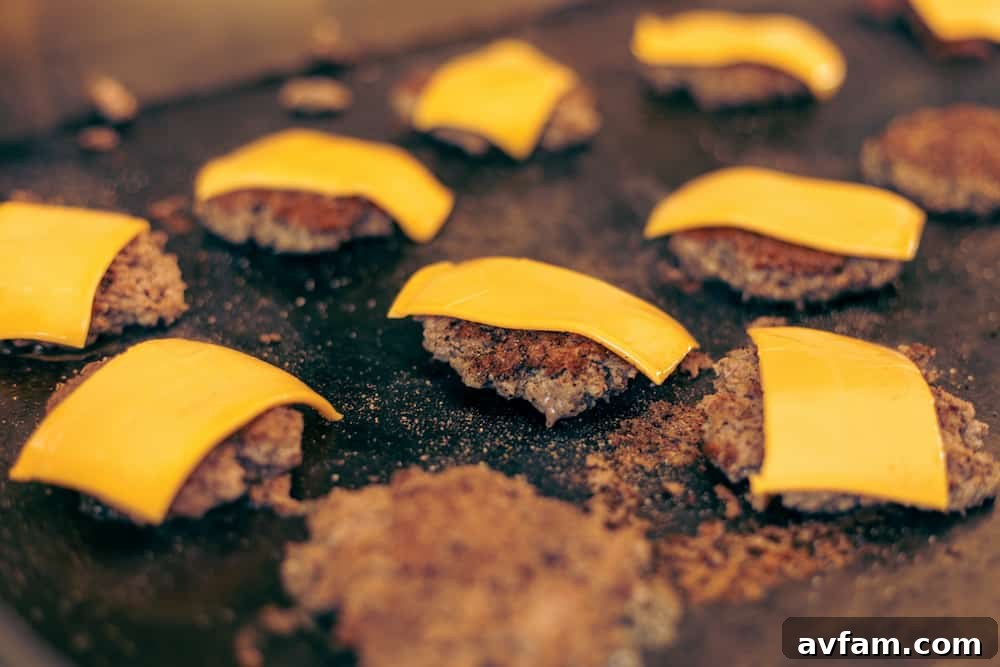
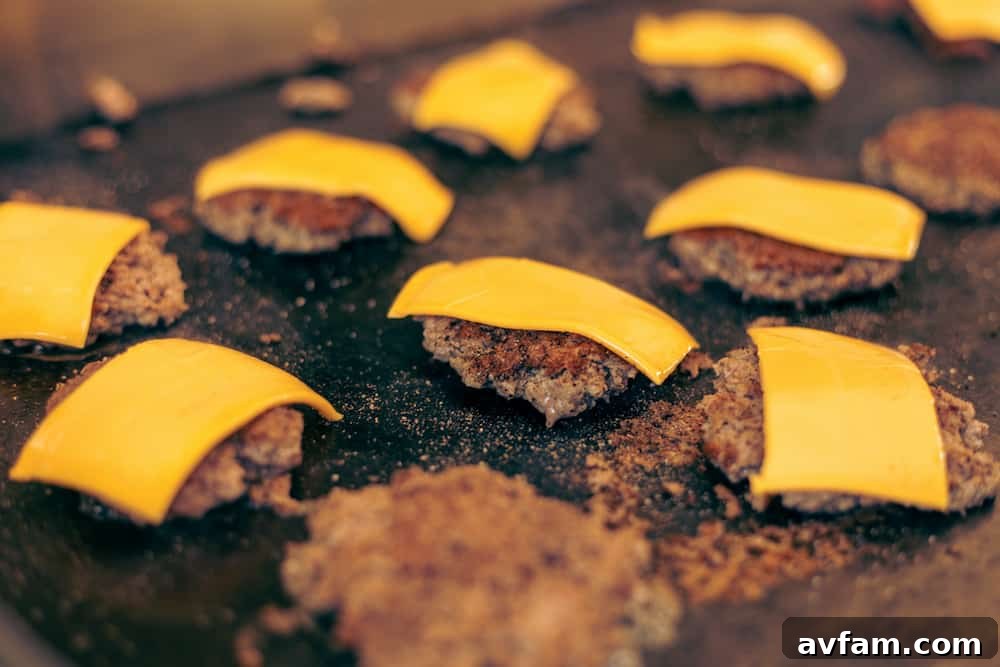
A quintessential flattop technique, the smash burger involves placing a loose ball of ground beef onto a scorching hot griddle and pressing it down firmly with a sturdy spatula to create a thin patty. This maximizes contact with the hot surface, creating an incredibly crispy, flavorful crust (the Maillard reaction) in just a couple of minutes per side. Add cheese, and it melts perfectly into the craggy surface.
6. Steaming and Roasting with a Dome
Many flattop grill enthusiasts utilize a basting cover or dome to expand their cooking repertoire. Place a dome over food (like vegetables, cheeseburgers, or even small roasts) along with a splash of water, broth, or beer. The trapped steam helps to cook food through, melt cheese beautifully, or create moist, tender results while still getting the griddle’s benefits. This technique is excellent for melting cheese on burgers or steaming buns.
7. Frying and Deep Frying (with caution)
While not a deep fryer, the flattop can be used for shallow frying. With a small amount of oil, you can fry eggs, potatoes, or even shallow fry thin pieces of fish or chicken. Some advanced users create oil barriers with aluminum foil or specialized accessories to create small, contained areas for true deep frying of items like tempura or small batches of fries, though this requires careful temperature management and safety precautions.
Essential Maintenance and Care for Your Flattop Grill
Proper maintenance is paramount to ensure the longevity of your flattop grill and to keep it performing at its peak, consistently producing delicious meals. Following these simple care tips will protect your investment and maintain a hygienic cooking surface:
1. Thorough Cleaning After Every Use
Immediate cleaning after each use is the golden rule. While the griddle is still warm (but not scorching hot), use a sturdy metal scraper or a specialty griddle scraper to push off food residue and excess grease into the grease trap. For stubborn bits, you can “deglaze” the surface by pouring a small amount of water onto the warm griddle – the steam will help loosen stuck-on food, which can then be scraped away. Wipe the surface clean with paper towels. Regularly empty and clean the grease channels and drip tray thoroughly to prevent buildup and maintain hygiene.
2. The Importance of Seasoning
If your flattop grill has a carbon steel or cast iron surface, seasoning is vital. Seasoning is the process of baking thin layers of cooking oil onto the griddle surface at high heat, which polymerizes the oil to create a durable, non-stick, rust-resistant coating. After cleaning, apply a very thin, even layer of high-smoke-point oil (like flaxseed, grapeseed, or avocado oil) to the entire cooking surface. Heat the griddle on high until the oil begins to smoke and then cools down. Repeat this process several times, especially when the grill is new, and periodically throughout its life. A well-seasoned griddle will have a dark, glossy, non-stick finish.
3. Protecting Your Investment with a Cover
Protect your flattop grill from the elements when not in use. A high-quality, weather-resistant grill cover is essential. This protects the griddle surface from moisture, which can lead to rust, and shields the entire unit from UV damage, dust, dirt, and even pests. Ensuring your grill stays dry and protected will significantly extend its lifespan and keep it ready for your next culinary adventure.
4. Regular Inspection and Troubleshooting
Periodically inspect your grill for any signs of wear or damage. Check hoses and connections for propane or natural gas models. Clean burner ports if you notice uneven flames. Address any minor rust spots immediately by scrubbing them off and re-seasoning the affected area. Keeping an eye on these details can prevent larger problems down the line and ensure consistent performance.
Flattop grills are far more than just outdoor cooking appliances; they are a gateway to culinary exploration and excellence. Their unparalleled versatility, uniform heating, and user-friendly design make them indispensable tools for amateur cooks and professional chefs alike. Whether you’re planning a lively backyard barbecue, a serene family brunch, or running a bustling restaurant kitchen, a flattop grill provides the power and precision to elevate your culinary creations to extraordinary new heights. Embrace the griddle and discover a world of flavors waiting to be unleashed.
Blackstone Flattop Grills: A Leader in Outdoor Griddling
When discussing flattop grills, it’s impossible not to highlight Blackstone, which has undeniably become the most popular and recognizable brand in the outdoor griddle market. Renowned for their innovative designs, durable construction, and widespread availability, Blackstone has played a pivotal role in bringing the joy of flattop cooking to countless homes. Their range of models, from portable tabletop units to large, multi-burner stations, offers options for every need and budget. We are excited to announce our plans to extensively review several top Blackstone models this year, offering detailed insights into their performance, features, and overall value. Stay tuned for these in-depth evaluations to help you make an informed choice for your next flattop grilling adventure.