

Most homeowners start an exterior renovation by choosing siding colors, scheduling window replacements, and planning gutters—often before they even think about the roof. That order may seem logical, but it frequently leads to avoidable problems and extra expense.
Bringing a roofing contractor into the planning process early is one of the smartest steps a homeowner can take. The roof is not an isolated element: its condition affects flashing, water drainage, siding attachment, and the overall project timeline. A failing drip edge or damaged flashing can undermine new siding within a single season, no matter how well the rest of the work is done.
Early professional assessment also clarifies scope and budget. A roofer can determine whether repairs will suffice or a full replacement is required—an outcome that changes how other trades sequence their work. Scheduling siding or windows before that decision is made risks costly rework. Treating the roof as a central sequencing decision, rather than an afterthought, is what separates a renovation that holds up from one that generates follow-up problems.
Why the Roof Should Come First
The roof isn’t just one task among many on the exterior checklist. Its condition determines what other trades can do and when they can do it. Siding, gutters, windows and flashing all connect to the roof in ways that make its status a prerequisite for reliable planning.
This matters especially in climates with freeze-thaw cycles and wind-driven rain. Those conditions put sustained stress on roof assemblies, and an undetected issue at the roofline can quietly compromise new siding or gutters in a single season. Bringing a roofing contractor in early confirms whether repairs or a full replacement are needed before contracts are signed or materials ordered. That determination shapes the entire project timeline and budget.
What Early Roofing Input Changes
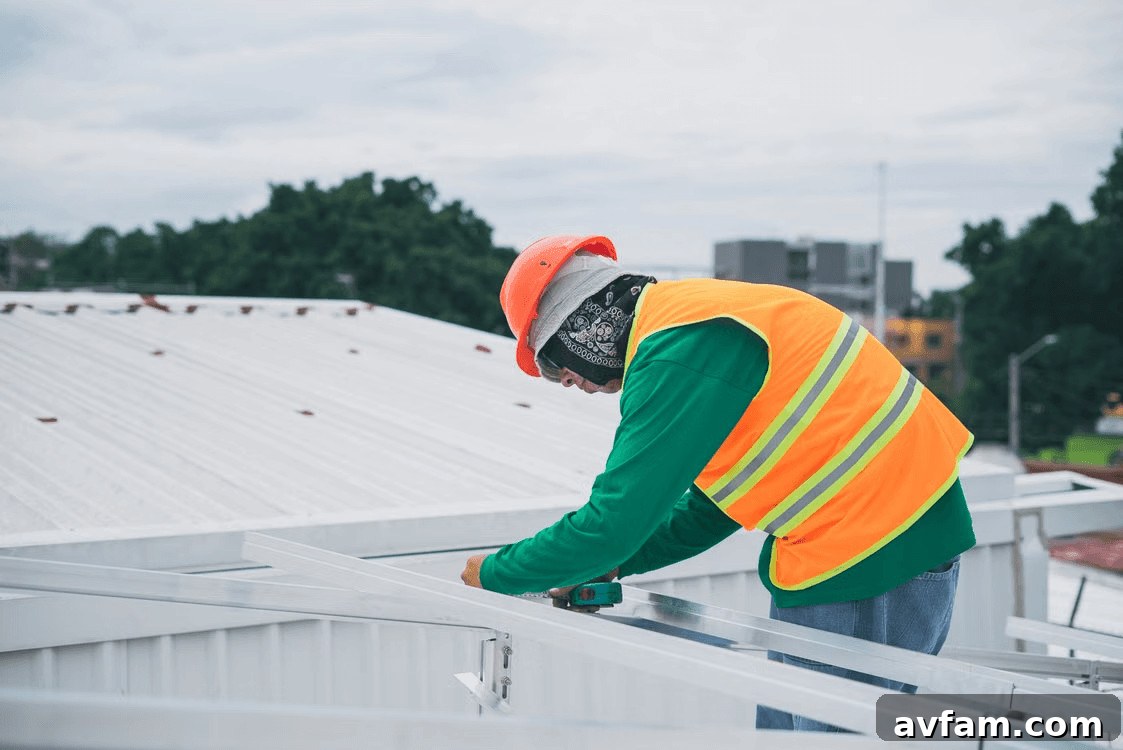
When a roofer evaluates the house before materials are ordered and crew schedules locked in, subsequent decisions are more accurate and less likely to require revision.
Sequencing with Siding, Windows, and Gutters
The roof sits at the top of the exterior system, and that position has direct consequences for how every other trade sequences their work. Siding panels terminate at the roofline, gutters fasten to fascia attached to the roof deck, and window flashing must integrate with the waterproofing layer beneath roofing materials. If those roofing details aren’t settled, other crews often have to revisit completed work.
For example, rooflines establish the reference point for how siding terminates at the top of a wall. If the termination point shifts because the roof deck needs adjustment or the fascia profile changes, siding crews may have to re-cut panels or modify trim. Gutter placement depends on the final drip edge position, so early roofing input is necessary before gutter layout is finalized.
Windows present a related coordination challenge. The flashing above a window must tie into the roof’s water management layer. Finalizing window installation before the roofing sequence is confirmed can create gaps in the drainage path, producing leaks that are difficult to fix once multiple exterior finishes are in place.
Finding Issues Before Crews Overlap
A roof inspection before exterior work begins can reveal problems that would otherwise appear mid-project, when fixing them becomes far more expensive. Decking damage, inadequate ventilation, and compromised flashing all affect the budget and schedule of other trades, not just roofing.
Hiring a trusted roofing crew before placing material orders lets homeowners document and price structural concerns into the overall scope instead of treating them as surprises. That early visibility reduces the risk of costly renovation mistakes caused by crews working around unknown conditions.
Identifying ventilation issues before siding goes on also creates an opportunity to improve energy efficiency while the exterior is already exposed, avoiding the need for a second mobilization later.
When to Call a Roofer vs a General Contractor
Which professional to contact first depends on the project. If the renovation includes suspected leaks, aging shingles, flashing failures, or a likely roof replacement, call a roofing contractor first. These specialist concerns require technical evaluation that affects how every other exterior trade sequences its work.
A general contractor is the better first call when the project covers multiple exterior systems and needs centralized trade coordination from the outset. A general contractor can manage scheduling for siding, windows, doors and exterior trim while ensuring trades work together.
Often the best approach combines both roles: a roofing contractor provides early technical input, and a general contractor manages the broader timeline. When the building envelope is involved, early specialist roofing input prevents sequencing decisions from being based on unresolved variables.
- Bring in a roofing contractor first when the roof’s condition is unknown, when insurance documentation is needed, or when a replacement decision is pending.
- Bring in a general contractor first when the roof has already been confirmed sound and the project involves multiple exterior trades that need coordination.
How to Vet a Roofer Before Work Begins
Choosing a roofing contractor before exterior work starts requires more than comparing prices. A few targeted checks early in the process will help avoid problems later.
Begin by verifying licensing and insurance—confirm that the contractor holds any required local license and carries liability and workers’ compensation insurance. The contractor should have a verifiable local presence, not just a phone number.
Ask about workmanship warranties, how scope changes are documented, and who will handle permits. Clear, specific answers are a good sign; vague or evasive responses are a red flag.
Watch for warning signs such as:
- Estimates with no written breakdown
- High-pressure sales visits after storm events
- Difficulty reaching the contractor prior to work
Reviewing a contractor’s reputation through established local channels can reveal patterns a single conversation might miss. Contractors who communicate clearly before the contract are likelier to maintain that standard once work begins.
What This Looks Like in the Greater Toronto Area
In the Greater Toronto Area, freeze-thaw cycles and wind-driven rain create sustained stress on roof assemblies, making correct sequencing especially important. Summer and spring are busy seasons for exterior trades, and both roofing and siding crews often book weeks in advance—so a delayed roof decision can compress the entire project schedule.
Permits and code coordination add another planning layer. Pulling the correct permits early, particularly when a roof replacement intersects with energy-efficiency upgrades, keeps the project compliant and prevents delays that ripple through to other trades. Homeowners choosing long-term roofing materials should factor these local realities into their timelines from the start.
Plan the Roof Before the Rest of the Exterior
Exterior renovations run more smoothly when the roof is treated as the starting point rather than an item to address after other contractors are scheduled. Confirmed roofing details prevent rework, protect budgets, and keep timelines realistic.
Engaging a roofing contractor early clarifies whether repairs or a full replacement are needed before other trades are locked in—this is where most sequencing conflicts begin. For homeowners planning exterior work, the simplest and most effective step is to get a roof assessment before finalizing any other part of the project budget.