
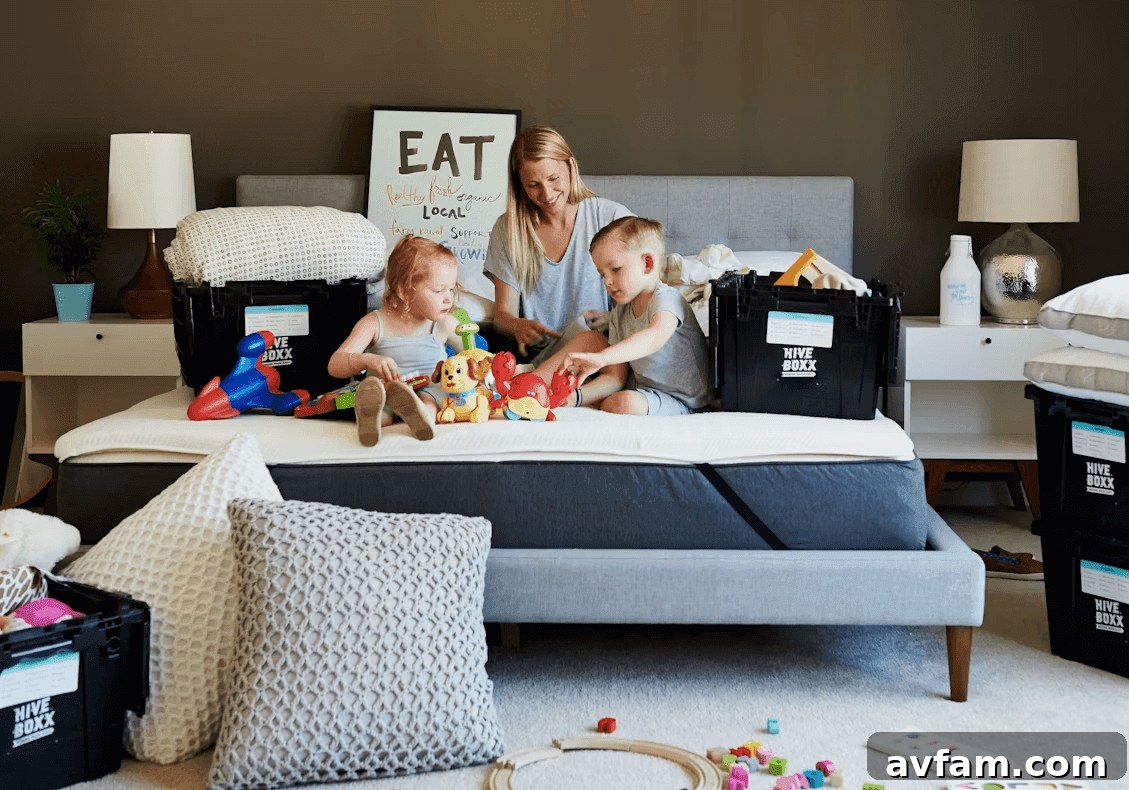
Adults tend to treat a move like a project with lists and deadlines. For children, a move often feels like their whole world is being disassembled and carried away. Whether a family navigates the transition smoothly or faces weeks of bedtime battles usually depends less on distance or the new house and more on how the days surrounding moving day are handled.
Tell them early, and match the message to their age
Waiting until everything is certain can backfire: children notice boxes and packing long before parents announce the change. Tailor your explanation to each child’s developmental level. Toddlers need simple, concrete statements such as “we’re taking your toys to the new house.” School-age children want practical answers: Will I change schools? Can my friends visit? Teenagers need autonomy—offer them meaningful choices about their new room or routines so the move feels less like something being done to them and more like a change they can influence.
Give every child a “first night” box they pack themselves
Have each child pack a personal “first night” box: a favorite stuffed animal, pajamas, a night light, a bedtime book, and clothes for the next day. This box should travel with the family in the car rather than go on the moving truck. The purpose goes beyond convenience: watching their most important items remain within reach reassures children emotionally. Parents should also prepare a similar kit with sheets, towels, chargers, toiletries, and coffee—the first night in a new home matters for everyone.
Moving day: little kids off-site, older kids on the roster
For toddlers and preschoolers, the safest and least stressful option is to arrange care off-site—grandparents, a trusted friend, or daycare. Crews are carrying heavy furniture through open doors, and a young child underfoot is a safety risk and likely to be overwhelmed. Children who are old enough to contribute benefit from clear responsibilities: give them real jobs with titles such as “box labeler,” “room inspector,” or “water-bottle manager.” Being useful and engaged reduces anxiety and keeps them occupied more effectively than simply telling them to stay out of the way.
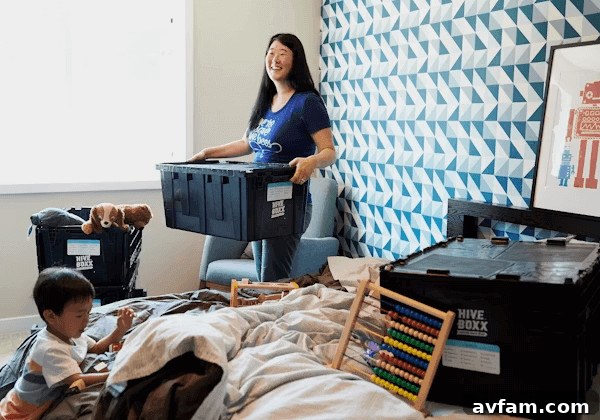
Set up the children’s rooms first — before your own or the kitchen
One of the fastest ways to make an unfamiliar house feel like home is to prioritize children’s bedrooms. Assemble the bed, put on familiar sheets, hang curtains, and place a few favorite items where they can be seen before bedtime. Everything else can remain in boxes for a few days. Maintain the bedtime routine on that first night—same book, same order, same time—because routines travel and provide a sense of stability even when everything else is new.
Expect the dip in week two, not day two
Most children are excited during the move itself. The emotional slump often arrives later, after the novelty wears off and the absence of familiar friends and places becomes real. Younger children may become clingy or regress in behaviors; older children might show moodiness. This decompression is normal and usually improves quickly when families reconnect children with activities—resuming a sport or class within a couple of weeks helps—and respond to setbacks with patience. If symptoms last beyond a month or two, consult a pediatrician, but most kids adjust well with time and support.
Timing the move: summer or mid-year?
Summer moves are often easier logistically and give families time to settle in before school, but they can leave children without immediate social opportunities for weeks. Moving during the school year places a child directly into a classroom, where friendships can form quickly. There is no single correct answer. For children who are socially motivated, arriving a few weeks before the semester starts can offer a helpful balance: time to adjust at home while still having a clear path to meet peers once school begins.
What movers notice
Experienced movers can tell early on which families have planned for their children and which are scrambling. A clear routine and assigned roles create a calmer atmosphere. For example, a child designated as “inventory manager” with a clipboard checking off boxes can become a memorable part of the day—helpful for the crew and empowering for the child. These small strategies reduce stress for parents and make the unloading process smoother.
FAQ
Should children be present on moving day? For kids under six, arrange off-site care when possible. For children six and older, include them with specific, meaningful tasks. The worst scenario is leaving an older child bored and unsupervised for hours.
How do I transfer school records for a local move? Request records from the current school once enrollment in the new district is confirmed; many districts transfer records directly. Enroll as early as the new district allows to avoid unnecessary missed class time.
Is moving during the school year a bad idea? Not necessarily. Teachers often integrate mid-year arrivals smoothly, and classmates provide a ready social network. Coordinate logistics so a child’s first day isn’t overwhelmed by unpacking responsibilities.
How long until children feel settled? Most children establish a new normal within four to six weeks, especially when their room is set up first, activities resume quickly, and connections with old friends are maintained through calls or visits.