
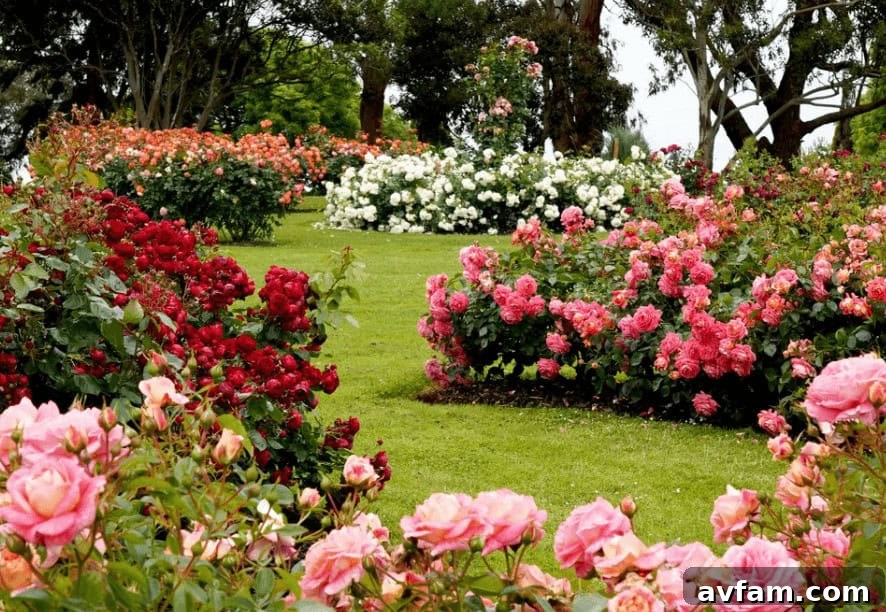
Imagine an outdoor space that perfectly complements your lifestyle, an extension of your home designed for ease, beauty, and purpose. In 2026, the focus of innovative yard and garden designs has shifted away from superficial trends and towards practical, impactful upgrades. These aren’t about extravagant features but rather smart solutions that conserve resources like time, water, and space, all while creating an intentional, aesthetically pleasing environment. The modern yard reflects a conscious choice for efficiency and personal enjoyment, making your outdoor area truly work for you, not against you.
One of the most compelling reasons to reconsider your yard design is its impact on water usage. Data shows that in the average home, over 30% of all water consumption occurs outdoors. This figure can skyrocket to roughly 60% in arid regions, where inefficient irrigation methods unfortunately waste up to half of that precious water. Sustainable landscaping and water-wise garden designs are no longer just eco-friendly options; they are essential for responsible homeownership and significant savings on utility bills.
If there’s one key takeaway from embracing modern landscape design, it’s this: truly exceptional outdoor living spaces are crafted by harmoniously blending three core elements. First, a well-defined and cohesive style provides a clear aesthetic direction. Second, a smart and functional layout optimizes flow and usability. Finally, a few standout features act as focal points, adding character and interest. These features don’t need to be complex; they can be as simple as strategically placed vertical planters, a crisply defined gravel zone, artfully layered borders, or subtle smart home technology that automates routine tasks, freeing up your valuable time for enjoyment rather than maintenance.
Achieving a stunning and functional garden doesn’t require an unlimited budget or a blank canvas. The real magic lies in thoughtful planning and a clear vision. You simply need a well-considered plan that perfectly fits the unique dimensions and characteristics of your space, coupled with a design style that resonates with you and will continue to bring joy season after season. It’s about creating a personal oasis that evolves with you, rather than a fleeting trend you’ll tire of by mid-summer.
Define Your Outdoor Style, Then Craft a Simple, Functional Plan for Your Space
Even with perfectly healthy and thriving plants, a yard can sometimes feel disjointed or “off.” Often, the issue isn’t with the plants themselves, but rather a lack of a cohesive style anchor and a layout that feels haphazard instead of intentional. The first crucial step towards a beautiful and functional outdoor space is to quickly define your desired aesthetic direction. Once you have a clear vision, you can then sketch out a practical plan that you can realistically follow and maintain.
To begin uncovering your ideal yard style, start by observing three key clues about your current space and personal preferences:
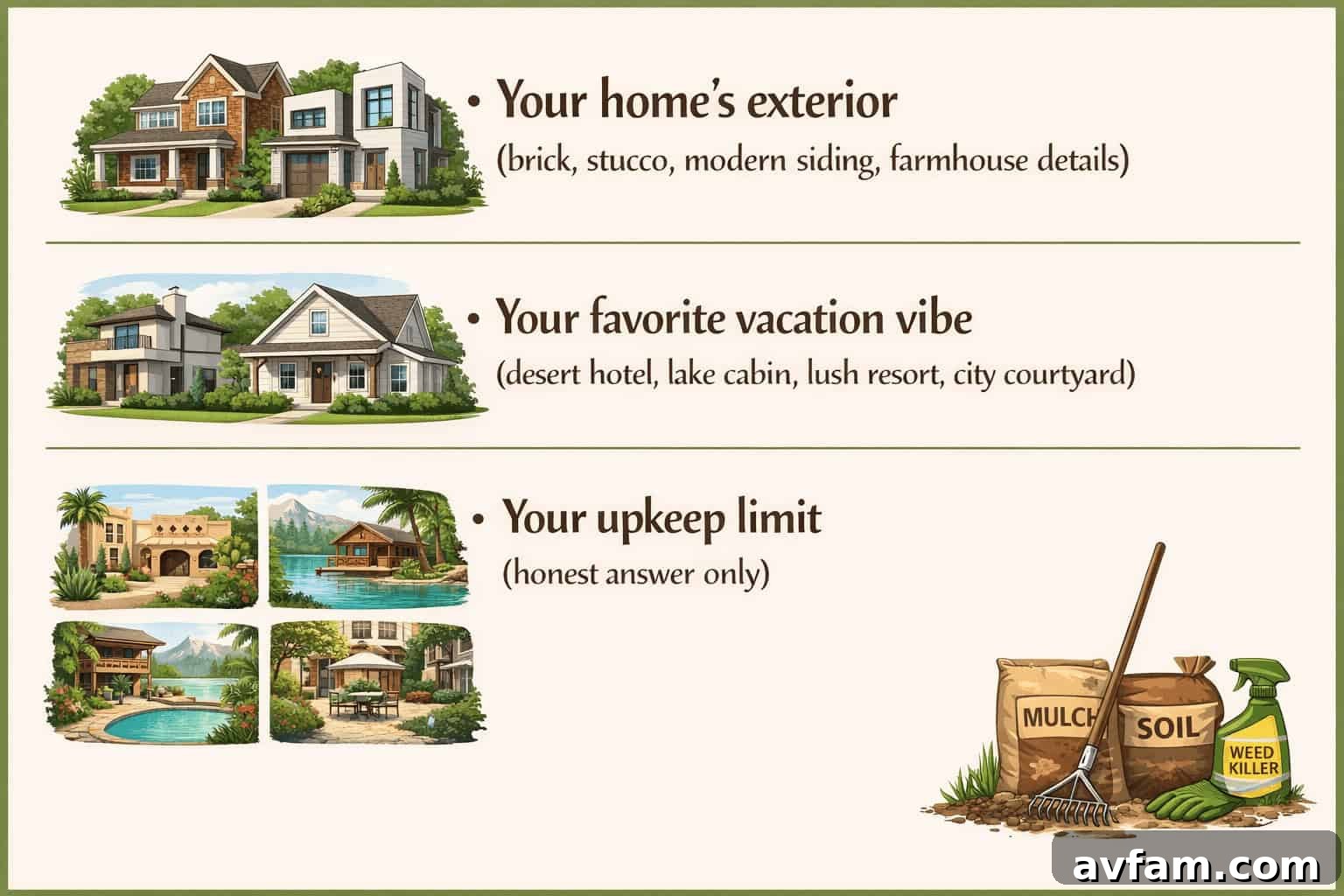
Following this initial assessment, take a few moments to create a quick, rough plan on paper. There’s no need for expensive software or elaborate drawings; a simple sketch will suffice. Begin by mapping out the existing features of your yard and then mark the areas that receive full sun and those that are predominantly shaded throughout the day. This crucial step informs your plant choices and the placement of activity zones. Next, consciously choose 2 to 3 distinct zones that you will design with specific purposes in mind, rather than letting them emerge by accident. Most residential yards benefit greatly from a well-defined hangout or entertainment zone, a dedicated planting zone for visual appeal and nature, and at least one clear, inviting path connecting these areas. Thoughtful zoning is the cornerstone of effective yard design, ensuring every square foot is utilized efficiently.
Recent surveys highlight a significant trend: approximately 64% of homeowners now desire multi-functional outdoor spaces. These versatile areas should accommodate a variety of activities, from tranquil relaxation and lively entertaining to even supporting remote work. Designing your yard with a clear purpose, directly aligned with how you actually intend to use it, quickly yields dividends in terms of enjoyment, functionality, and overall satisfaction. Intentional design transforms a mere yard into a dynamic extension of your home.
Finally, for a polished and easily manageable look, maintain a concise palette of plant choices. A smaller selection of species, thoughtfully repeated throughout the landscape, imparts a more “designed” and sophisticated aesthetic, while also significantly simplifying maintenance. Furthermore, think in layers when arranging your plants. A mixed, layered planting scheme—incorporating ornamental grasses for movement, vibrant perennials for seasonal color, and small shrubs for structure—creates depth, texture, and visual interest. This approach elegantly avoids the dated and monotonous “row of bushes” look, bringing a dynamic and natural feel to your garden beds.
A Rapid Style Selector: Modern, Rustic, Minimalist, Tropical, or Eco-Focused Gardens
- Modern Garden Designs: Characterized by sleek aesthetics, modern gardens embrace clean lines, geometric shapes, and a minimalist approach. This emphasis on clarity and efficiency, often coupled with drought-aware planting, explains why Santa Fe landscape design has remained highly influential. Homeowners seeking strong structure, refined texture, and lower water consumption find modern design principles highly appealing. Envision expansive pavers, elegant black or natural wood screens, and mixed planting beds featuring striking ornamental grasses and resilient perennials. Materials like concrete, corten steel, and natural stone are frequently incorporated to enhance the contemporary feel and provide lasting durability.
- Rustic Backyard Style: Evoking the charm of a relaxed meadow infused with thoughtful structure, the rustic style offers an inviting, unpretentious ambiance. Natural elements such as local stone, richly weathered wood, and a cozy fire pit corner feel perfectly at home in this setting. Plant selections typically favor native or naturalized species that appear as if they grew there organically, like vibrant coneflowers, fragrant salvias, and airy, flowing grasses. The goal is to create a soft, welcoming environment that harmonizes with the surrounding natural landscape, often featuring meandering paths and informal planting arrangements that encourage wildlife.
- Minimalist Garden Designs: Ideal for individuals who appreciate simplicity and abhor visual clutter, minimalist gardens are defined by their understated elegance. Key features include expansive gravel gardens, textural green-on-green planting schemes, and a few carefully chosen sculptural plants or art pieces that command attention. Materials are kept simple and refined, often focusing on concrete, stone, or smooth wood. In minimalist design, the strategic use of empty space is just as crucial and impactful as the carefully curated planted areas, allowing each element to breathe and contribute to a serene, contemplative atmosphere.
- Tropical Garden Style: Designed to immerse you in a lush, exotic escape, tropical gardens are all about bold foliage, vibrant colors, and creating a sense of privacy and seclusion. Picture dense, layered plantings, oversized decorative containers, and natural screens that artfully conceal mundane fences. Even a modest patio can be transformed into a personal mini-resort when container gardens are strategically used to introduce varying heights, rich textures, and dramatic leaf shapes. Incorporate elements like bamboo, palms, ferns, and brightly colored flowering plants to achieve that quintessential tropical vibe, often complemented by small water features for a soothing sensory experience.
- Eco-Focused Garden Designs: Embracing sustainability and ecological responsibility, eco-focused gardens prioritize environmental harmony. This style often integrates native plant species that support local wildlife and pollinators, significantly reduces water usage through xeriscaping or smart irrigation, and incorporates elements like rain gardens or permeable pathways for water management. Edible landscapes, compost systems, and the use of recycled or locally sourced materials are common. The design often mimics natural ecosystems, fostering biodiversity and creating a resilient, low-impact outdoor space that contributes positively to its environment.
Layout That Works: Repeating Shapes, Clear Paths, and Strategic Focal Points
A truly smart and effective garden layout doesn’t demand perfect, rigid symmetry. Instead, it relies on a few fundamental design principles that ensure the yard remains visually coherent, inviting, and easy to navigate. These rules create an underlying structure that makes the space feel intentional and harmonious.
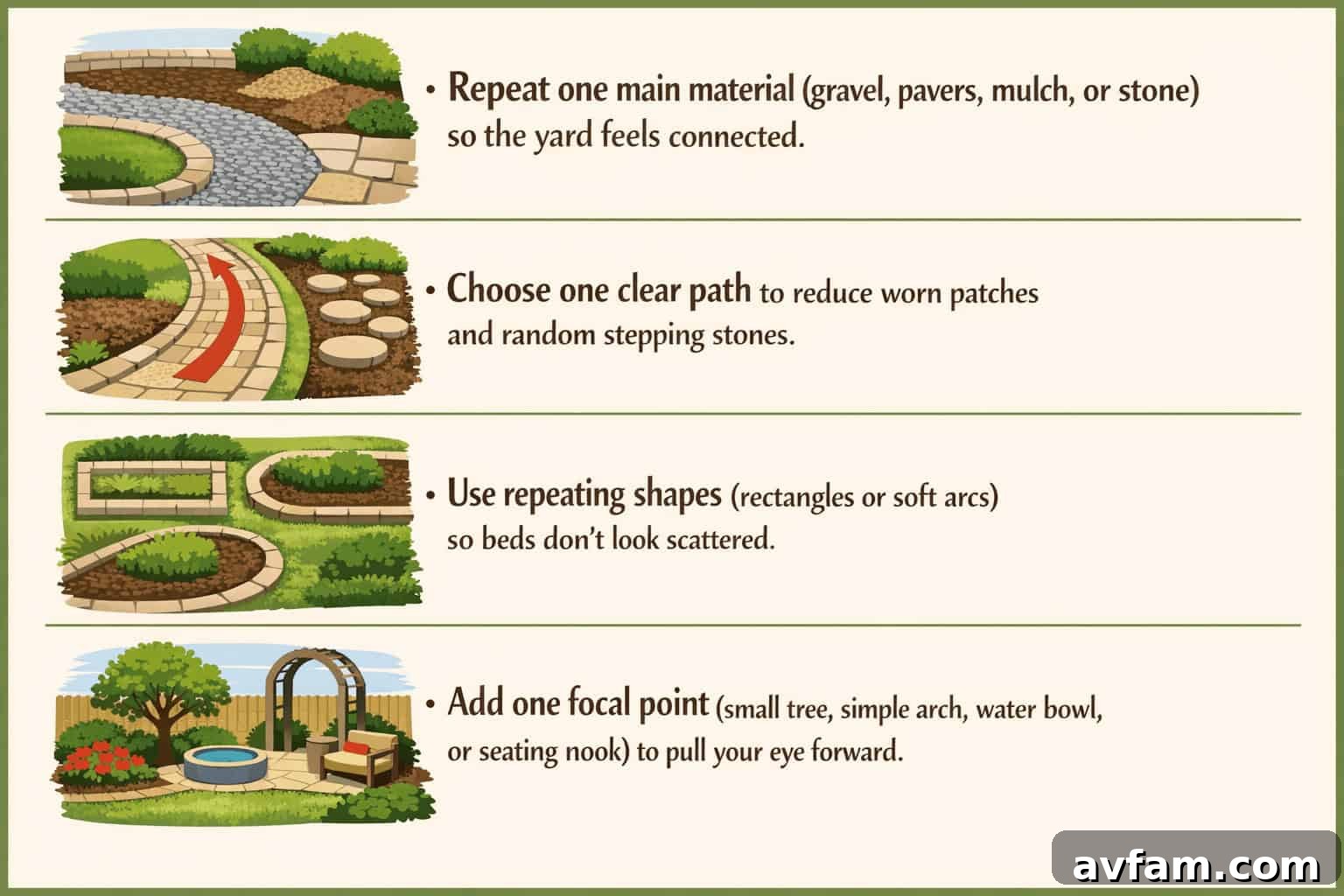
One of the most effective strategies is to subtly repeat shapes or materials throughout your design. This creates a sense of unity and rhythm, guiding the eye smoothly across the landscape. For instance, if you use circular pavers for a patio, repeating a curved edge in a nearby planting bed or a round fire pit can tie the design together seamlessly. A clear and inviting path is paramount; it naturally directs foot traffic, prevents wear on planting areas, and encourages exploration of different garden zones. This path should lead somewhere, providing a sense of purpose and destination. Finally, incorporating one or more focal points—whether it’s a striking specimen tree, a beautiful piece of garden art, a water feature, or a vibrant planting display—draws attention and adds depth to the landscape, giving the eye a place to rest and appreciate the design.
Privacy is another critical consideration for creating comfortable and functional outdoor spaces. Thoughtfully placed screens, decorative trellises, and airy, open structures like pergolas or arbors can effectively block undesirable views or create intimate “rooms” within the garden without making the entire yard feel enclosed or claustrophobic. These elements allow light and air to pass through, maintaining a sense of openness while still providing the desired level of seclusion. Strategic placement of taller shrubs or evergreen hedges can also offer year-round privacy, transforming your yard into a truly private sanctuary.
Unleashing Innovation: Garden Designs to Elevate Any Yard
Once you’ve firmly established your desired style and a functional layout, the truly exciting phase of garden design begins. The most impactful and useful yard and garden designs for 2026 share a common, powerful theme: they seamlessly integrate enhanced functionality without imposing additional chores or maintenance burdens. You’ll observe a rising trend towards “soft structures” such as graceful arches, inviting pergolas, elegant obelisks, and versatile trellises. These elements provide crucial architectural “bones” to the garden, offering definition and vertical interest, while the surrounding plants maintain a relaxed, natural, and flowing aesthetic. This synergy creates outdoor spaces that are both structured and organic, beautiful and practical.
Furthermore, the traditional expanse of a monoculture lawn is increasingly becoming a design choice rather than an automatic default. Homeowners are actively choosing to replace portions of their high-maintenance lawns with more ecologically beneficial and visually diverse alternatives. This includes the emergence of stylish gravel gardens, vibrant meadow patches brimming with wildflowers, and rich, mixed borders that actively support pollinator populations. Concurrently, the importance of outdoor living remains a top priority, with a growing emphasis on creating small, inviting “rooms” or zones that beckon you outdoors, even for a casual coffee on a random Tuesday morning. These spaces blur the lines between indoor comfort and natural beauty.
Below, we delve into a selection of innovative yard upgrades that are incredibly versatile. They can be integrated into almost any garden style, allowing you the flexibility to scale them up or down to perfectly suit the specific size and characteristics of your unique outdoor space.
Maximize Space Vertically: Vertical Gardens, Screens, and Climbing Structures
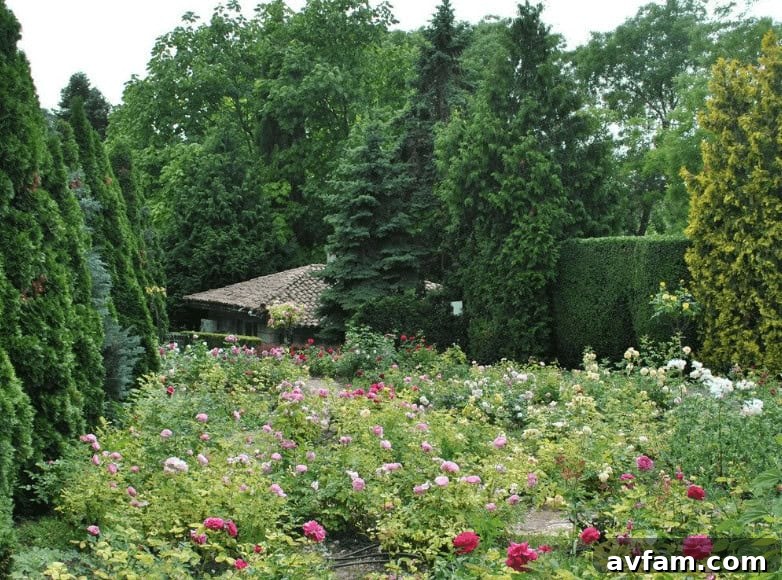
For those grappling with limited outdoor square footage, vertical planting emerges as an indispensable design strategy and a true small-yard cheat code. It allows you to introduce lush greenery and vibrant plant life without consuming precious ground space, a critical advantage for urban patios, narrow side yards, and compact lots. Vertical gardens transform otherwise blank walls or fences into living tapestries, adding immense aesthetic value and ecological benefits.
Wall-mounted trellises are particularly effective when placed near seating areas, as they rapidly soften hard architectural surfaces and introduce a sense of natural beauty. Elegant obelisks and slender arches serve as fantastic anchors within planting beds, providing clear support and a defined purpose for climbing plants. Panel screens offer a dual benefit, acting as both privacy barriers and ideal surfaces for vining plants to ascend. This is especially useful when you need to delineate areas or obscure views without completely blocking valuable light flow. These structures not only support plant growth but also add architectural interest and height, drawing the eye upwards and making the space feel larger and more dynamic.
For a unique twist with a tropical leaning, consider incorporating kokedama – an ancient Japanese art form where a plant is grown in a wrapped soil ball. Hung in clusters at varying heights, these living sculptures offer a bold and artistic statement, effortlessly transforming a mundane blank corner into a captivating focal point. Their organic form and suspension create a sense of lightness and movement.
Beyond aesthetics, vertical planting also contributes significantly to efficient water use. When integrated with effective mulch applications and positioned out of the harsh, intense afternoon sun, plants in vertical systems tend to dry out more slowly. This reduced evaporation means you’ll need to water less frequently, conserving water and reducing maintenance, all while enjoying a lush, green display.
Revolutionizing the Lawn: Gravel Gardens, Meadow Patches, and Low-Mow Groundcovers
If maintaining a traditional grass lawn feels like a constant part-time job, you are certainly not alone. The shift towards more sustainable and low-maintenance landscaping means homeowners are rethinking the role of the lawn. A smarter, more efficient approach is to retain turf only in areas where it serves a specific, active purpose – such as play areas or primary pathways – and then creatively upgrade the rest of your outdoor space with more diverse and less demanding alternatives.
Gravel gardens are an exceptionally strong choice for areas that experience intense sun and heat, making them perfect for driveways, front borders, or any spot that bakes throughout the day. They offer a sleek, modern aesthetic, significantly reduce water consumption, and when properly installed with a sub-base and clean edging, they can dramatically suppress weed growth. Plant these areas with a curated selection of drought-tolerant perennials, succulents, and ornamental grasses for a lively yet sophisticated look that thrives in challenging conditions. The permeable nature of gravel also aids in drainage, preventing runoff and improving soil aeration. Consider varieties like lavender, sedum, salvia, and various species of Fescue or Switchgrass to create a textured, water-wise display that is both beautiful and resilient.
Meadow patches offer a delightful and ecologically rich alternative to manicured lawns, fostering biodiversity and bringing a touch of natural beauty to your yard. These vibrant zones are cultivated with a mix of native wildflowers and grasses, providing essential habitat and food sources for pollinators such as bees and butterflies. Establishing a meadow patch can be done from seed or with plugs, and once established, they require minimal maintenance, primarily a single cutback annually. Beyond their ecological benefits, meadow patches offer continuous seasonal interest with their changing array of blooms and textures, transforming a mundane lawn area into a dynamic, living ecosystem. They are perfect for larger areas where a naturalistic feel is desired, blending seamlessly with the surrounding landscape while significantly reducing water use and the need for frequent mowing.
For areas where a green carpet is still desired but without the high maintenance of traditional turf, low-mow groundcovers present an excellent solution. These plants, such as creeping thyme, clover, sedum, or even certain moss varieties, offer many of the benefits of a lawn—like erosion control and a soft underfoot feel—but with vastly reduced watering and mowing requirements. They come in a variety of textures and shades of green, allowing for creative design possibilities. Clover, for instance, fixes nitrogen in the soil, enriching it naturally, and provides a continuous supply of nectar for pollinators, all while staying relatively low. Creeping thyme releases a pleasant fragrance when stepped on and tolerates light foot traffic, making it ideal for path edges or between pavers. Selecting the right low-mow groundcover depends on your specific climate, sun exposure, and desired level of foot traffic, but all offer a sustainable and attractive alternative to thirsty, high-maintenance grass.
Embrace Smart Water Management: Drip Irrigation and Rainwater Harvesting
Reducing outdoor water usage is not just a trend; it’s a critical component of modern, sustainable landscape design. Implementing smart water management techniques can drastically cut your water bill and conserve a vital resource. One of the most effective strategies is the installation of a drip irrigation system. Unlike traditional sprinklers that often lose water to evaporation and runoff, drip systems deliver water directly to the plant’s root zone, precisely where it’s needed most. This targeted approach ensures maximum efficiency, minimizing waste. Paired with smart irrigation controllers that adjust watering schedules based on local weather forecasts and soil moisture levels, drip systems provide an optimized watering solution. These controllers prevent overwatering during rainy periods and ensure your plants receive adequate hydration during dry spells, all without you having to lift a finger.
Another powerful tool in water conservation is rainwater harvesting. Collecting rainwater in rain barrels or larger cisterns provides a free and sustainable source of irrigation water for your garden. Diverting runoff from your roof can significantly reduce your reliance on municipal water supplies, especially during dry periods. Rain barrels are easy to install beneath downspouts and can store dozens of gallons of water, perfect for watering container plants or small garden beds. For more extensive needs, integrating larger cisterns into your landscape design can provide a substantial reserve, effectively turning rainfall into a valuable resource for your entire yard. Furthermore, incorporating permeable surfaces like gravel paths or permeable pavers into your hardscaping allows rainwater to slowly infiltrate the soil rather than run off, replenishing groundwater and reducing stormwater impact.
Cultivate a Productive Landscape: Edible Gardens and Permaculture Principles
Modern garden design increasingly blurs the lines between ornamental beauty and practical productivity. The concept of an edible landscape embraces this synergy, integrating fruit trees, berry bushes, herbs, and vegetables directly into your existing garden beds and ornamental plantings. Imagine harvesting fresh herbs from your kitchen garden just steps from your back door, or picking berries directly from a beautiful shrub that also provides seasonal interest. This approach not only yields delicious, fresh produce but also adds a unique texture and dynamic quality to your garden, often attracting beneficial insects and pollinators.
Drawing inspiration from permaculture principles, edible landscapes prioritize multi-functional plants and efficient resource use. This means choosing plants that offer multiple benefits—a tree that provides fruit, shade, and attracts pollinators, for example. Companion planting, where certain plants are grown together to enhance growth, deter pests, or attract beneficial insects, is another key strategy. By designing a garden that works with nature, rather than against it, you can create a self-sustaining ecosystem that requires less input and provides more output. This approach transforms your yard into a living pantry, connecting you more intimately with your food sources and fostering a greater sense of self-sufficiency.
Illuminate Your Evenings: Outdoor Lighting and Integrated Technology
The functionality and appeal of your outdoor space shouldn’t end when the sun sets. Thoughtful outdoor lighting transforms your garden into an enchanting and safe environment, extending its usability long into the evening hours. Strategic lighting can highlight architectural features, illuminate pathways for safety, and create specific moods for dining, entertaining, or quiet relaxation. From soft, ambient string lights that evoke a festive atmosphere to task lighting for outdoor kitchens and subtle up-lighting that showcases a beautiful tree, the right lighting scheme is essential for maximizing your garden’s potential.
Beyond traditional lighting, the integration of smart technology is rapidly enhancing the modern outdoor living experience. Smart lighting systems allow you to control brightness, color, and timing from your smartphone, creating dynamic scenes for any occasion. Similarly, hidden outdoor speakers can provide background music without cluttering the aesthetic, while Wi-Fi extenders ensure connectivity for outdoor work or entertainment. Automated shading systems, integrated outdoor heating, and even robotic lawnmowers represent the “hidden tech” that handles the mundane, leaving you free to simply enjoy your beautifully designed and effortlessly functional outdoor oasis. These technological advancements blend seamlessly into the landscape, enhancing comfort, convenience, and security without detracting from the natural beauty.
Sustainable Choices: Materials and Eco-Conscious Practices
Creating an innovative garden in 2026 also means making informed choices about the materials you use and the practices you employ. Opting for sustainable materials significantly reduces your environmental footprint. This includes incorporating recycled materials like reclaimed wood for decking or fencing, repurposed brick for pathways, or glass aggregates in hardscaping. Local sourcing of stone or lumber not only supports local economies but also minimizes transportation costs and associated emissions. Choosing durable, long-lasting materials reduces the need for frequent replacement, further enhancing sustainability.
Beyond materials, embracing eco-conscious practices throughout your garden’s lifecycle is paramount. Implementing a robust composting system turns kitchen and garden waste into nutrient-rich soil amendments, reducing landfill waste and improving soil health naturally. Practicing organic pest control, using beneficial insects, and avoiding synthetic pesticides and herbicides protects local ecosystems and ensures a healthier environment for your family and pets. Thoughtful plant selection, prioritizing native species and plants adapted to your climate, reduces the need for excessive watering and chemical inputs, creating a resilient and thriving garden that harmonizes with its natural surroundings. These sustainable choices ensure your innovative garden is not only beautiful and functional but also a responsible steward of the environment.