
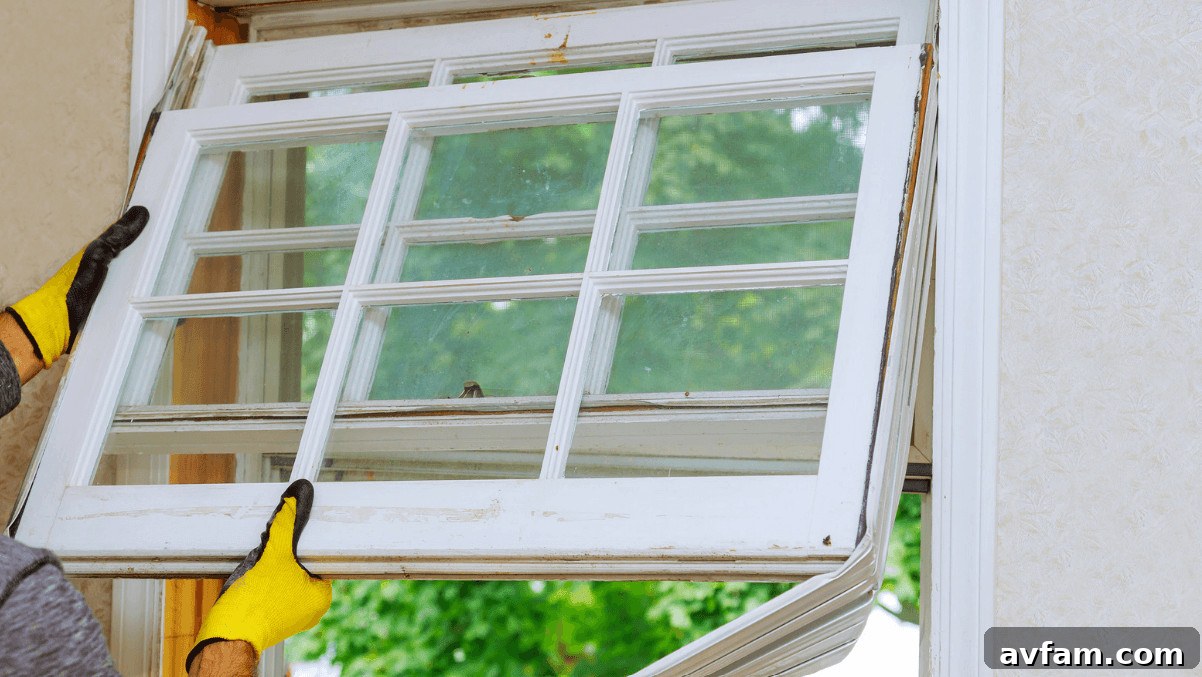
Most windows begin to show wear long before they stop functioning entirely. You may notice a cold draft at the frame, persistent condensation that won’t wipe away, or a sash that has become stiff to open and close. These issues are easy to ignore in mild weather but become much more apparent—and costly—when temperatures plunge.
Inspecting your windows before winter gives you time to determine whether a simple repair will suffice or if a full replacement is needed. It also lets you address drafts and insulation problems before your heating system is in constant use, helping you maintain comfort and control energy costs.
Below are common signs that an older window may be nearing the end of its useful life, along with practical considerations for timing and professional help.
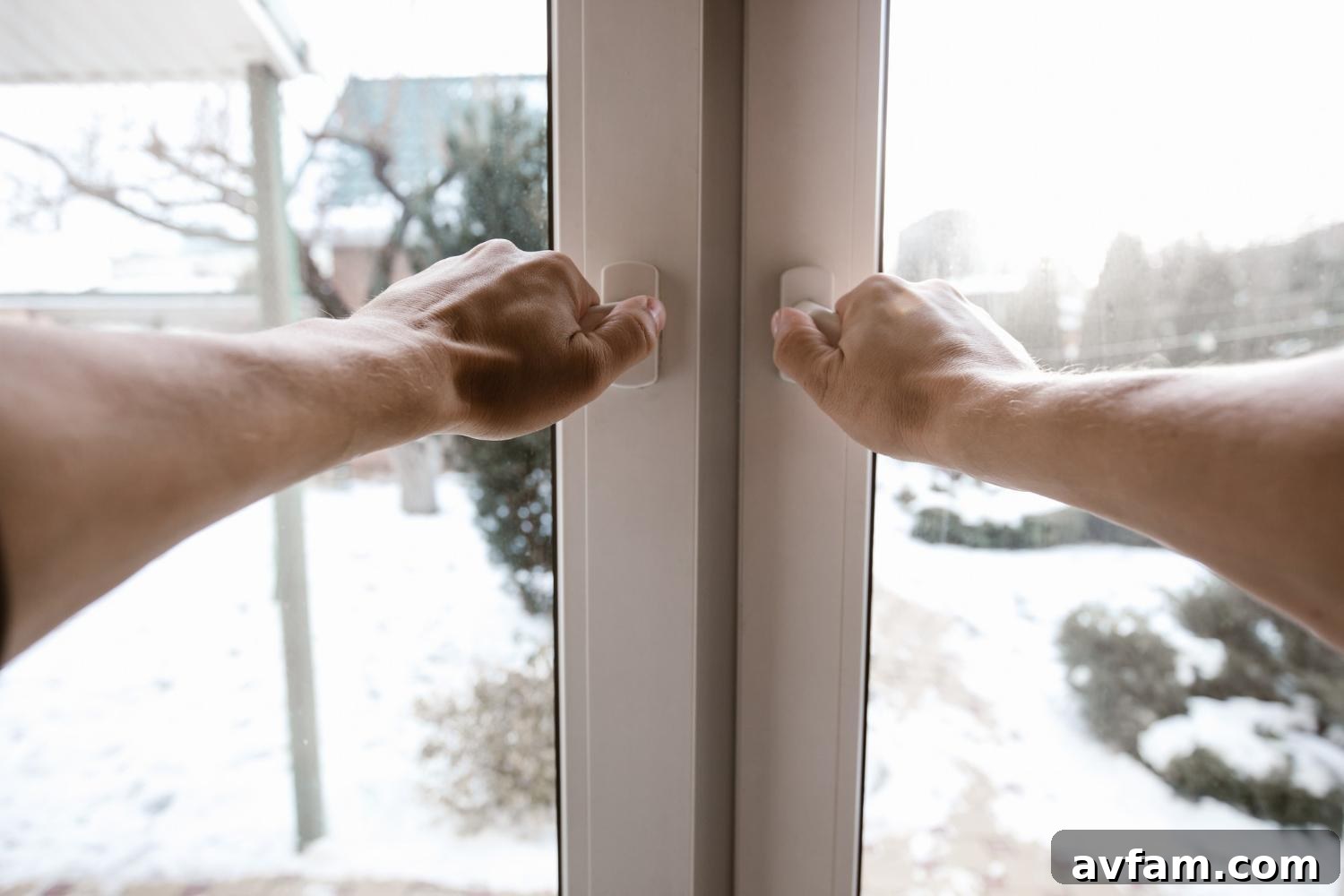
Image by maximkostenko on Magnific
Working with a window replacement specialist
Choosing replacement windows involves more than selecting a style. Frame material, glass type, energy performance ratings and the quality of installation all influence how well new windows will perform. Climate plays a major role too—specifications that make sense in a warm coastal area differ from those needed in a region with long, cold winters.
When evaluating installers and products, compare frame materials (wood, vinyl, aluminum, composite), glazing options (double or triple pane, low-E coatings, insulating gases) and certified energy ratings. A reputable installer will assess local climate conditions, review your priorities—comfort, durability, appearance, budget—and recommend products and installation methods that match your home’s needs.
Condensation between the panes
Double- and triple-pane windows are sealed units that often contain insulating gases. When the edge seal fails, moisture can enter the space between the panes and create fogging or condensation that cannot be wiped away from the interior or exterior surfaces.
A failed seal reduces the window’s insulating ability and tends to worsen over time. Because heat gain and loss through windows account for a significant portion of residential heating and cooling energy use, compromised seals are worth addressing before the cold season arrives.
Drafts around the frame
You don’t need specialized tools to check for drafts. On a cold day, move your hand slowly around the frame and sash to feel for moving air. Detecting a draft often indicates worn or missing weatherstripping, gaps where the frame meets the opening, or settling that has shifted the window.
In many cases, replacing weatherstripping or adjusting the sash will stop the draft. If the frame is warped, cracked, or separated from the opening, however, repair may not be sufficient and replacement should be considered.
Difficulty operating the window
A window that becomes hard to open or close should be inspected promptly. Wood frames can swell or warp with moisture and temperature changes; vinyl can also distort over time. Hardware and sash balance systems wear out as well.
Also check the latch and locking mechanisms. If the sash no longer aligns so the latch engages fully, the window may not seal tightly, allowing cold air in and creating a potential security issue.
Visible frame damage
Soft, spongy areas in a wood frame point to rot, often from long-term exposure to moisture. If left untreated, this damage can spread to adjacent wall materials and make repairs much more extensive and expensive.
Vinyl and composite frames can show cracks, stress fractures at corners, or broken seals. If visible damage continues to worsen or affects structural integrity, replacement is usually the most cost-effective long-term solution.
Cold surfaces and radiant heat loss
Sometimes inefficient windows reveal themselves by feel: on a cold day, older or single-pane glass will feel noticeably colder than surrounding walls. Sitting or standing near such windows can make a room feel chillier even when the thermostat is set higher.
Modern energy-efficient glazing—low-E coatings, multiple panes and insulating gases—reduces heat transfer and improves comfort. Replacing a single-pane or poorly performing double-pane window with a high-performance unit often makes interior spaces feel warmer and reduces heating demands.
Timing the replacement
If you want new windows installed before winter, start planning well before the first cold snap. Custom or semi-custom windows can take weeks to order, and installation is generally easier when temperatures are moderate.
Scheduling work in early to mid-autumn gives you time to choose the right products, address unexpected issues at the openings, and have everything properly sealed and insulated before heating season ramps up.
Don’t wait for a window to fail completely
Windows don’t have to be visibly broken to cause problems. Persistent drafts, condensation between panes, damaged frames and windows that no longer latch or operate smoothly are all valid reasons to investigate and act before cold weather arrives.
Some issues require only relatively simple fixes like new weatherstripping or hardware repairs. Others—failed seals, structural frame damage or chronically poor thermal performance—point to replacement as the smarter long-term option. By checking early you’ll have time to compare materials and installers, plan for the work, and avoid the discomfort and higher energy bills that come with winter drafts and heat loss.