
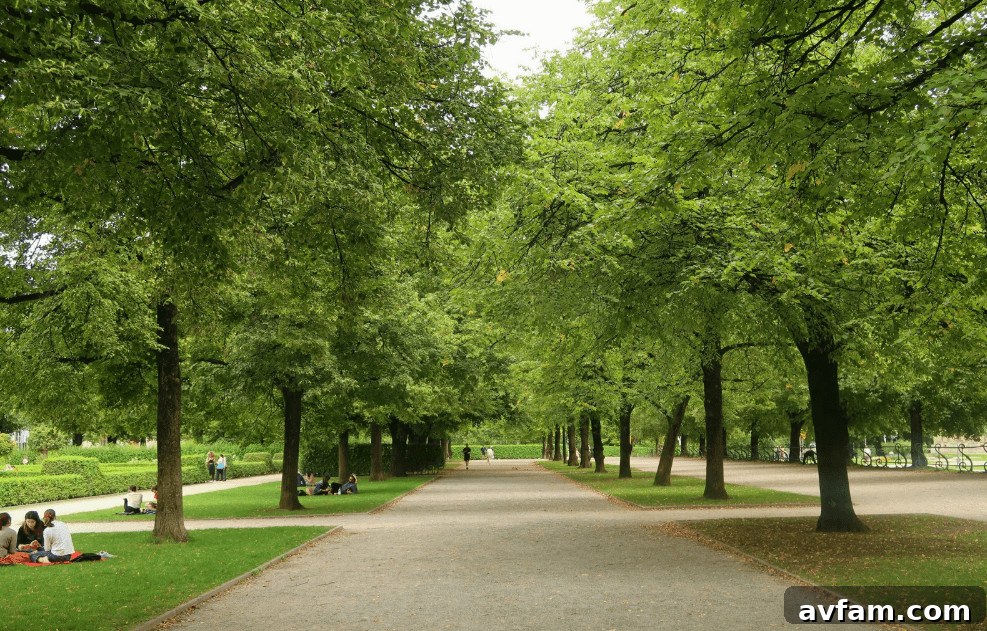
Healthy urban trees do more than beautify neighborhoods. They provide shade, improve air quality, protect property, and support healthier, more sustainable communities. For homeowners, caring for trees on and around their property is an investment that improves curb appeal, increases property value, and creates a safer outdoor environment. Whether through routine maintenance or by working with professional tree services, regular care helps trees continue delivering these long-term benefits. Even mature trees can decline without proper attention, reducing their ability to support the surrounding landscape and the broader urban ecosystem.
The Environmental Benefits of Urban Trees
Urban trees play a crucial role in improving air quality by filtering pollutants and releasing oxygen into densely populated areas. They absorb carbon dioxide, making them an essential natural tool for reducing greenhouse gas concentrations in expanding cities. This function contributes directly to public health and environmental resilience in neighborhoods with high population density and industrial activity.
Beyond air filtration, trees provide shade that helps regulate urban temperatures. This cooling effect mitigates the urban heat island phenomenon—where built-up areas become significantly warmer than surrounding rural zones—by lowering surface and air temperatures. Reduced heat demand in turn decreases energy use for cooling homes and buildings, cutting energy costs and greenhouse gas emissions.
Supporting Biodiversity in City Environments
City trees support a surprising level of biodiversity, offering habitat for birds, insects, and small mammals. Canopies provide food, shelter, and nesting sites that help maintain wildlife populations even in heavily developed areas. This ecological support contributes to healthier urban ecosystems and helps preserve species diversity within cities.
Trees also sustain beneficial soil organisms and help prevent erosion. Root systems stabilize soil, improve water infiltration, and reduce runoff and flood risk. These functions are vital for sustainable stormwater management and landscape resilience, especially in areas prone to extreme weather events.
The Importance of Regular Tree Maintenance
To deliver environmental, economic, and social benefits, trees must be properly maintained. Regular pruning, inspections, and disease management promote safe growth and help identify structural problems early. Neglected trees can become hazardous to people, property, and nearby infrastructure.
Professional maintenance detects disease or structural issues before they become severe, allowing targeted treatments that often save trees from decline or removal. A proactive maintenance strategy emphasizes preserving established trees and sustaining long-term canopy cover rather than repeatedly replanting, which supports broader sustainability goals.
Urban Trees and Community Well-Being
Quality green spaces and street trees have a measurable effect on residents’ well-being. Access to trees and parks reduces stress, encourages outdoor activity, and supports mental health. Streets lined with healthy trees foster community interaction and strengthen residents’ connection to their neighborhoods.
Trees also deliver economic benefits. Mature, well-maintained trees can increase property values and make commercial districts more attractive to shoppers and businesses. Investing in proper tree care is therefore both an environmental and economic strategy for improving urban living and long-term neighborhood vitality.
Sustainability Through Responsible Tree Management
Smart urban planning integrates trees into the built environment by selecting appropriate species, providing suitable spacing, and ensuring ongoing care. Thoughtful design and maintenance allow trees to thrive alongside infrastructure and development projects.
Community education and engagement are essential to protecting urban forests. When homeowners and local organizations understand proper tree-care practices and the importance of canopy cover, they can collaborate with professionals to nurture a healthy urban tree population. Together, residents and city planners can build resilient green infrastructure that supports sustainability targets and improves quality of life.
Urban trees play a central role in creating environmentally and socially vibrant cities. Their benefits—cleaner air, richer biodiversity, cooler streets, and stronger communities—are tangible and long-lasting. Municipalities and residents should prioritize tree health to ensure that green infrastructure continues to provide valuable services for future generations.
Conclusion
For homeowners, healthy trees are more than landscape elements: they lower energy costs, support wildlife, enhance property value, and make neighborhoods more enjoyable. Combined with thoughtful urban planning and regular maintenance, responsible tree care helps preserve these benefits for years to come. By investing in proper tree management, homeowners protect their property while contributing to greener, healthier, and more sustainable communities.