
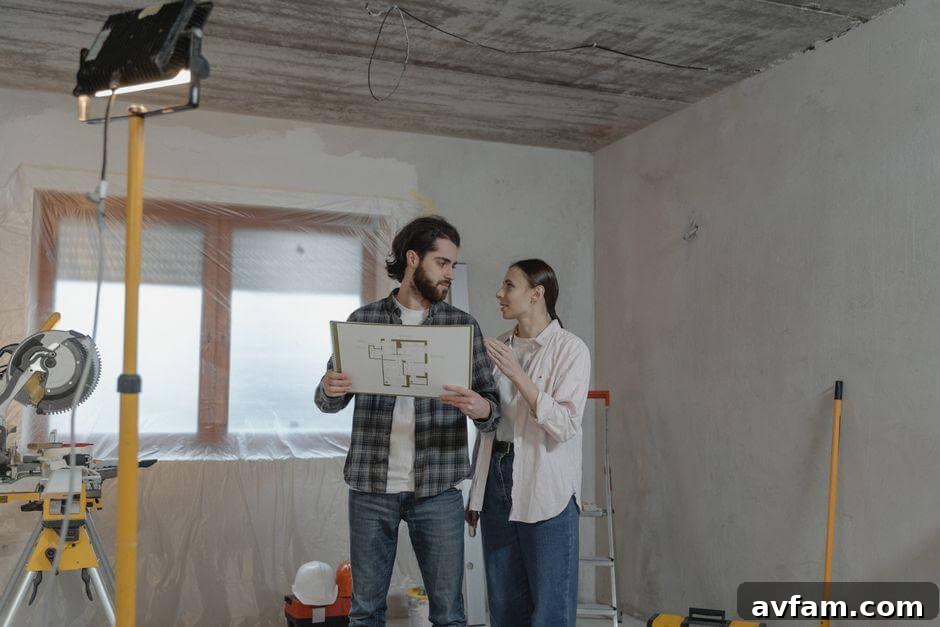
A remodel can be exciting, but without solid planning it quickly becomes stressful and expensive. The smartest renovation projects start long before the first wall comes down. Careful preparation reduces surprise costs, prevents rushed decisions, and helps create a space that genuinely supports your daily life. While no remodel is entirely free of challenges, strong planning prevents many of the most costly mistakes and keeps the project on track.
Start with the Right Help
The earliest phase of a remodel has the greatest influence on the final outcome. This is when you determine what is realistic, estimate costs, and set a timeline. Skipping these steps often leads to delays and expensive changes once construction begins. Engaging a reputable remodeling contractor early can simplify the entire process. An experienced contractor spots potential problems sooner, explains practical options, and steers you away from ideas that may look good in theory but fail in real use.
Professional support is useful for permits, scheduling, and managing the chain reactions that happen when one decision affects several other parts of the project. If you are unsure where to start, a contractor provides structure and direction from day one, helping coordinate design choices, materials, budgeting, and construction tasks so the remodel runs more smoothly.
Know Your Real Goals
Before selecting finishes, fixtures, or paint colors, clarify what you want the remodel to achieve. Is your kitchen too cramped? Do you need more bathroom storage? Are you updating the home’s look, improving comfort, or boosting resale value? These goals should guide every major choice.
If function is the priority, focus on layout, storage, and lighting rather than purely decorative upgrades. If comfort is most important, prioritize traffic flow and ease of use over high-end materials. A practical way to remain focused is to categorize ideas as must-haves and nice-to-haves. This simple exercise keeps spending aligned with real needs and makes it easier to trim nonessential items if the budget tightens.
Set a Workable Budget
A realistic remodeling budget covers more than cabinets, flooring, tile, and labor. Include permits, delivery fees, demolition, debris removal, temporary fixes, and allowances for unexpected conditions hidden behind walls or under floors. Older homes often reveal problems such as water damage, outdated wiring, inadequate insulation, or uneven framing once work begins. Without budget flexibility, these discoveries can stall the project or force difficult compromises.

Think of your budget as a range rather than a fixed number. If your target is $30,000, ask whether the remodel still makes sense if costs rise to $34,000 or more. Accepting a realistic margin reduces the chance of running out of funds before the work is complete and helps you make better decisions when unexpected issues arise.
Think Beyond Trends
Design trends are useful for inspiration but should not dictate every decision. What photographs well online may not match your home, routines, or long-term taste. A successful remodel must perform well in daily life, not just look good in images. Be honest about how you use the space: if you cook often, invest in prep space and a well-designed island; if you rarely entertain, a large seating area may be unnecessary. Families with children or pets should avoid fragile materials that demand constant care.
The most lasting remodels blend timeless elements with personal style. Durable flooring, thoughtful storage solutions, and effective lighting typically age better than trendy finishes. Current styles can enhance the design, but they should support how you live rather than compete with practical needs.
Prepare for Daily Disruption
Remodeling changes more than the physical structure; it disrupts routines. Even small projects produce dust, noise, and workers moving through the house. Larger renovations may interrupt cooking, bathing, sleeping, and privacy. Planning in advance reduces stress during the work.
For kitchen renovations, set up a temporary food station with a microwave, coffee maker, utensils, and a small refrigerator if possible. For bathrooms under construction, designate an alternate bathroom and make sure everyone knows the plan. Clear storage space so furniture and belongings won’t obstruct living areas. Discuss schedules, privacy, and expectations with household members before work begins so the disruption feels manageable instead of chaotic.
Ask Better Questions
Many remodeling issues stem from information gaps. You don’t need to be a construction expert, but you should have clear answers before work starts. Ask about the projected schedule and possible delays, who your main contact will be, and how updates will be communicated. Find out which materials should be ordered early and how cleanup will be handled. Also clarify how change orders are priced and approved if you decide to modify plans mid-project.
Helpful questions include: What is the expected timeline? How will communication occur? Which materials need early ordering? How are change orders handled? Being informed reduces confusion, saves money, and limits frustration during the remodel.
Plan for Lasting Value
A successful remodel should deliver value long after the final reveal. Prioritize improvements that provide long-term benefits: durable materials, smarter storage, better insulation, energy-efficient lighting, and layouts that make everyday life easier. Small comfort upgrades—soft-close drawers, improved ventilation, quality task lighting, and easy-to-clean surfaces—often have an outsized impact on daily living. The best features are those that quietly enhance comfort and convenience rather than just attract attention.