
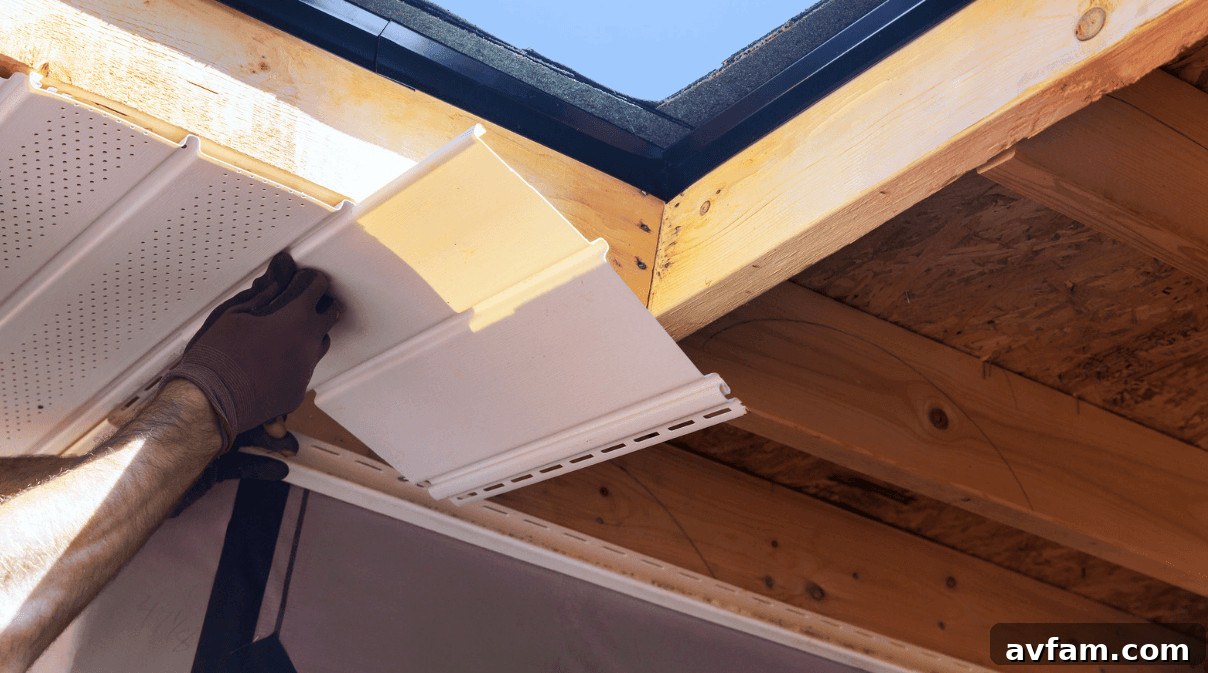
Most homeowners give little thought to the eavestroughs, soffit, and fascia that run along the roof edge, yet these elements play essential roles in protecting a house from water and weather. Working together, they direct rain and melting snow away from the building, protect roof edges from exposure, and allow air to circulate through the attic. When one part begins to fail, the effects can quickly spread to the others—an overflowing gutter can saturate the fascia, and damaged or blocked soffit vents can undermine attic ventilation.
Understanding the separate functions of eavestroughs, fascia, and soffit makes it easier to spot early signs of trouble and decide whether a targeted repair will suffice or whether multiple roofline components should be addressed together. Regular inspections, especially after heavy rain or thaw cycles, are a simple way to prevent small issues from becoming costly repairs.
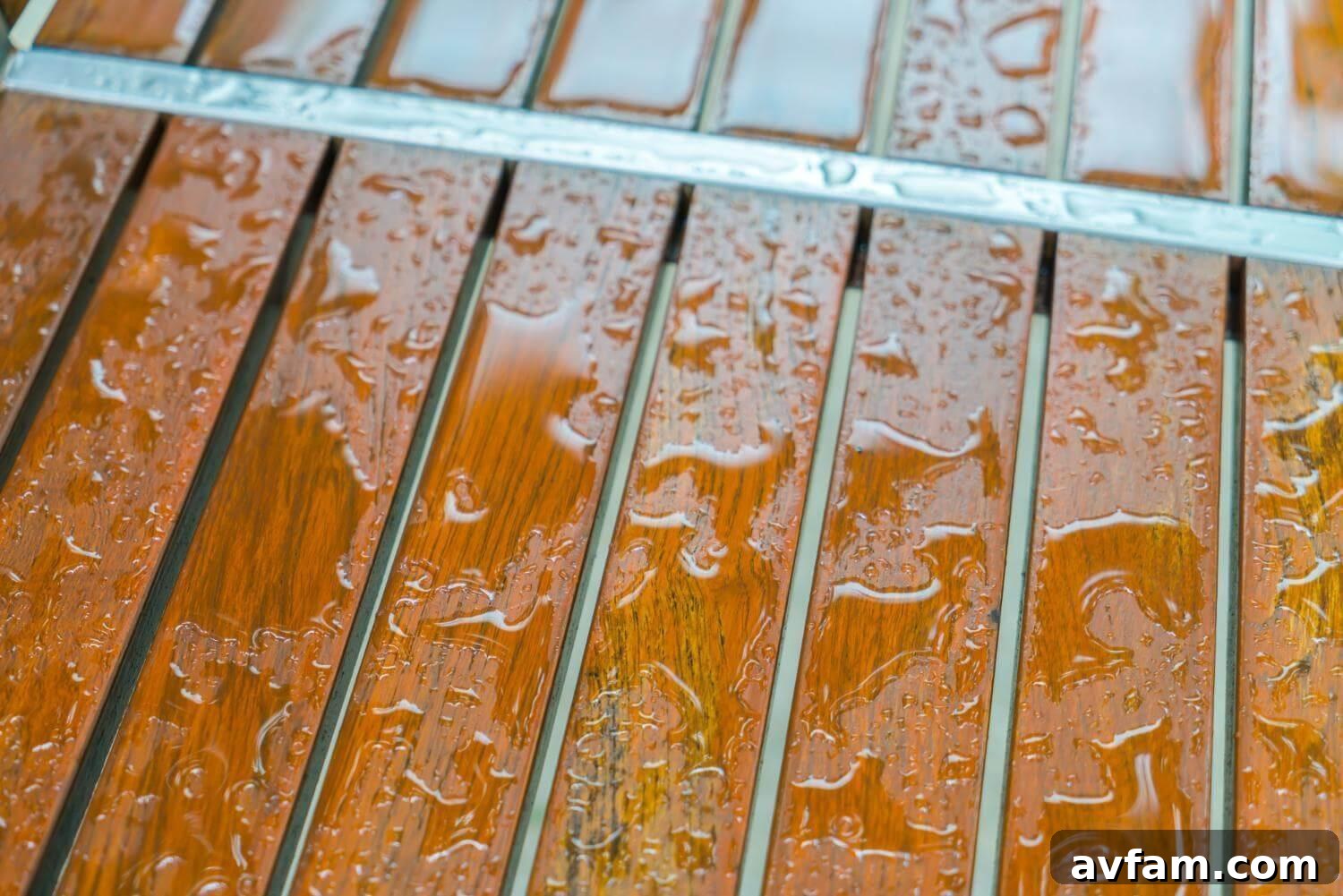
Image by jannoon028 on Magnific
What Eavestroughs Actually Do
Eavestroughs, commonly called gutters, collect roof runoff—rain and melting snow—and channel it away from the house through downspouts. Their primary purpose is to keep water from pooling near the foundation or running down exterior walls, both of which can cause structural damage and interior moisture problems. Local climate influences how hard the gutter system must work: areas with heavy rain, frequent snowmelt, or repeated freeze-thaw cycles put greater demands on the system than drier, milder regions.
In cold climates, rapid spring snowmelt can dump a large volume of water off the roof in a short time, and freeze-thaw cycles can stress seams and fasteners. Proper installation is therefore critical: gutters must be pitched to direct water toward downspouts, securely attached to fascia, and discharged where the water cannot harm the foundation. Seamless eavestroughs can reduce the number of joints and lower the risk of leaks over time.
The Role of Fascia in the System
Fascia is the vertical board along the lower roof edge that caps the end of the rafters and provides the mounting surface for eavestroughs. When fascia is repeatedly exposed to moisture—either from a leaking gutter or from water running down the roof edge—it can rot. Once fascia rots, it loses its ability to hold gutters securely, which can lead to sagging or complete detachment and further water damage.
Aluminum cladding over wood fascia is a common protection method, shielding the wood from direct weather exposure. When planning exterior replacements, homeowners often address fascia at the same time as aging gutters or soffit, because replacing multiple worn components at once can be more efficient and prevent future rework.
What Soffit Does That the Other Two Cannot
Soffit covers the underside of the roof overhang between the exterior wall and fascia. Vented soffit provides a path for outside air to enter the attic, working with ridge vents and other attic vents to maintain balanced ventilation. Proper airflow reduces heat buildup in summer and helps control moisture in winter, limiting problems like ice dams and condensation.
When soffit becomes blocked by debris, damaged, or closed off during renovations, attic ventilation suffers. In cold climates, poor soffit ventilation can accelerate ice dam formation and moisture migration into insulation and structural components. In warmer climates, inadequate ventilation increases attic temperatures and can shorten the lifespan of roofing materials.
Why Exterior Moisture Management Matters
Managing moisture around the roofline is a basic principle of home protection: roof runoff needs a clear path away from the structure, and exterior components must be kept in good condition. Guidance from housing authorities and industry resources stresses the importance of properly functioning gutters, downspouts, and foundation drainage to prevent water-related damage.
Because specific vulnerabilities vary by climate and house design, periodic inspections are essential. Loose gutters, damaged fascia, blocked soffit vents, and downspouts that discharge too close to the foundation are common issues that are far easier to fix early than after water has caused significant rot or foundation problems.
The Signs That the System Needs Attention
Visible signs that the roofline system needs repair include gutters pulling away from the fascia, sagging between hangers, overflow during rain, and staining or peeling paint beneath the roofline where water is escaping the trough instead of running to the downspout. Interior signs such as staining on basement or foundation walls near downspout terminations suggest that runoff is not being routed far enough from the house.
Soffit problems are indicated by visible deterioration, gaps at the wall joint, or insect and bird entry into the attic through damaged soffit. Poor attic ventilation, which is less obvious, may be detected by excessive heat buildup in summer or ice dam formation at the eaves in winter.
Keep an Eye on the Whole Roofline
Although eavestroughs, soffit, and fascia perform different tasks, issues often extend across multiple components. An overflowing gutter can damage the fascia below it, and deteriorated soffit can undermine attic ventilation and expose vulnerable roofline areas. That said, not every failure requires replacing all three components—if the gutters are failing but the soffit and fascia remain sound, replacement can be focused where it’s needed. Conversely, if several elements show age and wear, coordinating repairs or replacement can save time and expense in the long run.
Inspect the roofline several times a year—after winter and following heavy rains—to catch sagging gutters, loose sections, staining, rot, or blocked ventilation early. Timely maintenance keeps the roofline functioning as intended and helps prevent costly repairs down the road.