
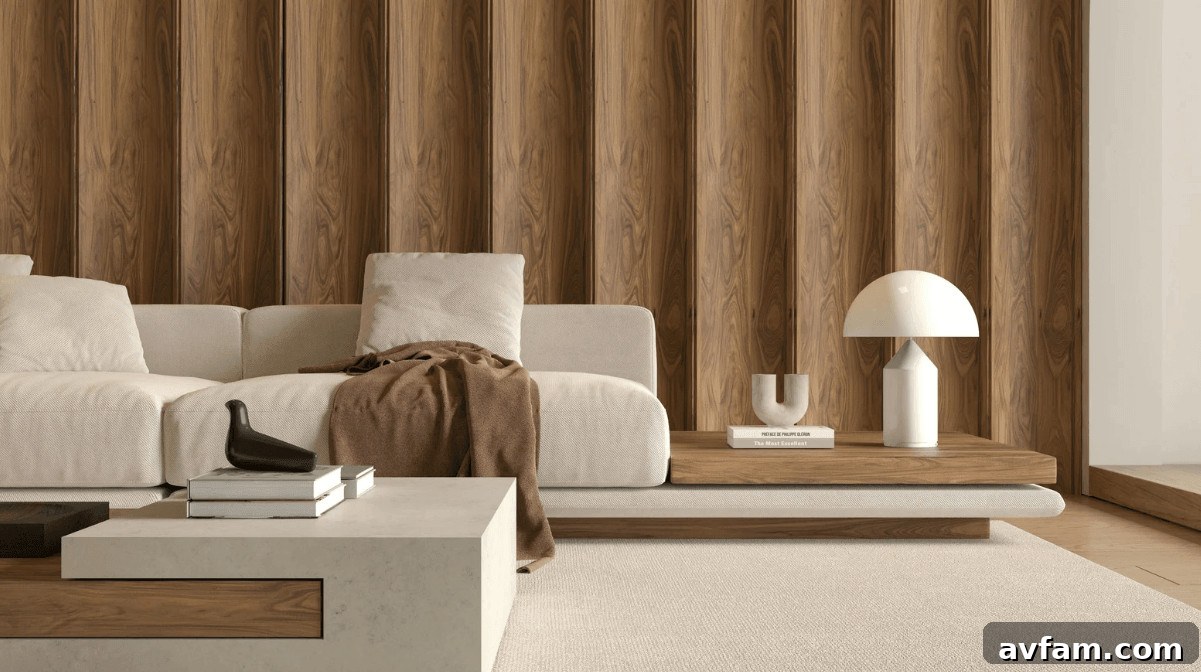
Hiring an interior design team can feel overwhelming without a clear plan. Homeowners frequently ask which services are included, how the process unfolds, and what level of involvement they should expect. Knowing the typical steps and deliverables in advance helps set realistic expectations and reduces stress throughout a renovation or redesign.
From the first concept meeting through final furniture placement, a full-service design team should remain involved at every stage. That involvement keeps the project organized, minimizes delays, and ensures aesthetic and practical choices align. This guide explains the core components of a complete design experience and what homeowners can reasonably expect when they hire a professional team.
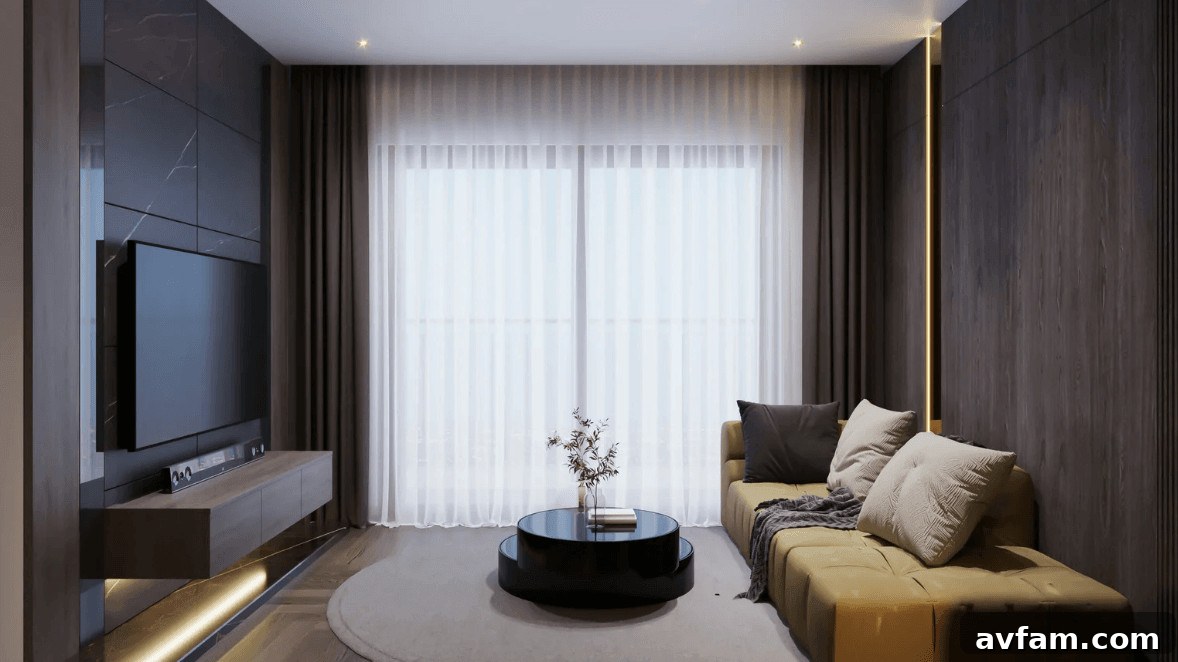
Defining What Full-Service Interior Design Means
In an initial design meeting, conversations typically move beyond paint colors and furniture styles. A full-service approach integrates decisions about space planning, materials, lighting, finishes, and window treatments so each choice supports the overall concept. Firms that offer comprehensive services coordinate these elements as a single, cohesive process rather than separate tasks.
For homeowners managing a larger renovation, working with one dedicated design partner through all phases reduces handoffs and keeps the project vision consistent. Firms that oversee concept development, documentation, procurement, and installation help preserve both the practical and aesthetic intent of the design from planning through completion.
How a Design Team Handles Every Detail
A detail-oriented team records accurate measurements, reviews samples in context, and tracks lead times to avoid mismatched finishes or delayed deliveries. Centralized coordination and clear scheduling reduce surprises and keep the project moving smoothly.
Clients typically work with a primary point of contact who maintains continuity from concept sketches to final walkthroughs. This single point of accountability simplifies communication with vendors, contractors, and installers, reducing confusion and ensuring everyone follows the agreed plan and timeline.
The Value of Personalized Design Support
Successful design responds to the way a household actually lives. One family may prioritize storage and kid-friendly solutions, while another focuses on entertaining flow or formal aesthetics. Personalized design begins by asking detailed questions about daily routines, storage needs, and hosting habits so the space functions well for real life—not just looks good in photos.
A flexible design plan allows changes as priorities shift during construction. When clients have room to adjust selections and layouts, the finished space tends to feel authentic rather than staged. Ongoing collaboration helps reconcile evolving needs with budget and schedule constraints.
What to Expect During the Design Process
The process typically begins with a thorough consultation to establish goals, constraints, and budget. From there, designers develop mood boards and sample palettes, produce layout sketches and detailed plans, and refine selections until a direction is approved. Once selections are finalized, procurement and ordering proceed, with the design team managing timelines and deliveries.
Installation is scheduled in phases to minimize disruption to daily life. Coordinated delivery dates and on-site supervision ensure that furniture, fixtures, and finishes are installed as intended. Final walkthroughs confirm that the project meets the approved plans and the client’s expectations.
Clear timelines and regular updates are essential. Homeowners benefit from a phased schedule and predictable milestones so they can plan around key installation dates and stay informed without needing to manage every vendor or shipment themselves.
Choosing a Team That Fits Your Vision
Selecting the right design team starts with reviewing past projects, examining a portfolio for range and quality, and asking for client references. Effective early communication—how the team listens, responds, and explains process and pricing—often predicts how the partnership will function throughout the project.
Ask prospective designers how they handle scope changes, budget adjustments, and unforeseen delays. A collaborative team will discuss options, trade-offs, and alternatives rather than presenting one rigid path. When the relationship feels balanced, homeowners can relax and enjoy the process as their home evolves.
Good design is a partnership: a team that listens carefully, adapts as needs change, and translates big decisions into clear, manageable steps. When homeowners share their priorities early and openly, the team can deliver a result that not only looks beautiful but also supports the way the household lives. Thoughtful planning and coordinated execution make even large renovations feel calm and controlled, resulting in a home that truly reflects its inhabitants.