
Essential Guide to DIY Gutter Cleaning: Protect Your Home & Save Money
Watching a classic show like “Friday Night Lights” can sometimes offer unexpected insights into home maintenance. Take for instance, the memorable scene where football star Tim Riggins, perhaps with more than just neighborly goodwill in mind, dedicates his time to meticulously clean and repair his neighbor’s rain gutters. While his motivations might have been multifaceted, the scene undeniably underscores a fundamental truth in the world of home upkeep: maintaining clean gutters is an often-overlooked yet critically important task for every homeowner.
This seemingly simple act of gutter cleaning is not merely about tidiness; it’s a vital preventative measure that shields your home from a host of potential problems. Neglecting your gutters, especially during seasons prone to heavy rainfall like spring, can lead to costly and extensive damage. This comprehensive guide will equip you with all the knowledge, tools, and steps you need to confidently tackle this essential DIY project, ensuring your home remains protected and your wallet stays happy.
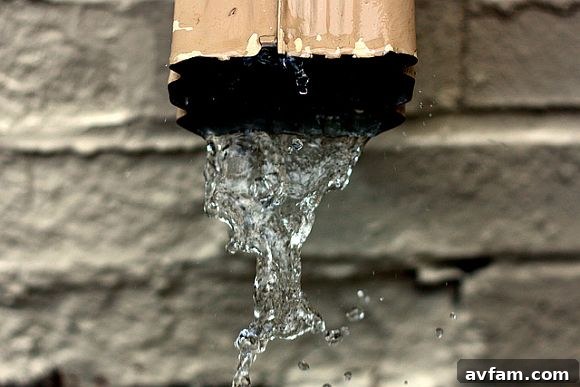
Why Clean Gutters Are Crucial for Your Home’s Health
Many homeowners view gutter cleaning as a chore, but it’s much more than that—it’s an investment in your home’s structural integrity and longevity. Gutters and downspouts are designed to divert rainwater away from your roof and foundation. When they become clogged with leaves, twigs, dirt, and other debris, they can no longer perform this vital function effectively. The consequences of neglected gutters can range from minor annoyances to severe, expensive damage:
- Preventing Foundation Damage: Overflowing gutters can cause water to pool around your home’s foundation. Over time, this excess moisture can lead to cracks in the foundation, basement flooding, or even structural instability. This is often one of the most costly repairs a homeowner can face.
- Protecting Your Roof and Fascia: When gutters are blocked, water can back up onto your roof, seeping under shingles and fascia boards. This can lead to wood rot, mold growth, and premature deterioration of your roofing materials, necessitating expensive roof repairs or even replacement.
- Avoiding Basement and Crawl Space Flooding: If water isn’t properly directed away from your home, it can find its way into your basement or crawl space, leading to significant water damage, mold, mildew, and an unhealthy living environment.
- Preventing Pest Infestations: Standing water and organic debris in clogged gutters create an ideal breeding ground for mosquitoes and can attract other pests like rodents, birds, and insects seeking shelter or water close to your home.
- Protecting Landscaping and Exterior: Uncontrolled water runoff can erode soil, damage garden beds, and create unsightly trenches around your home. It can also stain siding and windows, diminishing your home’s curb appeal.
- Extending Gutter Lifespan: Regular cleaning removes corrosive debris that can accelerate rust and wear, extending the life of your gutter system and preventing the need for early replacement.
When and How Often Should You Clean Your Gutters?
While the “Friday Night Lights” scene hinted at spring cleaning, the truth is that gutter maintenance is a year-round responsibility. The frequency depends heavily on your local environment, particularly the number of trees surrounding your property. As a general rule, most experts recommend cleaning your gutters at least twice a year:
- Late Spring (After Pollen Season): Once trees have fully bloomed and dropped their helicopter seeds and heavy pollen, a spring cleaning ensures your gutters are clear before the summer storm season. This is especially critical as increased spring rainfall can quickly overwhelm even partially clogged systems.
- Late Fall (After Leaf Drop): This is arguably the most crucial cleaning. After all the leaves have fallen from nearby deciduous trees, a thorough cleaning will prevent debris from freezing and expanding in your gutters over winter, which can cause significant damage.
However, if your home is surrounded by numerous trees, especially pine trees or those that shed frequently, you might need to clean your gutters three to four times a year, or after any particularly heavy storms. A quick visual inspection after strong winds or rain can help you determine if an extra cleaning is necessary.
Essential Tools and Safety Gear for DIY Gutter Cleaning
Before you even think about climbing a ladder, gathering the right tools and prioritizing safety are paramount. Having the correct equipment makes the job easier, more efficient, and significantly safer.
Your Gutter Cleaning Toolkit:
- Sturdy Ladder: An extension ladder is usually best for reaching gutters safely. Ensure it’s tall enough to allow you to work comfortably without overreaching. Always place the ladder on a firm, level surface and have someone spot you if possible. For single-story homes, a step ladder might suffice, but an extension ladder offers more stability for higher reaches.
- Large Bucket with “S” Hook: This is invaluable for collecting debris. Attach the bucket to your ladder with an “S” hook, allowing you to work hands-free and keep the removed gunk off your lawn.
- Sturdy Work Gloves: Protect your hands from sharp debris, grime, and potential pathogens. Heavy-duty leather or thick rubber-coated gloves are ideal.
- Gutter Scoop or Small Trowel: While hands work fine, a dedicated gutter scoop is ergonomically designed to fit the curve of your gutters, making debris removal quicker and cleaner. A small garden trowel or even a putty knife can also work wonders for dislodging stubborn material.
- Garden Hose with a Nozzle: Essential for rinsing away smaller debris and checking downspout flow. A high-pressure nozzle can help blast away compacted dirt.
- Whisk Broom: Useful for sweeping smaller loose debris into piles for easier removal, especially from drier gutters.
- Plumber’s Snake (Optional but Recommended): For stubborn downspout clogs that won’t clear with water alone. A simple plumbing auger can break up and retrieve blockages.
- Leaf Blower (Optional): Some leaf blowers come with gutter cleaning attachments that allow you to clear debris from the ground, though they may not be effective for wet, heavy muck.
Prioritizing Your Safety:
- Safety Glasses: Protect your eyes from flying debris, dirt, and water splashes.
- Long Sleeves and Pants: Shield your skin from scratches, sharp edges, and potential allergens like mold.
- Non-Slip Shoes: Crucial for maintaining secure footing, whether you’re on a ladder or working from a relatively flat roof. Avoid open-toed shoes.
- Spotter: If working at significant heights, having another person stabilize the ladder and pass tools is a smart safety measure.
- Avoid Working on a Steep Roof: If your roof has a steep pitch, do not attempt to work directly from it. Stick to the ladder. Always assess your comfort level and physical capabilities; if it feels unsafe, it probably is.
- Check Weather Conditions: Never clean gutters during rain, strong winds, or when surfaces are wet or icy.
Step-by-Step DIY Gutter Cleaning Process
Once you have all your tools and safety gear ready, you can begin the cleaning process. Work systematically to ensure no section is missed.
Step 1: Set Up Your Ladder Safely
Position your ladder securely on firm, level ground. Ensure it extends at least three feet above the gutter line. The base of the ladder should be placed one foot away from the wall for every four feet of height to the top support. Have a spotter if available. Always face the ladder when climbing and descending, maintaining three points of contact (two hands and one foot, or two feet and one hand) at all times. Attach your debris bucket to the ladder for easy access.
Step 2: Remove Large Debris
Starting from one end of a gutter run, begin scooping out leaves, twigs, dirt, and shingle grit by hand (with gloves) or using your gutter scoop/trowel. Deposit the debris into your attached bucket. Work methodically, moving along the gutter section by section. Avoid pulling debris towards the downspout opening, as this can push clogs deeper. Instead, try to work towards an open section or directly into your bucket. Be thorough; even small amounts of compacted wet leaves can impede water flow.
Step 3: Flush the Gutters with Water
Once all solid debris has been removed, use your garden hose with a nozzle to rinse the gutters thoroughly. Start at the end opposite the downspout and work your way towards it, flushing any remaining dirt, silt, and small particles into the downspout. Observe the water flow; it should move freely down the gutter and into the downspout without pooling or overflowing.
Step 4: Address Downspout Clogs
The downspouts are often the trickiest part. If water doesn’t flow freely from the bottom of a downspout after rinsing, it’s likely clogged. Here’s how to tackle it:
- From Above: Try running the hose full blast down the downspout from the top. The water pressure might be enough to dislodge smaller clogs.
- From Below: If that doesn’t work, try inserting the hose up from the bottom opening of the downspout. Turn on the water and push the hose upwards as far as it will go.
- Plumber’s Snake: For stubborn blockages, carefully insert a plumber’s snake into the downspout from either end. Twist and push the snake to break up or retrieve the clog.
- Disassemble Elbow Joints: If all else fails, you may need to temporarily remove the downspout’s elbow joints (the curved sections, usually at the top or bottom) to directly access and clear the blockage. This usually involves unscrewing a few fasteners. After cleaning, reassemble securely.
Step 5: Inspect for Damage and Proper Function
After cleaning and flushing, take a moment to inspect your entire gutter system. Look for:
- Leaks or Cracks: Check for any holes, cracks, or loose seams where water might escape.
- Loose Hangers or Sections: Ensure all gutter sections are securely attached to the fascia board. Re-secure any loose hangers or sections.
- Proper Slope: Gutters should have a slight slope (about 1/4 inch per 10 feet) towards the downspouts to ensure proper drainage. If you notice pooling water, the slope might need adjustment.
- Rust or Corrosion: Address any signs of rust promptly to prevent further deterioration.
Minor repairs like sealing small leaks with gutter sealant or tightening a loose hanger can be done at this stage, extending the life of your system.
Advanced Tips and Preventative Maintenance
Beyond regular cleaning, there are additional steps you can take to minimize future maintenance and protect your gutters.
- Consider Gutter Guards: Gutter guards, also known as gutter covers, come in various types (mesh, solid, reverse curve) and can significantly reduce the amount of debris entering your gutters. While they don’t eliminate the need for cleaning entirely, they can drastically reduce its frequency. Research different types to find one that suits your roof and tree coverage.
- Trim Overhanging Branches: Regularly trim any tree branches that extend over your roofline. This simple step will reduce the amount of leaves, twigs, and other organic matter falling directly into your gutters.
- Ensure Proper Drainage at Downspout Outlets: Make sure water flowing out of your downspouts is directed well away from your foundation. Consider adding downspout extenders or splash blocks to carry water several feet away from your home.
- Regular Visual Checks: Between major cleanings, take a few minutes to visually inspect your gutters from the ground. If you see overflowing water during a rainstorm or large amounts of debris visible, it might be time for an early cleaning.
When to Call the Professionals
While DIY gutter cleaning is manageable for many, there are situations where hiring a professional is the safer and more practical choice:
- Excessive Height or Steep Roofs: If your home is multi-story or has a very steep, difficult-to-navigate roof, the risks associated with ladder work increase significantly. Professionals have specialized equipment and training for working at heights.
- Physical Limitations or Discomfort: If you are uncomfortable with heights, have mobility issues, or simply don’t feel physically up to the task, don’t push it. Your safety is paramount.
- Severe Clogs or Damage: For persistent downspout clogs that you can’t clear, or if you notice significant damage like major leaks, sagging gutters, or detached sections, a professional gutter service can offer expert repair and replacement solutions.
- Lack of Time or Tools: If you simply don’t have the time, the necessary tools, or prefer to delegate the duty, professional services are a convenient option.
Conclusion: A Clean Gutter System, A Protected Home
Just as Tim Riggins’ initial good deed led to positive outcomes, your commitment to regular gutter cleaning will yield lasting benefits for your home. It might not rank high on the “fun scale” of DIY projects, but it is undoubtedly one of the most critical. By understanding the importance of clean gutters, arming yourself with the right tools, following safe practices, and tackling the task systematically, you can effectively protect your home from water damage, avoid costly repairs, and maintain its value and structural integrity for years to come.
So, the next time you think about home maintenance, remember the humble rain gutter. A little effort twice a year can save you a world of trouble and expense. Take control of your home’s health and ensure those gutters are doing their job!
Photo: flickr.com/photos/aechempati/4821824754