
Reviving Your Reluctant Lawnmower: The Simple Fix for a Sputtering Start
As the days lengthen and the vibrant colors of spring begin to unfurl, there’s a certain anticipation in the air for many homeowners. It’s the season of lush green lawns, outdoor gatherings, and the satisfying scent of freshly cut grass. Mowing season is indeed upon us, promising the aesthetic pleasure of a well-manicured yard and the therapeutic rhythm of outdoor tasks. However, the excitement can quickly turn to frustration if, when you roll out your trusty lawnmower for its inaugural spin of the year, it sputters, struggles, or refuses to start altogether. This common springtime dilemma can leave you feeling helpless, perhaps even contemplating an expensive call to a professional technician. But hold off on that service appointment – the solution to your mower’s woes might be far simpler and cheaper than you think. Often, the culprit is something you can diagnose and fix right in your own garage, saving you both time and money.
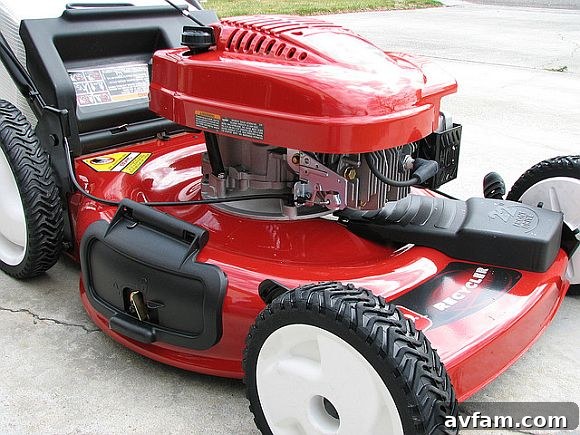
Many homeowners experience this exact scenario: after a long winter’s hibernation, your lawnmower emerges only to act stubbornly. It might sputter, cough, produce smoke, or simply refuse to ignite, leaving you wondering if it’s time for a costly repair or even a new machine. Before you resign yourself to pushing a manual reel mower or incurring hefty repair bills, consider the most common and easily rectifiable cause: stale gasoline. Yes, that fuel you optimistically left in the tank last autumn could be the very reason your mower is playing hard to get this spring. It’s a surprisingly prevalent issue for small engines, and thankfully, one with a straightforward solution that empowers you to get back to enjoying your yard.
The Silent Saboteur: Understanding Stale Gasoline and Its Impact on Small Engines
Gasoline isn’t designed for indefinite storage. Unlike fine wine, it doesn’t get better with age; in fact, it rapidly degrades, especially when exposed to air and varying temperatures—conditions common in a mower tank stored in a garage or shed. This degradation process transforms fresh, potent fuel into a sluggish, corrosive substance that can wreak havoc on your mower’s internal components. Understanding what happens to gasoline over time is key to appreciating why this simple problem causes such significant starting issues.
What Happens to Gasoline Over Time?
- Oxidation and Gum Formation: When gasoline sits, particularly in a vented fuel tank, it reacts with oxygen in the air in a process called oxidation. This chemical reaction leads to the formation of gummy deposits and varnish. These sticky residues are particularly problematic for the tiny, precision-engineered jets and passages within your carburetor and along the fuel lines. They can become partially or completely clogged, preventing the proper fuel-air mixture from reaching the engine. A clogged carburetor is a primary reason for difficult starts, sputtering, rough idling, and poor engine performance.
- Ethanol Separation (Phase Separation): Most modern gasoline contains ethanol, an alcohol additive. While ethanol helps gasoline burn cleaner and extends the fuel supply, it also has a strong affinity for water. If your mower’s fuel tank accumulates even a small amount of moisture (from condensation due to temperature fluctuations or high humidity), the ethanol will readily absorb this water. Once it absorbs enough water, the ethanol-water mixture separates from the gasoline, forming a distinct layer that sinks to the bottom of the fuel tank. This “phase separation” leaves the remaining gasoline with a lower octane rating and a significantly compromised ability to combust efficiently. Moreover, the water-ethanol mixture itself can corrode metal components in the fuel system and cause severe engine damage if it’s drawn into the engine.
- Loss of Volatility: Gasoline is a complex blend of various hydrocarbons. The lighter, more volatile hydrocarbons are crucial for easy starting, especially in cooler conditions, as they evaporate readily to create an ignitable vapor. Over time, these volatile components evaporate out of the fuel, leaving behind a heavier, less combustible fuel mixture. As these lighter elements dissipate, the remaining fuel becomes less effective at igniting quickly and efficiently, making your mower harder to start and potentially leading to incomplete combustion.
These combined changes fundamentally alter the chemical composition and physical properties of the fuel, rendering it ineffective and potentially damaging for small engines. The sputtering, coughing, and outright refusal to start are direct symptoms of the engine trying, and failing, to properly burn this compromised fuel, leading to a frustrating experience for any homeowner eager to tackle their yard.
Your Step-by-Step Guide to a Smooth Start: Draining and Refueling for Success
Fortunately, dealing with stale gasoline is a manageable task that most homeowners can accomplish with basic tools and a careful approach. By diligently following these crucial steps, you can quickly get your mower back in top working order without incurring the expense of professional repair services.
Safety First: Preparing for Fuel Handling
Before you begin any work involving fuel, always prioritize safety. Gasoline is not only highly flammable but its fumes are also hazardous.
- Work in a Well-Ventilated Area: Outdoors is always the best option. If you must work indoors, ensure excellent airflow by opening garage doors and windows to disperse hazardous fumes effectively.
- Eliminate Ignition Sources: Ensure there are absolutely no open flames, pilot lights (e.g., from water heaters or furnaces), sparks from electrical equipment, or smoking materials nearby. Even a tiny spark can ignite gasoline vapors.
- Wear Protective Gear: Gloves and eye protection are essential. Gloves will prevent skin contact with fuel, which can cause irritation, and eye protection will shield your eyes from accidental splashes.
- Disconnect the Spark Plug: Always remove the spark plug wire from the spark plug. This crucial step prevents the engine from accidentally starting while you are working on it, eliminating the risk of injury.
- Have a Fire Extinguisher Handy: A small ABC-rated fire extinguisher designed for multiple types of fires (including flammable liquids) is a wise precaution to have within easy reach.
Safely Draining the Old Fuel: A Critical First Step
The primary objective here is to remove every single drop of the old, degraded fuel from your mower’s tank and, ideally, its fuel lines and carburetor.
- Gather Your Tools: You will need an approved, clearly labeled fuel container (such as a red plastic gasoline can designed for this purpose) to safely hold the old fuel, a funnel to prevent spills, and potentially a siphon pump or a wrench for fuel line removal.
- Position the Mower: If your mower’s fuel tank is designed for drainage via a plug, you might need to tilt the mower slightly to allow gravity to assist the process. However, be extremely careful not to tip the mower in a way that could spill oil or other fluids from their respective reservoirs. Consult your owner’s manual for the exact location of the fuel drain plug (if present) and specific instructions for safe tilting.
-
Drain the Tank:
- Siphon Method: For many lawnmowers, the safest and cleanest method is often to use a hand-operated siphon pump. Insert the pump’s hose into the fuel filler neck and use the pump to draw the fuel out into your approved collection container.
- Fuel Line Disconnect: For some mower models, you might be able to carefully disconnect a fuel line either at the carburetor or near an inline fuel filter, allowing the fuel to drain directly into your container. This method requires more mechanical familiarity and extreme caution to ensure no spills. Place your container directly underneath the disconnected line to catch all the fuel.
- Drain Plug: If your mower is equipped with a dedicated fuel tank drain plug, position your collection container directly beneath it and carefully open the plug to allow the fuel to flow out.
- Empty Completely: It is vital to ensure the fuel tank is as empty as possible. Gently slosh the mower or rock it slightly (if safe to do so) to dislodge and drain any remaining droplets of stale fuel.
- Reconnect Lines/Plugs: Once the tank is completely empty, securely reconnect any fuel lines you disconnected or replace and tighten the drain plug. Double-check all connections to prevent leaks.
The Critical Step: Proper Disposal of Stale Fuel
This aspect of the process is paramount and cannot be overstated: **under no circumstances should you pour old gasoline down the drain, onto the ground, or mix it with regular household trash.** Old fuel is classified as hazardous waste and poses significant environmental and health risks that can have long-lasting consequences.
- Severe Environmental Impact: Gasoline is a potent and toxic pollutant. When improperly disposed of, it can seep into and contaminate soil, groundwater, and surface water, severely harming local ecosystems, plant life, and aquatic organisms. A single gallon of gasoline has the potential to contaminate millions of gallons of drinking water, making it unusable.
- Serious Health Hazards: The fumes emanating from gasoline are toxic and can cause respiratory issues, headaches, dizziness, and other health problems if inhaled in poorly ventilated areas. Direct skin contact can lead to irritation and chemical burns.
- Extreme Fire Hazard: Even old or “stale” fuel remains highly flammable. Disposing of it in regular trash bins or dumpsters creates a serious fire risk, endangering sanitation workers, property, and the community at large.
To ensure responsible and legal disposal, you must contact your local city or town’s waste management officials. They are the best resource for providing specific instructions and directing you to appropriate disposal facilities in your area.
- Hazardous Waste Collection Sites: Many municipalities operate permanent hazardous waste collection centers or organize periodic household hazardous waste collection events. These events allow residents to safely bring old fuels, paints, solvents, chemicals, and other dangerous household items for proper processing.
- Auto Parts Stores/Service Stations: Some auto parts retailers or automotive service stations that handle waste oil may also accept used gasoline for recycling or proper disposal, although policies vary significantly. It is always best practice to call ahead and confirm their acceptance policies and any potential fees.
- Local Recycling Centers: Certain larger recycling centers may have specific provisions or designated areas for the collection of small quantities of hazardous waste. Again, verification by phone is advised.
Always ensure the fuel is transported in a clearly labeled, approved container, and meticulously follow all instructions provided by the disposal facility. Prioritizing responsible disposal is a crucial step in protecting our environment and the health and safety of our community.
Fueling Up for Success: Adding Fresh Gasoline
With the old, harmful fuel safely removed and properly disposed of, it’s time to introduce the good stuff – fresh, clean gasoline that will bring your mower back to life.
- Use Fresh Gasoline: Always use gasoline that is no more than 30 days old. For the vast majority of lawnmowers and small engines, regular 87 octane unleaded gasoline is perfectly adequate and recommended. Avoid using higher octane fuels unless your mower’s manufacturer specifically recommends it, as higher octane is not beneficial for engines not designed for it and can sometimes lead to issues.
- Consider Non-Ethanol Fuel: If readily available in your area and practical for your budget, non-ethanol gasoline can be an excellent choice for small engines. Ethanol can be corrosive to certain plastic and rubber components commonly found in older small engines, and it is the primary contributor to the detrimental phase separation issue. While not always strictly necessary, choosing non-ethanol fuel is a worthwhile consideration for extending the longevity and reliability of your mower’s fuel system.
- Add Fuel Stabilizer (For Future Storage): To prevent this stale gas problem from recurring, especially if you anticipate storing your mower for more than a month (and certainly for its long winter hibernation), add a high-quality fuel stabilizer *to the fresh fuel* before you fill the tank. Mix it according to the product’s specific instructions. A good fuel stabilizer contains antioxidants and corrosion inhibitors that prevent oxidation, gum formation, and phase separation, effectively keeping your fuel fresh and viable for up to 12-24 months.
- Fill the Tank: Carefully pour the fresh, ideally stabilized, gasoline into your mower’s fuel tank. Always use a funnel to prevent spills and ensure the fuel goes directly into the tank. Do not overfill – leave a little bit of room in the tank for fuel expansion, especially on warm days.
The Moment of Truth: Starting Your Revitalized Mower
Once the fresh fuel is securely in the tank, reconnect the spark plug wire to the spark plug terminal and prepare to start your mower. This is where you’ll see the fruits of your labor.
- Choke and Primer: If your mower is equipped with a choke, engage it fully according to your mower’s operating manual. If it has a primer bulb, press it the recommended number of times (typically three to five presses) to help draw fresh fuel into the carburetor. These actions prepare the engine for its initial start.
- Pull the Starter Cord: Give the starter cord a firm, consistent, and deliberate pull. Avoid short, jerky pulls. It might take a few more pulls than usual the very first time, as the engine needs to clear out any remaining stale fumes from the system and fully draw in the new, fresh fuel. Be patient but persistent.
- Listen and Observe: Listen carefully for the engine to catch and ignite. Once it starts, allow it to run for at least a few minutes. This crucial running time ensures that the fresh fuel fully circulates throughout the entire fuel system, completely flushing out any residual old fuel or vapors that might have been lingering. As the engine warms up, gradually disengage the choke. You should hear the engine settle into a smooth, consistent idle.
In the vast majority of cases, this straightforward process of draining stale gas and introducing fresh, stabilized fuel will effectively resolve your mower’s starting problems and have it purring happily and reliably once again. You will have successfully diagnosed and fixed a common issue, saving yourself a potentially costly and unnecessary maintenance call, and gaining valuable hands-on experience in basic mower upkeep.
Beyond the Quick Fix: Proactive Maintenance for a Happy Mower Season After Season
While the stale gas fix is a fantastic immediate solution to a common spring problem, adopting a comprehensive proactive maintenance approach will not only prevent future frustrations but also significantly extend the lifespan and efficiency of your lawnmower. Think of it as a crucial preventative medicine regimen for your essential yard equipment.
End-of-Season Storage: Preventing Stale Gas and Other Issues
The most effective way to avoid frustrating stale gas problems next spring is to prepare your mower meticulously before its long winter nap. Proper winterization is an investment in future reliability.
-
Stabilize or Drain Fuel (Non-Negotiable): This is the absolute paramount step for winter storage.
- Option 1 (Stabilize a Full Tank): Add a high-quality fuel stabilizer to a full tank of fresh gasoline. Then, run the engine for at least 5-10 minutes. This ensures that the treated, stabilized fuel circulates thoroughly throughout the entire fuel system—including the tank, fuel lines, and carburetor—providing protection against degradation. This method can keep the fuel fresh and viable for up to two years.
- Option 2 (Drain Dry): Completely drain the fuel tank. Then, start the engine and allow it to run until it sputters and dies from lack of fuel. This ensures that the carburetor bowl is also emptied, leaving no fuel to degrade or gum up components over winter.
- Change the Engine Oil: Old engine oil can become acidic and corrosive during prolonged storage, potentially harming internal engine components. Performing a fresh oil change before winter is an excellent idea to protect your engine.
- Clean or Replace the Air Filter: A clean air filter is essential for proper airflow and efficient combustion. Inspect your air filter; if it’s dirty, clean it according to manufacturer guidelines or replace it with a new one.
- Inspect and Clean/Replace the Spark Plug: Remove the spark plug, inspect its condition for any signs of wear or excessive carbon buildup. Clean off any deposits with a wire brush or replace the plug if it looks worn or fouled.
- Clean the Mower Deck Thoroughly: Remove all accumulated grass clippings, mud, and debris from underneath the mower deck. Leftover wet grass can trap moisture, leading to rust and corrosion, and can also dull your cutting blade.
- Sharpen or Replace the Blade: A sharp blade provides a cleaner, healthier cut for your lawn, promoting better grass growth. Sharpen or replace your mower blade at the end of the season so that your equipment is immediately ready for action come spring.
- Lubricate Moving Parts: Apply grease or oil to any moving parts, wheels, or pivot points as recommended in your owner’s manual to prevent rust and ensure smooth operation.
- Store Properly: Finally, store your meticulously prepared mower in a dry, protected area away from extreme temperatures, direct sunlight, and excessive humidity. A shed, garage, or dry basement is ideal.
The Enduring Benefits of Regular Mower Maintenance
Beyond just preventing annoying starting issues, consistent and routine lawnmower maintenance offers a wide array of significant benefits that extend far beyond simply ensuring a smooth start:
- Extended Lifespan: A well-cared-for mower will reliably perform its duties for many more years, significantly delaying the need for an expensive replacement.
- Optimal Performance: Clean filters, fresh oil, properly gapped spark plugs, and sharp blades ensure that your mower runs at peak efficiency, consuming less fuel and delivering a beautifully even, precise cut to your lawn.
- Enhanced Reliability: Regular maintenance dramatically reduces the chances of unexpected breakdowns or malfunctions occurring in the middle of a crucial mowing job.
- Significant Cost Savings: Investing a small amount of time and money in regular, inexpensive maintenance prevents far costlier major repairs or the need to purchase a new mower prematurely.
- Improved Safety: A properly maintained machine with all components in good working order is inherently a safer machine to operate, reducing risks associated with faulty parts.
Embrace the Green: The Joys and Benefits of a Well-Maintained Lawn
While the tasks associated with yard work can sometimes feel like a laborious chore, there’s an undeniable and profound satisfaction that comes with stepping back and admiring a freshly cut, neatly trimmed lawn. The vibrant green carpet, the crisp edges, and that distinctive, earthy aroma all contribute to the unique charm and appeal of homeownership.
More Than Just a Chore: The Rewards of Yard Work
- Enhanced Curb Appeal and Property Value: A meticulously maintained lawn and garden significantly enhance your home’s curb appeal, creating a welcoming first impression. This can also positively impact your property’s market value, making it a sound investment.
- Deep Personal Satisfaction: There’s a deep-seated sense of accomplishment and pride that comes from transforming an overgrown, unruly patch of grass into a pristine, manicured outdoor space through your own effort and care.
- Physical Activity and Mental Well-being: Mowing, raking, weeding, and other yard tasks provide excellent physical exercise, contributing to cardiovascular health, burning calories, and building strength. Moreover, spending time outdoors in nature, engaged in a repetitive, calming task, can be incredibly therapeutic, effectively reducing stress, clearing the mind, and improving overall mood.
- Community Pride and Harmony: A well-kept yard contributes positively to the overall aesthetics of your neighborhood, fostering a sense of community pride and potentially encouraging others to maintain their properties as well.
- An Inviting Outdoor Space: Your lawn is often the stage for cherished outdoor living – whether it’s hosting picnics, providing a safe and enjoyable play space for children or pets, or simply serving as a serene backdrop for relaxing in the sun or enjoying a quiet evening. Maintaining it transforms it into a more enjoyable, functional, and beautiful extension of your home.
So, the next time your lawnmower gives you trouble as spring begins, remember that a simple, informed fix might be all it needs. By understanding the common issue of stale gas and implementing basic yet effective maintenance practices, you can ensure a smooth, enjoyable, and productive mowing season year after year, guaranteeing your lawn stays a vibrant testament to your care.
What’s your take on mowing the lawn and routine yard work? Do you absolutely love the process and the results, dread it and outsource it, or simply see it as a necessary task that must be done? Share your best tips for a thriving lawn or your own experiences with mower troubles and triumphs in the comments below!
Photo: flickr.com/photos/pleeker/123019230